The best time to visit Arches National Park is generally spring and fall, when cooler temperatures make hiking and sightseeing much more comfortable than during the hottest part of summer. April, May, September, and October are especially appealing, but they are also among the busiest times to explore Utah’s red-rock country.
Arches protects more than 2,000 documented natural stone arches along with sandstone fins, pinnacles, balanced rocks, and broad desert views just outside Moab. The park is easy to explore by car, but many of its best landscapes reward visitors who leave the pavement for a short walk or longer hike.
One major planning detail is different in 2026: Arches National Park is not requiring advance timed-entry reservations this year. Visitors may enter during operating hours without reserving an entry time, although busy parking lots and temporary traffic restrictions are still possible during high-visitation periods. Reservations remain necessary for Devils Garden Campground and Fiery Furnace hikes.
This guide covers the seasons, how long to stay, the best things to do independently, and five guided Arches National Park tours and Moab experiences that offer very different ways to explore the area.
Arches National Park at a Glance
| Best Overall Time to Visit | Spring and fall |
| Best Time for Hiking | April–May and September–October |
| Best Time for Fewer Crowds | Winter |
| Suggested Trip Length | 2 days |
| Main Gateway Town | Moab, Utah |
| Closest Regional Airport | Canyonlands Regional Airport |
| Timed Entry in 2026 | Not required |
| Landscape | High desert, sandstone arches, fins, towers, and slickrock |
Best Time to Visit Arches National Park
For most travelers, spring and fall offer the best balance of hiking weather, daylight, and access.
These seasons work particularly well if Delicate Arch, Devils Garden, The Windows, and other exposed trails are high on the itinerary. There is little shade across much of Arches, so moderate temperatures can make a major difference in how enjoyable a day on the trails feels.
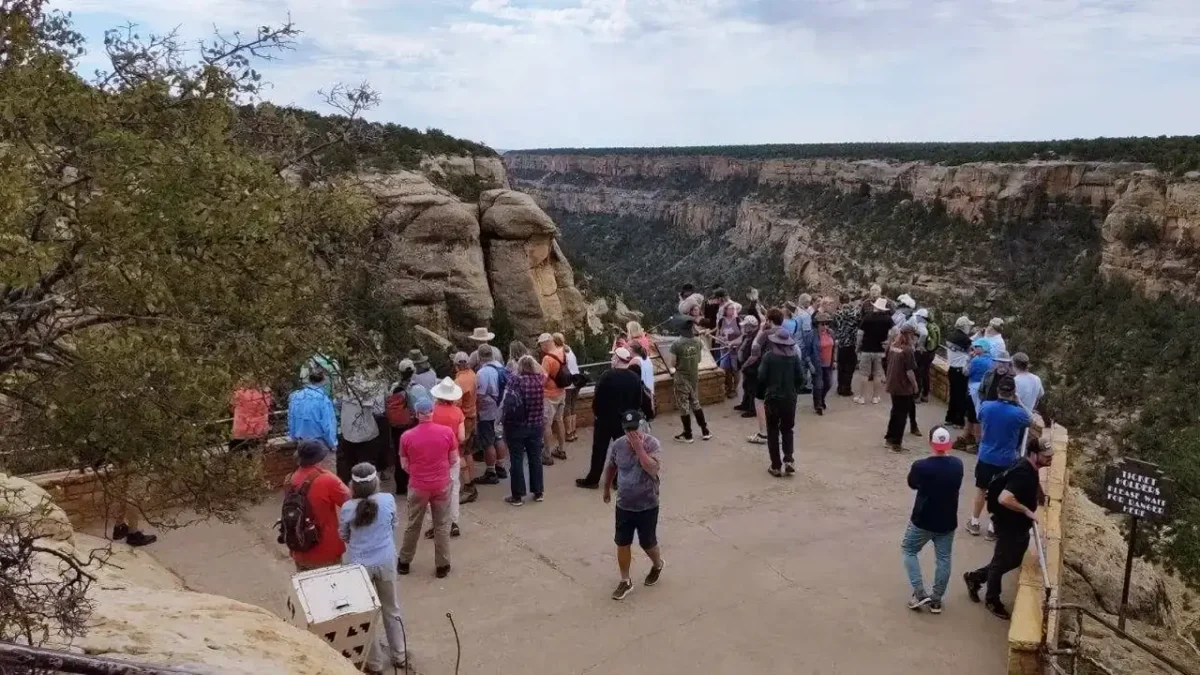
The tradeoff is popularity. Pleasant temperatures bring plenty of other hikers and road-trippers to Moab, particularly on weekends and holidays. Although Arches has dropped its timed-entry requirement for 2026, the National Park Service warns that entrance lines and limited parking can still occur during busy periods.
Summer requires a different strategy. Temperatures can exceed 100°F, and the NPS recommends scheduling outdoor activity during the cooler parts of the day rather than relying on midday for long hikes.
Winter is quieter and can be beautiful, but cold temperatures, snow, and ice may change trail conditions considerably.
The best season therefore depends on the trip:
- Choose spring for comfortable hiking weather and longer days.
- Choose summer only if early starts and heat-conscious planning fit the schedule.
- Choose fall for excellent hiking conditions with a similar feel to spring.
- Choose winter for fewer visitors and a more flexible itinerary, provided cold-weather conditions are acceptable.
Arches National Park by Season
Spring
Spring is one of the easiest seasons for building a hiking-heavy Arches itinerary.
March can still bring cold mornings and unsettled weather, while April and May usually provide a more comfortable window for longer outings. Layering matters because desert temperatures can change quickly from morning to afternoon.
Expect the popular areas—especially Delicate Arch, The Windows, and Devils Garden—to feel busy during peak periods. Without timed entry in 2026, getting through the entrance does not guarantee an immediately available parking space at every trailhead.
A practical spring strategy is to choose one high-priority hike for the first part of the day and keep several shorter alternatives in reserve. If a parking area is full, move on rather than waiting in the roadway; the NPS may restrict access to individual locations when congestion becomes unsafe.
Spring is best for: hikers, first-time visitors, photography, and travelers who want to spend substantial time outside the vehicle.
Summer
Summer changes the way Arches should be explored.
July and August are particularly hot, and daytime highs can rise above 100°F. Exposed slickrock amplifies the experience because most trails provide very little shade. The NPS recommends avoiding the strongest sun during the middle of the day and carrying substantial water.
This does not mean summer should automatically be avoided. It means the daily schedule becomes more important.
Use early morning for hiking. Save the visitor center, scenic driving, lunch in Moab, or other lower-exertion activities for the hottest part of the afternoon. Return for sunset or an evening walk once conditions improve.
Summer can also work well for combining Arches with a Colorado River activity. A morning in the park followed by rafting—or vice versa—adds variety without requiring a full day of exposed desert hiking.
Thunderstorms can also develop during the warmer months. Check the forecast and current park conditions before heading onto trails or unpaved backcountry routes.
Summer is best for: early risers, shorter hikes, stargazing, and travelers comfortable organizing the day around heat.
Fall
September and October are among the strongest choices for a first visit to Arches.
Temperatures become more comfortable for hiking, and a full day outside is generally easier to manage than during midsummer. The lower-angle light can also be excellent around sandstone formations early and late in the day.
September can remain busy, especially around Moab’s most recognizable trailheads. October often brings cooler mornings, so keep an extra layer in the car even when the afternoon forecast looks mild.
This is a particularly good season for travelers who want to combine a longer trail—such as Delicate Arch or Devils Garden—with several shorter walks and scenic stops.
Fall is best for: hiking, photography, multi-day trips, and first-time visitors who want maximum flexibility.
Winter
Winter offers a very different version of Arches.
Crowds drop considerably, temperatures fall, and snow can occasionally cover the red sandstone. The contrast is striking, but winter conditions should not be treated as simply a colder version of fall.
Snow and ice can hide trail markers and make slickrock much more difficult to negotiate. The NPS advises checking current trail information when winter weather affects the park.
Short daylight also limits how much can comfortably fit into one day.
On the positive side, parking is usually less competitive and the quieter atmosphere can make major viewpoints feel dramatically different from peak season.
Winter is best for: repeat visitors, photographers, flexible travelers, and anyone prioritizing lower crowd levels over predictable hiking conditions.
How Many Days Do You Need in Arches National Park?
Two days is the sweet spot for most visitors.
One day is enough to see many of the major highlights, but it forces several choices. Two days allow weather, parking, and trail energy to dictate the pace rather than the clock.
One Day
With one full day, prioritize a mix of one major hike and several easy-access landmarks.
A strong itinerary could include:
- Park Avenue viewpoint
- Balanced Rock
- The Windows
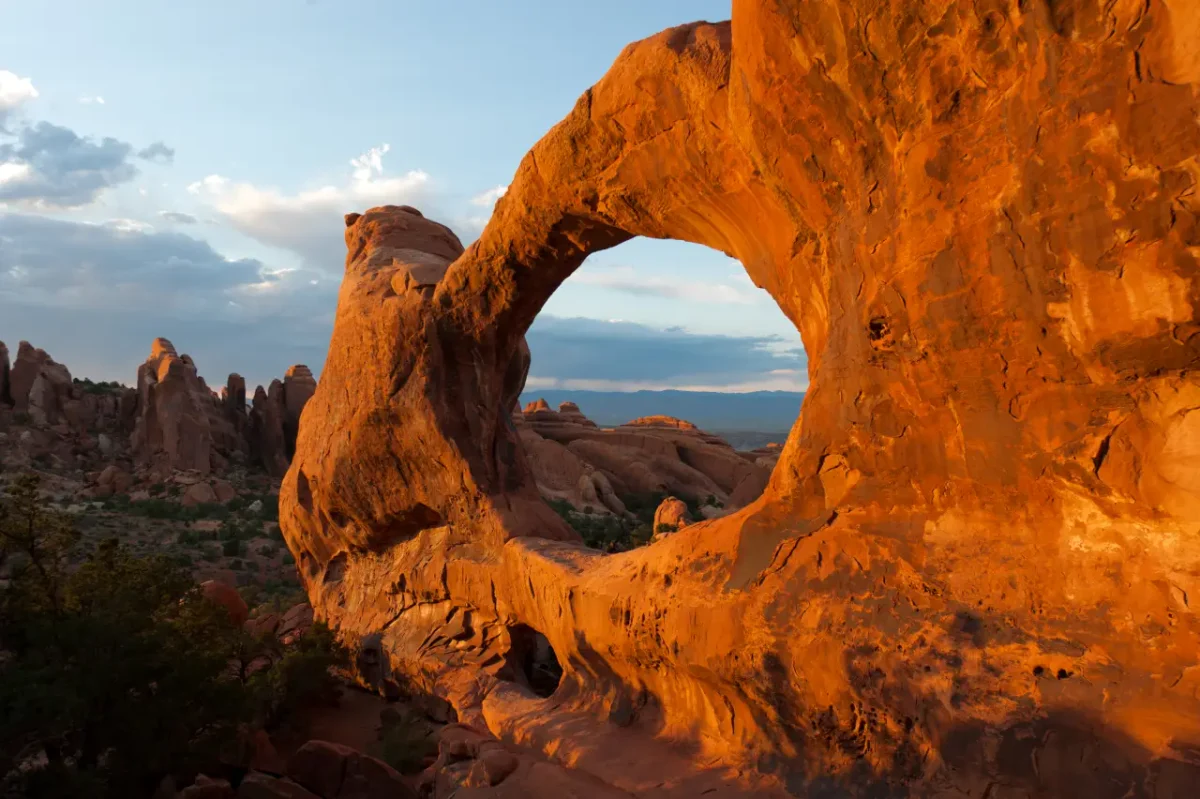
- Double Arch
- Delicate Arch or Devils Garden
Trying to complete both a substantial Devils Garden hike and Delicate Arch while also stopping everywhere along the scenic road can make the day feel rushed.
Two Days
Two days provide much better balance.
Use one day for the Delicate Arch and Windows side of the park, then devote the second to Devils Garden and the northern end of the scenic road.
This also creates room for sunrise, sunset, or a relaxed return to a favorite viewpoint without sacrificing another hike.
Three Days or More
A third day becomes worthwhile for travelers who want longer trails, photography, Fiery Furnace, stargazing, or a slower pace.
But after two full days in Arches, many visitors get more variety by using the additional time elsewhere around Moab.
Canyonlands National Park, Dead Horse Point State Park, the Colorado River corridor, and numerous 4×4 routes all provide landscapes and activities that feel different from the main Arches experience.
Before You Visit: Official NPS Planning Information
Conditions in the desert can change quickly, so check official information shortly before entering the park rather than relying on trip-planning details saved months earlier.
Useful official resources include:
- Plan your Arches National Park visit
- Check current Arches National Park alerts and conditions
- Review current Arches entrance fees and passes
- Get official directions to Arches National Park
- Download official Arches National Park maps
- Review Arches National Park safety guidance
- Review accessibility information for Arches National Park
A standard private-vehicle entrance pass currently costs $30 and is valid for seven days, but always verify current pricing before traveling.
Most importantly for anyone researching older Arches guides: there is no general timed-entry reservation requirement in 2026. A regular entrance pass is still required, while separate reservations continue for Devils Garden Campground and Fiery Furnace activities.
Best Things to Do in Arches National Park
Paid tours can add local interpretation or remove transportation hassles, but Arches is also very easy to explore independently.
Hike to Delicate Arch
Delicate Arch deserves its reputation, but it is not a roadside viewpoint.
The trail crosses exposed slickrock and has very little shade, making timing particularly important during warm weather. Sunrise offers cooler temperatures and generally easier conditions for hiking, while sunset draws visitors looking for the classic evening view.
Carry enough water and avoid underestimating the return walk after dark if staying through sunset.
Explore The Windows and Double Arch
The Windows area delivers one of the highest concentrations of impressive formations for relatively little hiking.
North Window, South Window, Turret Arch, and Double Arch can be combined into a manageable stop, making this area especially useful for families or mixed-ability groups.
It is also worth returning after dark if stargazing is part of the trip.
Walk to Landscape Arch
Landscape Arch is one of the signature formations in Devils Garden and can be reached without completing the entire primitive loop.
That makes it a good choice for visitors who want more trail time than The Windows but do not want the scrambling and exposure found deeper in Devils Garden.
Continue Through Devils Garden
Travelers looking for a more demanding hike can continue beyond Landscape Arch.
The terrain becomes more adventurous, with sections of slickrock, route-finding, scrambling, and exposure. Check current conditions and choose a turnaround point that matches the group’s comfort and experience.
Stop at Balanced Rock
Balanced Rock is one of the easiest landmarks to add to any itinerary.
It can be seen from the road, while a short trail provides different perspectives of the massive formation. This is an ideal stop when the day needs a lower-effort activity between longer hikes.
Drive the Park Road Slowly
Do not treat the scenic road as simply transportation between trailheads.
Park Avenue, Courthouse Towers, the La Sal Mountains viewpoints, Salt Valley, and the sandstone fins surrounding the road give the drive plenty of value even for travelers doing minimal hiking.
Stay After Sunset
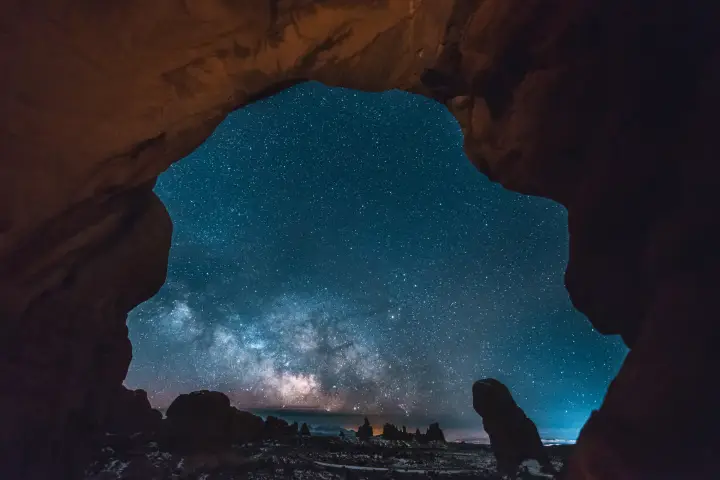
Arches is an International Dark Sky Park, making nighttime one of the most overlooked parts of a visit.
The Windows area is particularly attractive because large arches can frame the night sky, but walking after dark adds navigation challenges. Carry a headlamp and know the route before sunset.
5 Best Tours and Experiences in and Around Arches National Park
Guided experiences around Moab work best when they solve a specific problem or add something that is difficult to reproduce independently.
One tour might remove the need to plan hiking routes. Another reaches backcountry terrain requiring specialized vehicles. A rafting trip offers a complete change of pace after several days in the desert.
Here is how the five options compare.
| Experience | Best For | Duration | Starting Area | Where It Takes Place |
| The Windows Astro-Photography and Stargazing Hike | Night-sky photography | 2 hours | The Windows trailhead | Inside Arches |
| Full-Day Canyonlands and Arches 4×4 Driving Tour | Backcountry scenery | About 9 hours | Moab | Arches + Canyonlands |
| Arches National Park Private Hiking Tour | Custom guided hiking | 4 hours | Moab | Inside Arches |
| Colorado River Half-Day Rafting with Scenic Drive | Families and summer trips | 4 hours | Moab | Near Arches |
| Arches National Park Morning Adventure Tour | First-time sightseeing | 4 hours | Moab | Inside Arches |
1. Moab: The Windows Astro-Photography and Stargazing Hike
Best for: photographers and travelers who want to experience Arches after dark
Duration: 2 hours
Meeting point: The Windows parking area
Activity type: guided night hike and astrophotography
Location: inside Arches National Park
This small-group evening hike is much more specialized than a standard sightseeing tour.
The group meets inside the park at The Windows trailhead and covers roughly two miles while visiting North Window, South Window, Turret Arch, and Double Arch. The emphasis is on learning how to photograph the night sky rather than simply walking around the formations after sunset.
A guide provides red LED headlamps and tripods when needed and helps travelers work with cameras or phones. DSLR cameras or compatible lenses may also be available to rent for an extra charge.
That makes this a particularly useful experience for someone who already owns a capable camera but has never successfully photographed the Milky Way or stars around dark-sky landscapes.
The biggest logistical detail is important: transportation to The Windows and the Arches entrance pass are not included. Travelers need to get themselves into the park and meet the group at the trailhead.
The activity is also not designed for very young children, wheelchair users, or travelers with mobility limitations.
If the goal is simply to see stars, Arches can certainly be visited independently after sunset. The value here comes from combining the dark-sky setting with photography instruction and a guide who already knows how to work around the arches at night.
See available dates for the Windows astrophotography and stargazing hike.
2. From Moab: Full-Day Canyonlands and Arches 4×4 Driving Tour
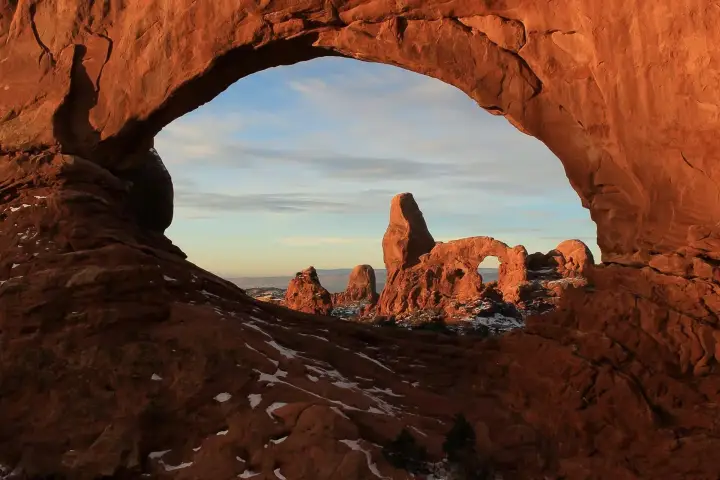
Best for: travelers who want backcountry access rather than another scenic-drive tour
Duration: about 9 hours
Starting area: Moab
Activity type: guided 4×4 tour with short walks
Location: Canyonlands and Arches National Parks
This is the most substantial experience on the list and the best choice for travelers who want to see terrain beyond the standard paved routes.
The day combines both Arches and Canyonlands in a high-clearance 4×4. In Canyonlands, the route can include the Island in the Sky area, Shafer Trail, portions of the White Rim Road, rock-art stops, and views around Musselman Arch. The Arches portion moves into backcountry terrain around formations such as Tower Arch, Eye of the Whale Arch, and the Marching Men.
A picnic lunch and short walks break up the driving.
The advantage is not simply fitting two national parks into one day. Much of the value comes from traveling roads most rental cars should not attempt and avoiding the need to make independent decisions about off-road conditions, navigation, or vehicle capability.
Expect a genuinely bumpy ride. Anyone with back or neck problems, significant motion sensitivity, or a strong preference for smooth sightseeing should consider one of the conventional Arches tours instead.
For active travelers who already plan to drive the main Arches road independently, however, this tour offers the greatest contrast with what they can easily do on their own.
Check current availability for the full-day Canyonlands and Arches 4×4 tour.
3. Moab: Arches National Park Private Hiking Tour
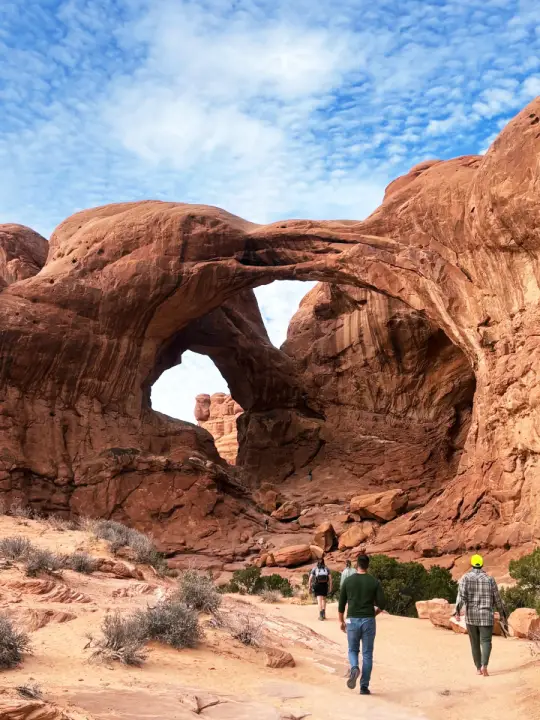
Best for: couples, families, and small groups wanting a customized hiking day
Duration: 4 hours
Starting area: Moab, with pickup
Activity type: private guided hiking
Location: inside Arches National Park
This tour makes the most sense for travelers who want a guide but do not want to follow a fixed large-group itinerary.
It is currently offered as a private four-hour tour, with pickup in Moab and a route that can be adjusted to the group. Possible stops include Park Avenue, Double Arch, Balanced Rock, Delicate Arch, Sand Dune Arch, and Devils Garden. Which locations fit into the four hours depends on hiking speed and the priorities selected for the day.
That flexibility is the main reason to book it.
A family that wants shorter walks can spend more time around The Windows and easy viewpoints. Strong hikers can build more of the outing around Delicate Arch or Devils Garden. The guide also adds interpretation of the park’s geology, ecology, and history rather than simply providing transportation.
Pickup and water refills are included, but park admission is not included, so factor the entrance cost or an eligible park pass into the plan.
This is less compelling for visitors who already know exactly which trails they want to hike and are comfortable navigating independently. For a first visit, though, having a private guide can help turn four hours into a focused itinerary instead of spending part of the morning deciding where to go next.
Review available dates for the private Arches National Park hiking tour.
4. Moab: Colorado River Half-Day Rafting with Scenic Drive
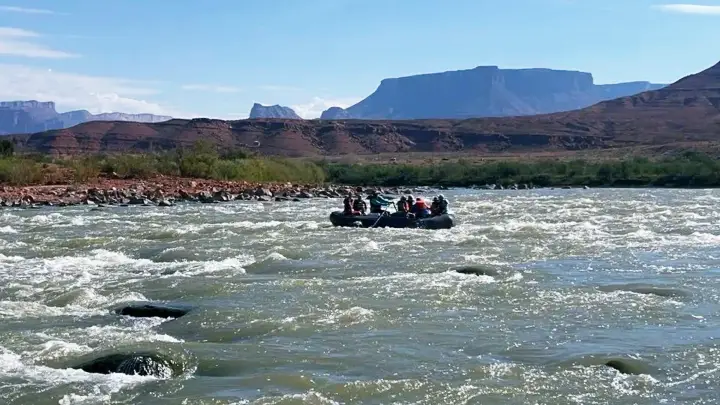
Best for: families and travelers wanting a break from hiking
Duration: 4 hours
Starting area: downtown Moab
Activity type: rafting and scenic drive
Location: Colorado River near Arches National Park
This is the one experience on the list that does not take place inside Arches National Park, which is exactly why it can fit well into a Moab itinerary.
The trip begins with a scenic drive along Highway 128 before continuing onto the Colorado River. The rafting portion covers roughly five to seven miles and mixes calmer water with several rapids that can range from Class I to III depending on seasonal river conditions. Swimming may also be possible during calmer sections.
Transportation from the Moab meeting point, a professional guide, paddles, flotation equipment, snacks, water, and a dry bag are included. Wetsuits, splash gear, and river footwear may be available to rent.
The minimum age is five, and children must weigh at least 50 pounds. Non-swimmers can participate with flotation devices but should tell the guide beforehand.
This tour is particularly appealing on a multi-day Moab trip. After a morning or full day of sandstone trails, four hours on the Colorado River changes both the scenery and the type of activity.
It can also be useful during warmer months when spending every afternoon on exposed hiking trails becomes less attractive.
Compare dates for the Colorado River half-day rafting trip.
5. Moab: Arches National Park Morning Adventure Tour
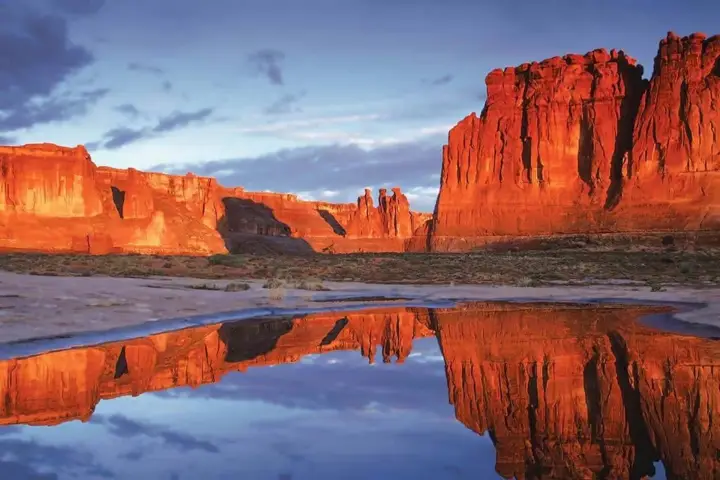
Best for: first-time visitors who want a straightforward introduction to Arches
Duration: 4 hours
Starting area: Moab Adventure Center
Activity type: sightseeing with guided short hikes
Location: inside Arches National Park
For travelers who want to see Arches without building their own half-day itinerary, this is the easiest option to understand.
The four-hour morning tour combines driving through the park with several short guided hikes. Transportation uses a bus or Sprinter van depending on group size, and the vehicles are designed with large windows for sightseeing between stops.
Snacks, water, guided hikes, and the park entrance fee are included. Pickup may also be available depending on the booking option.
The morning departure is particularly useful in warmer weather because much of the activity happens before afternoon temperatures peak.
It is also a good fit for travelers who have only one day in Moab and would rather spend a few hours seeing several landmarks than commit most of the day to one long hike.
Do not confuse this with a fully sedentary bus tour. Short guided hikes are part of the experience, and the activity is not listed as suitable for wheelchair users or children under five.
Travelers who enjoy independent hiking may prefer to use their own vehicle and spend longer at each stop. But for a simple introduction—with transportation, park entry, water, and guiding handled together—this is one of the most practical choices.
See available dates for the Arches National Park Morning Adventure Tour.
How to Choose the Right Experience
The five tours solve very different travel-planning problems, so the best choice depends less on which one looks most dramatic and more on what the itinerary is missing.
Choose the Morning Adventure Tour if this is a first visit and the priority is seeing several Arches highlights without worrying about driving or parking.
Choose the Private Hiking Tour when having control over pace and trail selection matters more than covering a preset itinerary.
Choose the 4×4 combo tour if the paved scenic road already feels easy to explore independently and the goal is to reach more remote terrain in both Arches and Canyonlands.
Choose the astrophotography hike if daytime sightseeing is already covered and adding a completely different nighttime experience sounds more valuable than another conventional tour.
Choose the Colorado River rafting trip if the itinerary already contains several days of hiking and needs something active but different—particularly during warmer weather.
There is no need to book a tour simply because Arches is busy. Much of the park is perfectly manageable independently.
A guided experience becomes most worthwhile when it provides specialized knowledge, customized hiking, transportation, backcountry access, or an activity that would otherwise require additional equipment and planning.
Frequently Asked Questions
What is the best month to visit Arches National Park?
April, May, September, and October are among the best choices for hiking because temperatures are generally more comfortable than in midsummer.
There is no single perfect month, though. Spring and fall bring heavier visitation, while winter offers fewer crowds but colder and less predictable trail conditions.
Do you need a reservation to enter Arches National Park in 2026?
No. Arches National Park is not requiring advance timed-entry reservations in 2026.
Visitors may enter during operating hours, although congestion can still cause parking limitations or temporary traffic management. Reservations remain required for Devils Garden Campground and Fiery Furnace hikes.
How many days do you need in Arches?
Plan two full days for a comfortable first visit.
One day works for the major highlights, while two days provide enough time for a longer hike plus The Windows, Devils Garden, scenic stops, and a sunset or evening experience.
Is Arches National Park worth visiting if you do not hike?
Yes.
Many formations and viewpoints can be reached directly from the park road or with short walks. Park Avenue, Balanced Rock, The Windows area, and multiple roadside viewpoints make Arches one of the easier Utah national parks to enjoy without committing to long hikes.
Can you visit Arches without a car?
It is possible, but significantly easier with arranged transportation or a guided tour.
There is no park-wide public shuttle system that functions like the shuttle systems found at parks such as Zion. Several Moab-based guided tours provide transportation into Arches, which can remove the need for a rental car for part of the trip.
Are Arches National Park tours worth it?
They can be, especially when they add something beyond basic transportation.
A private guide can tailor trails to a group. A 4×4 tour provides access to terrain most visitors should not attempt in a regular rental vehicle. An astrophotography guide can help with night photography. A sightseeing tour removes much of the logistical work from a first visit.
Travelers comfortable planning their own hikes and driving the main scenic road do not need a guided tour simply to see Arches.
Is Arches too hot in summer?
It can be extremely hot.
The NPS notes that temperatures in July and August often exceed 100°F and recommends shifting outdoor activity to cooler periods of the day. Carry plenty of water, use sun protection, and avoid building an itinerary around strenuous midday hiking.
What should you combine with Arches National Park?
Canyonlands National Park is the most obvious companion, but it is not the only option.
Dead Horse Point State Park, the Colorado River corridor, scenic Highway 128, and numerous guided rafting and 4×4 experiences make Moab a destination worth several days even after the main Arches highlights are complete.
Final Thoughts
The best time to visit Arches National Park depends on what matters most once the hiking boots hit the trail.
For the easiest overall conditions, spring and fall remain the strongest choices. Summer can still work with early starts and careful heat management, while winter rewards flexible travelers with dramatically lower crowd levels.
Two days gives most first-time visitors enough time to enjoy Delicate Arch, The Windows, Devils Garden, Balanced Rock, and the scenic road without turning the trip into a race between trailheads.
And for 2026, trip planning is simpler in one important respect: advance timed-entry reservations are not required. That does not eliminate crowds, so early starts and flexible backup plans remain useful during peak periods.
The five guided experiences also serve very different purposes. The morning tour provides an easy introduction. The private hiking tour emphasizes flexibility. The 4×4 tour goes beyond paved roads. The astrophotography hike opens up the park after dark. The Colorado River trip adds something completely different to a Moab itinerary.
Choose the experience that fills a real gap in the trip rather than trying to fit every activity into one visit—and always check official park conditions shortly before heading into the desert.
Disclaimer: This post is for informational purposes only. Always check official park regulations, permits, road conditions, closures, and weather before planning or booking any activity.
Affiliate Disclosure: ChaseTheBigDream.com participates in affiliate programs, including GetYourGuide and other trusted partners. When you book or purchase through qualifying links, the site may earn a small commission at no extra cost to you. These partnerships help support the creation and maintenance of independent travel guides.