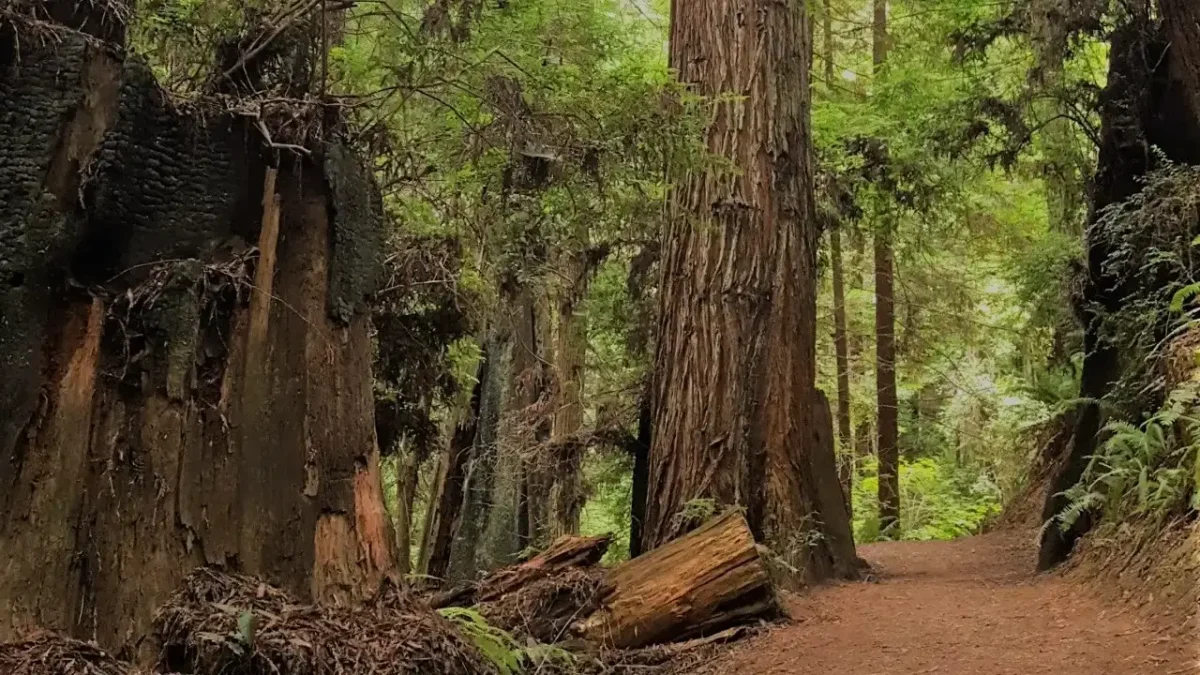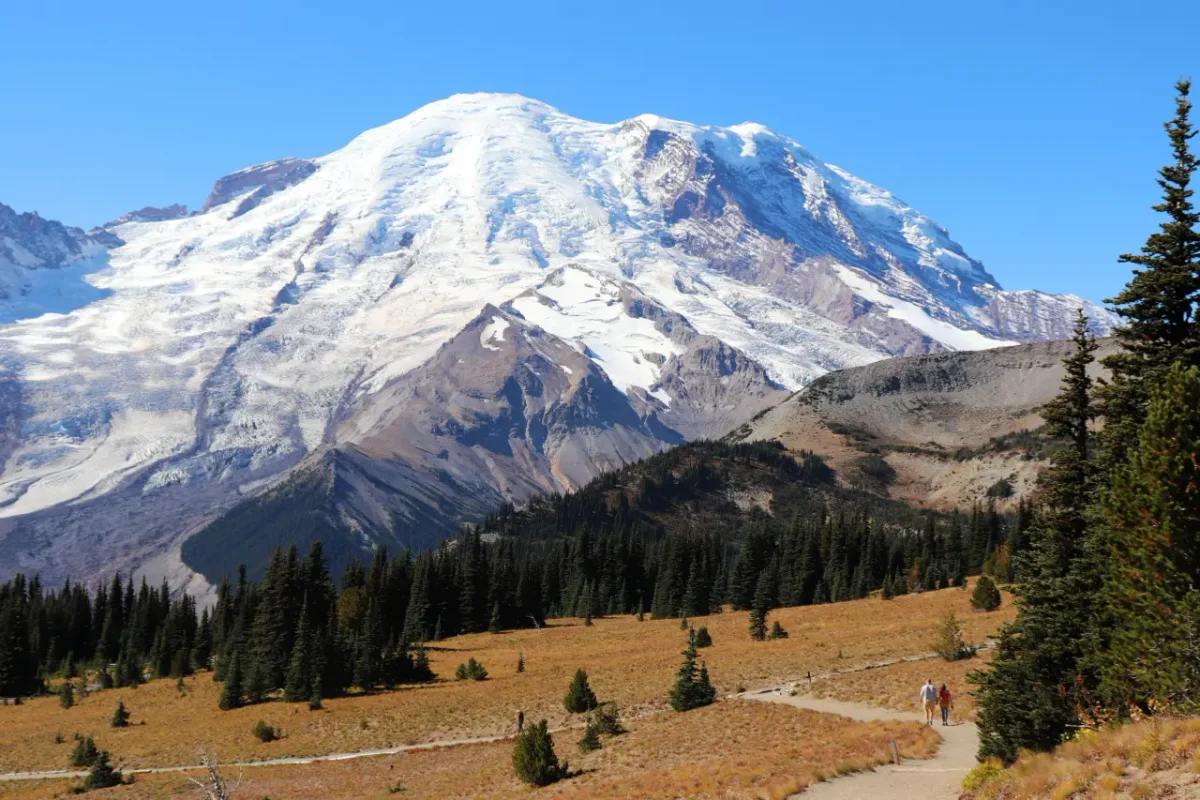
For most travelers, the best time to visit Mount Rainier National Park is from mid-July through early September, when high-elevation roads and trails are typically at their most accessible and the mountain’s famous subalpine meadows come alive with wildflowers. The park’s wildflower timing varies with snowpack and weather, but many blooms usually appear by mid-July, with impressive displays commonly continuing into August.
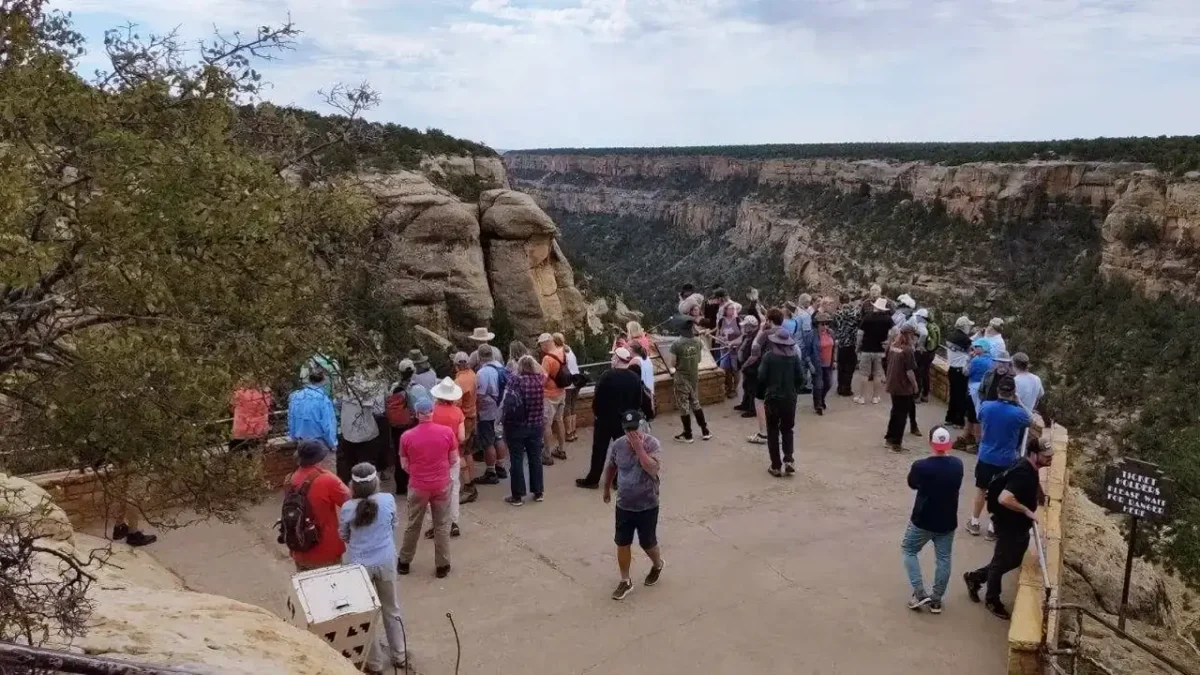
Summer also brings Mount Rainier’s biggest challenge: crowds. Parking is limited around popular areas such as Paradise and Sunrise, and entrance waits can become significant on busy weekends.
One important planning change for 2026 is that Mount Rainier National Park does not require timed-entry reservations anywhere in the park. Instead, visitors should plan around parking availability, entrance congestion, road conditions, and any temporary closures.
This guide covers when to visit, what each season is really like, how long to stay, the best things to do independently, and five guided Mount Rainier experiences for travelers who would rather leave some of the driving, hiking logistics, or trip planning to a local guide.
Mount Rainier National Park at a Glance
| Best Overall Time to Visit | Mid-July through early September |
| Best Time for Hiking | Late July through September, depending on snow and trail conditions |
| Best Time for Wildflowers | Usually mid-July through August |
| Best Time for Fewer Crowds | Weekdays and early September |
| Suggested Trip Length | 2–3 days |
| Best-Known Areas | Paradise, Sunrise, Longmire |
| Nearest Major Airport | Seattle-Tacoma International Airport (SEA) |
| Timed Entry in 2026 | Not required |
| Official Park Website | Mount Rainier National Park |
Best Time to Visit Mount Rainier National Park
If this is a first trip and the goal is to hike, see wildflower meadows, reach the park’s higher elevations, and have the widest choice of things to do, late July through August is the safest bet.
July and August are Mount Rainier’s busiest months, but there is a reason so many travelers arrive then. Snow has usually retreated from many popular trails, days are long, visitor facilities are operating, and the chances of reaching places such as Paradise and Sunrise are generally much better than during the shoulder seasons.
Wildflowers are another major draw. Their timing cannot be predicted precisely, but the National Park Service notes that many flowers typically bloom by mid-July and that meadows are often particularly impressive by early August.
The tradeoff is congestion.
The park warns that summer parking is limited and entrance waits can exceed an hour on especially busy weekends and holidays. Visiting midweek and avoiding the busiest part of the day can make a noticeable difference.
For travelers who want a little more breathing room, early September can be an excellent compromise. Summer access often continues, but family vacation traffic tends to ease after Labor Day. Temperatures begin dropping, daylight shortens, and changing weather becomes a bigger consideration, so flexibility is important.
No matter which month you choose, treat road and trail access as something to verify shortly before the trip rather than something guaranteed by the calendar.
Mount Rainier National Park by Season
Spring
Spring arrives slowly at Mount Rainier.
Lower elevations begin to thaw while Paradise and other high-elevation areas may still look decidedly wintery. Snow can remain on trails well into June or even July, so a sunny day in the lowlands does not necessarily mean summer hiking conditions higher on the mountain.
This can still be a rewarding season if expectations are realistic. Snowmelt feeds waterfalls, lower-elevation forests turn greener, and crowds are generally lighter than in midsummer.
The biggest limitation is access. Seasonal roads and trails may still be closed or snow-covered, and hiking plans often need to change with conditions.
Best for: repeat visitors, lower-elevation exploring, waterfalls, photography, and travelers comfortable adjusting plans around snow.
Summer
Summer provides the broadest range of classic Mount Rainier experiences.
This is when visitors come for Paradise meadows, high-country hiking, scenic drives, waterfalls, wildlife, and expansive views across the Cascades. July and August are also the park’s busiest months.
A summer trip works especially well for first-time visitors because it gives you the best chance of combining different parts of the park instead of being restricted to lower-elevation areas.
That does not mean every road will always be open. Fires, construction, storms, rockfall, and other temporary hazards can affect access even during peak season. For example, road status can change during the season, so checking conditions shortly before leaving is essential.
Best for: first-time visitors, hikers, families, wildflower trips, scenic drives, and travelers who want the widest selection of activities.
Fall
Fall trades some of summer’s predictability for cooler weather, thinner crowds, and changing colors.
September is particularly attractive because many summer activities may still be possible while visitation begins to ease. Later in the season, however, snow and freezing conditions can quickly affect high-elevation roads.
By October and November, a trip becomes much more dependent on the weather forecast and current road status than on a fixed itinerary.
Fall is a good time to keep plans simple. Instead of trying to cover the entire park, choose one accessible area and build the day around current conditions.
Best for: photographers, repeat visitors, hikers seeking quieter trails, and flexible road trippers.
Winter
Mount Rainier remains open year-round, but winter is an entirely different kind of visit.
Vehicle access becomes much more restricted, with the Nisqually side providing the primary winter approach. Snowshoeing and other winter activities replace much of the traditional summer hiking.
Between November 1 and May 1, all vehicles traveling in the park are required to carry properly fitting tire chains, including four-wheel-drive and all-wheel-drive vehicles.
The Longmire-to-Paradise road is weather-dependent in winter and may operate under limited schedules or close because of conditions. Always check the current NPS road report rather than assuming Paradise will be reachable.
Best for: snowshoeing, snowy landscapes, experienced winter travelers, and anyone comfortable with weather-driven itinerary changes.
How Many Days Do You Need in Mount Rainier National Park?
One day is enough for a good introduction, but trying to see every major area usually turns the day into a long sequence of driving and parking.
For a first one-day visit, concentrating on Paradise and the southwest side makes sense. Short walks, waterfalls, overlooks, and part of the Skyline Trail can fill the day without constantly moving the car.
A guided day trip from Seattle is another practical option when transportation is the bigger problem than time.
Two days gives the trip much better balance. One day can focus on Paradise, while the second can be used for another part of the park if roads are open. This also makes it easier to fit in a real hike instead of limiting every stop to a short viewpoint visit.
Three days is a comfortable amount of time for hikers or travelers who want some weather flexibility. Mountain visibility can change dramatically from one day to another, so an extra day also increases the odds of catching Rainier without clouds covering the summit.
Before You Visit: Official NPS Planning Information
Mount Rainier is a place where conditions matter more than a rigid itinerary. Roads, trails, fires, snow, construction, and weather can all change what is practical on a given day.
Before leaving for the park, check:
- Mount Rainier National Park official website
- Current Mount Rainier road status
- Current trail and backcountry conditions
- Mount Rainier entrance fees and passes
- Operating hours and seasonal access
- Directions and transportation information
- Official Mount Rainier maps
- Mount Rainier safety information
- Accessibility information
Do You Need Timed Entry for Mount Rainier in 2026?
No.
Mount Rainier National Park is not using timed-entry reservations in 2026. The park announced the decision on February 25, 2026 and is managing peak visitation through parking and congestion strategies instead.
That does not eliminate the need to plan ahead. Busy summer days can still mean crowded entrance stations and full parking areas.
Best Things to Do in Mount Rainier National Park
Guided tours can simplify transportation and logistics, but much of Mount Rainier is best experienced independently.
1. Hike the Skyline Trail at Paradise
The Skyline Trail is one of the park’s signature hikes.
The complete loop is approximately 5.5 miles with 1,700 feet of elevation gain, and the NPS estimates about 4.5 hours for the full hike. It climbs from Paradise through subalpine terrain toward Panorama Point before looping back.
You do not have to complete the entire route to enjoy Paradise. Several shorter trails leave from the same general area, making this an easy place to adapt the day to fitness, weather, and available time.
2. Explore the Sunrise Area
When accessible, Sunrise puts visitors high into Mount Rainier’s subalpine landscape with trailheads, glacier views, and a very different perspective from Paradise.
It is particularly attractive for hikers because multiple routes start from the area, ranging from easier walks to longer outings into exposed alpine terrain.
Seasonal access is important here. Sunrise Road does not remain open year-round, and temporary closures can occur even during summer. Always check road status before building a day around it.
3. Stop at Reflection Lakes
Reflection Lakes is one of the park’s classic roadside landscapes.
When the water is still and the mountain is visible, the lake can reflect Mount Rainier almost perfectly. Early morning generally offers the calmest conditions and softer light.
Because visibility changes quickly around the mountain, treat the stop as a bonus rather than structuring an entire day around getting a particular photograph.
4. Explore Longmire
Longmire provides a useful contrast to Rainier’s high-country scenery.
Its historic district, forest environment, visitor services, and lower elevation make it particularly useful during seasons when access higher on the mountain is limited.
The short Trail of the Shadows is a convenient option for travelers who want an easy walk rather than another strenuous hike.
5. See Christine Falls and Narada Falls
You do not need a long hike to enjoy Mount Rainier’s waterfalls.
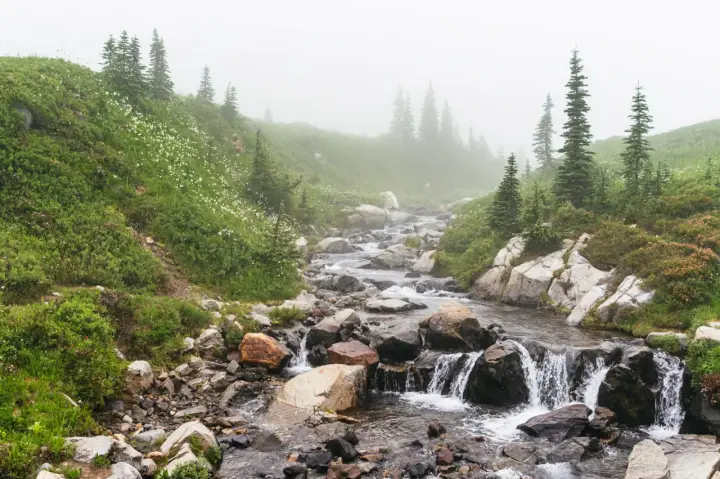
Christine Falls and Narada Falls are two convenient stops along the route toward Paradise, making them easy additions to a sightseeing day.
Spring snowmelt can make waterfalls especially powerful, while summer access makes them easy to combine with Paradise hiking.
6. Watch for Wildlife — From a Distance
Hoary marmots are among the animals most commonly associated with Mount Rainier’s subalpine meadows, particularly during summer.
Other wildlife may appear throughout the park, but sightings should never become a reason to approach or surround an animal.
Give wildlife plenty of space and follow current park guidance.
5 Best Tours and Experiences in and Around Mount Rainier National Park
A guided experience is most useful when it solves a specific travel problem.
For some visitors, that problem is getting from Seattle to Mount Rainier without renting a car. For others, it is choosing and navigating a hike, traveling with a private group, or seeing the mountain from a completely different perspective.
These five experiences cover distinctly different trip styles.
| Experience | Best For | Duration | Starting Area | Style | Location |
| From Seattle: Mount Rainier National Park Guided Tour | First-time visitors | 11 hours | Seattle | Sightseeing | Inside the park |
| Private Mt Rainier National Park Day Tour Glacier Waterfalls | Small private groups | 8 hours | Pickup arranged | Private sightseeing | Inside the park |
| Mt. Rainier Sunset Balloon Ride with Champagne | Scenic aerial experience | 2.5 hours | Seattle-area meeting point | Hot-air balloon | Outside the park |
| Mount Rainier: Day Hike on the Mountain | Strong hikers | Full day | Seattle | Guided hiking | Inside the park |
| Mount Rainier Park All-Inclusive Small Group Tour | Hiking + convenience | 10.5 hours | Seattle | Guided hiking/sightseeing | Inside the park |
1. From Seattle: Mount Rainier National Park Guided Tour
Best for: First-time visitors who want to see the park without driving
Duration: 11 hours
Starting area: Seattle
Activity type: Guided sightseeing
Location: Inside Mount Rainier National Park
This is the most straightforward option for someone staying in Seattle who wants a full Mount Rainier day without renting a car.
The current tour uses an air-conditioned minibus and includes a local guide and Mount Rainier entrance fee. Rather than focusing on one long hike, the day combines driving with multiple opportunities to get out, walk, and explore.
That makes it a better fit for travelers who want an overview of the park than for someone whose main goal is spending six hours on a trail.
Seasonal conditions influence exactly what the group can reach. During shoulder months, some park roads may be inaccessible, and the route can change with weather and traffic.
Food and drinks are available to purchase rather than included, so bringing or buying lunch should be part of the plan. The current listing also notes that the experience is not suitable for people with certain mobility limitations.
Why it may be worth booking: Transportation and park entry are handled, and the varied stops make it easier to see several landscapes in one day without managing a rental car or unfamiliar mountain roads.
See available dates and review the complete Mount Rainier guided tour.
2. Private Mt Rainier National Park Day Tour Glacier Waterfalls
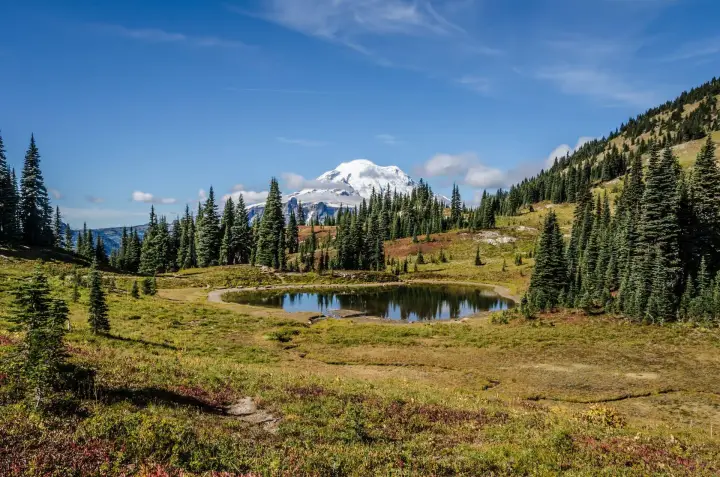
Best for: Families, couples, and small groups wanting a private vehicle
Duration: 8 hours
Starting area: Pickup arranged after booking
Activity type: Private sightseeing
Location: Inside Mount Rainier National Park
This experience trades the shared-bus format for a private air-conditioned vehicle and a group size of up to six participants.
The current itinerary centers on classic Mount Rainier scenery, including waterfall stops such as Christine Falls and Narada Falls and time around Paradise Valley when accessible.
Pickup and drop-off, a professional guide, park admission, bottled water, Wi-Fi, and photography assistance are listed as included. Lunch is not included.
The advantage is not simply privacy. A small private format can be especially useful when different people in the group move at different speeds or when the priority is photography and scenic stops rather than a demanding hike.
This is still an active national park day rather than door-to-door luxury sightseeing. The listing indicates that the activity is not suitable for travelers with mobility impairments.
Why it may be worth booking: Groups that would otherwise rent a vehicle can combine transportation, guiding, and private sightseeing in a single reservation while avoiding the pacing of a larger tour.
Check current prices and availability for the private Mount Rainier tour.
3. Seattle: Mt. Rainier Sunset Balloon Ride with Champagne
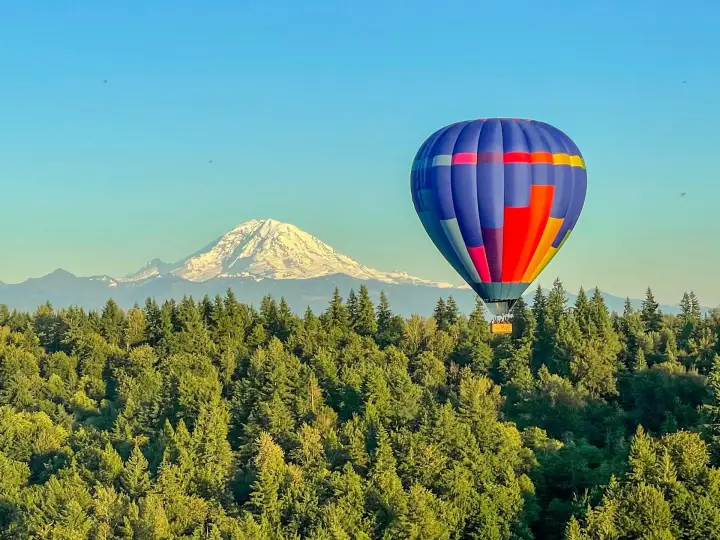
Best for: Couples, photographers, celebrations, and travelers wanting something beyond a park tour
Duration: 2.5 hours
Activity type: Hot-air balloon flight
Location: Outside Mount Rainier National Park
This experience needs one important distinction: it is not a tour inside Mount Rainier National Park.
Instead, the balloon flight offers aerial views toward Mount Rainier, the Cascades, and the wider Puget Sound region from outside the park. The current listing describes flights reaching roughly 3,000 to 5,000 feet above the ground.
The experience lasts about 2.5 hours and includes a post-flight champagne toast, water, and return transportation to the participant’s vehicle. Hotel pickup is not included.
Hot-air ballooning is highly dependent on weather, which means this is better treated as an addition to a regional trip rather than the only Mount Rainier-related activity on the itinerary.
There are also participation restrictions. The current listing excludes children under five, pregnant travelers, people with certain mobility limitations or recent surgeries, and participants above the provider’s stated weight limit.
Why it may be worth booking: It provides a perspective of Mount Rainier that no roadside viewpoint or hiking trail can reproduce, while leaving the rest of the day available for another activity.
Review the Mt. Rainier sunset balloon experience and available dates.
4. Mount Rainier: Day Hike on the Mountain
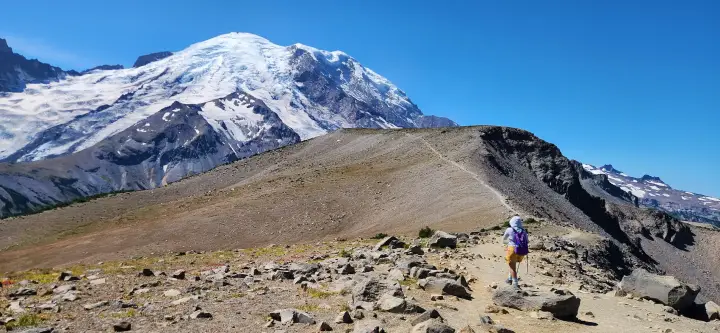
Best for: Active travelers who want the day centered on hiking
Duration: Full day
Starting area: Seattle
Activity type: Guided hiking
Location: Inside Mount Rainier National Park
This is the most hiking-focused option of the five.
The current itinerary centers on the Burroughs Mountain area from Sunrise, with the route adaptable to approximately 4, 6, or 9 miles depending on participants and conditions. The terrain sits around 6,500 feet and can include uneven ground and lingering snow.
Transportation from Seattle, park entrance fees, trekking poles, backpacks, lunch, snacks, and an experienced guide are included. Group size is limited to five participants.
That small-group format matters on a hike more than it does on a scenic drive. It allows the guide to adjust the outing around pace and fitness rather than forcing everyone into the same mileage.
This is not a good choice for visitors looking for an easy introductory stroll. The listing excludes children under 12 and travelers with mobility impairments or heart problems, and participants should be comfortable spending hours hiking at elevation.
Seasonal access to Sunrise also means the outing depends on current park conditions.
Why it may be worth booking: Strong hikers can spend their park time actually hiking while a guide handles transportation, equipment, route decisions, and lunch.
Compare availability for the Mount Rainier guided hiking day.
5. Seattle: Mount Rainier Park All-Inclusive Small Group Tour
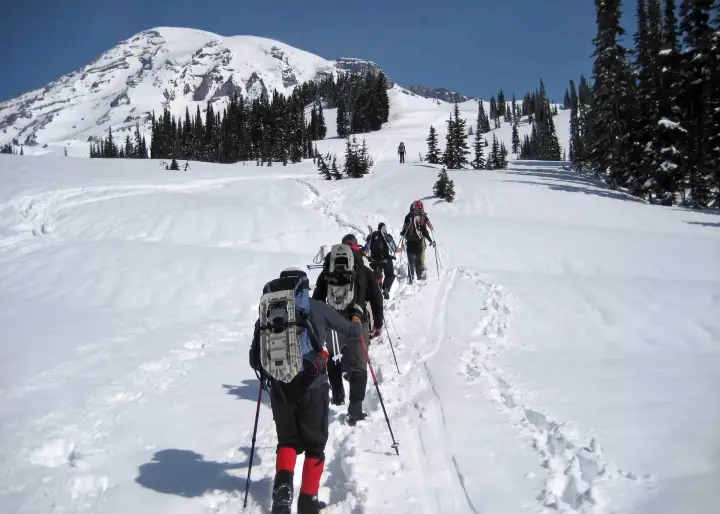
Best for: Travelers who want hiking without organizing food, transportation, and gear
Duration: 10.5 hours
Starting area: Downtown Seattle, with other pickup options available by arrangement
Activity type: Guided walking and hiking
Location: Inside Mount Rainier National Park
This tour sits between a traditional sightseeing trip and the dedicated hiking experience above.
The current itinerary includes multiple blocks of guided walking or hiking inside the park, along with a lunch stop. Depending on snow levels, walking may become snowshoeing.
The package includes transportation in a passenger van, a naturalist guide, park entrance fees, coffee or tea, snacks, refreshments, a seasonal catered picnic, and snowshoes when needed.
That makes it particularly convenient for visitors who do not want to think about packing lunch, finding equipment, or planning several separate stops.
The group is limited to ten participants. The current listing states that the activity is not suitable for children under ten or wheelchair users.
Why it may be worth booking: It combines a meaningful amount of time on foot with the convenience of transportation, meals, park fees, and seasonal equipment already organized.
See current dates and details for the all-inclusive Mount Rainier small-group tour.
How to Choose the Right Experience
Choose the From Seattle: Mount Rainier National Park Guided Tour if the priority is seeing the park rather than completing a serious hike. It is the easiest general introduction for first-time visitors without a car.
Choose the Private Mt Rainier National Park Day Tour when traveling with a family or small group that values privacy and a more flexible pace.
Choose the Sunset Balloon Ride only if the goal is an aerial experience with Mount Rainier views. It complements a national park visit rather than replacing one.
Choose the Mount Rainier: Day Hike on the Mountain if hiking is the reason for going and the group is comfortable with mileage, elevation, and uneven terrain.
Choose the All-Inclusive Small Group Tour for the middle ground: plenty of walking and hiking, but with food, transportation, park fees, and seasonal equipment handled in advance.
Frequently Asked Questions
What is the best month to visit Mount Rainier National Park?
August is one of the safest choices for a first visit, especially when hiking and high-elevation access are priorities.
Late July can be excellent for wildflowers, while early September may provide many of the same hiking opportunities with somewhat lighter crowds.
Do you need a reservation to enter Mount Rainier National Park in 2026?
No. Mount Rainier National Park does not require timed-entry reservations in 2026.
Entrance congestion and full parking lots can still affect summer visits, so arriving with alternative plans is worthwhile.
How many days do you need in Mount Rainier?
Two to three days works well for most first-time visitors.
One day can cover a major area such as Paradise, while two or three days provide more room for hiking, additional park areas, and changing mountain weather.
Can you visit Mount Rainier without a car?
Independent travel is considerably easier with a vehicle because the park is large and public transportation inside the park is limited.
Travelers staying in Seattle can avoid renting a car by booking a guided day tour that includes round-trip transportation.
How difficult is the Skyline Trail?
The full Skyline Trail is 5.5 miles round trip with about 1,700 feet of elevation gain, and the NPS estimates approximately 4.5 hours.
Shorter Paradise trails are available for visitors who do not want to complete the entire loop.
Can you visit Mount Rainier in winter?
Yes, but winter access is far more limited than summer access.
Road conditions can change quickly, and all vehicles must carry tire chains when traveling in the park between November 1 and May 1.
Always check current road status immediately before driving into the park.
Final Thoughts
The best time to visit Mount Rainier National Park depends less on finding a single perfect month than on matching the season to the experience you want.
For a first trip built around hiking, wildflowers, scenic drives, and access to the high country, late July through August remains the strongest overall window. Early September can be an appealing alternative when lower crowds matter more than catching peak wildflowers.
The biggest summer challenge in 2026 is not timed entry—there is none—but traffic, parking, and changing access conditions. Building some flexibility into the itinerary is far more useful than trying to schedule every hour in advance.
And while a car gives independent travelers the most freedom, a guided Mount Rainier tour can make a great deal of sense from Seattle. The best choice depends on whether the day should emphasize easy sightseeing, private transportation, serious hiking, an all-inclusive outing, or simply seeing the mountain from a perspective that would be difficult to arrange independently.
Above all, check current NPS road, trail, weather, and safety information shortly before the trip. At Mount Rainier, conditions on the mountain will always have the final say.
Disclaimer: This post is for informational purposes only. Always check official park regulations, permits, road conditions, closures, and weather before planning or booking any activity.
Affiliate Disclosure: ChaseTheBigDream.com participates in affiliate programs, including GetYourGuide and other trusted partners. When you book or purchase through qualifying links, the site may earn a small commission at no extra cost to you. These partnerships help support the creation and maintenance of independent travel guides.