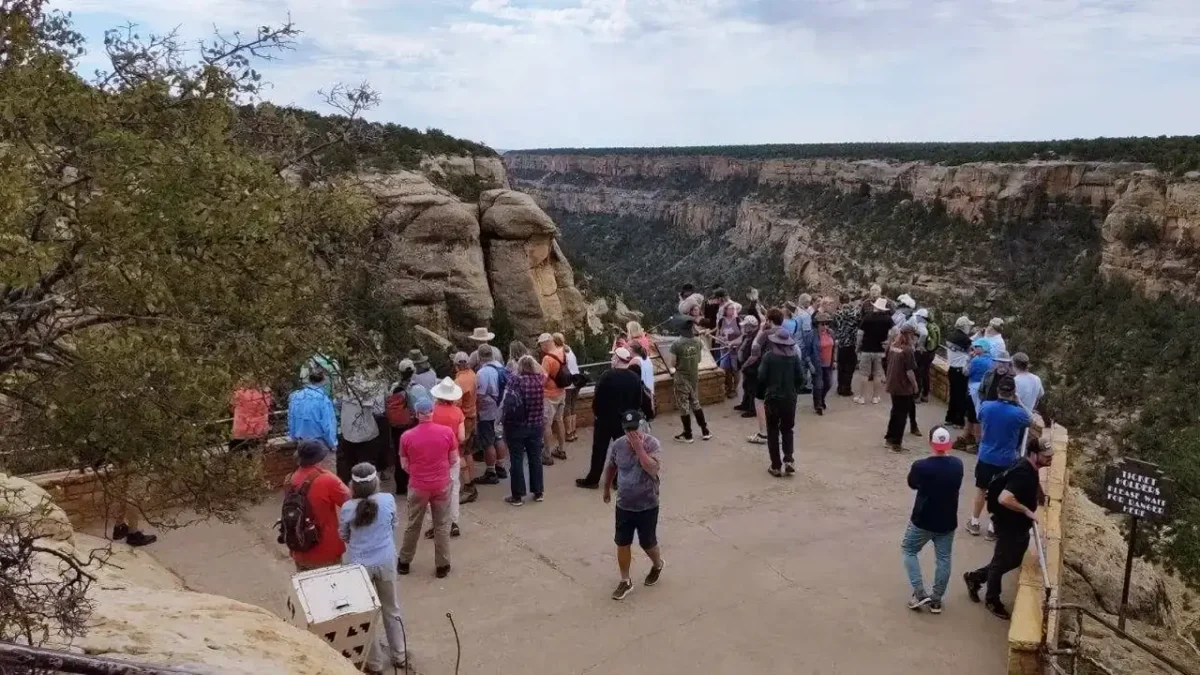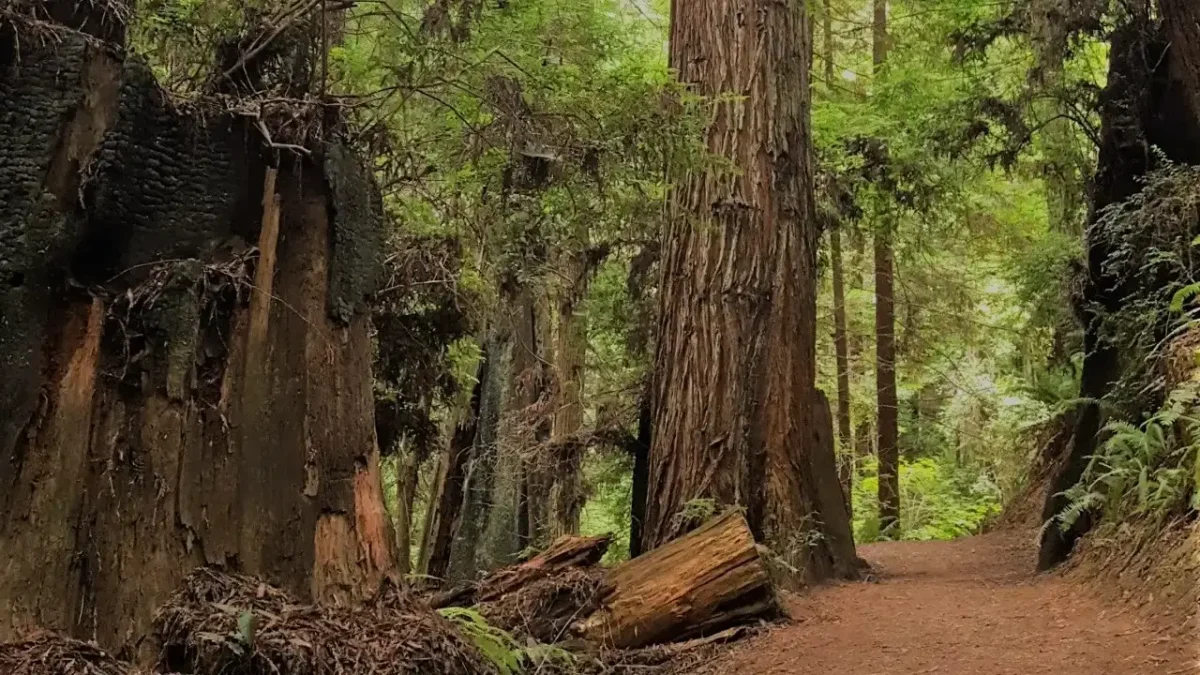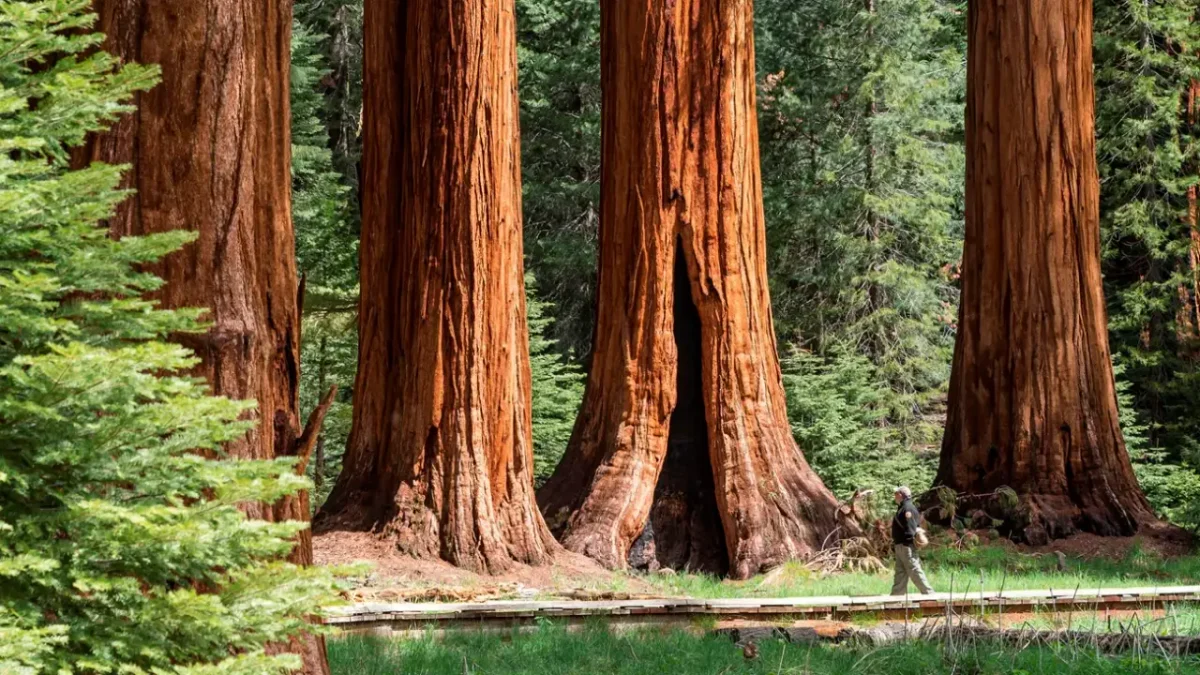
The best time to visit Sequoia National Park is from July through September, when the high-elevation sequoia groves, hiking trails, and most seasonal roads are generally accessible. July and August offer the most dependable access but also bring the largest crowds. For a better balance of comfortable hiking weather and lighter visitation, September is especially appealing.
Sequoia National Park protects some of the largest trees on Earth, including the General Sherman Tree, but visiting is about more than checking off famous sequoias. Elevation changes dramatically across the park, mountain roads are slow and winding, and conditions can be completely different between the foothills and Giant Forest.
This guide covers the best time to visit Sequoia National Park, what each season is like, how many days to spend, the best things to do independently, and five guided Sequoia National Park tours and experiences worth comparing.
Sequoia National Park at a Glance
| Best Overall Time to Visit | July–September |
| Best Balance of Access & Crowds | September |
| Best Time for Hiking | July–September |
| Best for Snowy Scenery | Winter |
| Suggested Trip Length | 2–3 days |
| Main Gateway | Three Rivers |
| Nearest Major Regional Airport | Fresno Yosemite International Airport (FAT) |
| Official Park Website | Sequoia & Kings Canyon National Parks |
Sequoia and neighboring Kings Canyon National Park are managed together, so official planning information frequently covers both parks. The parks remain open 24 hours a day throughout the year, but winter storms and seasonal closures can restrict access to individual roads and areas.
Best Time to Visit Sequoia National Park
For most first-time visitors, July through September provides the simplest trip.
Summer brings the most reliable access to Giant Forest, Lodgepole, Moro Rock, Crescent Meadow, and the higher elevations. It is also when lodging, campgrounds, ranger programs, and visitor services are most widely available.
The tradeoff is traffic and competition for parking around places such as the General Sherman Tree and Giant Forest. Starting the day early becomes much more important during summer weekends and holidays.
September may be the strongest overall choice for travelers with flexible dates. Days can still be comfortable for hiking, while visitor numbers generally ease after the peak summer period. Nights begin cooling as fall approaches, and mountain weather becomes less predictable, so checking conditions shortly before the trip remains essential.
Winter offers an entirely different experience. Snow can cover the sequoia groves, visitor numbers drop dramatically, and snowshoeing may replace hiking. Tire-chain controls and temporary road closures can also become part of the trip. The National Park Service notes that tire chains may be required on park roads whenever winter conditions develop.
Sequoia National Park by Season
Spring
Spring is one of Sequoia’s most variable seasons.
Lower elevations around the foothills can feel warm and green while Giant Forest is still dealing with snow. This elevation difference means a single day can involve very different temperatures and trail conditions.
Snowmelt also increases river and waterfall flow, making spring attractive for scenery. Tokopah Falls is particularly appealing as runoff increases.
The limitation is access. Snow can remain at higher elevations well into spring, and some seasonal roads and trails may still be unavailable. Travelers interested in Moro Rock, Crescent Meadow, or longer high-country hikes should check current conditions rather than relying on a fixed opening date.
Spring works best for visitors who value lighter crowds and do not mind adjusting the itinerary around weather and snow.
Summer
Summer provides the broadest range of things to do in Sequoia National Park.
The sequoia groves are usually comfortable compared with California’s much hotter foothills, and summer offers the easiest combination of sightseeing, hiking, camping, and exploring neighboring Kings Canyon.
The current NPS summer guidance recommends preparing for both warm daytime temperatures and cooler mornings and evenings at higher elevations. Most park roads are normally open during this period, although construction, fire activity, storms, and temporary closures can still affect a trip.
Crowds are the main drawback. Popular parking lots can fill, and scenic stops that feel quiet early in the morning may become much busier later.
Summer is still the easiest season for a first visit, particularly when the goal is to see as much of the park as possible.
Fall
September often feels like an extension of summer without quite the same visitor pressure.
Daytime temperatures may remain pleasant in the sequoia groves, while evenings become noticeably cooler. By later fall, weather changes more quickly and early snow becomes increasingly possible.
The NPS notes that facility hours begin to decrease during fall and that seasonal areas such as Mineral King and Cedar Grove eventually close as the snowy season approaches. Cedar Grove is typically accessible from roughly May through early to mid-November, but actual dates depend on conditions.
For hiking and sightseeing, September is one of the strongest months of the year. October can also be rewarding for travelers comfortable with more uncertainty.
Winter
Winter brings solitude, snow, and the most complicated driving conditions.
Giant Forest can remain accessible, allowing visitors to see massive sequoias surrounded by snow, while some other roads and destinations close seasonally.
Snowshoeing and winter walking can replace conventional hiking. Conditions vary greatly from year to year, so planning around a specific amount of snow is difficult.
Visitors should be comfortable driving mountain roads and prepared for chain controls. Some roads can temporarily close during or after storms until they are safe or have been plowed.
Winter is best suited to travelers who prioritize snowy scenery and quiet trails over seeing every attraction.
How Many Days Do You Need in Sequoia National Park?
Two to three days is ideal for most visitors.
One Day
With only one day, concentrate on Giant Forest rather than trying to cover both national parks.
A practical itinerary can include:
- General Sherman Tree
- Congress Trail
- Giant Forest Museum
- Moro Rock when accessible
- Tunnel Log or Crescent Meadow if time and road access allow
Keeping the day geographically compact reduces unnecessary driving.
Two Days
Two days provide a much more comfortable pace.
Use the first day for Giant Forest and nearby attractions, then spend the second exploring Grant Grove in Kings Canyon National Park, including the General Grant Tree.
This schedule also leaves room for a moderate hike rather than spending nearly the entire visit moving between parking lots.
Three or More Days
Three days make it easier to combine Sequoia and Kings Canyon without rushing.
A longer stay can include Giant Forest, Grant Grove, seasonal access toward Cedar Grove, and hikes such as Tokopah Falls.
Extra time is particularly useful because driving distances can be deceptive. Mountain roads are slower than mileage alone suggests.
Before You Visit: Official NPS Planning Information
Conditions in the Sierra Nevada can change quickly, so official information should be checked shortly before departure rather than months in advance.
- Check current Sequoia & Kings Canyon conditions and closures.
- Review current entrance fees and passes.
- Check operating hours and seasonal access.
- Review driving directions and transportation information.
- Download and review official park maps.
- Review wilderness permit information.
- Read current park safety guidance.
- Review accessibility information.
Highway 198 reaches Sequoia National Park through Three Rivers and the Ash Mountain Entrance. Beyond the entrance, the Generals Highway becomes narrow and winding. Larger vehicles face additional length advisories on portions of this road, while Highway 180 through the Kings Canyon entrance is the preferred approach for many longer vehicles.
The official park map is also useful for monitoring road, trail, and area closures, which can change during the season.
Best Things to Do in Sequoia National Park
Paid tours can simplify logistics, but many of the park’s highlights are easy to explore independently.
See the General Sherman Tree
The General Sherman Tree is the natural starting point for a first visit to Giant Forest.
The tree’s enormous trunk makes more sense in person than in photographs, and several nearby trails allow the visit to continue beyond the main viewing area.
Expect an uphill walk when returning from the primary parking area.
Walk the Congress Trail
Congress Trail is one of the best ways to spend more time among the sequoias after visiting General Sherman.
Instead of immediately returning to the car, continue deeper into Giant Forest, where the trail passes additional clusters of giant sequoias and tends to feel quieter than the main viewing area.
Climb Moro Rock
When accessible, Moro Rock provides one of Sequoia’s best elevated viewpoints.
A steep staircase cut into the granite climbs toward expansive Sierra Nevada views. The exposure and stairs make it less appropriate for visitors uncomfortable with heights or strenuous climbing.
Access can be seasonal, so check current road information before building the day around it.
Visit Tunnel Log
Tunnel Log is one of Sequoia’s classic roadside stops.
The roadway passes through a tunnel cut into a fallen giant sequoia, creating a quick and distinctive photo stop while exploring the Crescent Meadow area.
Explore Crescent Meadow
Crescent Meadow offers a calmer change of pace after the park’s busier landmarks.
Easy trails around the meadow connect forest, open scenery, and additional sequoia groves. It works particularly well when the goal is to spend more time walking rather than driving between attractions.
Stop at Giant Forest Museum
Giant Forest Museum provides useful context for understanding why giant sequoias grow here and how fire, climate, elevation, and forest ecology interact.
It is also a practical orientation stop before exploring nearby trails.
Hike to Tokopah Falls
Tokopah Falls is a worthwhile choice for visitors who want a moderate hike without committing to a full backcountry day.
The trail follows the Marble Fork of the Kaweah River toward a long granite cascade. Water flow is generally strongest around snowmelt season, while later summer conditions can be much drier.
5 Best Tours and Experiences in and Around Sequoia National Park
Guided experiences make the most sense when they solve a specific problem: learning more about the forest, avoiding the stress of navigating the park alone, adding a nighttime activity, or reaching Sequoia from Los Angeles without organizing the entire trip independently.
These five experiences serve very different travelers.
| Experience | Best For | Duration | Starting Area | Type | Location |
| Giant Forest Private Tour | Personalized naturalist experience | 4 hours | Giant Forest Museum | Private guided tour | Inside Sequoia |
| 2-Day Sequoia & Kings Canyon Private Tour | Travelers starting in Los Angeles | 2 days | Los Angeles | Private multi-day trip | LA to both parks |
| Giant Forest Hike with Naturalist | Learning while hiking | About 2 hours | Giant Forest Museum | Guided nature hike | Inside Sequoia |
| Private Day Tour from Los Angeles | Visitors with only one available day | About 15–18 hours | Los Angeles | Private day trip | LA to both parks |
| Group Stargazing Program | Easy evening activity | 1 hour | Inside Sequoia | Guided stargazing | Inside Sequoia |
1. Sequoia National Park: Giant Forest Private Tour
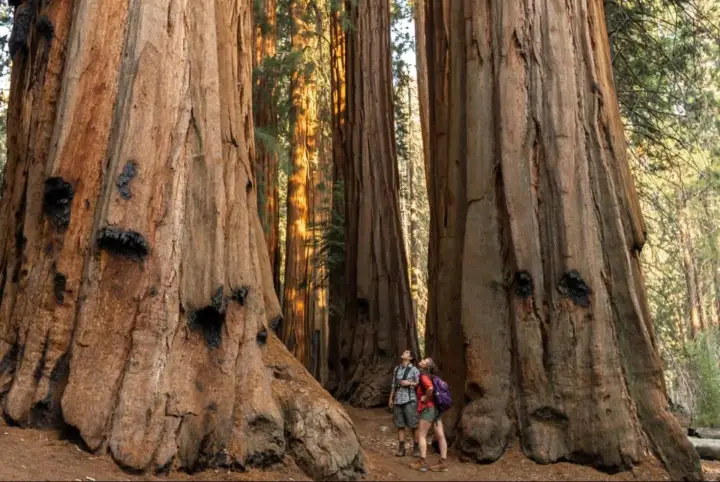
Best for: Couples, families, or small groups that want a private guide rather than a fixed sightseeing itinerary
Duration: 4 hours
Meeting area: Giant Forest Museum
Activity type: Private naturalist-led experience
Location: Inside Sequoia National Park
This private experience is built around exploring Giant Forest with a naturalist rather than spending an entire day being driven between attractions.
The outing is customizable, so the guide can adjust the experience toward wildlife, ecology, park history, conservation, or hiking depending on the group’s interests. The current listing allows groups of up to eight participants.
That flexibility is the main reason to consider it. A four-hour guided block leaves part of the day free for General Sherman, Lodgepole, another hike, or an evening elsewhere in the park.
The experience begins near the Giant Forest Museum and Sentinel Tree. Transportation to the park is not the focus of this tour, and the park entrance fee is separate. Snowshoes or traction footwear may be supplied when winter conditions require them.
This is especially well suited to travelers who already have a vehicle and want more depth than a self-guided walk provides.
See available dates and current details for the Giant Forest Private Tour.
2. From Los Angeles: 2-Day Sequoia & Kings Canyon Private Tour
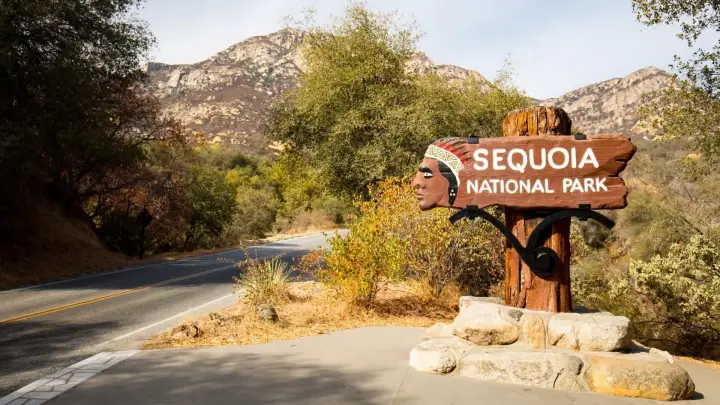
Best for: Travelers based in Los Angeles who want more park time than a same-day trip allows
Duration: 2 days
Starting area: Los Angeles
Activity type: Private multi-day sightseeing trip
Location: Starts in Los Angeles and travels to the Sequoia and Kings Canyon region
The biggest obstacle to visiting Sequoia from Los Angeles is not deciding what to see. It is the distance.
A two-day private tour addresses that problem by combining transportation with sightseeing and spreading the journey over two days instead of compressing the Sierra Nevada into one exhausting out-and-back drive.
For travelers who do not want to rent a car or drive mountain roads, that convenience can be more valuable than adding another activity inside the park.
The two-day format also makes much more sense than a single-day LA departure for anyone who wants meaningful time around the sequoias rather than spending most of the day in transit.
Because accommodation, exact inclusions, and individual stops can vary with the booking option and operating conditions, review the current listing carefully before reserving.
Review the current itinerary and availability for the 2-Day Sequoia & Kings Canyon Private Tour.
3. Sequoia National Park: Giant Forest Hike with Naturalist
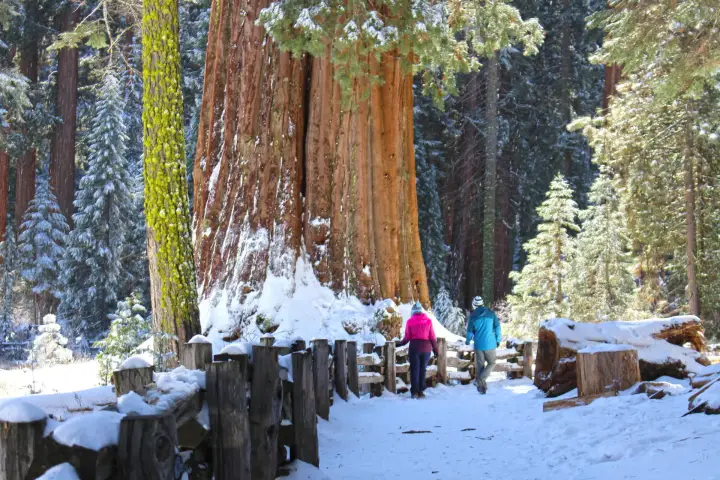
Best for: Travelers who prefer learning on foot
Duration: Approximately 2 hours
Meeting area: Giant Forest Museum
Activity type: Naturalist-led hike
Location: Inside Sequoia National Park
This guided hike trades sightseeing by vehicle for a slower look at Giant Forest.
The experience focuses on the giant sequoias, Sierra Nevada ecology, and park history while following trails around Giant Forest. It is particularly attractive for travelers who have already planned their own transportation and simply want expert interpretation during part of the visit.
Current versions of the experience are structured as roughly a two-hour guided outing, with the meeting point near Giant Forest Museum and Sentinel Tree. Winter conditions can turn the outing into a snowshoe or traction-assisted walk.
That makes this a better fit for curious hikers than visitors looking for a full sightseeing itinerary.
It can also pair easily with General Sherman, Congress Trail, or another independent activity before or afterward.
Check current dates and details for the Giant Forest Hike with Naturalist.
4. From Los Angeles: Private Day Tour to Sequoia & Kings Canyon
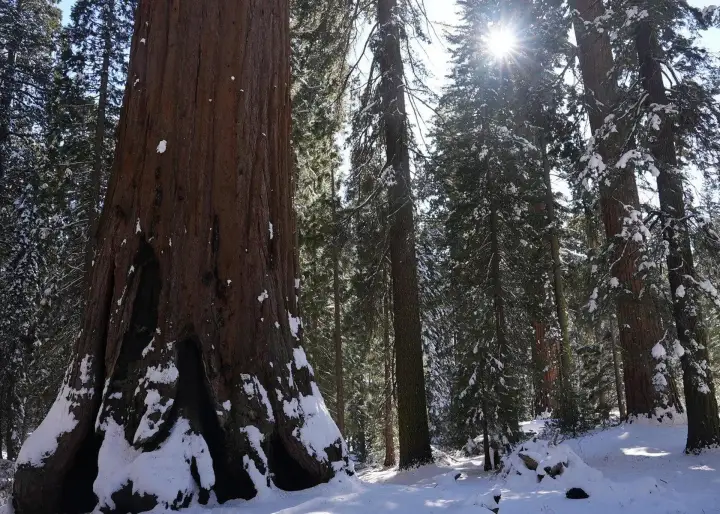
Best for: Travelers staying in Los Angeles who only have one day available
Duration: Approximately 15–18 hours
Starting area: Los Angeles
Activity type: Private sightseeing day trip
Location: Los Angeles to Sequoia and Kings Canyon National Parks
This is the most demanding option on the list.
The current version is an approximately 15- to 18-hour private day trip, combining the long drive from Los Angeles with stops in the Sequoia and Kings Canyon area. The itinerary can include places such as General Sherman Tree, General Grant Tree, Tunnel Log, and Moro Rock depending on conditions and the day’s schedule.
Its advantage is straightforward: it makes a Sequoia visit possible without renting a car, navigating mountain roads, or arranging an overnight stay.
Its disadvantage is equally clear. A substantial portion of the day is spent traveling.
Anyone with two days available will generally get a more relaxed park experience by choosing an overnight itinerary instead.
But when the choice is between a very long day trip and not seeing the parks at all, this option fills a specific niche.
Check current pricing and availability for the private day tour from Los Angeles.
5. Sequoia National Park: Group Stargazing Program
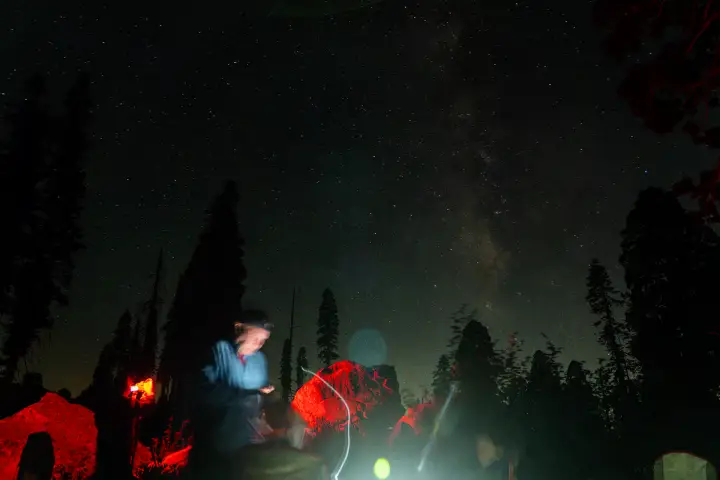
Best for: Couples, families, and travelers looking for something to do after daytime sightseeing
Duration: 1 hour
Starting area: A designated meeting location inside Sequoia National Park
Activity type: Guided stargazing
Location: Inside Sequoia National Park
This experience fills a completely different part of the itinerary.
Instead of using another hour for driving or hiking, the group spends the evening learning about constellations, astronomy, scientific discoveries, and cultural connections to the night sky.
The current program lasts one hour, with sessions offered at designated locations inside Sequoia. One meeting option is near Potwisha Campground, roughly 10 minutes inside the park from the Three Rivers entrance; another may be offered near the General Sherman parking area depending on the schedule.
The experience is designed to be accessible to beginners and does not require hiking. Star maps and visual teaching aids are part of the program, while seating can be arranged for mobility needs. Transportation is not included.
Mountain temperatures can fall quickly after sunset, so bringing warm layers is worthwhile even after a warm summer afternoon.
This is one of the easiest experiences to add without sacrificing a full hiking or sightseeing day.
See current dates for the Sequoia National Park Group Stargazing Program.
How to Choose the Right Experience
Choose based on the logistical problem the tour solves rather than simply picking the longest option.
For a first visit with a private guide: choose the Giant Forest Private Tour. Four hours provides enough guided time to learn about the forest without giving up the entire day.
For active travelers: the Giant Forest Hike with Naturalist is the better match. The experience stays focused on walking, ecology, and the sequoias themselves.
For travelers staying in Los Angeles without transportation: the 2-Day Sequoia & Kings Canyon Private Tour provides the more comfortable format.
For travelers with only one day in Los Angeles: the Private Day Tour to Sequoia & Kings Canyon can work, but expect a very long day.
For an evening addition: the Group Stargazing Program is the easiest experience to combine with an independently planned daytime itinerary.
Frequently Asked Questions
What is the best month to visit Sequoia National Park?
September is one of the best months for most travelers. Much of the park generally retains summer access while peak-season crowds begin easing. Nights become cooler and early weather changes are possible, so current conditions should still be checked before traveling.
How many days do you need in Sequoia National Park?
Two to three days works well for most first-time visitors. Two days allow time for Giant Forest and Grant Grove, while a third day creates room for longer hikes or seasonal exploration farther into Kings Canyon.
Is Sequoia National Park open year-round?
Yes. Sequoia and Kings Canyon National Parks are open 24 hours a day, 365 days a year, but individual roads and seasonal areas can close because of snow and winter conditions.
Do you need a reservation to enter Sequoia National Park?
Park-wide vehicle-entry reservation requirements can change over time, while campgrounds, wilderness trips, lodging, and other activities may have separate reservation systems.
Check the official NPS planning information shortly before the trip rather than relying on older reservation rules.
Are guided tours in Sequoia worth it?
They can be, particularly when the guide provides naturalist interpretation or solves a transportation problem.
Travelers who simply want to see General Sherman and walk Congress Trail can easily explore independently. A tour becomes more valuable when expert interpretation, private customization, winter guidance, transportation from Los Angeles, or specialized activities such as stargazing matter.
Can you visit Sequoia National Park without a car?
Getting to the park without private transportation is difficult.
The park does offer seasonal shuttle transportation in parts of the Sequoia area, but that does not eliminate the challenge of reaching the park itself. Travelers without a rental car may find a guided departure from Los Angeles or another organized transportation option significantly easier.
What should you check immediately before visiting?
At minimum, check:
- current road conditions;
- trail and area closures;
- wildfire or smoke information;
- weather at the elevation being visited;
- seasonal shuttle operations;
- tire-chain requirements in colder months;
- campground or lodging reservations;
- any current permit requirements.
The NPS current-conditions page reported most park roads open during summer 2026 while still advising visitors to check road conditions before entering side-road areas, illustrating why current information matters even during the main travel season.
Final Thoughts
For the easiest first visit, plan Sequoia National Park between July and September. Summer provides the greatest access, while September often offers the best compromise between hiking conditions and crowd levels.
Give the park at least two days if possible. Giant Forest deserves more than a quick photo stop at General Sherman, and adding Grant Grove or another section of Kings Canyon creates a much more complete Sierra Nevada trip.
Most of Sequoia’s essential sights do not require a tour. Explore the famous trees, trails, meadows, and viewpoints independently, then consider a guided experience when it adds something that is harder to recreate alone.
A naturalist hike can deepen the experience of Giant Forest. A private guide can personalize a half-day. Stargazing adds an easy evening activity. And for travelers starting in Los Angeles, a guided trip can solve the biggest problem of all: getting to the parks without managing the long drive independently.
Whatever season or experience fits the itinerary, check current NPS road, weather, closure, and access information shortly before leaving. Conditions in the Sierra Nevada matter far more than the date printed on an old travel guide.
Disclaimer: This post is for informational purposes only. Always check official park regulations, permits, road conditions, closures, and weather before planning or booking any activity.
Affiliate Disclosure: ChaseTheBigDream.com participates in affiliate programs, including GetYourGuide and other trusted partners. When you book or purchase through qualifying links, the site may earn a small commission at no extra cost to you. These partnerships help support the creation and maintenance of independent travel guides.