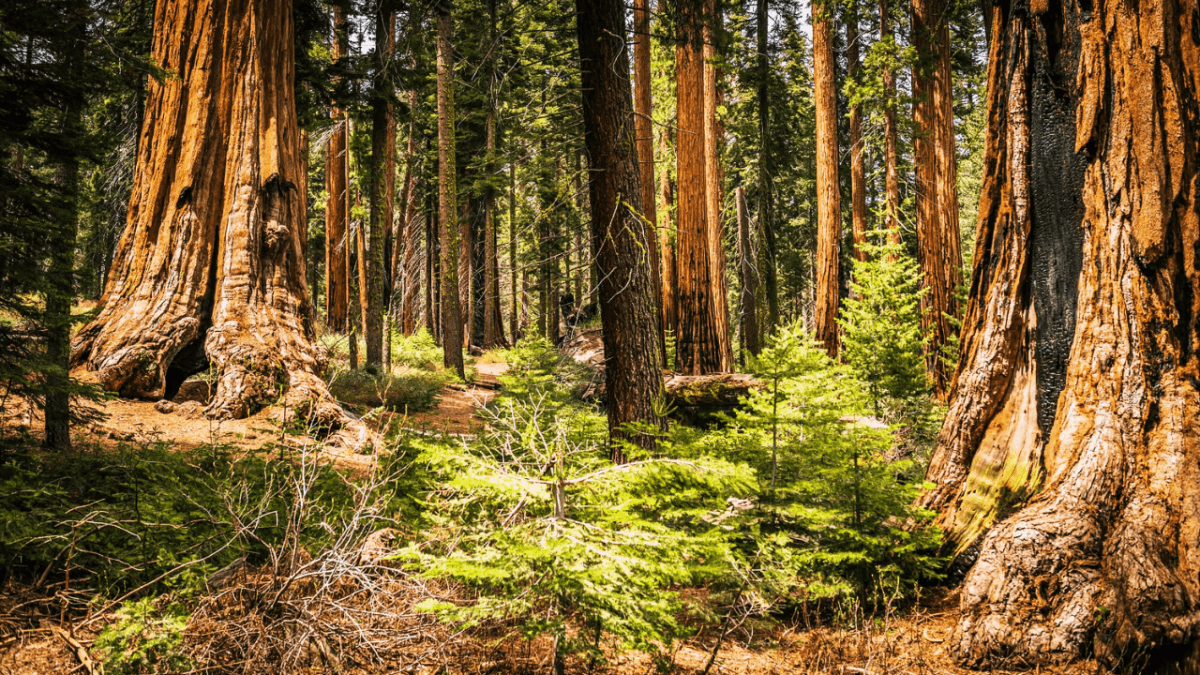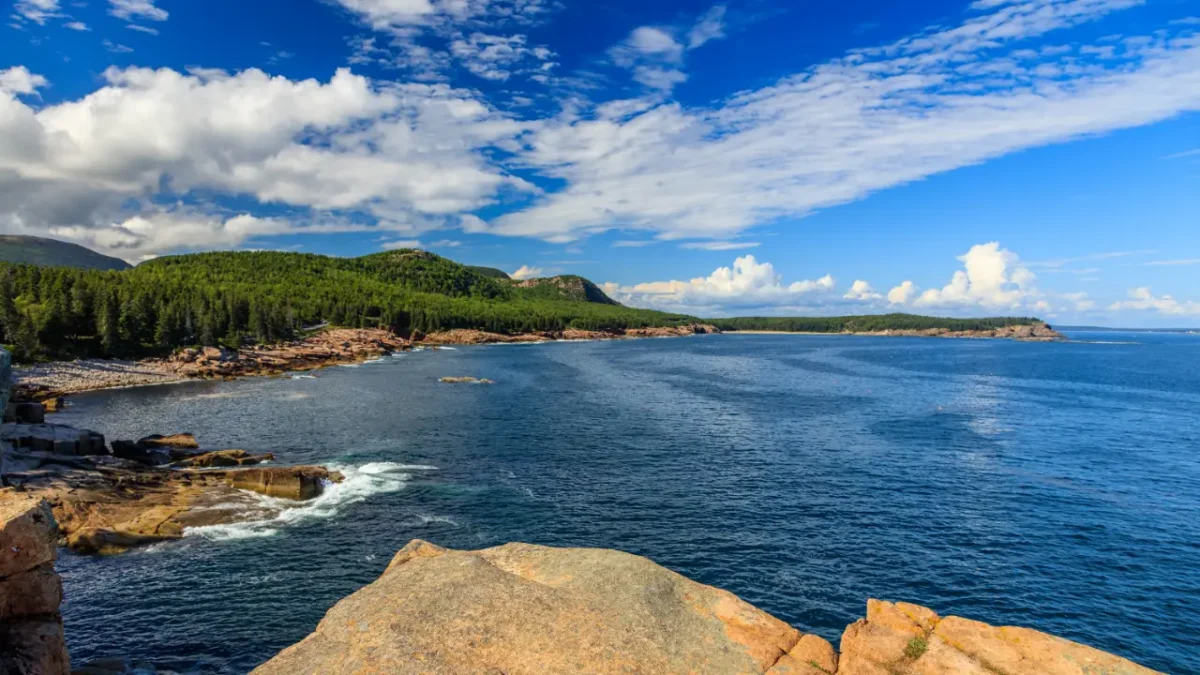
Dawn comes slowly to Acadia National Park. A gray-blue sky lightens over the Atlantic, waves roll steadily into granite coves, and cool coastal air carries the smell of spruce and salt. It is a quiet, steady kind of beauty—less dramatic at first glance than simply calm and inviting. 🌊
This is where low, rounded mountains rise directly above the sea, where tide-shaped coves sit below pink granite cliffs, and where forests, ponds, and rocky shoreline all fit into one compact landscape. Acadia feels approachable and wild at the same time, which is part of why so many travelers keep coming back.
Across a single visit, the park might be remembered in very specific snapshots: the sound of surf at Thunder Hole, the reflection of the Bubbles in Jordan Pond, the crunch of gravel underfoot on a carriage road, or the wide view from Cadillac Mountain on a clear day. These small moments add up quickly.
At the same time, Acadia can feel busy and a little confusing at first. Parking fills early, trail options seem endless, and sunrise logistics at Cadillac Mountain can feel intimidating. Many visitors want the same thing: a simple plan that still feels special. 😊
This guide focuses on four curated experiences that do exactly that. Each one is built around local expertise, thoughtful timing, and routes that highlight the best of the park—without requiring visitors to manage every detail alone.
Traveler Tip Box: Acadia at a Glance
- Best Season: Late spring through fall offers the most reliable access and weather. Summer brings longer days and warmer temperatures. Autumn foliage—typically peaking around mid-October—is especially popular, with bright color on hillsides and along shorelines. Winter offers quiet, stark scenery for those prepared for cold and variable conditions. 🍁
- Park Entrance Fee: A park pass is required for all visitors. Passes are usually around $35 per vehicle for a 7-day period and can be purchased on Recreation.gov or at entrance stations. Keeping a pass handy in the vehicle makes moving between areas smoother.
- Difficulty: Acadia includes everything from flat, wide carriage roads and gentle shoreline paths to steep routes with iron rungs and exposed ledges. It is easy to match outings to a group’s comfort level with a bit of advance planning.
- Cadillac Mountain Reservations: During peak season (typically mid-May through mid-October), vehicle reservations are required for Cadillac Summit Road. These time slots often sell out quickly, so booking ahead on Recreation.gov is strongly recommended.
How to Explore Inside Acadia National Park
A successful Acadia trip is built on a few simple decisions: how to get around, what time of day to visit busy areas, and which experiences to prioritize. With those basics settled, the rest of the visit can stay flexible. 🗺️
Park Access & Getting Around
The 27-mile Park Loop Road is the main driving route through the heart of Acadia on Mount Desert Island. Starting near the Hulls Cove Visitor Center, it links many of the park’s most familiar stops: Sand Beach, Thunder Hole, Otter Cliff, Jordan Pond, and the road toward Cadillac Mountain.
Driving this loop provides broad coverage, but parking can be tight between about 10 a.m. and 4 p.m., especially in summer and during peak foliage. Lots at trailheads and scenic overlooks fill quickly on clear days. Arriving early or planning late-afternoon outings can significantly reduce crowd pressure.
The free, seasonal Island Explorer bus system offers another practical option. These shuttles connect Bar Harbor and nearby communities with campgrounds, beaches, and popular trailheads. Riders can hop on and off, combining short walks with bus segments instead of hunting for parking at every stop. 🚌
Key Regulations and Alerts
Acadia’s ecosystems look rugged but are surprisingly sensitive. Thin soils, shorefront vegetation, and wetland zones can be damaged quickly by off-trail traffic. Staying on established paths, boardwalks, and rock-lined routes helps protect those places long-term.
Wildlife in the park tends to be subtle rather than dramatic—deer near forest edges, foxes occasionally crossing roads at dawn or dusk, and seabirds along the coast. Giving animals plenty of space and never feeding them keeps behavior natural and visitors safe.
Weather can change quickly along the Maine coast. Fog may move in from the ocean, wind can be stronger on summits than at sea level, and damp conditions can make granite slick. Before heading out each day, it helps to check:
- Current conditions, closures, or advisories on the NPS alerts for Acadia National Park.
- Reservation details and availability for Cadillac Summit Road on Recreation.gov.
With logistics in place, the rest of the trip can center on finding the right mix of guided experiences and self-guided walks that match a group’s time, interests, and comfort level. 😊
Featured Experiences Near Acadia National Park 🌟
Guided trips are often the fastest way to understand a new park. Local guides track tides and sunrise times, know where parking tends to back up, and can often position groups away from the busiest pockets without skipping key views.
They also bring context: history of the Wabanaki people, the story of John D. Rockefeller Jr.’s carriage roads, the geology behind Acadia’s rounded summits, and the natural processes that shape the coastline. That added layer often turns a nice view into a lasting memory.
The four GetYourGuide experiences below highlight four different ways to experience Acadia: a sunrise moment on Cadillac Mountain, a comprehensive narrated drive, a full-day bike-and-hike adventure, and a quiet winter exploration. Each experience takes care of planning details so energy can go into being present in the landscape. 🌲
Comparison Table: 4 GetYourGuide Experiences Near Acadia National Park
| Experience | Best For | Duration | Activity Type |
|---|---|---|---|
| Cadillac Mountain Sunrise Tour | Early Risers & Photographers | 3–4 hours | Hiking & Sightseeing |
| Premium Narrated Driving Tour | First-Time Visitors & Families | 3.5 hours | Driving & Sightseeing |
| Full-Day Private Biking & Hike | Active & Adventurous Travelers | 7–8 hours | Biking & Hiking |
| Winter in Acadia Private Tour | Solitude Seekers & Off-Season Visitors | 3 hours | Driving & Sightseeing |
1. The Awe-Inspiring Cadillac Mountain Sunrise Tour & Hike
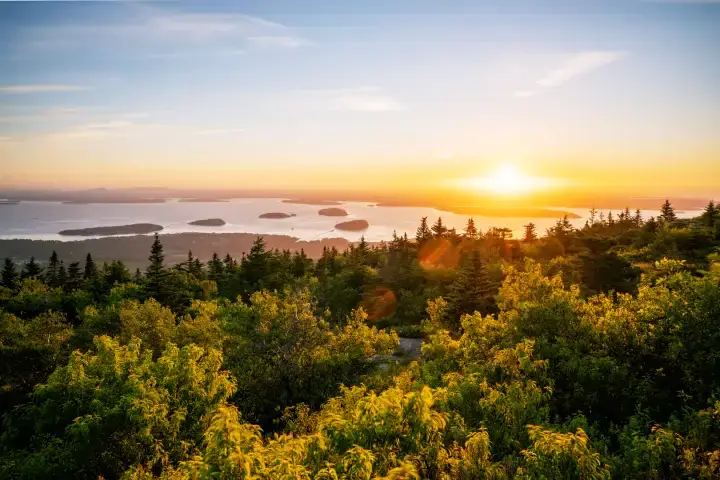
Cadillac Mountain sits at the center of many Acadia trips for good reason. It offers a broad, open summit with long views in nearly every direction and a front-row seat to sunrise over the Atlantic. At first light, offshore islands in Frenchman Bay appear as dark shapes, then gradually gain definition as the sky brightens. 🌄
A guided sunrise tour simplifies the most challenging part of the experience: timing. There is no need to guess at drive times, reserve Cadillac Summit Road independently, or figure out when to wake up. The guide manages the schedule, transportation, and summit logistics.
Once on top, the focus shifts to the horizon. Granite slabs provide natural seating, and cooler morning temperatures keep the air crisp. As the sun clears the edge of the ocean, its light gradually warms the rock, lights up the islands, and reveals the pattern of ponds, bays, and hills that define the park.
Many Cadillac tours add a short, manageable hike either before or after sunrise. This walk helps keep everyone moving, offers slightly different perspectives on the surrounding landscape, and gives the guide time to share more about the mountain’s geology, plant communities, and role in the park.
- Atmosphere: Quiet, deliberate, and memorable. Ideal for photographers, couples, and anyone interested in seeing Acadia at its calmest and coolest time of day.
- Logistics: Expect a very early start, transportation from town, brief walking on uneven surfaces, and cool temperatures at the summit. The tour typically includes park entry and required vehicle reservations, which removes a common hurdle for sunrise visits.
- See the full itinerary here
For many visitors, this becomes the signature moment of their trip—a straightforward, well-supported way to experience Cadillac Mountain without needing to manage the entire process alone. You can book this exact tour through GetYourGuide for a smooth sunrise start to your Acadia itinerary.
2. The Quintessential Acadia Premium Driving Tour

Acadia’s Park Loop Road is a compact highlight reel of the park’s coastal side. It passes rocky coves, open headlands, and classic inland viewpoints in just a few hours of easy driving. What can be tricky is pairing that route with parking, timing, and navigation—especially on a first visit. 🚙
A premium narrated driving tour solves that problem by putting a local driver-guide in charge. Instead of watching for signs and open parking spaces, passengers can watch the coastline, forests, and cliffs outside the window.
The route usually includes Sand Beach, where waves roll into a small sandy cove backed by steep hillsides; Thunder Hole, where waves sometimes funnel into a narrow inlet and create a low boom; and Otter Cliff, where tall granite walls drop toward the sea. Inland, Jordan Pond offers calm water and a clear view of the North and South Bubbles, two rounded summits that form a distinctive skyline.
Throughout the drive, the guide adds context—explaining how glaciers shaped the terrain, how the park’s boundaries came to be, and how wildlife uses different zones in the landscape. Stories of the Wabanaki people and of the park’s early conservation efforts help frame Acadia as more than just a scenic roadway. 😊
- Atmosphere: Relaxed and scenic, with frequent stops to step out, walk short distances, and take photos. A good match for first-time visitors, families with a range of ages, and anyone who prefers to keep hiking minimal while still seeing the park’s main features.
- Logistics: This private, 3.5-hour tour follows the Park Loop Road and nearby spurs. The guide manages parking, navigation, and timing, which helps avoid some of the midday congestion that can frustrate self-guided drivers.
- See the full itinerary here
For those who want a clear overview of the park in a single session, this is a practical and comfortable way to begin. You can book this exact tour through GetYourGuide and let a local driver handle the road while you focus on the scenery.
3. The Immersive Full-Day Private Biking & Hiking Tour
Acadia’s carriage roads and hiking trails combine to create one of the best mixed-activity days in any U.S. national park. A full-day private biking and hiking tour takes advantage of that system by pairing quiet bike miles with a summit hike, all with guidance from someone who knows how to link the two efficiently. 🚴♂️
The day often starts on the carriage roads—wide, gently graded, crushed-stone paths that wind through the interior of the park. Built and funded by John D. Rockefeller Jr., these roads were specifically designed for travel without motor vehicles. They roll past ponds, under stone arches, and along forested slopes with comfortable grades that suit a wide range of riders.
On a guided trip, the route is selected based on the group’s experience and energy level. Riders might do a shorter loop that highlights a few key bridges and vantage points, or take a longer route that threads between several ponds and viewpoints. Along the way, the guide points out details of the stonework, the engineering behind the drainage, and how the roads integrate with the rest of the park.
After the cycling portion, the focus shifts to hiking. The group trades bikes for boots and heads up a selected trail. Some options climb steadily through mixed forest to open ledges; others involve more continuous granite and occasional rock scrambles. Regardless of route, the payoff is similar: a broad view of islands, lakes, and hills that gives a clearer sense of how compact and varied the park really is. 😊
- Atmosphere: Active and satisfying. This tour is ideal for travelers who enjoy moving under their own power and want a fuller sense of what it feels like to ride and hike through Acadia in a single day.
- Logistics: Expect 7–8 hours total, with time split between cycling and hiking. Bikes and helmets are included, and the guide adjusts distance, pace, and elevation gain to match the group. Snacks, water, and layered clothing make a big difference in overall comfort.
- See the full itinerary here
For anyone looking to go beyond roadside viewpoints, this outing offers a complete, trail-level perspective on the park. You can book this exact tour through GetYourGuide to experience Acadia at a pace that matches its terrain.
4. The Serene Winter in Acadia Private Driving Tour
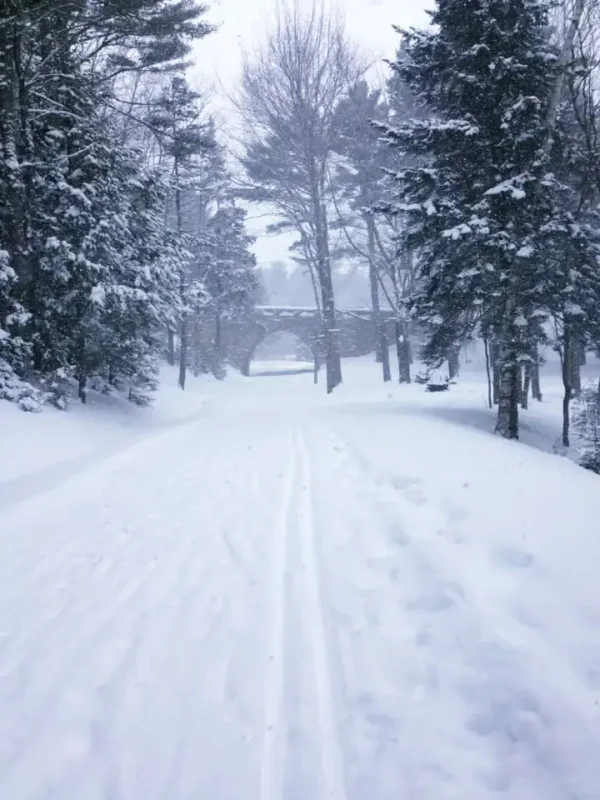
Winter shifts Acadia into a different gear. Traffic eases, trails quiet down, and familiar scenes look sharper and simpler under snow and low sunlight. For visitors who are curious about the park in this season but hesitant to drive unfamiliar roads in winter conditions, a private winter driving tour offers a balanced approach. ❄️
With a local guide at the wheel, the group follows plowed, winter-accessible roads through and around the park. Evergreens hold fresh snow, rocks and ledges stand out more clearly against white backgrounds, and open coastal views feel particularly crisp. On cold mornings, frost and sea smoke occasionally add extra texture to the landscape.
Classic viewpoints like Sand Beach and nearby cliffs feel markedly different in winter. Instead of warm sand and crowds, the cove may hold patches of snow, with waves rolling in under a gray or clear sky. Inland viewpoints look more open as leaves drop from deciduous trees, exposing more of the terrain.
Throughout the tour, comfort stays central. Warm layers and blankets help in the vehicle, and stops are chosen with both scenery and footing in mind. The guide monitors conditions, adjusts the plan if needed, and focuses on safety without sacrificing good views. 😊
- Atmosphere: Quiet and reflective, with fewer people and more room to take in the landscape. A good fit for repeat visitors seeking a new perspective and for photographers who appreciate stark winter light.
- Logistics: The tour typically runs about 3 hours, focusing on roads and viewpoints that remain safely accessible. Conditions vary, so flexibility is important—routes and stops are shaped by the weather on the day of the tour.
- See the full itinerary here
For those willing to embrace colder temperatures, winter in Acadia delivers a calm, uncluttered version of a very popular park. You can book this exact tour through GetYourGuide to explore that side of the coast with someone who knows how to move through it safely.
Did You Know? Acadia’s 45 miles of carriage roads were a gift from philanthropist John D. Rockefeller Jr. and his family. He wanted people to enjoy the park’s interior on foot, bike, or horse-drawn carriage, free from the noise and speed of automobiles. These roads and their 16 stone-faced bridges are considered one of the best examples of broken-stone road construction in the United States.
Adventure Planning Essentials
Guided tours give structure to an Acadia visit, but there is also plenty of room for shorter, self-planned outings. Once a sunrise tour, scenic drive, full-day bike-and-hike, or winter outing is on the calendar, the remaining time can be filled with simple walks and short drives that match daily energy and weather.
These three classic options offer good scenery without complex navigation, making them easy additions around guided experiences:
- Hike the Ocean Path: This 2.2-mile one-way trail traces the coastline from Sand Beach to Otter Point. It stays mostly close to the road but often feels surprisingly wild, with cliffs, coves, and offshore rocks visible for much of the route. The path is relatively flat and wide, with multiple entry and exit points, making it accessible for many groups. 🌊
- Walk Around Jordan Pond: The 3.3-mile Jordan Pond Path loops around a clear, glacially carved pond. Boardwalk sections (bog bridges) protect sensitive wetlands, while packed dirt segments follow slightly higher ground. Views of the Bubbles at one end of the pond are especially striking on calm days. This loop works well as a mid-day or late-afternoon outing.
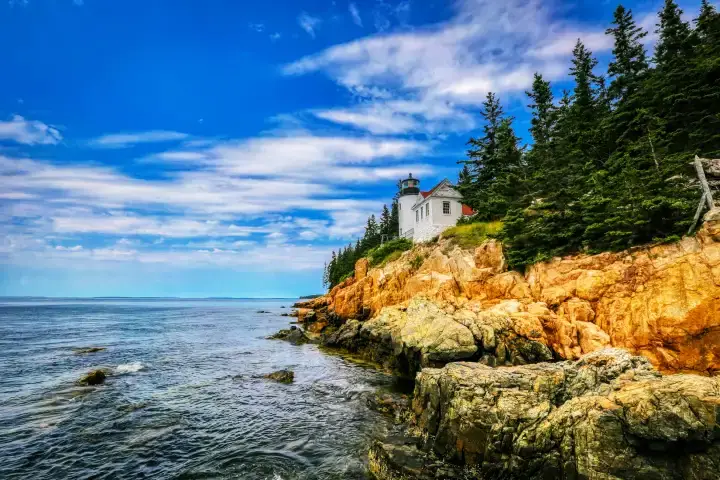
- Explore the Bass Harbor Head Light: On the quieter western side of Mount Desert Island, Bass Harbor Head Light sits on a rocky headland with short paths to several viewpoints. From the right angles, the lighthouse appears perched directly above layered granite ledges and incoming waves. Sunset here can be particularly photogenic. 📸
For all of these outings, navigation tools add an extra layer of confidence. Planning routes and downloading offline maps with Gaia GPS before entering the park is a practical step, especially because cell coverage can be limited in several areas. Having maps saved on a phone or tablet makes it simpler to confirm turns and track progress.
For wider trip ideas and trail descriptions, the official NPS hiking page for Acadia is a reliable resource. It outlines route distances, elevation changes, and difficulty ratings, which helps match hikes to available time and fitness.
Those looking to stay closer to the park and cut down on daily driving might consider turning the trip into a small road-based adventure. Renting a campervan on RVshare can combine transportation and lodging in a single setup. From there, nights can be spent in nearby campgrounds booked through Campspot, creating a comfortable basecamp within easy reach of Acadia’s main areas. 🚐
Essential Gear for Acadia National Park 🧭
Packing for Acadia means preparing for layered conditions. Coastal Maine can deliver sun, fog, wind, and drizzle over the course of a single day, especially in shoulder seasons. A modest, well-chosen kit helps keep every outing comfortable and safe.
Checklist: What to Bring for Your Adventure
- Sturdy, broken-in walking shoes or hiking boots
- A simple layering system: moisture-wicking base layer, warm mid-layer (like fleece), and a waterproof/windproof shell
- Comfortable daypack with enough capacity for extra layers, snacks, and water
- Reusable water bottle and energy-dense snacks
- Sunscreen, sunglasses, and a brimmed hat
- Camera or smartphone for photos and short video clips
- Binoculars for spotting seabirds, boats, and distant islands
- Downloaded map of the park (for example, saved in Gaia GPS)
Footwear is one of the most important decisions. Trails and viewpoints in Acadia often include uneven granite, roots, gravel, and occasionally wet rock near the coast. Shoes or boots with solid traction and supportive midsoles reduce fatigue and improve footing on these surfaces. 😊
For outerwear, a packable rain shell is worth carrying on almost any day. The REI Co-op Rainier Rain Jacket is a strong fit for this role. It is light enough to disappear into a daypack when skies are clear, yet protective enough to handle sudden showers or wind along exposed sections of the coast or on summits.
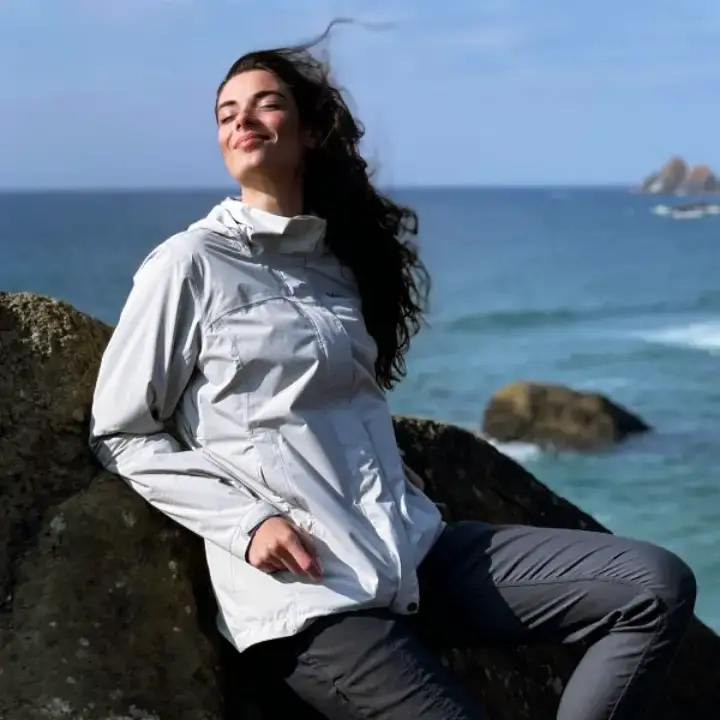
Underfoot, a dependable hiking shoe makes hours on granite and gravel noticeably more comfortable. The Merrell Moab 3 Waterproof Hiking Shoes are well-known for their out-of-the-box comfort and reliable traction. Waterproofing helps keep feet dry in damp grass, shallow puddles, and early-morning conditions when trails can still hold moisture.
In colder seasons, adding a warm hat, gloves, and—when appropriate—traction devices for ice makes winter outings safer and more enjoyable. Checking the forecast each morning and making small gear adjustments keeps the kit aligned with the day’s conditions.
Wrap-Up — Travel Smarter, Feel Deeper
Acadia National Park brings together a lot of what makes coastal New England special: granite shorelines, forested hills, quiet ponds, and broad ocean views. It is compact enough to explore in a few days, yet varied enough to reward repeat visits.
Well-chosen guided experiences—like a Cadillac Mountain sunrise, a narrated loop around the park’s most scenic roads, a full-day bike-and-hike outing, or a winter driving tour—provide structure and insight. They remove guesswork, highlight details, and help visitors see why this landscape matters. 🌲
Layering in shorter self-guided walks, such as the Ocean Path, Jordan Pond Path, or a stop at Bass Harbor Head Light, rounds out the picture. These lower-key outings offer time to slow down, listen to waves or wind in the trees, and simply enjoy being outside.
With a solid plan, sensible gear, and a few anchor experiences on the calendar, Acadia shifts from an abstract bucket-list destination into a real place that feels both welcoming and memorable. A sunrise on Cadillac, a quiet shoreline walk, or a calm winter overlook might become the moments that stay with you long after leaving the coast. ✨
Disclaimer: This post is for informational purposes only. Always check official park regulations, permits, and weather conditions before booking any activity.
Affiliate Disclosure: ChaseTheBigDream.com participates in affiliate programs (including GetYourGuide, REI, Gaia GPS, RVshare, and other trusted partners). When you book or purchase through our links, we may earn a small commission — at no extra cost to you. These partnerships help keep our National Park guides authentic, independent, and free for readers.
© 2025 ChaseTheBigDream.com | All rights reserved.