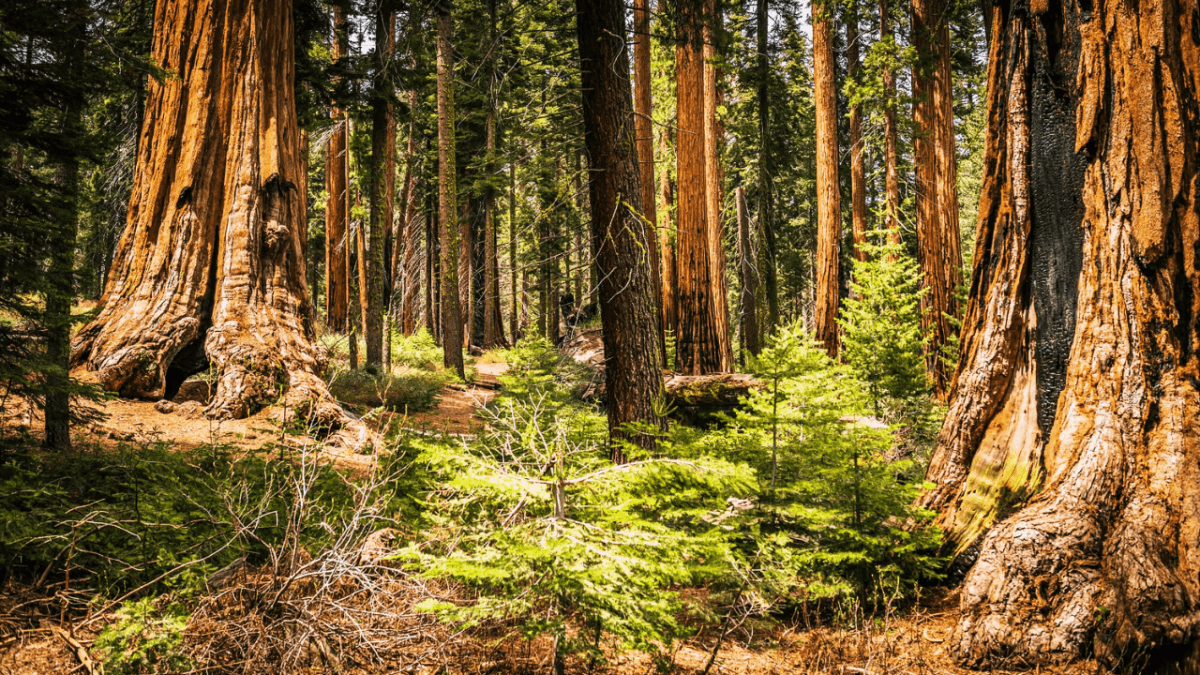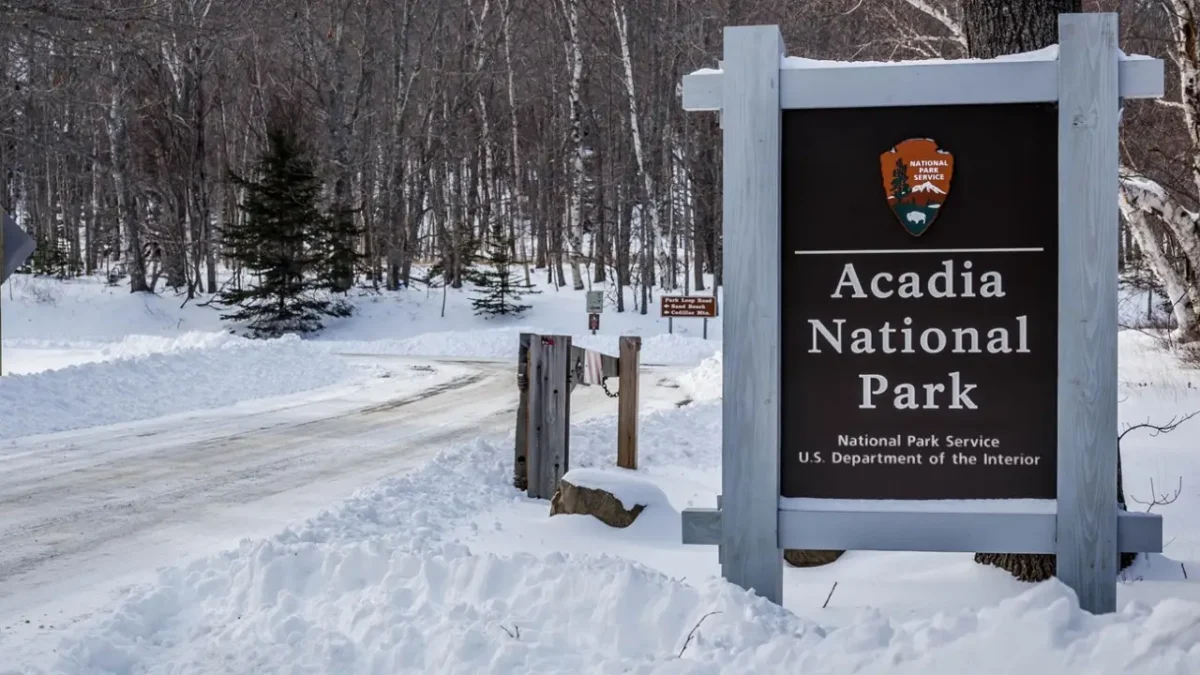
An RV road trip from Boston to Acadia National Park blends coastal scenery, evergreen forest, and smooth miles of highway into one of New England’s most rewarding routes. City streets give way to working harbors, quiet towns, and finally the granite headlands of Mount Desert Island. The shift is gradual but unmistakable—each hour on the road pulls life a little closer to the rhythm of the tides and the tree line. 🚐
This route is ideal for travelers who want flexibility. The rig becomes both transportation and basecamp, which means no fixed check-in times, no daily packing and unpacking, and plenty of opportunities to make spontaneous stops at viewpoints, lighthouses, or trailheads. Instead of rushing from hotel to hotel, the trip revolves around where to park for sunset, where to wake up for sunrise, and which trail or shoreline to visit next.
Acadia sits at the end of the drive, but the experience starts long before reaching the park entrance sign. Coastal Maine is full of detours worth taking, from historic seaports to rocky beaches and classic New England downtowns. With the right planning, this road trip feels less like a straight line and more like a string of small, memorable chapters. 🌲
For travelers who have imagined waking up with ocean air drifting through an open RV window and Acadia’s cliffs just a short drive away, this guide offers a clear, step-by-step way to make that vision real—without overcomplicating the logistics.
How to Plan Your Route from Boston to Acadia National Park
Driving directly from Boston to Acadia typically takes under five hours, but most RV travelers benefit from stretching the trip over one or two days. That extra time allows for food stops, scenic side loops, and fewer hours behind the wheel at once. It also gives everyone room to adjust to driving a larger vehicle before navigating smaller coastal roads. 😊
The straightforward route follows I-95 North through New Hampshire and into Maine. This option is efficient and easy to navigate, especially for those newer to RVs. The more scenic option includes sections of U.S. Route 1, which tracks closer to the coast and passes through classic Maine towns and viewpoints. Route 1 is slower and can be busy in peak summer, but it compensates with harbor views, seafood shacks, and quick access to parks and beaches.
A balanced approach works well: use I-95 for longer stretches, then hop onto Route 1 for specific segments, such as between Portsmouth and Portland or Portland and Camden. Planning these transitions in advance—ideally with downloaded maps—keeps the drive smooth and avoids last-minute lane changes. 🧭
Once Mount Desert Island comes into view, the mindset can shift from “getting there” to “settling in.” This is where the RV truly shines: instead of commuting in and out of the park each day, the rig can stay at a base campground while travelers explore trails, scenic drives, and coastal viewpoints nearby.
Navigating Acadia National Park in an RV
Acadia is relatively RV-friendly compared to many older national parks, but its historic roads and tight shoulders still require thoughtful driving. A bit of planning around size limits, road gradients, and parking availability goes a long way toward keeping the trip relaxed.
- Park Loop Road:
The 27-mile Park Loop Road is the main scenic drive, connecting favorites like Sand Beach, Thunder Hole, Otter Cliff, and several trailheads. Most sections are manageable for campervans and smaller Class C RVs when driven carefully and at posted speeds. Pullouts and parking areas can fill quickly in peak season, so early starts or late-afternoon drives help reduce congestion. 🌊 - Vehicle Size Limits:
Some sections include low-clearance bridges and narrow lanes. Before entering, confirm the rig’s height and length and compare them against posted signs. The historic carriage roads are completely closed to motor vehicles; they are best explored on foot or by bike. The road to Cadillac Mountain is winding with steep grades, so smaller rigs are more comfortable here, especially for drivers new to mountain roads. - Reservations for Cadillac Mountain:
From late spring through fall, a vehicle reservation is required for Cadillac Mountain’s summit road during specific time blocks. These reservations are limited and can sell out quickly, especially around sunrise. They are available through Recreation.gov, and booking a time window a few days in advance helps secure a spot for that classic summit experience. 🌅 - Road Conditions & Weather:
Coastal Maine weather can shift from sunny to foggy to rainy in a single day. Wet pavement, fog, and strong winds can all affect RV handling. Before driving into the park, check closures, construction notes, and seasonal restrictions on the official NPS page for Acadia National Park. If conditions are poor, it often pays to slow the day down rather than push for a specific viewpoint. - RV Campgrounds in and near Acadia:
Acadia’s two main RV-friendly campgrounds are Blackwoods and Seawall.- Blackwoods Campground sits closer to Bar Harbor and many of the park’s main attractions, making it a convenient base for short stays.
- Seawall Campground lies on the quieter side of the island, offering calmer evenings and quick access to less crowded shoreline views.
Traveler Tip Box 💡
- Fuel Up Smart:
Ellsworth is the last major fuel stop before Mount Desert Island. Topping off the tank there removes pressure to find gas near the park, where options can be limited and prices higher. - Plan for Dump Stations:
Both Blackwoods and Seawall offer seasonal dump stations, and the Bar Harbor Wastewater Treatment Facility provides a free public option. Knowing these locations ahead of time makes it easier to time fresh water fills and tank dumps without scrambling. - Expect Patchy Cell Service:
Cell coverage can drop in forested areas, low valleys, or remote sections of the park. Download maps, trail details, and key info in advance. The Gaia GPS app is especially useful here, offering offline maps, waypoints, and tracking so navigation stays solid even when bars disappear. 📶
RV Rentals Near Boston & Along the Route 🌟
Choosing the right RV sets the tone for the entire trip. A good match will feel stable on interstates, manageable in small towns, and comfortable at camp. It doesn’t need to be flashy—it just needs to fit the group size, driving comfort level, and preferred camping style.
Below are four standout RV rentals well suited for the Boston–Acadia route. Each one aligns with a different traveler profile: minimalist couples, small families, off-grid explorers, and larger groups. With these options, it’s easier to focus on the route and the park rather than worrying about whether the rig can handle the plan. 😊
| RV Name/Type | Class | Sleeps | Best For | Pick-Up Area |
|---|---|---|---|---|
| ‘A Van Called Quest’ | Class B | 2 | Couples or Solo Adventurers | Boston, MA |
| ‘The Rambler’ | Class B | 4 | Small Families or Two Couples | Portland, ME |
| ‘The Overlander’ | Class B 4×4 | 3 | Adventurous Couples | Boston, MA |
| Forest River Sunseeker | Class C | 8 | Large Families or Groups | Boston, MA |
1. The Minimalist Dream Machine: ‘A Van Called Quest’
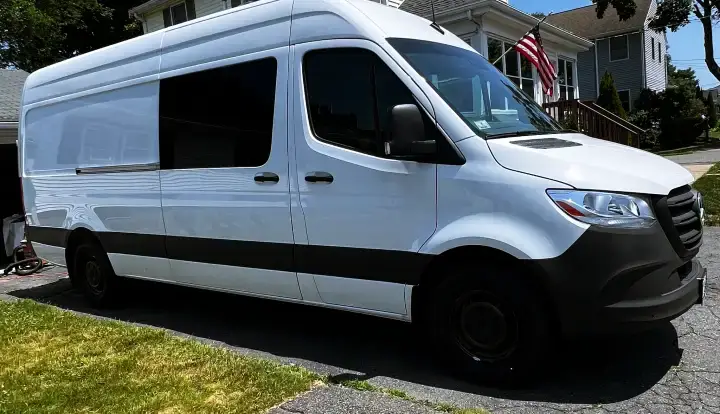
‘A Van Called Quest’ is a 2021 Ram ProMaster campervan set up for travelers who value simplicity, clean design, and comfort without excess. Inside, warm wood finishes and efficient storage create an inviting space that still feels open. The layout is built around two people who want to spend their days outside and their evenings in a quiet, functional space. 🌲
A queen-sized bed stretches across the rear of the van, offering a comfortable place to rest after hikes, drives, and shoreline explorations. The kitchenette includes an induction cooktop and organized storage, making it easy to prepare simple meals without feeling crowded. With solar power on board, lights and devices stay charged even when staying off-grid for a few nights.
This rig works especially well for couples or solo travelers who want minimal fuss. It’s easy to maneuver through Boston and coastal towns, fits more comfortably into smaller parking areas, and still provides everything needed for a multi-day trip.
- Logistics:
- Vehicle: 2021 Ram ProMaster 2500
- Capacity: Sleeps 2
- Pick-Up: Malden, MA (just outside Boston)
- Pet Policy: Pet-friendly, so dogs and other small companions can join the trip. 🐾
Rent this exact RV through RVshare — a straightforward way to turn a weekend window into a national park road trip.
For travelers who prefer to travel light while still enjoying a cozy, modern interior, ‘A Van Called Quest’ is a strong, confidence-building option.
2. The Family-Friendly Classic: ‘The Rambler’
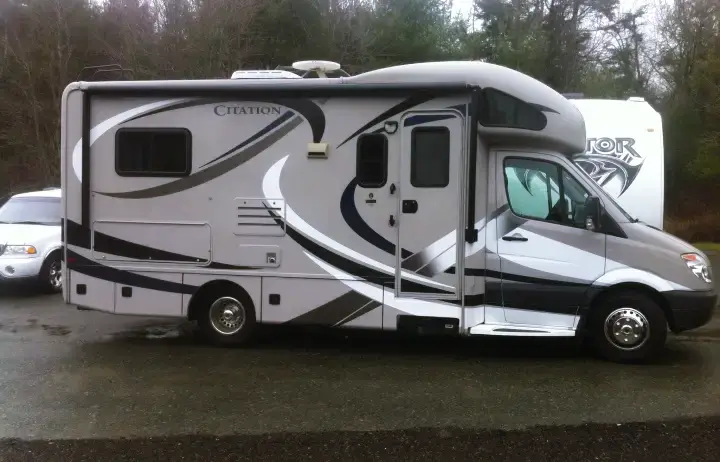
‘The Rambler’ is a 2017 Winnebago Travato 59G that balances maneuverability with family-ready living space. It’s compact enough to be comfortable in traffic and on narrower roads, yet it offers enough room for a small family or two-couple crew to travel without feeling cramped. 👨👩👧👦
The layout includes a rear wet bath, a well-equipped galley kitchen, and a versatile seating area. A pop-top roof creates a second sleeping zone, giving kids or an additional adult a dedicated space without sacrificing the main bed. During the day, the central dinette turns into a spot for planning hikes, playing card games, or drying out gear after a damp coastal walk.
This rig is ideal for travelers who want to share the road trip experience—parents with young kids, two couples who enjoy traveling together, or friends who appreciate having a compact, capable basecamp they can take into town or out to trailheads.
- Logistics:
- Vehicle: 2017 Winnebago Travato 59G
- Capacity: Sleeps 4
- Pick-Up: Portland, ME (a convenient hub right along the coastal route)
- Pet Policy: Pets welcome
Rent this exact RV through RVshare — an approachable way to give the whole family a comfortable home on wheels.
For groups who want to keep things compact while still having multiple sleeping zones and a full indoor kitchen, ‘The Rambler’ offers a proven, traveler-tested layout.
3. The Go-Anywhere Adventurer: ‘The Overlander’
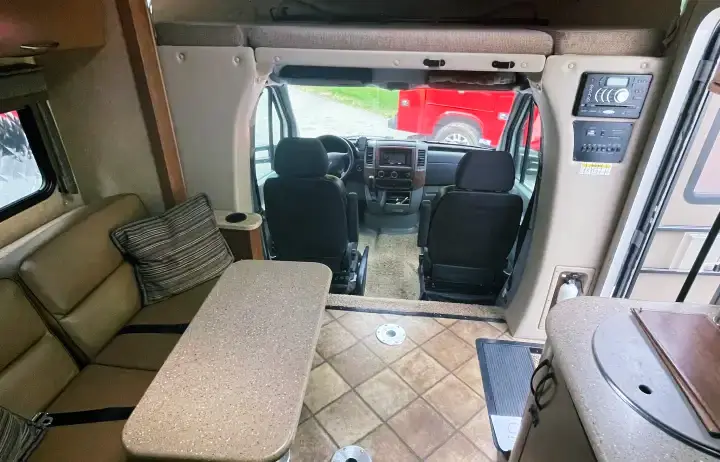
‘The Overlander’ is a 2022 Storyteller Overland built on a Mercedes Sprinter 4×4 chassis, designed for travelers who like to wander a bit beyond the main campground loops. High clearance, four-wheel drive, and a robust interior system make it well suited to forest roads, shoulder-season trips, and more remote camping options. 🏔️
Inside, the design focuses on flexibility. Seating converts into sleeping spaces, and gear storage is strategically placed so that bikes, backpacks, or paddle gear can come along without cluttering the living area. A powerful lithium battery system supports lights, outlets, and other essentials without constant reliance on campground hookups, and an indoor shower keeps longer off-grid stretches comfortable.
This rig fits adventurous couples or small groups who want to explore quiet corners of the Maine coast, pull off at lesser-known trailheads, or build in some extra margin for weather changes. It turns variable conditions into part of the trip rather than a limiting factor.
- Logistics:
- Vehicle: 2022 Storyteller Overland Mercedes Sprinter 4×4
- Capacity: Sleeps 3
- Pick-Up: Boston, MA
- Pet Policy: Pets considered on a case-by-case basis
Rent this exact RV through RVshare — a solid choice for travelers who want a capable partner on both paved and rougher roads.
For those who prefer a more expedition-style approach, ‘The Overlander’ brings the comfort of a modern campervan and the confidence of a 4×4 platform together in one package.
4. The Ultimate Group Comfort Cruiser: Forest River Sunseeker
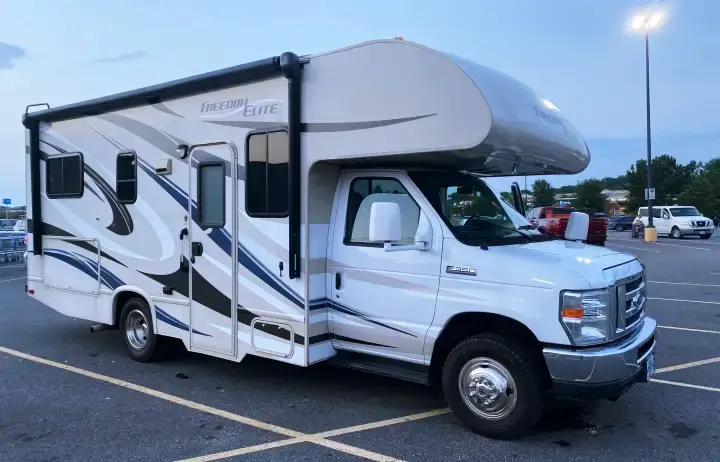
For larger groups, extended families, or multi-generational trips, the 2021 Forest River Sunseeker offers the space and layout to keep everyone comfortable. As a Class C motorhome, it blends familiar, house-like features with the mobility needed to navigate between campgrounds and trailheads. 🔥
Inside, the Sunseeker includes a private rear bedroom, a generous cab-over bunk, a convertible dinette, and a sofa bed. This range of sleeping options gives everyone a defined space, reducing the nightly shuffle that sometimes comes with large-group trips. The full kitchen makes it easy to prepare meals together—anything from quick breakfasts before sunrise hikes to simple lobster dinners after a day of exploring tidepools and shoreline.
This setup encourages shared downtime. When weather closes in or the group needs a rest day, the interior has enough seating and table space for games, reading, and planning the next outing without feeling cramped.
- Logistics:
- Vehicle: 2021 Forest River Sunseeker
- Capacity: Sleeps 8
- Pick-Up: Near Boston, MA
- Pet Policy: Pets welcome
Rent this exact RV through RVshare — a strong option when the goal is to bring more people along without giving up comfort.
For groups who value space, separate sleeping areas, and a full indoor kitchen and bathroom, the Sunseeker provides a comfortable moving basecamp for the entire journey.
Must-See Stops and Scenic Overnights
One of the advantages of driving from Boston to Acadia in an RV is the ability to build a relaxed itinerary around small, meaningful stops. Instead of racing to the park, it can be more satisfying to break the trip into segments with one or two overnight stays along the way. 😊
- Portsmouth, New Hampshire:
About an hour north of Boston, Portsmouth makes an ideal first stop. RV-friendly parking on the outskirts of town allows travelers to walk into the historic district, explore the preserved homes and gardens of Strawbery Banke Museum, and grab a meal or coffee in the compact downtown. The walkable layout keeps things simple after a relatively short first driving stint. - Portland, Maine:
Portland combines a working waterfront with a vibrant food scene. Travelers can leave the RV at a nearby campground or RV park and spend an afternoon in the Old Port district, where brick streets, local shops, and harbor views blend into an easy walking loop. A side trip to Portland Head Light gives a classic lighthouse experience with well-maintained paths and viewpoints. - Freeport, Maine:
Freeport is a practical, gear-focused stop. The L.L. Bean Flagship Store runs 24/7, and nearby outlets and shops offer everything from rain shells to hiking socks. This is an excellent place to reassess clothing and gear for the park—especially layers and rain protection. It’s also a good time to browse outdoor gear at REI or scan deals at REI Outlet for items that would make the Acadia portion of the trip more comfortable. 🧳 - Inside Acadia National Park:
- Jordan Pond House:
Known for its popovers and tea, Jordan Pond House sits in a scenic bowl of water, forest, and rounded peaks known as the Bubbles. A meal or snack here pairs well with a loop hike around the pond or a shorter out-and-back walk. Parking can be busy in peak season, so early arrivals or shoulder-season visits feel more relaxed. - Bass Harbor Head Light:
This lighthouse stands on rocky cliffs above the Atlantic, with short paths leading to viewpoints where waves crash against the shore. Parking is limited, especially for larger RVs, so smaller rigs or off-peak timing work best here. Even a short visit can be memorable on a clear evening. - Schoodic Peninsula:
Schoodic offers a quieter experience than the main section of the park on Mount Desert Island. The loop drive hugs rugged coastline, with countless places to pull over and watch surf, fog, and changing light. Any size RV can navigate the main loop comfortably, making this a nice option for travelers seeking fewer crowds and more open views. 🌊
- Jordan Pond House:
Before leaving areas with strong cell service, downloading routes and trail maps in Gaia GPS keeps navigation straightforward. Marking overnight stops, trailheads, and backup camp options on the map creates a flexible plan that still feels grounded.

Essential Gear for Your Road Trip 🧰
Good gear doesn’t need to be complicated. The goal is not to pack everything, but to carry items that reliably improve comfort, safety, and flexibility. On a coastal RV route like this one, that usually means dependable lighting, adequate power, layered clothing, and a mix of indoor and outdoor cooking options.
When planning what to bring, it helps to think through a few specific scenarios: arriving at camp after dark, cooking outside on a windy evening, dealing with a rainy day in the rig, or carrying everything needed for a half-day hike. If the kit covers those situations, it’s probably in good shape. 😊
Checklist: RV Road-Trip Essentials ✅
- Navigation: Gaia GPS App (Pro subscription for offline maps)
- Lighting: A reliable headlamp for each person
- Power: Portable power station or solar charger
- Kitchen: A quality cooler, reusable water bottles, and basic cookware
- Comfort: Camp chairs, warm blankets, and layered clothing
- Safety: First-aid kit, tire pressure gauge, and roadside assistance info
- A Quality Headlamp
A well-built headlamp is one of the most useful tools on an RV trip. It comes out for late arrivals, evening walks, early trail starts, and any situation where hands need to be free. In many campgrounds near Acadia, ambient light is intentionally low, which makes personal lighting even more important.
The Black Diamond Spot 400 Headlamp stands out for its brightness, durability, and multiple lighting modes. It can handle everything from close-up tasks inside the rig to scanning a dark trailhead parking lot for signs and paths. The red-light mode helps preserve night vision and is considerate for neighbors in nearby campsites. ✨

Packing one headlamp per person—and ensuring extra batteries or a charging method are on hand—keeps things simple. When everyone has their own, there’s less fumbling and more confidence moving around in the dark.
- A High-Performance Cooler
Even with an onboard fridge, a high-quality cooler quickly becomes a central piece of camp life. It can store drinks for easy access outside, hold extra fresh food after a big shop, and serve as the go-to container for shoreline or picnic outings away from the rig.
The YETI Tundra 45 Cooler earns its reputation through excellent ice retention and a rugged build. It’s sturdy enough to double as an extra seat around the picnic table and tough enough for frequent travel days. In warm weather, it keeps drinks cold over extended periods; in cooler seasons, it extends the life of perishable foods between grocery stops. 🧊
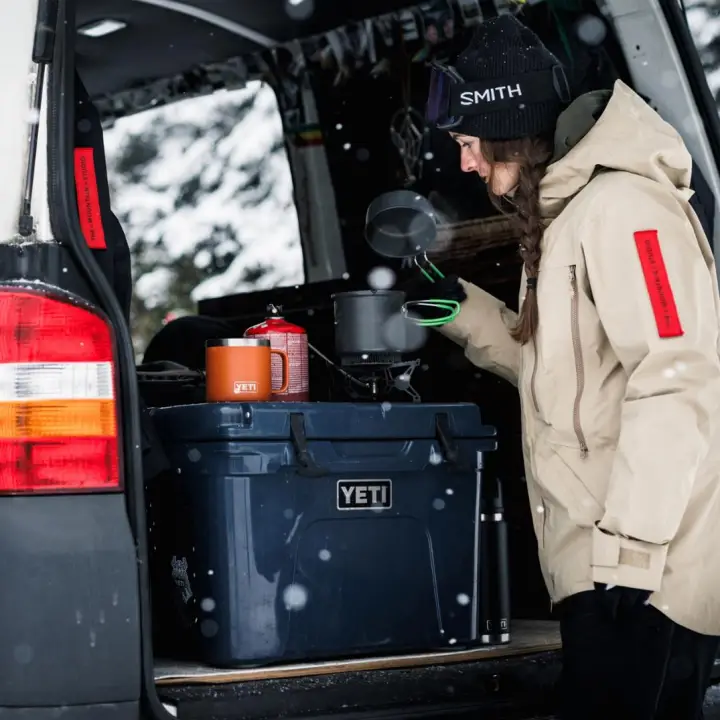
For this route, a cooler like this helps support flexible meals. Stock it with local seafood, produce, or prepared foods picked up along the way, then build simple dinners back at camp without relying entirely on restaurants or last-minute options.
With these essentials dialed in—alongside standard items like sturdy footwear, rain jackets, and insulating layers—the focus can stay on the experience rather than on missing gear.
Wrap-Up — Freedom at Your Own Pace
A Boston to Acadia RV trip is about more than getting from one point to another on a map. It’s about seeing the landscape change gradually from city to harbor town to rocky coastline to spruce forest, with enough time built in to appreciate each shift. 🚐
Travelers on this route have the freedom to shape each day. Some mornings might begin with coffee in a quiet campground under tall pines; others might start with a walk through a lively coastal downtown or a drive to a sunrise viewpoint. The RV makes it possible to stay close to the places that matter most, whether that’s a favorite trail, a shoreline picnic spot, or a quiet loop road overlooking the Atlantic.
From the minimalist comfort of ‘A Van Called Quest’ to the family-focused layout of ‘The Rambler,’ the off-grid confidence of ‘The Overlander,’ and the spacious interior of the Forest River Sunseeker, there is a rig that fits almost any travel style. Match the vehicle to the group, plan thoughtfully around campgrounds and road conditions, and keep the gear kit focused on true essentials, and the trip naturally falls into place. 😊
The combination of salt air, granite cliffs, and winding park roads has a way of drawing travelers back. Once the logistics are understood and the route feels familiar, this journey can shift from a one-time experience to a classic trip repeated in different seasons and with different companions.
Disclaimer: This post is for informational purposes only. Always check official park regulations, road conditions, and permit requirements before driving or camping in restricted areas.
Affiliate Disclosure: ChaseTheBigDream.com participates in affiliate programs (including RVshare, REI, Gaia GPS, and Amazon). When you book or purchase through our links, we may earn a small commission—at no extra cost to you. These partnerships help keep our road-trip guides authentic, independent, and free for readers.
© 2025 ChaseTheBigDream.com | All rights reserved.