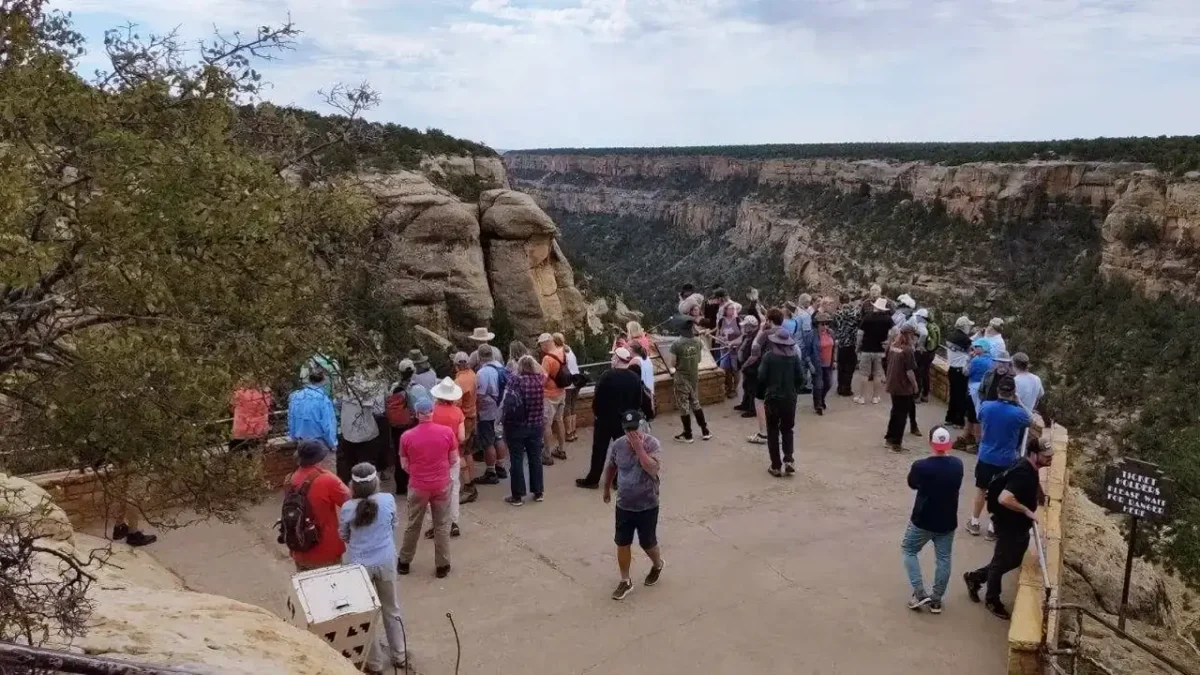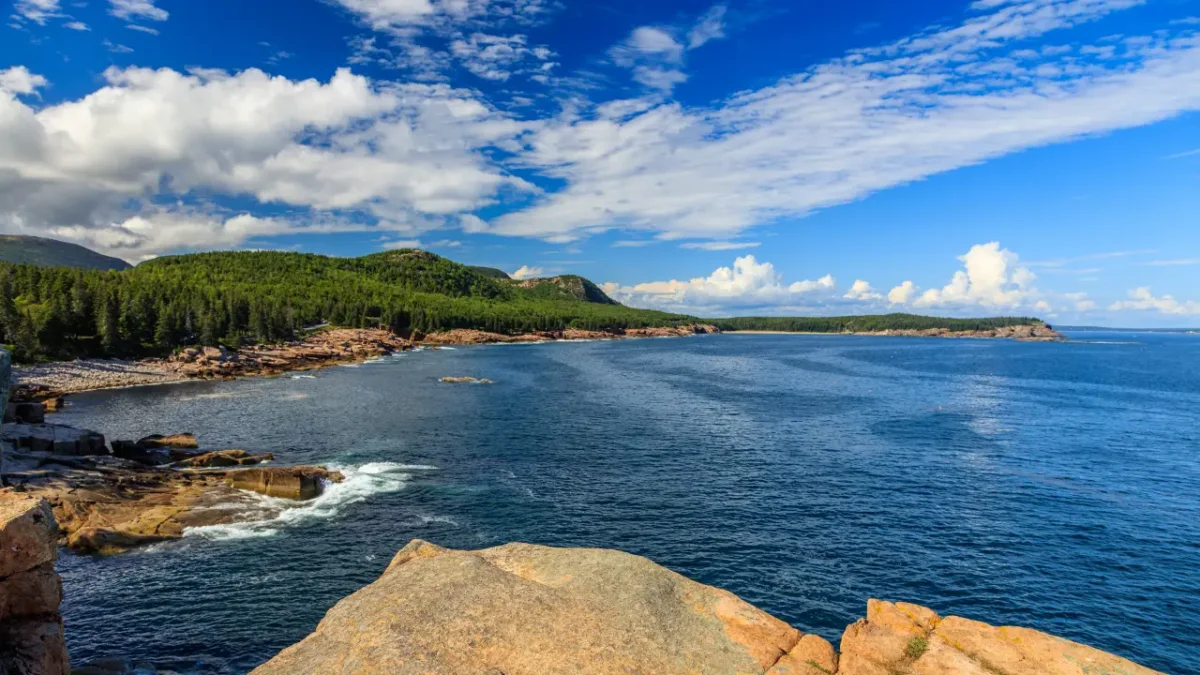
The best time to visit Acadia National Park is generally from late August through early October. Late summer brings warm days and full access to park facilities, while September offers cooler hiking weather. Early October adds brilliant fall color, although foliage season can be just as crowded as summer.
Acadia is known for its rocky Atlantic coastline, granite peaks, historic carriage roads, forested lakes, and the classic New England gateway town of Bar Harbor. The main planning challenge is balancing weather and access against traffic and limited parking. Summer provides the widest range of activities, but quieter spring and late-fall visits may involve changing road conditions, reduced shuttle service, and fewer open businesses.
This guide covers Acadia by season, how many days to spend, the best things to do independently, current planning requirements, and five guided Acadia National Park tours that make it easier to explore without worrying about routes, equipment, or parking.
Acadia National Park at a Glance
| Planning Detail | Recommendation |
|---|---|
| Best Overall Time to Visit | Late August through early October |
| Best Month for Hiking | September |
| Best Time for Fall Colors | Usually early to mid-October |
| Best Time for Fewer Crowds | Late spring or late October |
| Suggested Trip Length | 2–4 days |
| Main Gateway Town | Bar Harbor |
| Closest Regional Airport | Hancock County-Bar Harbor Airport |
| Closest Major Airport | Bangor International Airport |
| Main Seasonal Challenge | Traffic and limited parking |
| Official Planning Source | Acadia National Park |
Best Time to Visit Acadia National Park
For most travelers, late August through September offers the best overall combination of weather, trail access, operating services, and manageable temperatures.
Late August still feels like summer, making it a good choice for longer hikes, picnics, biking, boat trips, and time near the water. Crowds remain substantial, but they may ease slightly as families return to school.
September is especially appealing for hiking. Days are generally cooler, humidity is often lower, and most seasonal services continue operating. It is still a busy month, however, particularly on weekends and around Bar Harbor.
Early October can be spectacular when fall color spreads across Mount Desert Island. The contrast between red and gold foliage, pink granite, blue water, and evergreen forest makes this one of the most photogenic periods of the year. It is not a hidden shoulder season, though. Fall foliage attracts large numbers of visitors, so lodging, parking, and popular viewpoints can remain crowded.
Travelers who care more about solitude than predictable conditions may prefer late May, June, or late October. These periods can feel calmer, but road access, carriage-road conditions, shuttle schedules, weather, and business hours require closer attention.
Acadia National Park by Season
Spring
Spring in Acadia usually means cool temperatures, wet ground, variable weather, and a gradual return of seasonal services.
The Park Loop Road generally reopens in April when conditions allow, but individual roads, trails, carriage roads, campgrounds, and facilities may follow different schedules. Mud-season closures are especially important because using soft carriage roads can damage their historic surfaces.
May can still feel cold along the coast. Fog, rain, wind, and rapidly changing temperatures are common, so waterproof layers and warm clothing remain useful even when the forecast looks mild.
Black flies and ticks can also affect spring hiking. Insect repellent, long sleeves, and a careful tick check after walking through brushy areas are sensible precautions.
By June, conditions normally become more comfortable, businesses reopen, and transportation options expand. Some cliff trails may remain temporarily closed to protect nesting peregrine falcons, so check current trail alerts before choosing a route.
Spring is best for: Travelers who prefer lighter crowds and do not mind flexible plans, cool weather, insects, or possible trail and carriage-road closures.
Summer
Summer brings Acadia’s warmest weather, longest days, busiest roads, and widest selection of activities.
July and August are excellent for hiking, biking the carriage roads, taking a boat tour, exploring Mount Desert Island, and combining the park with time in Bar Harbor. Ranger programs, campgrounds, visitor services, restaurants, and tour operators are generally at their most active.
The tradeoff is congestion. Parking can fill early at Sand Beach, Jordan Pond, Eagle Lake, Echo Lake, and popular trailheads. Traffic is often slow along the Park Loop Road and around Bar Harbor.
The fare-free Island Explorer bus is one of the most useful planning tools during the busy season. It connects Bar Harbor, several island communities, trailheads, and many park destinations. Cadillac Summit Road is not served by the shuttle, so reaching the summit by car requires a separate vehicle reservation during the reservation season.
A good summer strategy is to begin early, use the shuttle when possible, avoid planning several high-demand stops in the middle of the day, and keep one or two backup destinations ready.
Summer is best for: First-time visitors, families, and travelers who want the broadest access to activities and services.
Fall
September and early October are among the best times to hike in Acadia.
Cooler air makes exposed climbs and longer trails more comfortable, while changing leaves add color to the forests around Jordan Pond, Eagle Lake, Bubble Pond, and the carriage roads.
September often provides the best balance. Most seasonal infrastructure is still operating, but temperatures are more comfortable than midsummer. Early October is better for fall color, though foliage timing changes each year and cannot be guaranteed for a specific week.
Do not expect complete solitude during foliage season. Weekends can be extremely busy, lodging prices may remain high, and popular parking areas can fill early.
Later in October, crowds usually begin to decline. At the same time, daylight becomes shorter, temperatures drop, some businesses reduce their hours, and seasonal transportation may end.
Fall is best for: Hikers, photographers, scenic drivers, and travelers willing to plan around foliage-season crowds.
Winter
Winter reveals a much quieter side of Acadia.
Most visitors come between late spring and fall, so November through early spring can feel remarkably peaceful. Snow, ice, strong wind, and freezing temperatures create opportunities for cross-country skiing, snowshoeing, winter hiking, and uncrowded coastal walks.
Large portions of the Park Loop Road close to motor vehicles for the winter, although limited year-round road access remains available. Closed road sections may become recreational routes when conditions are appropriate.
Winter hiking requires realistic preparation. Granite surfaces can become extremely slippery, and traction devices are not equally effective on every type of ice. Short daylight hours, limited cell service, reduced staffing, and fewer open businesses add to the challenge.
Bar Harbor is also much quieter. Some hotels, restaurants, shops, and tour services close or reduce their schedules.
Winter is best for: Experienced, self-sufficient visitors who are comfortable with cold-weather travel and limited services.
How Many Days Do You Need in Acadia National Park?
One Day
One day is enough for an introduction, but the itinerary must stay focused.
A practical first visit could combine:
- A drive along the Park Loop Road
- Sand Beach and the Ocean Path
- Thunder Hole or Otter Cliff
- Jordan Pond
- Cadillac Mountain, with a reservation when required
The full Park Loop Road is 27 miles, but driving it with worthwhile stops can take three to four hours. Adding a hike, lunch, traffic, and parking delays can easily turn it into a full day.
Avoid trying to include the quiet side of Mount Desert Island unless a western-island destination matters more than one of the main east-side highlights.
Two Days
Two days provides a much better first experience.
Use the first day for the Park Loop Road, coastal stops, and Cadillac Mountain. On the second day, add a hike or bike ride, then explore Jordan Pond, the carriage roads, or the quieter western side of Mount Desert Island.
This format leaves room for weather changes and parking delays without forcing every stop into a rigid schedule.
Three Days
Three days is ideal for many first-time visitors.
A balanced itinerary might include:
- One day for the Park Loop Road and Cadillac Mountain
- One day for hiking and the carriage roads
- One day for the quiet side, Bass Harbor area, or Schoodic Peninsula
This also creates flexibility for fog, rain, crowded parking, or a trail closure.
Four or More Days
Four or more days allows for a slower pace and a broader look at Acadia.
There is time to explore less-visited trails, return to a favorite viewpoint in better weather, spend an afternoon in Bar Harbor, visit the Schoodic Peninsula, or take a guided biking or sightseeing experience without sacrificing an independent park day.
Before You Visit: Official NPS Planning Information
Acadia’s entrance rules, road access, trail closures, facility schedules, and transportation services can change. Use official sources during the final stage of trip planning.
- Check current Acadia National Park conditions and alerts.
- Review current operating hours and seasonal openings.
- Review Acadia entrance fees and pass options.
- Download official Acadia National Park maps.
- Review current transportation information.
- Confirm Cadillac Summit Road vehicle reservation requirements.
- Review official Acadia hiking information.
- Check Acadia safety recommendations.
- Review accessibility information for Acadia.
For the 2026 season, vehicle reservations are required to drive Cadillac Summit Road from May 20 through October 25. An entrance pass is also required. Reservations are sold online rather than at the park, and availability is divided between dates released 90 days ahead and a larger batch released two days ahead. These dates and procedures can change in future seasons.
Best Things to Do in Acadia National Park
Drive the Park Loop Road
The Park Loop Road connects many of Acadia’s most recognizable destinations, including Sand Beach, Thunder Hole, Otter Cliff, Jordan Pond, and access points for several hiking trails.
Allow at least half a day, rather than treating it as a quick scenic drive. Parking, walking, photography, tide conditions, and traffic all add time.
Some sections operate one-way, and parking rules vary. Never create a parking space along a narrow road or stop outside designated areas.
Walk the Ocean Path
The Ocean Path offers a relatively approachable way to experience Acadia’s rocky coast.
The route follows the shoreline between Sand Beach and Otter Point, passing viewpoints near Thunder Hole and Monument Cove. It can be walked as a longer outing or divided into shorter sections.
Despite its accessibility compared with Acadia’s steep summit trails, the path still includes uneven surfaces. Coastal rocks can also become slick when wet.
Watch Sunrise or Sunset from Cadillac Mountain
Cadillac Mountain provides expansive views across Mount Desert Island, Frenchman Bay, surrounding islands, and the Atlantic.
Sunrise is the famous choice, but it requires a very early departure and, during the reservation season, the correct sunrise vehicle reservation. Daytime and sunset visits can be easier to fit into an itinerary while still offering excellent views.
Cadillac Mountain is not served by the Island Explorer, and a park entrance pass does not replace the separate road reservation.
Hike an Acadia Trail
Acadia has more than 150 miles of trails covering shoreline, forest, lakes, granite ridges, and mountain summits.
Good introductory options include:
- Ocean Path: Coastal scenery with flexible turnaround points
- Jordan Pond Path: A mostly level loop with rocky and uneven sections
- Gorham Mountain Trail: A moderate climb with coastal views
- Bubble Rock: A shorter hike to a well-known glacial boulder
- Great Head Trail: Rocky coastal terrain above Sand Beach
The Beehive and Precipice trails use exposed iron rungs and steep cliffside sections. They are not appropriate for every visitor and should not be treated as ordinary hikes. Wet rock, crowds, fear of heights, mobility limitations, and changing weather can make these routes considerably more difficult.
Bike the Carriage Roads
Acadia’s 45 miles of historic carriage roads provide one of the park’s most distinctive experiences.
These broken-stone roads pass through forests, around lakes, and beneath carefully constructed granite bridges. Cars are not allowed, but cyclists share the routes with walkers, horses, and horse-drawn carriages.
The hills can feel more demanding than expected. An e-bike can make longer routes more approachable, but riders still need bicycle-handling skills and must follow current rules regarding permitted e-bike classes and locations.
Check conditions before riding in spring because carriage roads may close during mud season.
Visit Jordan Pond
Jordan Pond is surrounded by forested slopes and views of the rounded North and South Bubble mountains.
Visitors can walk the pond loop, access nearby carriage roads, begin several hikes, or stop at Jordan Pond House. The area is extremely popular, and parking frequently reaches capacity.
The Island Explorer is often a better option than repeatedly circling the parking area during busy periods.
Explore the Quiet Side
The western half of Mount Desert Island is commonly called the quiet side.
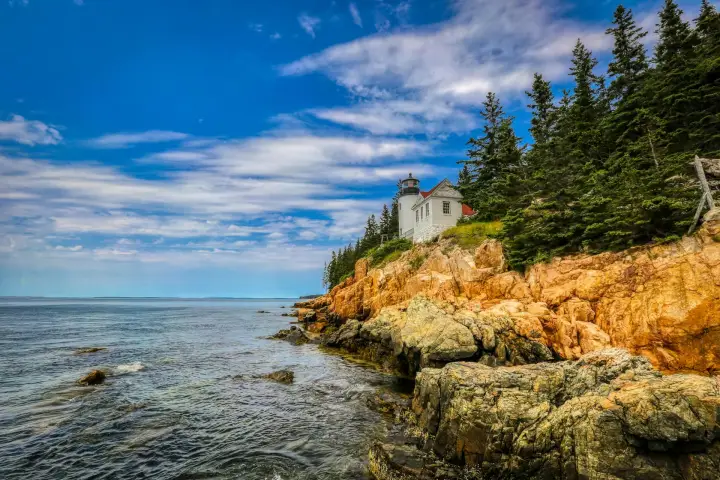
Popular stops include the Bass Harbor Head Light area, Ship Harbor Trail, Wonderland Trail, Echo Lake, and the communities of Southwest Harbor and Bass Harbor.
The quiet side is not empty, particularly during summer and foliage season, but it generally feels less concentrated than the Park Loop Road corridor.
Visit the Schoodic Peninsula
Schoodic Peninsula is part of Acadia National Park but sits on the mainland, away from Mount Desert Island.
It offers dramatic granite shoreline, ocean views, cycling opportunities, picnic areas, and a scenic road. Because reaching Schoodic requires additional travel time, it works best for visitors with at least three days or for those staying nearby.
Plan a Pet-Friendly Day
Acadia is more pet-friendly than many national parks. Leashed pets are permitted on approximately 100 miles of hiking trails and all 45 miles of carriage roads.
Restrictions still apply. Pets are prohibited on the park’s ladder trails, in public buildings, at certain beaches during seasonal periods, and in public water-supply lakes and ponds. Leashes may not exceed six feet.
5 Best Tours and Experiences in and Around Acadia National Park
Guided Acadia National Park tours are particularly useful during the busiest months.
A guide can simplify route planning, explain the park’s natural and cultural history, provide specialized equipment, and reduce the time spent searching for parking. Tours also help visitors without a rental car reach destinations that would otherwise be difficult to combine.
The five experiences below serve different travel styles. Some focus on active exploration, while others prioritize private transportation and a flexible sightseeing itinerary.
Comparison of the Best Acadia National Park Tours
| Experience | Best For | Duration | Starting Area | Activity | Location |
| Carriage Roads Guided E-Bike Tour | Active travelers who want to cover more of the carriage-road system | About 4.5 hours | Hulls Cove Visitor Center | Guided e-biking | Inside Acadia |
| Full-Day Small-Group Tour and Hike | First-time visitors who want sightseeing and a guided walk | About 7 hours | Bar Harbor area | Driving and hiking | Acadia and Mount Desert Island |
| Private Full-Day Acadia and Mount Desert Island Tour | Families and private groups wanting flexibility | About 6 hours | Mount Desert Island | Private sightseeing | Acadia and surrounding island communities |
| Private Acadia and Lighthouse Tour | Visitors with limited time | About 4 hours | Mount Desert Island area | Private sightseeing | Acadia and Mount Desert Island |
| Private Biking Tour and Hike | Active groups who want a supported full day | About 7 hours | Bar Harbor area | Biking and hiking | Inside Acadia |
Tour itineraries, durations, meeting locations, inclusions, and restrictions can change. Review the current activity page before booking.
1. Bar Harbor: Acadia National Park Carriage Roads E-Bike Tour
Best for: Active travelers who can ride a bicycle and want to explore a substantial section of the carriage roads
Duration: Approximately 4.5 hours
Starting area: Hulls Cove Visitor Center
Activity type: Small-group guided e-bike tour
Location: Inside Acadia National Park
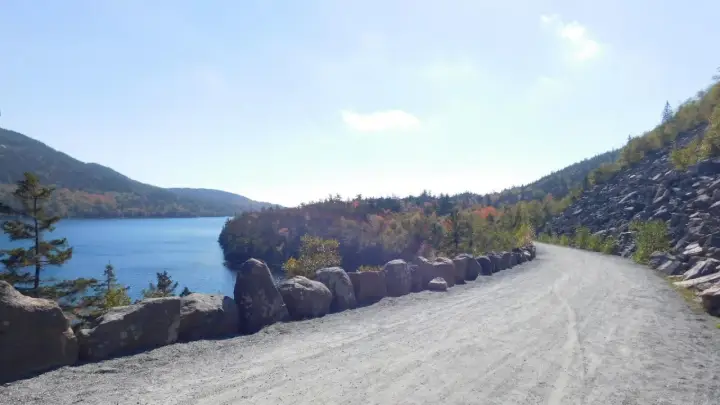
This guided ride covers approximately 22 miles of Acadia’s historic carriage-road network. The route begins at Hulls Cove Visitor Center and travels through the park without the traffic encountered on the Park Loop Road.
The itinerary can include Witch Hole Pond, Eagle Lake, Jordan Pond, Bubble Pond, and several historic stone bridges. A scheduled stop at Jordan Pond House gives riders time to use the facilities, enjoy the view, or purchase food.
The e-bike’s electric assistance helps with Acadia’s rolling terrain, but participants still need to pedal, steer confidently, brake safely, and remain comfortable riding for several hours.
Why It May Be Worth Booking
The carriage-road system is extensive, and it is easy for a first-time visitor to underestimate its hills or spend valuable time deciding which junctions to follow.
A guide provides a structured route and adds context about the roads, bridges, landscape, and park history. The longer format also covers considerably more ground than a casual independent ride.
The experience includes an e-bike, helmet, safety instruction, water, and a guide. Food may be purchased during the Jordan Pond stop but is not included. The park entrance pass is also separate.
Who Should Consider It
This tour works well for adults who are already comfortable balancing and controlling a bicycle. It can also be useful for travelers staying in Bar Harbor who want an active park experience without transporting rental bikes.
It is not suitable for children under 16, people unable to ride a bicycle, wheelchair users, or visitors with certain mobility, height, weight, or medical limitations. Review the complete restriction list before reserving.
See available dates and review the Carriage Roads e-bike itinerary.
2. Acadia Full-Day Small-Group Tour and Hike

Best for: First-time visitors who want a broad introduction without driving themselves
Duration: Approximately 7 hours
Starting area: Bar Harbor, with eligible pickup options
Activity type: Small-group sightseeing and hiking
Location: Acadia National Park and Mount Desert Island
This full-day experience combines scenic driving with time outside the vehicle.
A typical itinerary may include Park Loop Road destinations, coastal viewpoints, Jordan Pond, Cadillac Mountain when access permits, the Bass Harbor Head Light area, and a guided hike. The exact route may change because of weather, congestion, closures, reservations, and group needs.
Why It May Be Worth Booking
Acadia’s major attractions look close together on a map, but traffic and parking can make an independent sightseeing day surprisingly complicated.
This tour places the transportation and sequencing in the hands of a guide. It is particularly useful for visitors who want to see both the famous east-side destinations and part of the quieter western side without building a detailed driving plan.
The hiking component also adds more depth than a sightseeing-only bus tour. It gives travelers a chance to experience Acadia on foot while following a route selected by someone familiar with current conditions.
Who Should Consider It
The small-group format is a practical match for solo travelers, couples, and first-time visitors without a rental car.
Participants should be ready for a moderate walk and a full day away from their lodging. Lunch and the park entrance fee may not be included, and Cadillac Mountain access can depend on current road conditions and commercial reservation availability.
Check current prices and availability for the full-day small-group tour.
3. Acadia and Mount Desert Island Private Full-Day Tour

Best for: Families, couples, and groups that want a flexible private itinerary
Duration: Approximately 6 hours
Starting area: Mount Desert Island, with eligible pickup options
Activity type: Private sightseeing
Location: Acadia National Park and surrounding Mount Desert Island communities
A private driving tour gives the group more control over the pace and priorities of the day.
Instead of following a fixed large-group itinerary, travelers can discuss their interests with the guide. Depending on current access and the group’s preferences, the route might emphasize coastal viewpoints, short walks, park history, photography, island villages, Jordan Pond, Cadillac Mountain, or the western side of Mount Desert Island.
Why It May Be Worth Booking
The main advantage is flexibility.
Families with different energy levels can avoid committing everyone to the same hike. Travelers with mobility concerns can prioritize viewpoints that require less walking. Photographers can spend more time at selected locations rather than rushing through a predetermined sequence.
A private vehicle also reduces the frustration of navigating the island, choosing legal parking, and coordinating several stops during peak season.
Who Should Consider It
This option is best for groups that value privacy and customization more than the lower per-person cost of a shared tour.
Because pricing is generally calculated for the private group, it may become more reasonable when several people travel together. Entrance fees, meals, and access to Cadillac Summit Road may be handled separately, so confirm the current inclusions before booking.
Review the private Acadia and Mount Desert Island tour details.
4. Bar Harbor: Acadia National Park and Lighthouse Private Tour
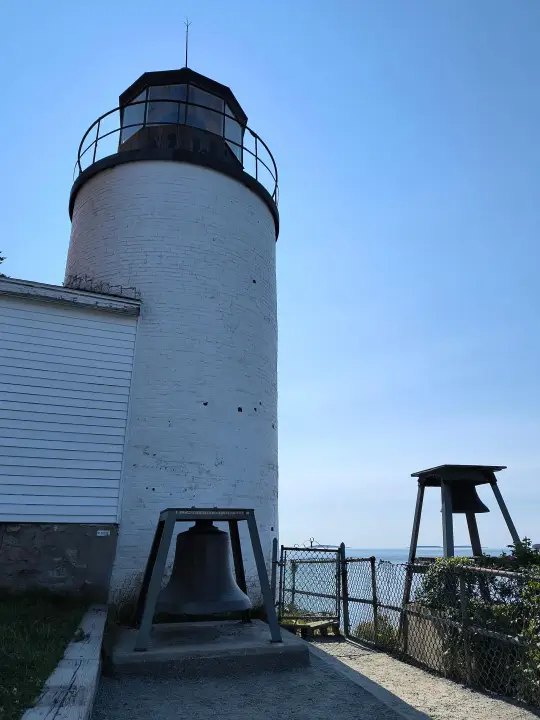
Best for: Cruise passengers, short stays, and travelers seeking a private introduction
Duration: Approximately 4 hours
Starting area: Mount Desert Island, with eligible pickup options
Activity type: Private sightseeing
Location: Acadia National Park and Mount Desert Island
This half-day private tour is designed for travelers who want personalized transportation without giving up an entire day.
The route is customizable, but four hours requires clear priorities. Depending on traffic, access, and pickup location, the group might focus on Park Loop Road highlights, coastal viewpoints, Jordan Pond, a lighthouse area, or another section of Mount Desert Island.
Why It May Be Worth Booking
A private driver-guide can help a group cover more ground than it might independently during a short visit.
This is particularly valuable when parking is limited or when the group wants to move efficiently between several scenic stops. It can also serve as an orientation tour early in a longer stay, making it easier to decide which places deserve a return visit.
Who Should Consider It
The format suits cruise passengers, families with limited time, and visitors who prefer sightseeing over a long hike.
Because the experience is only half a day, it is not realistic to see every major part of Acadia and Mount Desert Island. Share the group’s top priorities in advance and allow the guide to recommend a workable route.
Check whether the private park and lighthouse tour fits your schedule.
5. Acadia Full-Day Private Biking Tour and Hike
Best for: Active families or groups seeking a privately guided outdoor day
Duration: Approximately 7 hours
Starting area: Bar Harbor, with eligible pickup options
Activity type: Private biking and hiking
Location: Inside Acadia National Park
This experience combines two of Acadia’s signature activities: riding the carriage roads and hiking a park trail.
The private format allows the guide to adapt the day to the group’s fitness, interests, and comfort level. A typical experience includes a supported bicycle ride followed by a moderate hike, although exact routes may change.
Bikes, helmets, transportation, snacks, and water may be included. Lunch and the park entrance fee are generally separate, so review the current booking page carefully.
Why It May Be Worth Booking
Planning an independent biking-and-hiking day involves several decisions: where to rent equipment, how to transport it, where to begin, which carriage-road loop to follow, which hike pairs well with that route, and where legal parking is likely to be available.
A private guide handles much of that logistical work. The result is a more seamless active day with less time spent navigating junctions or returning rental equipment.
Who Should Consider It
This tour is a good match for active groups that want more than a sightseeing drive but do not want to organize the equipment and routes themselves.
Participants need an appropriate level of fitness and must be comfortable riding a bicycle. The private format can make it easier to adjust the pace, but it does not remove the physical demands of several hours outdoors.
See whether the private biking and hiking experience fits your travel dates.
How to Choose the Right Acadia Experience
Choose the Carriage Roads E-Bike Tour when the carriage-road system is a priority and everyone in the group can confidently ride a bicycle. It provides the most focused biking experience and covers far more distance than a short rental.
Choose the Full-Day Small-Group Tour and Hike for a first visit without a car. It balances major viewpoints, transportation, local interpretation, and time on a trail without the expense of reserving an entire private vehicle.
Choose the Private Full-Day Acadia and Mount Desert Island Tour when flexibility matters most. It works especially well for families, photographers, multigenerational groups, and travelers who want to set their own pace.
Choose the Private Park and Lighthouse Tour when the available time is limited. It is better suited to a carefully selected introduction than to an exhaustive tour of the island.
Choose the Private Biking Tour and Hike for an active group that wants a complete supported day without coordinating bike rentals, transportation, trail selection, and parking.
Frequently Asked Questions
What is the best month to visit Acadia National Park?
September is often the best overall month. Temperatures are usually comfortable for hiking, most seasonal services remain available, and early hints of fall color may appear later in the month.
Early October is better for visitors prioritizing foliage, while July and August are better for the widest range of summer activities.
When is fall foliage in Acadia National Park?
Peak fall color often occurs in early to mid-October, but timing varies with temperature, rainfall, wind, and other seasonal conditions.
Do not plan a trip around a guaranteed peak date. Monitor current Maine foliage reports as the visit approaches.
How many days are enough for Acadia?
Two days is enough to see the main highlights and complete one hike or carriage-road outing.
Three days is better for a first visit because it leaves time for the quiet side, weather changes, and a less rushed pace. Four or more days allows for Schoodic Peninsula, additional hikes, guided activities, or time in Bar Harbor.
Do you need a reservation to enter Acadia National Park?
A general reservation is not required to enter most of Acadia, but an entrance pass is required year-round.
A separate timed vehicle reservation is required to drive Cadillac Summit Road during the seasonal reservation period. For 2026, that period runs from May 20 through October 25. Future dates should always be confirmed through the National Park Service.
Can you visit Acadia without a car?
Yes, particularly during the Island Explorer operating season.
The fare-free bus network connects Bar Harbor with several park destinations, island communities, and trailheads. Cadillac Summit Road is not served by the Island Explorer, so reaching the summit requires hiking, biking where permitted, taking a taxi, joining an eligible commercial tour, or using a reserved personal vehicle.
Is parking difficult in Acadia?
Parking can be very difficult from summer into fall.
Jordan Pond, Sand Beach, Eagle Lake, Echo Lake, and popular trailheads frequently reach capacity. The NPS recommends using the Island Explorer, arriving before 8 a.m. or after 5 p.m., and keeping a backup destination ready.
Are dogs allowed in Acadia National Park?
Leashed dogs are allowed on many trails and all carriage roads, but not everywhere.
Pets are prohibited on ladder trails, in public buildings, in public water-supply lakes and ponds, and at Sand Beach and Echo Lake Beach during specified seasonal periods. Always review the current pet rules before choosing a route.
Is the Beehive Trail suitable for beginners?
The Beehive should not be treated as a standard beginner trail.
It includes exposed ledges, iron rungs, steep climbing, and sections where turning around can be difficult. Hikers uncomfortable with heights, exposure, crowds, or climbing with hands and feet should choose another trail.
Can you swim in Acadia?
Swimming is allowed at designated locations such as Sand Beach and Echo Lake Beach when open, but the Atlantic water at Sand Beach remains cold even in summer.
Swimming and wading are prohibited in lakes and ponds used as public water supplies. Follow all posted regulations.
Final Thoughts
The best time to visit Acadia National Park depends on what matters most.
Late August provides warm weather and broad activity access. September offers excellent hiking conditions. Early October adds fall foliage but also attracts large crowds. Spring and late fall can be quieter, though visitors need more flexible expectations regarding weather, transportation, facilities, and trail conditions.
Two to three days is a practical starting point for a first trip. That leaves enough time to experience the Park Loop Road, choose a meaningful hike, explore part of the carriage-road system, and visit either the quiet side or another less-concentrated section of the park.
Guided experiences are not necessary to enjoy Acadia, but they can solve specific problems. A sightseeing tour reduces driving and parking stress. An e-bike tour simplifies navigation on the carriage roads. A private tour creates flexibility for families and groups. A supported biking-and-hiking day removes the need to coordinate equipment and routes.
Before traveling, review the current NPS alerts, entrance requirements, Cadillac Summit Road reservation rules, shuttle schedule, road access, and trail closures. Conditions on the Maine coast can change quickly, and a backup plan is one of the most useful things to bring.
Disclaimer: This post is for informational purposes only. Always check official park regulations, permits, road conditions, closures, and weather before planning or booking any activity.
Affiliate Disclosure: ChaseTheBigDream.com participates in affiliate programs, including GetYourGuide and other trusted partners. When you book or purchase through qualifying links, the site may earn a small commission at no extra cost to you. These partnerships help support the creation and maintenance of independent travel guides.