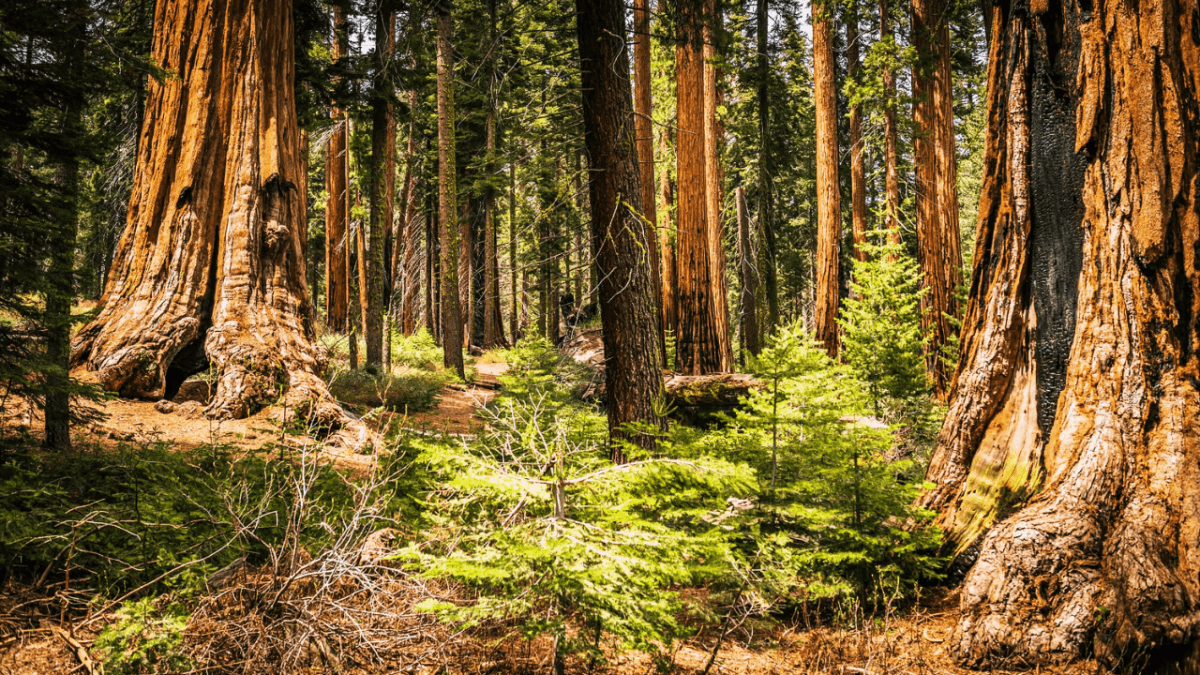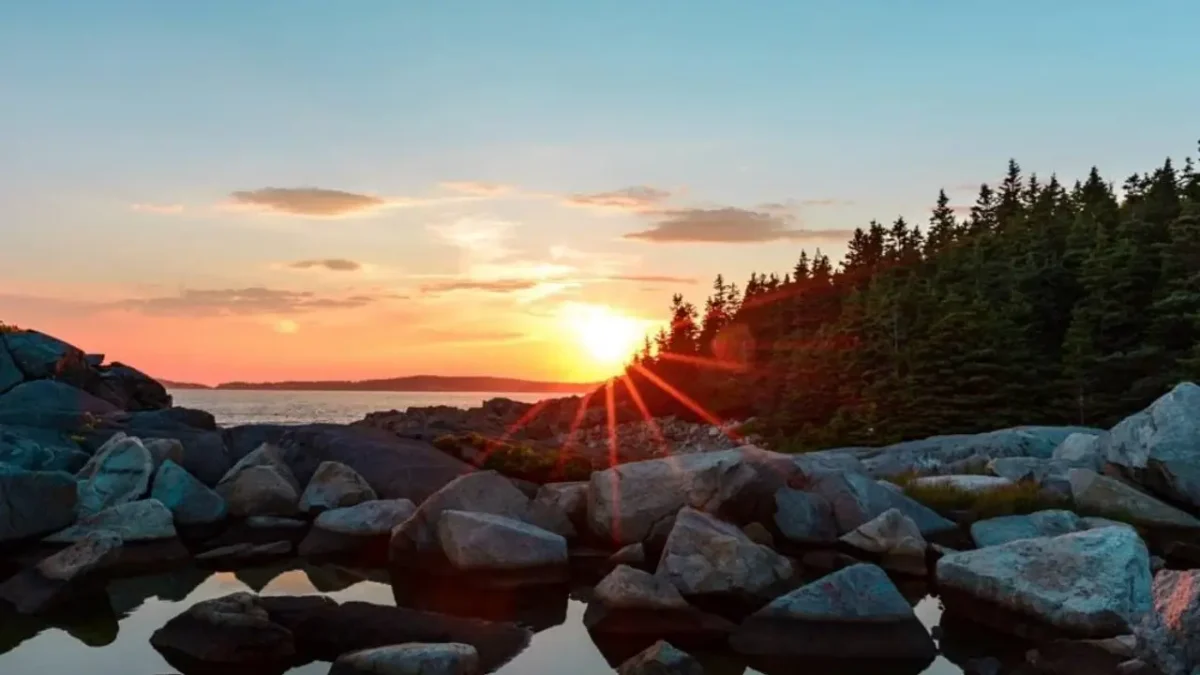
The approach to Mount Desert Island already feels like part of the trip. The road curves over inlets and past spruce forests before finally crossing onto the island itself. The air sharpens with salt and resin, gulls drift overhead, and the granite shoreline hints at what waits inside Acadia National Park. 🌊
At first light, color washes over Cadillac Mountain and the surrounding ridges. The same pink and gold that looked soft from town feels more alive when viewed from a rocky summit or quiet overlook. Waves roll through narrow coves, carriage roads wind through sunlit woods, and small pockets of still water reflect sky and trees in calm weather.
Acadia has a way of feeling both big and approachable. There are dramatic views from iron-rung trails and short walks to coastal overlooks where anyone can sit on warm rock and watch the tide. It’s an easy park to love—and a hard one to leave after just a day trip. That’s why many visitors look for a basecamp that allows early starts, slow evenings, and time to settle into the rhythm of the place. 🌲
A simple cabin or rustic campground can make that possible. Instead of driving long distances after a full day on trail, it’s reassuring to know there is a dry bed, a hot shower, and a quiet place to watch the light fade. This guide walks through how staying “inside” Acadia works, then highlights four nearby cabin-friendly spots that blend comfort with easy access to the park.
How to Stay Inside Acadia National Park
Staying within the boundaries of Acadia puts trailheads, viewpoints, and scenic drives close at hand. Stepping out of a tent in the cool morning and hearing the wind in the trees or the distant ocean feels very different from waking up in town. For many visitors, at least part of the trip spent inside the park becomes a favorite memory. 🏕️
There is one key detail to understand from the start: Acadia National Park does not have any official NPS-managed cabins or lodges for rent inside the park. The overnight experience within park boundaries is centered entirely on camping—tent sites, RV sites, and a few hike-in options. Anyone hoping for four solid walls and a cabin atmosphere will want to look just outside the park, which this guide covers in the next section.
Inside Acadia, three official campgrounds cover different parts of the park and different styles of trips. All three require reservations, and those reservations can go quickly during peak months.
Official Campgrounds in Acadia:
- Blackwoods Campground
On the east side of Mount Desert Island, Blackwoods sits close to many of the park’s most famous spots. From here, it’s a short drive to Cadillac Mountain, the Ocean Path, and Sand Beach. Sites are tucked into a dense evergreen forest, so even though the campground is large, it still feels woodsy and sheltered.- Reservations: Required. Can be booked up to 6 months in advance on Recreation.gov. Blackwoods is popular, so dates in July, August, and foliage season often fill fast.
- Best for: Tent campers and small RVs who want a central location and minimal driving to reach classic Acadia hikes and viewpoints.
- Seawall Campground
Seawall sits on the western “quiet side” of Mount Desert Island. The pace here feels slower, with small roads, less traffic, and fewer crowds than the Bar Harbor area. The rocky shoreline is a short walk away, and tidepools, low cliffs, and shoreline ledges give visitors easy, informal access to the water.- Reservations: Required. Open from late May to early October, with sites released 6 months ahead.
- Best for: Families and campers who prefer a quieter setting, easy shoreline access, and a more laid-back base away from the busiest areas.
- Schoodic Woods Campground
Located on the Schoodic Peninsula, this campground serves the only part of Acadia on the mainland. It feels more remote, with fewer crowds and rugged shoreline that sees heavier swells and dramatic surf. The campground itself offers modern facilities and well-spaced sites.- Reservations: Required. Open from late May to early October for tents, RVs, and some hike-in sites.
- Best for: RV travelers and campers drawn to solitude, coastal views, and the quieter, less visited Schoodic section.
A mix-and-match approach works well for many trips: a few nights in one of the park campgrounds, then a stretch in a nearby cabin for extra comfort. That way, it’s possible to experience both the immediacy of camping and the ease of a roof and bed. 😊
Planning Your Stay:
Timing is one of the most important details. Acadia uses a rolling 6-month reservation window, so a mid-July stay opens for booking in January. Popular weekends, holidays, and peak fall foliage dates can sell out quickly.
- Official Booking Portal: All official campground reservations go through Recreation.gov. Third-party sites may list information, but the actual bookings happen here.
- Park Regulations: Before traveling, it’s wise to review current rules, seasonal openings, and any fire restrictions on the official NPS page for Acadia National Park. This page is updated with closures, alerts, and other important changes.
For visitors who want the comfort of a cabin, more amenities, or a different setting—like a lakeside shoreline instead of coastal rock—some of the best options sit just outside the park boundary.
Hidden Stays Near Acadia National Park
Outside the formal park lines, the landscape stays distinctly “Acadia,” but the overnight options expand. Private campgrounds offer simple cabins, RV sites, and sometimes waterfront access on lakes or quiet bays. The drives into the park remain manageable, but the atmosphere at camp can feel more relaxed and flexible. 🌲
The four stays below all work well as basecamps for exploring Acadia. Each offers a slightly different flavor: central and family-friendly, lakeside and quiet, Downeast and rugged, or deep-woods and classic Maine lake country. Together, they give plenty of options for different trip styles and comfort levels.
1. Hadley’s Point Campground: The Convenient Family Hub
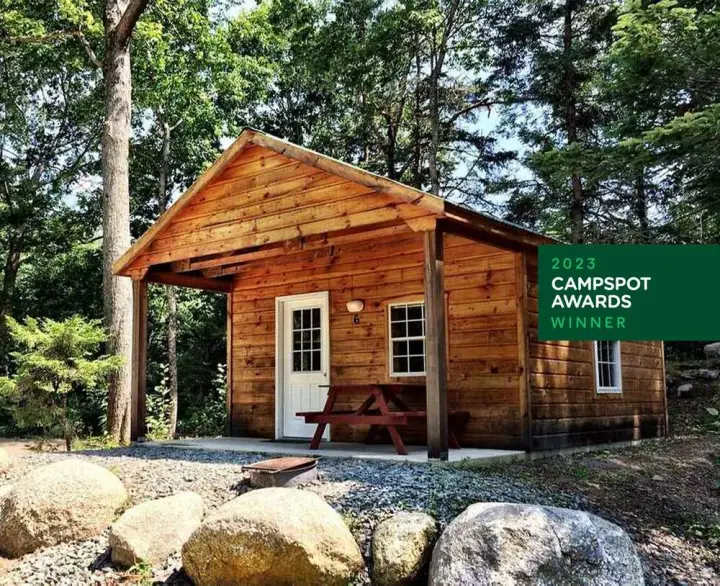
Hadley’s Point is all about proximity and ease. After a full day on the Beehive Trail, the Gorham Mountain loop, or the Ocean Path, it’s reassuring to know that a cabin is only a short drive away. Here, a hot shower, a warm meal, and a place to relax arrive quickly—no long evening commute required. ✨
The campground sits near the northern tip of Mount Desert Island, just outside Bar Harbor and a short drive from the main park entrance. The cabins are basic but comfortable structures—a roof, solid walls, beds, and a compact space to retreat from wind or rain. They offer the feel of camping with less setup and more protection from the elements than a tent.
Families often gravitate here because the property feels designed for them. Kids can play at the heated swimming pool or playground, while adults organize gear, cook dinner outside, or unwind by the fire. Even when the campground is full, the overall energy tends to feel upbeat and neighborly rather than overwhelming. 😊
Key Details:
- Location: Bar Harbor, ME
- Distance to Park: Less than a 5-minute drive to the main Mount Desert Island entrance. Getting to trailheads and scenic drives is simple, especially for early-morning starts.
- Atmosphere: Lively, social, and family-oriented. Expect the sound of kids at play, occasional campfire conversations, and a sense of shared adventure.
- Amenities: Heated swimming pool, playground, camp store, and access to the Island Explorer shuttle bus. The shuttle (seasonal and free) can carry visitors into the park and to Bar Harbor, reducing the stress of finding trailhead parking on busy days.
- Best Season: Summer, when the shuttle is running, the pool is open, and long days invite full itineraries.
Cabin and site options are listed here
For straightforward booking and more nearby options, this Campspot link is an easy starting point when planning a cabin-based Acadia trip.
2. Balsam Cove Campground: The Quiet Lakeside Retreat
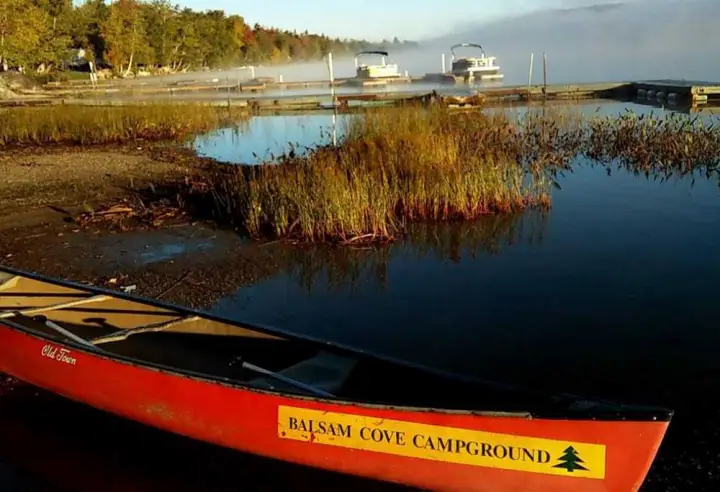
Balsam Cove offers a different rhythm. Here, Toddy Pond replaces the Atlantic as the primary water view, and mornings begin with mist rising off the lake rather than waves breaking on rock. For travelers who like the idea of combining a lake stay with day trips into Acadia, this can be an ideal match. 🛶
Cabins at Balsam Cove often sit close to the shoreline, with screened porches or small decks that look out onto the water. A typical day might include an early paddle on the glassy lake, a midmorning drive into the park for a hike or scenic loop, and a quiet evening swim or campfire back at camp. The roughly 40–45 minute drive to Mount Desert Island becomes a transition from forested inland lakes to saltwater coastline.
The atmosphere here is slower and quieter than in Bar Harbor. Nights are darker, stars can be bright on clear evenings, and the sounds of camp tend to stay low. This is the kind of place where visitors linger over coffee on the porch or bring a book down to the shore for an easy afternoon between hiking days. 🌤️
Key Details:
- Location: Orland, ME
- Distance to Park: Approximately 40–45 minutes to the Mount Desert Island entrance.
- Atmosphere: Serene, low-key, and centered on the lake. It’s a good fit for travelers who like quieter nights and a bit more space.
- Amenities: Lake access with boat launch, kayak and canoe rentals, camp store, and simple, cozy cabins (often with screened-in porches to escape insects while still feeling outside).
- Best Season: Late spring through early fall. Shoulder seasons bring cool nights and fewer crowds, while midsummer offers warm water and long daylight hours.
Lakeside sites and cabins can be previewed here
Those looking for a calm home base outside the bustle of Bar Harbor can book this stay through Campspot and build a trip that pairs mountain ridges with quiet water.
3. Cottonwood Camping & RV Park: The Downeast Basecamp
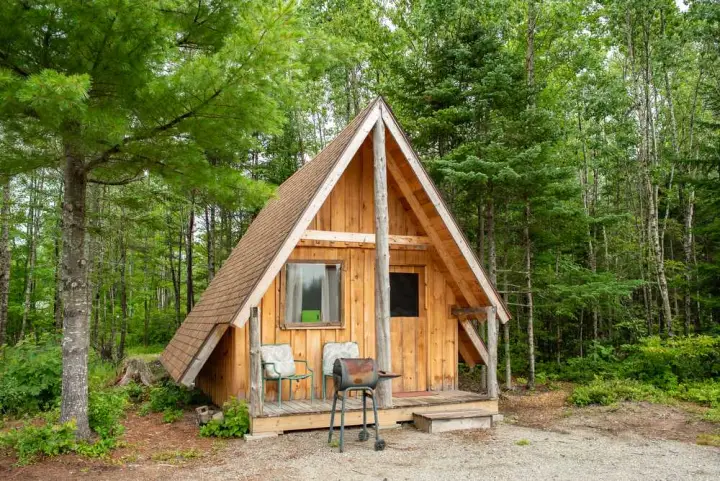
For visitors drawn to the less crowded side of Acadia, the Schoodic Peninsula and the broader Downeast coast hold lasting appeal. Cottonwood Camping & RV Park in Columbia Falls makes a practical base for exploring this region. The coast here is more rugged and less touristed, and the nearby towns feel distinctly local. 🦞
Cottonwood is primarily an RV park, but basic camping cabins add another option for travelers who want a simple roof without hauling a trailer. These cabins lean decidedly rustic: four walls, a dry place to sleep, and access to shared facilities. The emphasis is on utility rather than polish, which matches the overall feel of the area.
From Cottonwood, it’s possible to spend one day exploring Schoodic’s dramatic coastline, another walking in coastal villages like Cutler or Lubec, and another following less-traveled roads through blueberry barrens and forest. Evenings back at camp are usually quiet, with the sound of wind in the trees and the occasional passing vehicle on nearby roads. 🌲
Key Details:
- Location: Columbia Falls, ME
- Distance to Park: About 45 minutes to the Schoodic Peninsula entrance and just over an hour to the Bar Harbor side of Acadia.
- Atmosphere: Rustic, relaxed, and unpretentious. It has the feel of a classic Maine woods campground where the focus is on being outside.
- Amenities: Clean bathhouses, laundry facilities, RV sites, and simple camping cabins. Everything is geared toward supporting long days exploring the coast.
- Best Season: Summer, when marine-layer fog burns off earlier, coastal towns are fully open, and daylight extends deep into the evening.
Details, photos, and reservations are available here
Travelers who value authenticity, quieter roads, and a less polished feel can book this stay through Campspot and use it as a launching point for a deeper Downeast itinerary.
4. Wild Fox Cabins & Campground: A True Maine Woods Escape
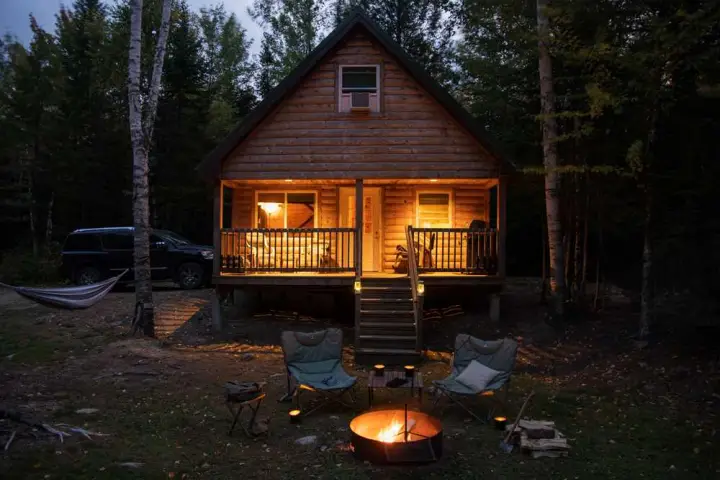
Wild Fox Cabins & Campground in Naples sits well west of Acadia, but it earns a spot in this guide because many trips to Acadia are part of a larger Maine adventure. This is the kind of place that fits naturally at the start or end of a road trip that also includes time on the coast. 🌌
The property sits on or near Sebago Lake, with classic cabin-in-the-woods vibes: tall trees, glimpses of water through the trunks, and simple structures built for time outside rather than indoor luxury. Many cabins place guests just a short walk from the shoreline, where swimming, paddling, or casting a line can fill hours between drives.
Because Wild Fox is over 2.5 hours from Acadia, it works best as its own chapter. A traveler might spend several days unwinding here—swimming, paddling, or taking short local walks—before driving across the state for several more days of hiking and coastal scenery in Acadia. The contrast between the two environments makes the overall trip feel richer. 🛶
Key Details:
- Location: Naples, ME
- Distance to Park: Approximately 2 hours and 45 minutes from Acadia National Park—better as a separate leg than a daily basecamp.
- Atmosphere: Classic Maine lake setting: relaxed, family-friendly, and grounded in boating, swimming, and porch time.
- Amenities: Waterfront access on Sebago Lake, boat rentals, a sandy beach, and well-equipped cabins designed for easy, comfortable stays.
- Best Season: Summer, when warm water and long daylight hours make lake life especially inviting.
Cabin and campground details can be viewed here
Those building a multi-stop Maine itinerary can book this stay through Campspot and weave a lakeside retreat into an Acadia-focused road trip.
Comparison Table: 4 Unique Stays Near Acadia National Park
| Stay | Distance to Park | Best For | Key Amenity | Vibe |
|---|---|---|---|---|
| Hadley’s Point | < 5 mins | Families & Convenience | Pool & Shuttle | Lively & Central |
| Balsam Cove | ~45 mins | Peace & Quiet | Lakeside Access | Serene & Restful |
| Cottonwood Camping | ~45 mins (to Schoodic) | Exploring Downeast | Quiet, Rustic Sites | Authentic & Wild |
| Wild Fox Cabins | ~2.75 hours | A Maine Woods Trip | Lake & Boat Rentals | Classic & Remote |
This mix covers most trip styles: close-in and busy, quiet and lakeside, rugged and downeast, or deep-woods and road-trip friendly. 😊
Traveler Tip Box: Acadia Essentials
A little planning makes a big difference in how Acadia feels. The park is incredibly rewarding, but it’s also popular, and weather can change without much warning. These essentials help keep things running smoothly:
- Best Season to Visit:
Late spring (June) and early fall (September–October) offer a nice balance of moderate temperatures, thinner crowds, and vibrant colors. Summer brings warm water and long days but also the heaviest visitation. Early to mid-October is usually prime time for fall foliage, though timing varies with weather. - Park Entrance Fees:
A park pass is required for all vehicles entering Acadia. Passes can be purchased online through Recreation.gov or at park entrance stations. Buying ahead of time can reduce delays at the gate. View current fees here. - Cadillac Mountain Reservations:
Driving to the summit of Cadillac Mountain now requires a separate timed vehicle reservation in addition to the standard park pass. Reservations are limited and popular sunrise slots often sell out quickly. Checking dates and booking in advance is essential for anyone hoping to catch daybreak from the summit. - Weather Warning:
Coastal Maine is known for changeable weather. Sun, fog, rain, and wind may all show up in a single day. Dressing in layers—a moisture-wicking base, an insulating midlayer, and a waterproof shell—makes it easier to stay comfortable. Packing a warm hat and light gloves is smart, even in midsummer, especially for early morning or exposed summits.
Adventure Beyond the Campsite
Cabins and campgrounds provide rest, but most visitors remember Acadia for the moments in between: crossing a rocky saddle above the trees, watching waves surge into a narrow cove, or coasting down a smooth stretch of carriage road with no cars in sight. The park’s network of trails and paths makes those moments easy to find. 🚶♀️
- Hike the Ocean Path:
The Ocean Path’s 2.2-mile one-way route from Sand Beach to Otter Point offers an approachable introduction to Acadia. The path is relatively flat and stays close to the shoreline, connecting iconic features such as Thunder Hole and Otter Cliff. Ocean views, sea breeze, and the sound of surf are constant companions. Full details and any current advisories are available on the NPS website. - Bike the Carriage Roads:
John D. Rockefeller Jr.’s gift to the park, the carriage roads are 45 miles of vehicle-free, gravel-surfaced routes. These roads curve around lakes, pass under handsome stone bridges, and climb gradually to forested viewpoints. They are excellent for biking, walking, or running, and they allow visitors to experience Acadia’s interior at a quieter pace. 🚴 - Climb an Iron Rung Trail (with caution!):
Trails such as the Beehive and the Precipice are among the park’s most memorable routes—but they are also serious undertakings. These hikes involve exposed ledges, metal rungs, and ladders. They are best for hikers comfortable with heights, solid balance, and dry conditions. Good footwear, a conservative mindset, and respect for closures and warnings are all essential.
For those turning an Acadia visit into a broader road trip, a rented RV or campervan can function as both vehicle and basecamp. That flexibility makes it easier to respond to weather changes, adjust daily plans, or move between different areas of Maine. RVshare offers a wide range of rigs—from compact campervans to spacious motorhomes—often with pickup locations within a reasonable drive of the park. 🚐
Navigation is another key piece of the puzzle. Cell coverage is limited or inconsistent in parts of Acadia, especially away from major roads. Downloading offline maps before leaving town helps prevent navigational surprises. Many hikers and backcountry travelers turn to Gaia GPS to plan routes, record tracks, and follow trails even when reception drops. This kind of preparation adds a layer of safety and lets everyone focus more on the scenery.
Essential Gear for Acadia National Park
Acadia’s terrain is a mix of wooded trail, exposed granite, roots, and occasionally slick rock. Packing with those surfaces in mind keeps days smoother and safer. Two items in particular play an outsized role in comfort and security on the trail: a reliable rain jacket and supportive hiking boots. 🎒
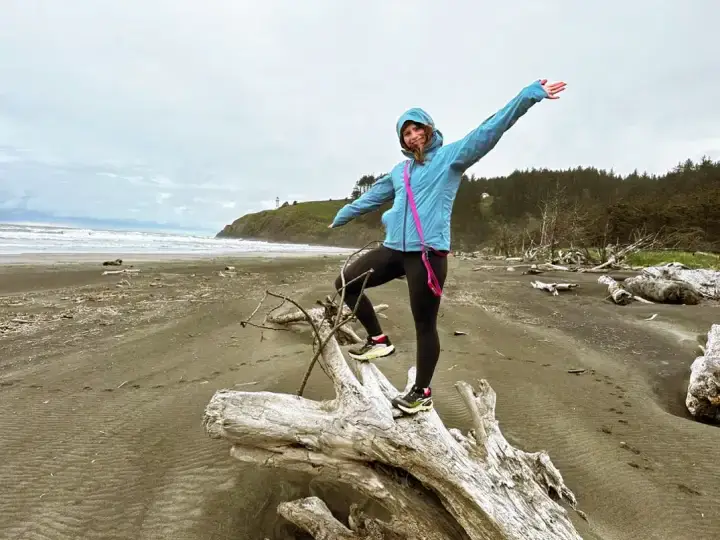
- A Seriously Good Rain Jacket
Weather changes fast along the Maine coast. A clear morning can turn foggy and damp; a cloudy afternoon can quickly bring a passing shower. A simple windbreaker often struggles in sustained drizzle or wind-driven rain. A waterproof, breathable shell does a better job protecting insulating layers and keeping body heat where it belongs.
A jacket like the REI Co-op XeroDry GTX Jacket offers a good balance for Acadia. It packs small enough for a daypack, layers easily over a fleece or light puffy, and handles wet, breezy conditions that can feel common at higher elevations and along the coast. - Hiking Boots with Ankle Support and Grippy Soles
Many Acadia trails travel over “granite bald” sections—broad, rounded stretches of rock that can be slick when damp. Add roots, loose gravel, and occasional steep pitches, and footwear becomes more than just a comfort choice. Trail runners can work on gentler routes, but a solid hiking boot often feels more secure.
A boot like the Merrell Moab 3 brings both cushioning and traction to the party. The outsole grips rock better than casual sneakers, and the added ankle support helps protect against missteps on uneven terrain.
Did You Know? From early October to early March, the summit of Cadillac Mountain is among the first places in the United States to see the sunrise. The combination of elevation and eastern location gives early risers a front-row seat to daybreak. 🌅
Checklist: What to Pack for Acadia
A simple checklist makes it easier to pack intentionally, avoid forgotten essentials, and feel more relaxed when departure day arrives:
- Park Pass & Cadillac Mountain Reservation (if needed)
- Broken-in Hiking Boots
- Waterproof Rain Jacket
- Multiple Layers (fleece, moisture-wicking shirts)
- Daypack
- Reusable Water Bottle
- Sunscreen & Sunglasses
- Bug Spray (especially for wooded and marshy areas)
- Headlamp or Flashlight (for sunrise hikes or late returns)
- Trail Map or GPS App (Gaia GPS is a reliable option)
- Binoculars (for seabirds, puffins, and possible peregrine falcons)
- Camera
Adjusting this list for season—adding warmer layers in shoulder months or extra sun protection and water in midsummer—helps keep each day comfortable. 😊

Stay Wilder, Travel Lighter
There is a particular quality to the light in Acadia after sunset. The horizon softens, the sky shifts toward deep blue, and small islands and headlands become silhouettes framed against the last glow of the day. Whether viewed from a lakeside cabin, a quiet campground, or a rocky outcrop above the ocean, it tends to be a moment that lingers long after the trip ends. 🌙
The right basecamp supports those moments. A cabin at Hadley’s Point makes it easy to catch sunrise on Cadillac and still be back in time for a midmorning coffee and a dip in the pool. A lakeside stay at Balsam Cove combines hikes with calm paddles at the beginning or end of the day. Cottonwood anchors a trip focused on the raw coastline and working harbors of Downeast Maine, while Wild Fox adds a classic Maine lake chapter to a broader route across the state.
Once a place to sleep is set, trip planning often starts to feel more grounded. Trails, tides, and weather forecasts become part of the daily routine. Layers get dialed in, boots get laced, and early alarms for sunrise feel more exciting than daunting. The smell of salt and pine, the feel of sun-warmed granite, and the sound of waves in narrow coves shift from imagination into experience. 🌲✨
With a thoughtful cabin or campground, a simple gear kit, and a flexible plan, Acadia becomes less of a once-in-a-lifetime dream and more of a place worth returning to again and again.
Disclaimer: This post is for informational purposes only. Always check official park regulations, permits, and weather conditions before camping or booking.
Affiliate Disclosure: ChaseTheBigDream.com participates in affiliate programs (including Campspot, REI, Gaia GPS, RVshare, and other trusted partners). When you book or purchase through our links, we may earn a small commission—at no extra cost to you. These partnerships help keep our National Park guides authentic, independent, and free for readers.
© 2025 ChaseTheBigDream.com | All rights reserved.