The best time to visit Bryce Canyon National Park is generally late spring and early fall, when hiking conditions are comfortable, the busiest summer crowds are easier to avoid, and most of the park is accessible. May, September, and early October are especially appealing, although Bryce Canyon’s elevation means freezing nights and even snow can occur surprisingly late or early in the year.
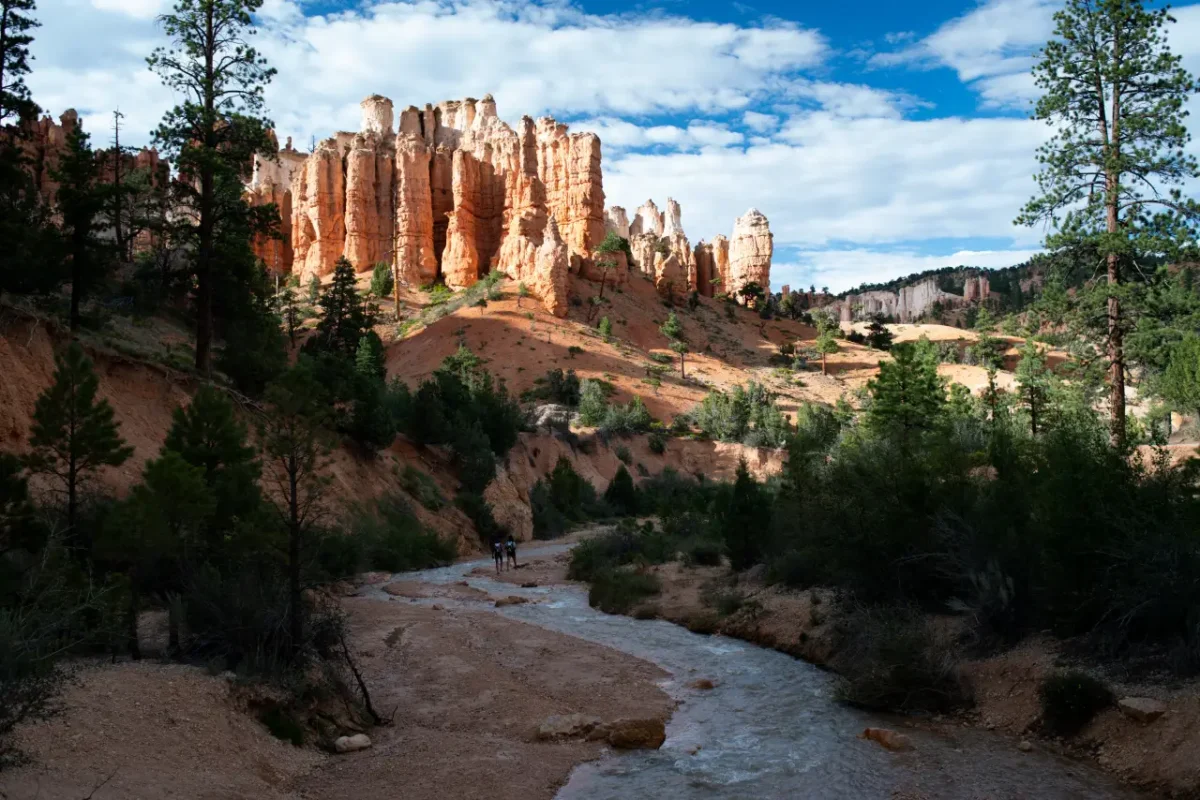
Bryce Canyon is best known for its extraordinary concentration of hoodoos—tall, irregular columns of rock packed into colorful amphitheaters along the edge of Utah’s Paunsaugunt Plateau. The landscape is compact compared with many national parks, which makes it possible to see several major viewpoints and hike below the rim even on a relatively short visit.
The main tradeoff is simple: summer offers the easiest access but the most visitors, while winter brings quiet trails and snow-covered scenery at the cost of colder weather and seasonal closures.
This guide covers when to go, what each season is really like, how long to stay, the best things to do independently, and five Bryce Canyon tours and experiences that suit very different travel styles.
Bryce Canyon National Park at a Glance
| Best Overall Time to Visit | May and September to early October |
| Best Time for Hiking | Late spring and early fall |
| Best Time for Fewer Crowds | Winter, with snow and reduced access |
| Suggested Trip Length | 1–2 days |
| Main Gateway Towns | Bryce Canyon City, Tropic, Panguitch |
| Main Park Road | 18 miles from the entrance area to Rainbow Point |
| Park Elevation | Roughly 8,000 feet and higher in much of the park |
| Reservations Required to Enter? | No advance entry reservation currently required |
| Seasonal Shuttle | Runs during the busier part of the year |
| Official Park Information | Visit the official Bryce Canyon National Park website |
Bryce Canyon remains open year-round, 24 hours a day, although individual roads, trails, campgrounds, facilities, and services can operate seasonally or temporarily close because of weather. No advance reservation is currently required simply to enter the park.
Best Time to Visit Bryce Canyon National Park
For most travelers, May or September offers the best balance of hiking weather, access, and manageable crowds.
Bryce Canyon sits high enough that its weather behaves very differently from lower-elevation Utah destinations. Freezing nights can occur from fall well into spring, heavy snow is still possible in March and April, and October can bring either beautiful sunny hiking conditions or an early snowstorm.
Late spring is appealing because trails and roads gradually return to normal while temperatures become more comfortable. The tradeoff is that snow or ice may linger, especially earlier in the season.
September is one of the strongest all-around choices. Daytime weather is typically much more comfortable for hiking than midsummer conditions elsewhere in Utah, while visitation begins to ease after the busiest vacation period.
October can also be excellent, but it requires more flexibility. Overnight temperatures frequently fall below freezing, and early-season snow is possible.
Summer works well for families tied to school calendars and travelers who want the broadest range of park services. It is also the busiest season, and July and August bring frequent afternoon thunderstorms with heavy rain and lightning.
Winter is completely different. Snow can make the red and orange hoodoos even more striking, visitation drops dramatically, and parts of the park remain accessible. But icy trails, winter-specific closures, temporary road restrictions, and shorter service schedules require more preparation.
Bryce Canyon National Park by Season
Spring
Spring at Bryce Canyon is a transition between winter and the main hiking season.
March can still feel thoroughly wintry. April often mixes clear days with snowstorms, freezing nights, mud, and icy trail sections. By May, conditions are generally more dependable, although Bryce Canyon’s elevation means cold mornings are still normal.
What works well in spring:
- Cooler temperatures for hiking
- Fewer visitors than midsummer
- Snow may remain on the hoodoos early in the season
- Longer days as the season progresses
- More park services gradually become available
What can make planning harder:
- Late snowstorms
- Ice or mud on trails
- Seasonal trail sections may still be closed
- Temperatures can vary significantly between morning and afternoon
Spring is a good choice for hikers willing to adjust plans according to current conditions rather than building the entire trip around one specific trail.
Summer
June through August brings the most predictable access to Bryce Canyon, but also the highest visitor numbers.
Despite being in southern Utah, Bryce Canyon is not usually as hot as lower desert parks because of its elevation. Typical July and August daytime highs are generally in the upper 70s to low 80s Fahrenheit.
The bigger weather issue is thunderstorms.
July and August are Bryce Canyon’s rainy season, with frequent afternoon storms capable of bringing heavy rainfall and lightning. Starting exposed hikes earlier in the day gives more room to adjust if storms begin building.
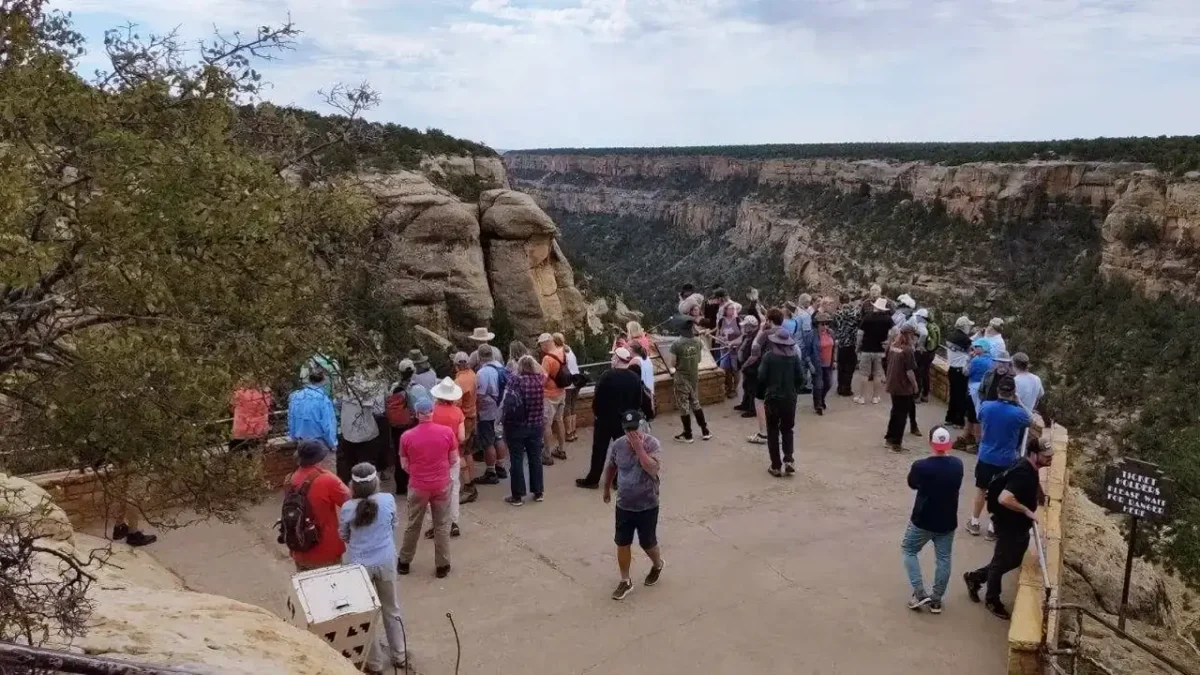
Parking around the Bryce Amphitheater can also become frustrating. Private vehicles are allowed, but the park specifically recommends its free shuttle during busy periods because lots at the main viewpoints can fill.
For 2026, the Bryce Canyon Shuttle operates from April 3 through October 18, with buses generally arriving about every 15 minutes.
Summer is best for: travelers who value full seasonal operations more than solitude.
Fall
September and early October combine many of Bryce Canyon’s advantages without the heaviest summer congestion.
Daytime temperatures become cooler, thunderstorms become less frequent than in July and August, and hiking below the rim is usually more comfortable. September weather is typically similar to June, while freezing nighttime temperatures become increasingly common as fall progresses.
October requires a warmer packing list and a backup plan. Snowstorms are not unusual, even though sunny fall days are also common.
For travelers whose schedule is flexible, September is arguably the easiest month to recommend. There is enough daylight for a full itinerary, the seasonal shuttle is still running, and hiking conditions are often excellent.
Winter
Winter is for travelers who are comfortable trading convenience for quiet.
Fresh snow against orange hoodoos creates one of Bryce Canyon’s most distinctive seasonal landscapes, but winter changes how the park needs to be explored.
Following snowstorms, the main park road can temporarily close beyond Mile 3 while crews clear the higher-elevation southern scenic drive. The amphitheater area receives priority for plowing, so Sunrise, Sunset, Inspiration, and Bryce Point are often the most practical places to concentrate a winter visit.
Two trail sections have regular winter closures: the Wall Street side of the Navajo Loop and the Rim Trail between Inspiration Point and Bryce Point. The Two Bridges side of Navajo Loop remains the alternative for reaching the canyon when conditions allow.
Traction can become important on snow-packed or icy trails, and visitors should check conditions immediately before hiking.
Winter is best for photographers, repeat visitors, and travelers who value solitude more than completing a long list of trails.
How Many Days Do You Need in Bryce Canyon National Park?
One full day is enough to see Bryce Canyon’s major highlights. Two days is better if hiking is a priority.
One Day
A strong one-day itinerary can include:
- Sunrise or an early morning view of the amphitheater
- Queen’s Garden/Navajo Combination hike
- Lunch and a break near the main visitor area
- Scenic drive toward Rainbow Point
- Several southern viewpoints
- Sunset or a final Rim Trail walk
The Queen’s Garden/Navajo Combination is 2.9 miles with about 625 feet of elevation gain and typically takes two to three hours. It is one of the best introductions to hiking among the hoodoos.
Two Days
Two days create much more breathing room.
Spend the first day around the amphitheater, combining viewpoints with a hike below the rim. Use the second day for the southern scenic drive, a longer trail, a ranger activity, or one of the guided experiences below.
This also prevents the trip from falling apart if weather interferes with hiking on the first day.
Three or More Days
Three days makes sense for travelers who want to pair the national park with the surrounding region.
Activities outside park boundaries—such as OHV riding, horseback riding, or additional hikes around nearby public lands—can fill another day without rushing the main park itself.
Before You Visit: Official NPS Planning Information
Bryce Canyon is easy to underestimate because of its compact road system. Weather, high elevation, seasonal closures, parking, and trail conditions can still change the day dramatically.
Check these official resources shortly before traveling:
- Check current Bryce Canyon road, trail, fire, and weather conditions. The park posts active alerts and closure information here.
- Review current Bryce Canyon entrance fees and passes. Fee policies can change, and 2026 rules include additional considerations for some non-U.S. residents.
- Check the current Bryce Canyon Shuttle schedule. The shuttle is useful but not mandatory.
- Review Bryce Canyon weather and seasonal conditions. This is especially important in spring, winter, and during the summer thunderstorm season.
- Download official Bryce Canyon maps and planning information.
- Review Bryce Canyon accessibility information. Accessible viewpoints and a wheelchair-accessible section of the Rim Trail are available.
- Check current Bryce Canyon backcountry permit requirements. Overnight backcountry trips require permits; day hiking the main amphitheater does not.
Best Things to Do in Bryce Canyon National Park
Bryce Canyon does not require a guided tour to be rewarding. Most first-time visitors can build an excellent trip around these independent activities.
1. Hike the Queen’s Garden/Navajo Combination
If there is time for only one trail, this is the strongest choice for many first-time visitors.
The 2.9-mile route drops from the rim into the amphitheater, allowing the hoodoos to shift from distant scenery into towering formations around the trail. The hike is rated moderate and involves 625 feet of elevation gain.
Remember that Bryce Canyon hiking is deceptive: the easy part comes first. The return climb happens at elevation.
2. Explore the Bryce Amphitheater Viewpoints
Sunrise Point, Sunset Point, Inspiration Point, and Bryce Point provide different angles across the amphitheater.
Rather than rushing between them by car, combine a few viewpoints with sections of the Rim Trail. The high perspective makes it easier to understand the size and shape of the hoodoo-filled landscape.
During the busy season, the shuttle can make this much easier by removing the need to repeatedly search for parking.
3. Drive the Southern Scenic Road
Bryce Canyon’s main road continues roughly 18 miles through the park, eventually reaching the higher-elevation southern end.
The drive provides access to overlooks beyond the main amphitheater and reveals a quieter side of the park.
There is no park shuttle along the southern portion of the scenic drive, so a private vehicle is the normal way to explore it.
4. Walk Part of the Rim Trail
The Rim Trail is one of the easiest ways to add hiking without committing to a steep descent.
The section between Sunrise and Sunset Points is especially approachable, and part of this route is wheelchair accessible.
It also works well at the beginning or end of the day when lower-angle light adds more depth to the hoodoos.
5. Stay After Dark
Bryce Canyon’s high elevation and dark skies make nighttime worth including in the itinerary rather than automatically returning to the hotel after sunset.
The park offers astronomy-related programming at various times, and the official park site highlights dark night skies as one of Bryce Canyon’s distinctive resources.
Check the ranger-program schedule during the trip rather than assuming a specific activity is offered every night.
5 Best Tours and Experiences in and Around Bryce Canyon National Park
The five experiences below fill very different roles.
Some help travelers explore Bryce Canyon itself without worrying about driving or parking. Others add an activity outside the park or turn Bryce into one stop on a much larger Southwest itinerary.
| Experience | Best For | Duration | Starting Area | Type | Location |
|---|---|---|---|---|---|
| Bryce & Zion Scenic Tour | Las Vegas visitors without a car | 13 hours | Las Vegas | Guided day trip | Bryce + Zion |
| Bryce Guided Sightseeing Tour | First-time visitors | 3 hours | Bryce Canyon City | Guided sightseeing | Inside park |
| 4- or 5-Seat OHV Rental | Families and groups | 2 hours | Near Bryce Canyon City | Self-guided OHV | Outside park |
| Bryce Guided E-Bike Tour | Active travelers | 3.5 hours | Bryce Canyon City | Guided e-bike | Into park |
| 6-Day National Parks Tour | Multi-park Southwest travelers | 6 days | Las Vegas | Small-group tour | Multiple parks |
1. Vegas: Bryce & Zion Luxury Boutique Scenic Tour with Lunch
Best for: Travelers staying in Las Vegas who want to see Bryce Canyon and Zion without renting a car
Duration: 13 hours
Starting area: Las Vegas
Activity type: Guided small-group scenic tour
Location: Bryce Canyon and Zion National Parks
This is the most practical choice among the five for someone using Las Vegas as a base.
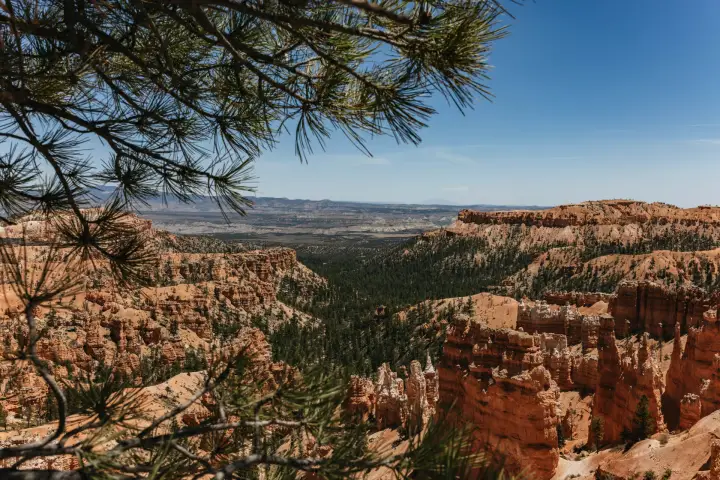
The 13-hour trip provides transportation from Las Vegas and combines Bryce Canyon with Zion in one long sightseeing day. The current itinerary allocates about 1.5 hours to Bryce Canyon and also includes Zion stops and time around Checkerboard Mesa.
At Bryce, expect a highlights-oriented visit rather than a full park day. The current experience includes time along the rim and a short guided walk among the hoodoos. A picnic-style lunch, snacks, bottled water, transportation, and guide service are part of the tour.
The biggest advantage is not depth—it is logistics. There is no need to navigate several hundred miles of driving, coordinate two national parks, or return to Las Vegas late at night behind the wheel.
The limitation is equally clear: travelers hoping to spend several hours hiking Bryce Canyon should stay closer to the park instead.
Also review the current entrance-fee rules shown during booking, particularly for international visitors, because national park commercial-tour fee policies changed in 2026.
See available dates and review the Bryce & Zion tour itinerary
2. Bryce: Guided Sightseeing Tour of Bryce Canyon National Park
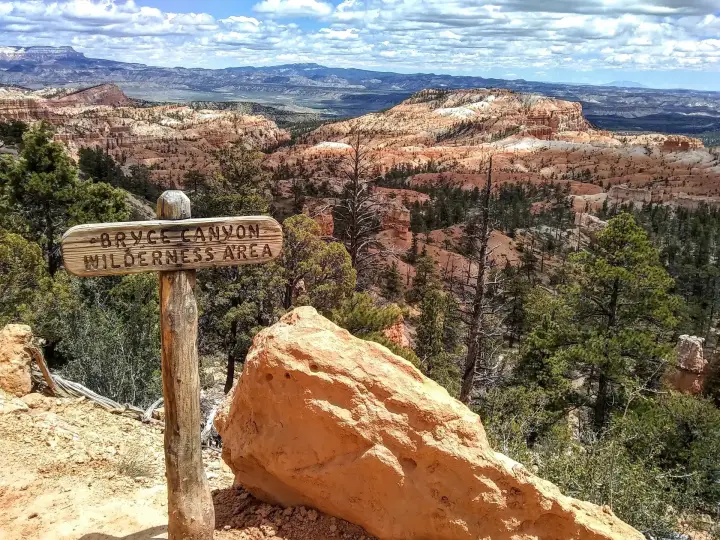
Best for: First-time visitors who want orientation and interpretation before exploring independently
Duration: 3 hours
Starting area: Bryce Canyon City
Activity type: Guided minivan sightseeing tour
Location: Inside Bryce Canyon National Park
This three-hour experience is the easiest tour to fit into a normal Bryce Canyon trip.
The route combines minivan transportation with short walks and stops at notable park features. Current highlights include areas around Fairyland Canyon, Natural Bridge, Inspiration Point, Thor’s Hammer, and other formations around the amphitheater. Total walking is less than half a mile, so this is sightseeing rather than a dedicated hiking tour.
That makes it especially useful for travelers who want to understand what they are looking at.
Bryce Canyon’s geology can otherwise become a sequence of beautiful overlooks without much context. A local guide adds information about hoodoo formation, plants, wildlife, and regional history while handling the driving between stops.
Transportation, water, snacks, and the current listed park entrance arrangements are included in the experience. Weather can modify departures, and the provider notes that tours do not operate during lightning storms.
For an active visitor with a full day, this works particularly well as a morning introduction followed by an independent hike later.
Check current prices and availability for the Bryce Canyon sightseeing tour
3. Bryce Canyon: 2-Hour, 4-Seat or 5-Seat ATV Rental
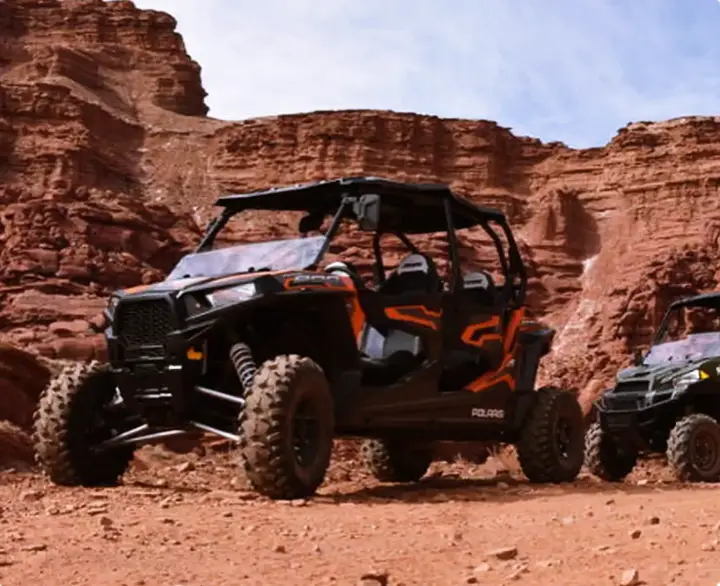
Best for: Families or groups wanting an off-road activity outside the national park
Duration: 2 hours
Starting area: Near Bryce Canyon City
Activity type: Self-guided side-by-side OHV rental
Location: Paunsaugunt Plateau outside Bryce Canyon National Park
This experience is important to understand correctly: the OHV ride is not a way to drive through Bryce Canyon National Park.
Instead, it explores surrounding terrain on the Paunsaugunt Plateau, adding a completely different activity to a Bryce Canyon itinerary. The rental starts near Highway 12 at the Bryce Wildlife Museum area, only a short distance from the national park turnoff.
The two-hour rental is self-guided. An electronic GPS map, GPS tracker, emergency kit, and satellite-based texting device are included, making it easier to follow the designated route without joining a guided convoy.
Expect forest, meadows, dirt trails, and broader plateau scenery rather than hoodoo hiking.
This is a useful choice after a morning in the park, especially for a family or small group that wants something more active than another scenic drive.
One important restriction changed from the original draft: the current listing requires renters to be at least 25 years old and hold a valid driver’s license. Riders can be younger.
Review the OHV rental details and check available times
4. Bryce Canyon National Park: Guided E-Bike Tour
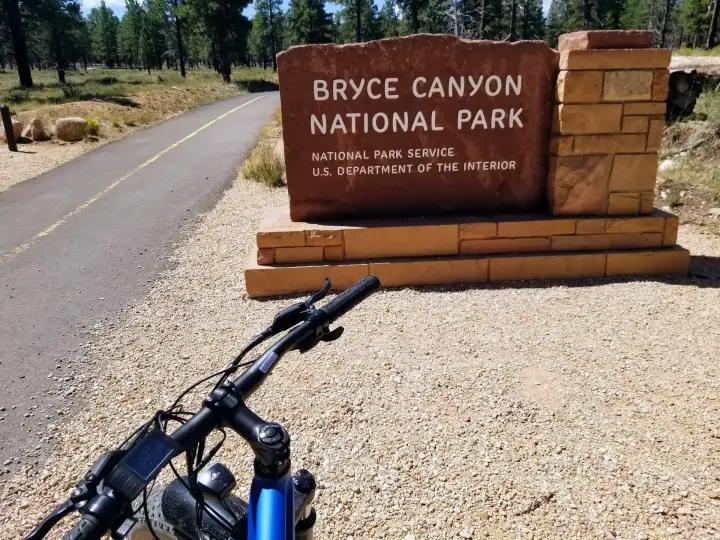
Best for: Active travelers who want to cover more ground without dealing with parking
Duration: 3.5 hours
Starting area: Bryce Canyon City
Activity type: Guided e-bike tour
Location: Starts outside the park and rides into Bryce Canyon National Park
The e-bike tour offers the strongest middle ground between a vehicle-based sightseeing tour and a traditional hike.
The current route travels from the Bryce Wildlife Adventure area into Bryce Canyon on paved paths, eventually reaching Inspiration Point before returning. The ride includes several rim stops while the guide explains the geology, plants, wildlife, and history of the park.
Electric assistance helps with the elevation gain, but this is still a bike tour. Riders need to be comfortable controlling a bicycle and spending several hours outside at Bryce Canyon’s high elevation.
The current listing gives the experience a 3.5-hour duration, rather than three hours. It is limited to a small group and includes an e-bike, helmet, water, snacks, and guide.
Participation requirements are also worth checking carefully. The listing currently specifies ages 12 and older for riding, a stated rider-height range, and previous bicycle experience. Passenger options may be available for younger children.
For travelers who enjoy cycling, this is one of the more interesting ways to bypass crowded parking areas while still experiencing the park at an outdoor pace.
See available dates for the Bryce Canyon guided e-bike tour
5. 6-Day National Parks Tour: Zion, Bryce & Grand Canyon
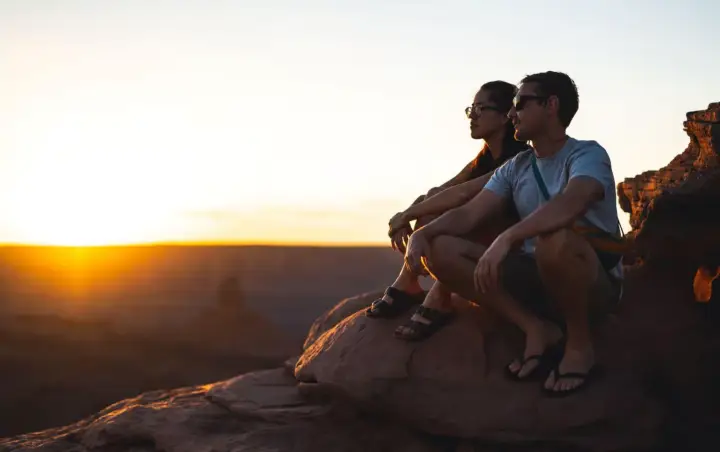
Best for: Travelers who want Bryce Canyon as part of a guided Southwest circuit
Duration: 6 days
Starting area: Las Vegas
Activity type: Small-group multi-day tour
Location: Multiple destinations across the Southwest
This experience has changed significantly from the version in the original draft.
The supplied GetYourGuide URL now leads to a six-day tour, not a five-day tour. Bryce Canyon remains part of the itinerary, but the experience also visits Zion National Park, Antelope Canyon, Horseshoe Bend, Monument Valley, and the Grand Canyon.
Bryce Canyon is scheduled for Day 3. The current itinerary includes a rim walk followed by a descent into the amphitheater, with approximately three miles of hiking before continuing toward Page, Arizona.
This is not the right choice for someone already staying in Bryce Canyon City and simply looking for a local tour.
Its value is much broader: it turns several major Southwest destinations into one organized trip with transportation, guiding, and a planned route from Las Vegas.
The pace is naturally faster than an independent road trip. Bryce receives part of a day rather than several days, and there are multiple long travel segments during the six-day itinerary.
For solo travelers, international visitors, or anyone who would rather join a small group than plan a complicated multi-state road trip, that tradeoff can make sense.
Review the current six-day National Parks tour itinerary
How to Choose the Right Experience
The right choice depends less on which tour sounds most exciting and more on what is missing from the rest of the trip.
Choose the 3-Hour Guided Sightseeing Tour if this is a first visit and learning about the park matters more than adding another strenuous activity.
Choose the Guided E-Bike Tour if spending time outdoors is important but a long hike below the rim does not fit the day.
Choose the OHV Rental if Bryce Canyon itself is already covered independently and the goal is to add something different nearby.
Choose the Bryce & Zion Day Tour if staying in Las Vegas without a rental car and seeing both parks is more important than spending several hours hiking either one.
Choose the 6-Day National Parks Tour if Bryce Canyon is one part of a larger Southwest vacation and avoiding the logistics of a multi-stop road trip is the priority.
For travelers already driving through southern Utah independently, the local sightseeing or e-bike options generally complement a Bryce Canyon itinerary better than the tours originating in Las Vegas.
Frequently Asked Questions
What is the best month to visit Bryce Canyon National Park?
September is one of the strongest choices overall. Temperatures are typically comfortable for hiking, the summer thunderstorm season begins easing, and visitation becomes more manageable after peak summer.
May is another excellent option, although late snow and lingering icy conditions are more possible.
How many days do you need in Bryce Canyon?
Most first-time visitors should plan one or two days.
One full day is enough for the amphitheater, a major hike, and part of the scenic drive. Two days allows a slower pace, additional viewpoints, another trail, stargazing, or a guided experience.
Do you need a reservation to enter Bryce Canyon National Park?
No advance entry reservation is currently required. Bryce Canyon National Park is open year-round, and visitors can enter with the appropriate entrance pass or pay the applicable admission fee.
Because regulations can change, check the official NPS information before traveling.
Is the Bryce Canyon Shuttle mandatory?
No. Private vehicles are permitted.
The shuttle is primarily a convenience that helps reduce congestion around the Bryce Amphitheater, where parking at popular trailheads and overlooks can become difficult.
What is the best hike for a first visit?
The Queen’s Garden/Navajo Combination is one of the best choices for first-time hikers who want to descend below the rim.
The route is 2.9 miles, climbs about 625 feet, and usually takes two to three hours.
Check seasonal trail closures before starting, particularly in winter when the Wall Street side of Navajo Loop closes.
Can you visit Bryce Canyon in winter?
Yes.
The park remains open, and the main amphitheater area is prioritized for snow removal. However, storms can temporarily close the scenic road beyond the amphitheater, and several trail and road sections have regular winter restrictions.
Winter visitors should build flexibility into the itinerary and check conditions on the morning of the visit.
Is Bryce Canyon good for travelers with limited mobility?
Several major viewpoints have accessible parking and access, and the half-mile Rim Trail section between Sunrise and Sunset Points is wheelchair accessible. The visitor center and shuttle system also provide accessibility features.
Because elevations range above 8,000 feet in much of the park, even short walks can feel more demanding than expected.
Final Thoughts
The best time to visit Bryce Canyon National Park depends on what matters most, but May and September to early October offer the most balanced conditions for many travelers.
Summer is easier for families and visitors who want the broadest seasonal operations, but parking and crowds require more patience. Winter strips the trip down to a quieter, colder experience where snow, icy trails, and road conditions determine the day.
One or two days is enough for most first visits. Make time for at least one hike below the rim, several amphitheater viewpoints, and part of the southern scenic drive rather than trying to check off every overlook.
Guided experiences are most valuable when they solve a specific problem. A sightseeing tour adds interpretation and removes parking hassles. An e-bike tour offers an active alternative to driving. An OHV rental expands the trip beyond park boundaries. Tours from Las Vegas make sense when transportation and multi-park logistics are the bigger challenge.
Whatever season or itinerary fits the trip, check current National Park Service conditions shortly before leaving. Bryce Canyon’s elevation means weather can change the experience far more quickly than its compact size suggests.
Disclaimer: This post is for informational purposes only. Always check official park regulations, permits, road conditions, closures, and weather before planning or booking any activity.
Affiliate Disclosure: ChaseTheBigDream.com participates in affiliate programs, including GetYourGuide and other trusted partners. When you book or purchase through qualifying links, the site may earn a small commission at no extra cost to you. These partnerships help support the creation and maintenance of independent travel guides.