The best time to visit Glacier National Park is generally from mid-July through mid-September. This short summer window offers the strongest chance of driving the entire Going-to-the-Sun Road, reaching Logan Pass, hiking high-elevation trails, and finding most visitor services open.
The tradeoff is simple: the best access usually comes with the largest crowds, limited parking, higher lodging prices, and more competition for tours and campsites. June can be quieter but may still bring snow-covered trails and partial road access, while September offers cooler temperatures and fewer visitors but an increasing chance of early-season closures.
Glacier is known for glacially carved valleys, alpine lakes, wildlife, rugged hiking trails, and one of America’s most scenic mountain roads. This guide covers the park by season, how many days to stay, the best things to do independently, and five Glacier National Park tours that suit different travel styles.
Glacier National Park at a Glance
| Planning Detail | What to Know |
|---|---|
| Best overall time to visit | Mid-July through mid-September |
| Best time for high-elevation hiking | Late July through early September |
| Best time for fewer crowds | September after Labor Day |
| Suggested trip length | 3 to 5 days |
| Main gateway communities | West Glacier, St. Mary, East Glacier Park Village, Columbia Falls, and Whitefish |
| Nearest commercial airport | Glacier Park International Airport near Kalispell |
| Park centerpiece | Going-to-the-Sun Road |
| Official planning website | Visit the official Glacier National Park website |
Best Time to Visit Glacier National Park
For most first-time visitors, the best time to visit Glacier National Park is between mid-July and mid-September.
By mid-July, the alpine section of Going-to-the-Sun Road is often open, although the exact opening date changes each year. Snow usually melts later at higher elevations, so trails around Logan Pass and Many Glacier may remain wet, snowy, or closed even after the road opens.
August generally provides the most dependable access to trails, scenic drives, boat tours, rafting trips, visitor centers, and other seasonal services. It is also one of the busiest months, particularly around Logan Pass, Avalanche Creek, Lake McDonald, and Many Glacier.
September can offer a better balance. The park often remains accessible during the first half of the month, while school-year travel patterns reduce some of the summer congestion. Nights become colder, services begin closing, and snow becomes increasingly possible as the month progresses.
There is no guaranteed date when the alpine section of Going-to-the-Sun Road will open or close. Snowpack, plowing progress, storms, rockfall, and maintenance can all affect access. The National Park Service notes that the full road typically opens by early July and often remains open until around the third Monday in October, but conditions may force an earlier closure.
Glacier National Park by Season
Spring: April Through June
Spring arrives slowly in Glacier National Park.
Lower-elevation areas near Apgar, West Glacier, and Lake McDonald begin becoming more accessible before the park’s alpine areas. Higher trails can remain buried under snow well into June, and seasonal businesses, campgrounds, visitor facilities, and transportation services may not open until late May or June.
One of spring’s most distinctive opportunities is bicycling or walking sections of Going-to-the-Sun Road before they open to regular vehicle traffic. Access changes frequently as plowing crews advance, so cyclists must review current restrictions, avalanche hazards, wildlife closures, and road conditions before setting out.
Spring can also be a rewarding time for wildlife observation at lower elevations. Bears are active, however, and visitors should carry bear spray, travel cautiously, store food properly, and follow current wildlife guidance.
Choose spring when solitude and low-elevation exploration matter more than full access to the park.
Spring is best for:
- Bicycling open portions of Going-to-the-Sun Road
- Quiet visits around Lake McDonald and Apgar
- Travelers comfortable with limited services
- Flexible itineraries that can adapt to weather and closures
Main limitation: Many famous high-elevation hikes, overlooks, and roads may still be inaccessible.
Summer: July and August
Summer offers Glacier’s widest range of activities.
Going-to-the-Sun Road is usually fully open during at least part of this period, providing access between the west side of the park and St. Mary. Logan Pass, alpine overlooks, Many Glacier, Two Medicine, rafting trips, boat tours, and major hiking areas become easier to include in one itinerary.
The weather is generally warmer, but Glacier remains a mountain environment. Thunderstorms, wind, cold rain, hail, wildfire smoke, and rapid temperature changes can occur even in midsummer. Carry layers and rain protection rather than relying on the forecast from a nearby gateway town.
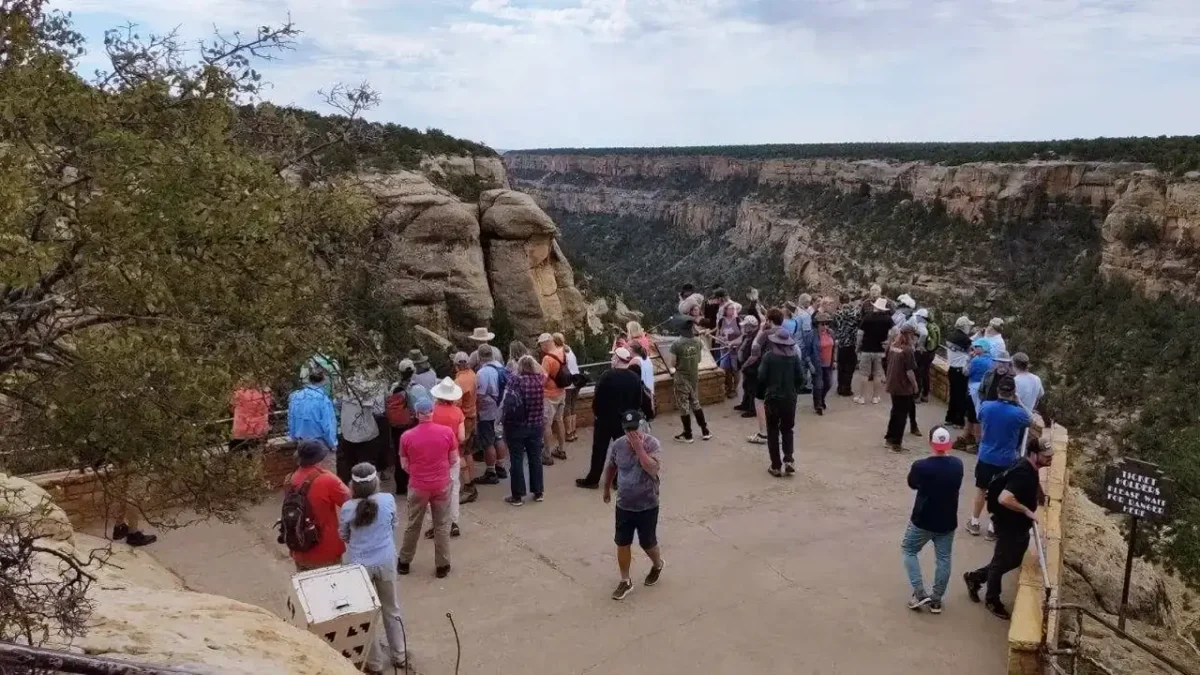
Crowds are summer’s biggest challenge. Parking can fill early at Logan Pass, Avalanche, and popular trailheads. Roads may be temporarily restricted when an area reaches capacity.
For the 2026 season, Glacier National Park does not require vehicle reservations for Going-to-the-Sun Road, Many Glacier, Two Medicine, or the North Fork. However, the park is testing ticketed Logan Pass shuttle service and three-hour parking limits at Logan Pass. Longer hikes beginning at Logan Pass may require advance shuttle planning rather than relying on private-vehicle parking. These systems can change in future seasons, so travelers should always confirm the rules for their exact dates.
Summer is best for:
- First-time visitors
- Driving Going-to-the-Sun Road
- Hiking around Logan Pass and Many Glacier
- Rafting and scenic floats
- Travelers who want the broadest selection of open services
Main limitation: Parking, lodging, tours, and popular trails can be crowded.
Fall: September and October
Early September is one of the most appealing times to visit Glacier National Park.
Daytime conditions can remain comfortable, summer crowds begin to decrease, and many roads and trails may still be open. Deciduous trees and shrubs add yellow and gold to the valleys, particularly on the park’s east side.
Wildlife activity can also increase during fall. Visitors should give animals space and remain especially cautious around bears, which may be feeding heavily before winter.
Conditions become less predictable later in September and October. Campgrounds, lodges, restaurants, visitor services, and tours begin reducing their schedules. Snow can temporarily or permanently close alpine roads and trails.
Plan a fall trip with flexible daily priorities. Complete Going-to-the-Sun Road and the highest-elevation activities during the first available weather window rather than saving them for the final day.
Fall is best for:
- Fewer crowds
- Cooler hiking weather
- Landscape photography
- Wildlife watching
- Flexible travelers comfortable with reduced services
Main limitation: Weather-related closures become more likely as the season progresses.
Winter: November Through March
Winter in Glacier is quiet, cold, and highly self-directed.
Most of Going-to-the-Sun Road is closed to vehicles, but lower sections near the west entrance may remain accessible. Snowshoeing and cross-country skiing are possible around Apgar, Lake McDonald, and other open areas when conditions allow.
There are few visitor services inside the park during winter. Cell coverage is unreliable, daylight is limited, and storms can make roads dangerous. Visitors need warm clothing, emergency supplies, winter driving experience, and a conservative itinerary.
A guided snowshoe experience can make winter planning easier by providing transportation, equipment, route selection, and local knowledge.
Winter is best for:
- Snowshoeing
- Cross-country skiing
- Winter photography
- Experienced cold-weather travelers
- Visitors seeking solitude
Main limitation: Road access and visitor services are extremely limited.
How Many Days Do You Need in Glacier National Park?
One Day
One day is enough for an introduction, but not enough to explore the park in depth.
When Going-to-the-Sun Road is fully open, spend the day traveling between West Glacier and St. Mary. Stop at Lake McDonald, Trail of the Cedars, roadside pullouts, Logan Pass, Jackson Glacier Overlook, and Wild Goose Island Overlook as time and parking allow.
Avoid planning a long hike unless it is the day’s primary goal.
Two Days
Two days allow one day for Going-to-the-Sun Road and another for hiking or exploring a separate region.
Possible second-day choices include:
- Avalanche Lake
- Many Glacier
- Two Medicine
- A rafting trip near West Glacier
- A longer trail near Logan Pass
- Lake McDonald and Apgar at a slower pace
Two days can work well for travelers who are comfortable starting early and limiting long drives between park regions.
Three to Five Days
Three to five days is the most practical amount of time for a first visit.
This provides room for Going-to-the-Sun Road, one or two substantial hikes, Many Glacier or Two Medicine, and a guided experience without making every day feel rushed.
It also creates a weather buffer. When clouds, storms, smoke, or parking problems interfere with one plan, another park region or lower-elevation activity can take its place.
A balanced four-day itinerary might include:
- Lake McDonald, Trail of the Cedars, and Avalanche Lake
- Going-to-the-Sun Road and Logan Pass
- Many Glacier or Two Medicine
- Rafting, a scenic float, or a guided driving tour
Before You Visit: Official NPS Planning Information
Glacier’s access systems, trail conditions, shuttle operations, fire restrictions, and seasonal services can change. Review official information shortly before traveling and again on the morning of major hikes or drives.
- Check current Glacier National Park conditions, closures, and alerts.
- Review Glacier National Park entrance fees and passes.
- Confirm operating hours and seasonal facility schedules.
- Review directions, transportation, and Going-to-the-Sun Road access.
- Download official Glacier National Park maps.
- Review current Glacier permits and reservation requirements.
- Check Glacier National Park safety guidance.
- Review accessible facilities and services.
- Confirm the current Logan Pass access system.
The park is open year-round, but many visitor services and roads operate seasonally. An entrance pass is required even when entrance stations are not staffed.
Best Things to Do in Glacier National Park
Drive Going-to-the-Sun Road
Going-to-the-Sun Road crosses the park between West Glacier and St. Mary, climbing from forested valleys to Logan Pass.
Although the road is about 50 miles long, it should not be treated as a quick point-to-point drive. Allow most of a day for overlooks, short walks, traffic, wildlife delays, and parking.
Large vehicles face size restrictions on parts of the road. Nervous drivers may prefer a guided driving tour or an official transportation option.
Explore Logan Pass
Logan Pass sits at the highest point along Going-to-the-Sun Road and provides access to alpine scenery and major trails.
Parking is extremely limited. During the 2026 season, private-vehicle parking is limited to three hours, while ticketed shuttle service is intended to support visitors planning longer activities.
Shorter visits can focus on the visitor center area and nearby viewpoints. Longer hikes require more careful transportation planning.
Hike to Avalanche Lake
The Avalanche Lake route begins along Trail of the Cedars and continues through forest beside Avalanche Creek.
It is a popular choice because it combines a manageable day hike with a mountain lake surrounded by steep cliffs and waterfalls. Popularity also means the trail and parking area can become crowded.
Start early, carry bear spray, and check current trail status before departing.
Walk the Trail of the Cedars
Trail of the Cedars is one of Glacier’s most accessible short walks.
The boardwalk and paved portions pass through a shaded forest near Avalanche Creek. It works well for families, visitors with limited time, and travelers looking for a gentler activity between longer scenic stops.
Accessibility can be affected by maintenance, weather, or seasonal conditions, so review the current NPS accessibility information before visiting.
Spend a Day in Many Glacier
Many Glacier offers some of the park’s strongest hiking and wildlife-viewing opportunities.
Popular trails lead toward alpine lakes, waterfalls, and glacier viewpoints. Distances can be substantial, and wildlife encounters are possible. Carry bear spray, hike in groups when possible, and never approach animals for photographs.
Vehicle access may be restricted temporarily when parking areas reach capacity, even during seasons without a formal vehicle-reservation system.
Visit Two Medicine
Two Medicine is a useful alternative when Going-to-the-Sun Road and Logan Pass feel too congested.
The area offers lakeside scenery, trailheads, waterfalls, and seasonal boat activities. It is still popular, but it often feels more self-contained than the park’s busiest central corridor.
Paddle on Lake McDonald
Lake McDonald is the park’s largest lake and one of the easiest places to combine mountain scenery with time on the water.
Before bringing a personal kayak, canoe, or paddleboard, check current aquatic invasive species inspection requirements and boating regulations. Weather can change quickly, and cold water presents a serious hazard even on warm days.
5 Best Tours and Experiences in and Around Glacier National Park
These Glacier National Park tours cover five very different needs: whitewater adventure, relaxed river scenery, guided summer sightseeing, winter exploration, and transportation from Seattle.
Some take place inside the national park. Others operate on the Middle Fork of the Flathead River, which forms part of Glacier’s boundary. The Seattle itinerary is a regional road trip with one primary sightseeing day inside the park.
| Experience | Best For | Duration | Starting Area | Location |
| Whitewater Rafting Trip | Active travelers and families with older children | About 2.5–3.5 hours, depending on river flow | West Glacier | Middle Fork of the Flathead River near the park boundary |
| Summer Driving Tour with Lunch | First-time visitors and travelers avoiding park driving | About 6 hours | Pickup from selected Glacier-area communities | Inside Glacier National Park |
| 3-Day Tour from Seattle | Travelers who want transportation and lodging arranged | 3 days | Seattle | Regional road trip with one day in Glacier |
| Driving Tour and Snowshoe Trek | Winter visitors | About 5 hours | Whitefish, Kalispell, or Columbia Falls pickup | West Glacier and inside the park |
| Scenic Float on the Flathead River | Families and travelers seeking a calm activity | About 2 hours | West Glacier | Middle Fork of the Flathead River near the park boundary |
1. Montana: Glacier National Park Whitewater Rafting Trip
Best for: Active travelers, first-time rafters, and families with children who meet the age and weight requirements
Duration: Approximately 2.5 to 3.5 hours, depending on river flow
Starting point: Glacier Raft Company in West Glacier
Location: Middle Fork of the Flathead River along Glacier’s southwestern boundary
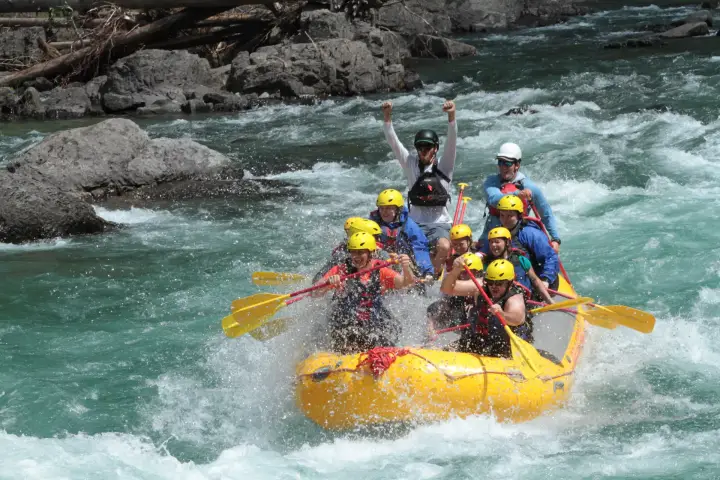
This guided trip covers about eight miles of the Middle Fork through John F. Stevens Canyon. The first portion is relatively calm, giving participants time to practice paddle commands before reaching nine Class II and III rapids.
The experience includes a professional river guide, transportation to the launch area, a life jacket, helmet, and cold-weather or splash gear when conditions require it. Participants paddle as part of the raft crew rather than simply riding through the rapids.
The river forms part of Glacier National Park’s boundary, but the activity is not an excursion deep inside the park. That makes it easy to combine with a day based in West Glacier without using valuable time on Going-to-the-Sun Road.
The listing currently excludes children under five, pregnant travelers, people with mobility impairments, and participants weighing less than 50 pounds. Closed-toe shoes, water, sunscreen, a towel, and dry clothes for afterward are practical additions.
This is the strongest choice among the five experiences for travelers who want physical activity and moderate whitewater rather than passive sightseeing.
See available dates and review the full whitewater rafting itinerary.
2. Glacier National Park: Summer Driving Tour with Lunch
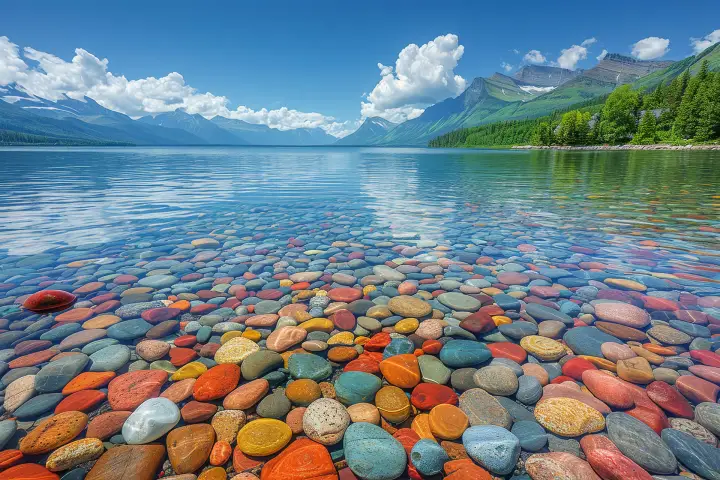
Best for: First-time visitors, travelers without a rental car, and anyone uncomfortable driving mountain roads
Duration: About 6 hours
Pickup area: Selected lodging in Whitefish, Kalispell, and Columbia Falls
Location: Inside Glacier National Park
This guided driving tour is designed to remove several of Glacier’s most frustrating logistics: navigating mountain roads, watching traffic instead of scenery, and searching for parking at major stops.
The current experience is approximately six hours rather than five. Transportation, lunch, refreshments, and park admission are included. The exact route depends on road access, weather, and seasonal conditions, but the purpose is to provide a guided overview of the park’s west-side scenery and Going-to-the-Sun Road corridor when accessible.
The tour is particularly useful for groups with only one full sightseeing day. Everyone can pay attention to the landscape while the guide handles driving and explains the park’s geology, wildlife, history, and changing environment.
It is less suitable for travelers whose main goal is a long hike. A guided sightseeing schedule offers limited freedom to remain at one trailhead or change the itinerary independently.
Because mountain weather and road operations can alter the route, review the current listing carefully before booking. Confirm pickup eligibility, included meals, accessibility limitations, and the expected stops for your travel date.
Check current prices, pickup details, and availability for the summer driving tour.
3. From Seattle: 3-Day Glacier National Park Tour with Guide
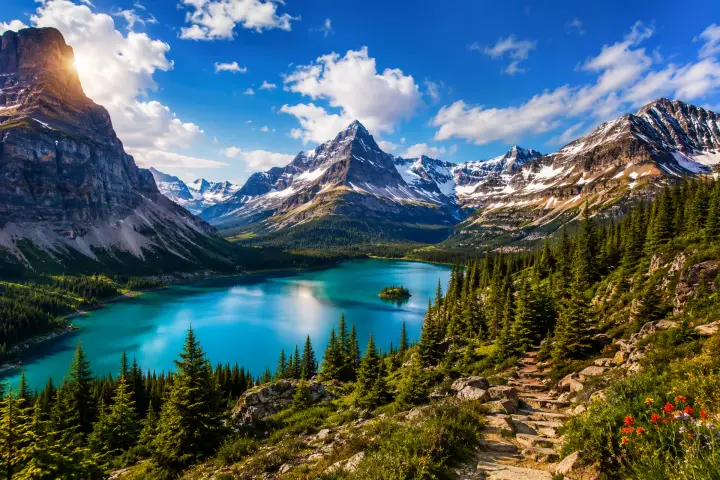
Best for: Travelers beginning in Seattle who do not want to rent a car or arrange hotels
Duration: 3 days
Starting area: Selected pickup locations in Seattle
Location: Regional road trip through Washington, Idaho, and Montana, with one main day in Glacier National Park
This is not a three-day in-depth Glacier itinerary. It is a three-day road trip from Seattle that includes one central sightseeing day in the park.
The itinerary travels from Seattle through Idaho and Montana on the first day, with an overnight stay in Missoula. The second day focuses on Glacier National Park, with listed stops that include Apgar Visitor Center, Lake McDonald, Going-to-the-Sun Road, and Logan Pass when conditions permit. The final day returns to Seattle through Spokane and the Columbia River Valley.
Round-trip transportation, selected Seattle pickup, two hotel nights, a driver-guide, and park admission are included. Meals, a mandatory hotel or resort fee, personal expenses, travel insurance, and an optional Lake Coeur d’Alene cruise are not included. The listing also identifies mobility impairments and high blood pressure among its suitability restrictions.
This tour solves a transportation problem, but it does not provide much time for hiking or exploring multiple Glacier regions. Much of the itinerary is spent covering the long distance between Seattle and northern Montana.
It makes the most sense for visitors who value convenience more than flexibility and are comfortable with long vehicle days and a structured small-group schedule.
Review the complete itinerary and see whether the Seattle departure fits your dates.
4. Glacier National Park: Combo Driving Tour and Snowshoe Trek
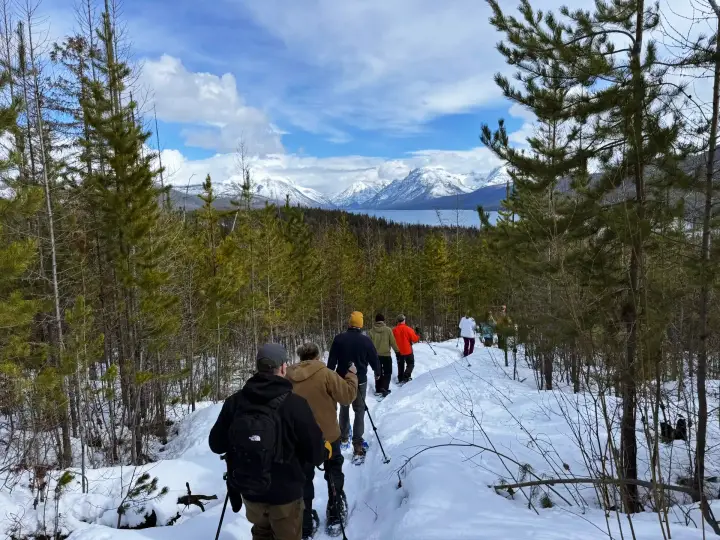
Best for: Winter visitors, beginners trying snowshoeing, and travelers without winter equipment
Duration: About 5 hours
Pickup area: Whitefish, Kalispell, or Columbia Falls
Location: West Glacier, Apgar, and accessible areas inside Glacier National Park
This winter experience combines scenic transportation with a guided snowshoe hike.
The itinerary typically includes West Glacier, Apgar, Lake McDonald scenery, and about two hours of guided hiking or snowshoeing inside the park. Snowshoes, poles, transportation, lunch, refreshments, and the national park entrance fee are included.
Pickup from lodging in Whitefish, Kalispell, and Columbia Falls is also available according to the current listing. The tour is not suitable for wheelchair users and requires warm footwear, gloves, a hat, sunglasses, and layered clothing.
The main benefit is practical rather than promotional. Glacier can be difficult to explore in winter without local road knowledge, proper equipment, and a safe route. A guide can adjust the snowshoe portion to current snow, weather, and participant ability.
The experience is described as suitable for a range of experience levels, but walking on snow still requires balance and moderate physical effort. Travelers with joint, mobility, or cardiovascular concerns should review the activity requirements carefully.
Review the winter itinerary and check snowshoe-tour availability.
5. Glacier National Park: Scenic Float on the Flathead River
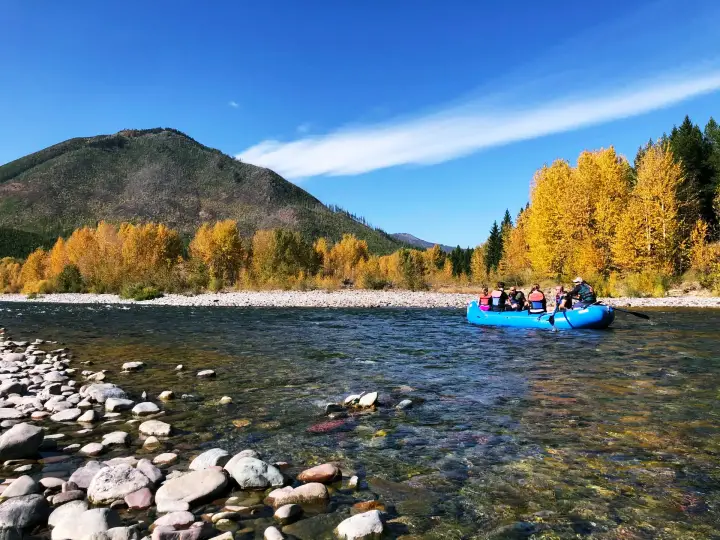
Best for: Families, photographers, older travelers, and visitors who prefer a calm river experience
Duration: About 2 hours
Starting area: West Glacier
Location: Middle Fork of the Flathead River along the park boundary
This scenic float follows a calm section of the Middle Fork of the Flathead River.
Unlike the whitewater trip, the focus is not on paddling through rapids. The guide steers the raft while interpreting the river corridor’s ecology, cultural history, plants, wildlife, and relationship to Glacier National Park.
Safety equipment is provided, and the current listing limits groups to eight participants. It describes the activity as suitable for nearly all ages and abilities, although travelers should still review the provider’s exact restrictions before booking.
This is a useful choice after a demanding hiking day or for a mixed-age group that does not want Class II and III rapids. It provides Glacier views from the boundary river without requiring a long trail or difficult parking search.
Calm does not mean completely dry. Wear quick-drying clothing and bring sun protection, water, secure footwear, a light layer, and dry clothes for afterward.
Compare current departure times for the scenic Flathead River float.
How to Choose the Right Experience
Choose the whitewater rafting trip when the group wants active participation, moderate rapids, and a summer adventure near West Glacier.
Choose the scenic float when relaxation, interpretation, photography, or broad family suitability matters more than adrenaline.
Choose the summer driving tour when avoiding mountain driving and parking is the priority. It is the most practical guided introduction for travelers already staying near Glacier.
Choose the snowshoe and driving tour for a winter trip when equipment, transportation, and route knowledge would otherwise be difficult to arrange.
Choose the three-day Seattle tour only when beginning in Seattle and accepting long driving days in exchange for bundled transportation and accommodation.
Frequently Asked Questions
What is the best month to visit Glacier National Park?
August usually offers the strongest likelihood of full road access, open visitor services, and snow-free high-elevation trails.
September is often better for travelers who prefer fewer crowds and cooler temperatures, but services and road access become less dependable later in the month.
Is July or August better for Glacier National Park?
Late July is good for wildflowers, long days, and strong water flow, although lingering snow may remain on some alpine trails.
August generally provides more dependable high-elevation hiking access but can bring larger crowds, warmer afternoons, and wildfire smoke.
Do you need reservations to enter Glacier National Park?
The answer changes by year.
For 2026, vehicle reservations are not required for Going-to-the-Sun Road, Many Glacier, Two Medicine, or the North Fork. Logan Pass uses a separate pilot system involving ticketed shuttle service and time-limited private parking. Future seasons may operate differently.
An entrance pass is still required, and lodging, camping, tours, shuttle tickets, and backcountry activities may require separate reservations or permits.
How many days should you spend in Glacier?
Three to five days is ideal for most first-time visitors.
That allows time for Going-to-the-Sun Road, Logan Pass, a substantial hike, another park region, and one guided experience or weather backup day.
Can you visit Glacier National Park without a car?
It is possible but requires careful planning.
Summer transportation services do not reach every trailhead or park region. The 2026 Logan Pass shuttle uses advance tickets and differs from the park’s previous first-come shuttle system. Guided tours can help, but travelers still need transportation between lodging, pickup points, and gateway communities.
Are guided Glacier National Park tours worth it?
They can be worth booking when they solve a specific problem.
Driving tours help with mountain-road stress and parking. Rafting tours provide equipment and trained river guides. Winter tours offer gear and local route knowledge. Regional tours handle transportation and lodging for travelers starting far from the park.
Travelers with a rental car, strong planning skills, and a hiking-focused itinerary may prefer to explore independently.
What is the closest airport to Glacier National Park?
Glacier Park International Airport near Kalispell is the closest commercial airport to the west side of the park.
Travelers focusing on St. Mary, Many Glacier, or the east side should compare total driving time, rental-car availability, and flight prices rather than choosing an airport based only on straight-line distance.
Can Going-to-the-Sun Road be driven in one day?
Yes, when the entire road is open.
Allow most of the day rather than treating it as a quick drive. Traffic, construction, wildlife, parking, overlooks, short walks, and changing weather can all add time.
Final Thoughts
The best time to visit Glacier National Park is usually from mid-July through mid-September, when Going-to-the-Sun Road, Logan Pass, seasonal tours, and high-elevation trails are most likely to be accessible.
August offers the broadest activity selection, while September can provide fewer crowds and cooler hiking conditions. Spring and winter are quieter but require more flexibility, self-sufficiency, and acceptance of limited access.
Independent hiking and scenic driving should remain the foundation of most Glacier itineraries. Guided experiences are most valuable when they simplify a difficult part of the trip: driving, parking, winter route selection, river safety, equipment, or transportation from another city.
Review current National Park Service conditions before every major activity, confirm exactly what each tour includes, and leave enough flexibility to adjust when mountain weather changes the plan.
Disclaimer: This post is for informational purposes only. Always check official park regulations, permits, road conditions, closures, and weather before planning or booking any activity.
Affiliate Disclosure: ChaseTheBigDream.com participates in affiliate programs, including GetYourGuide and other trusted partners. When you book or purchase through qualifying links, the site may earn a small commission at no extra cost to you. These partnerships help support the creation and maintenance of independent travel guides.