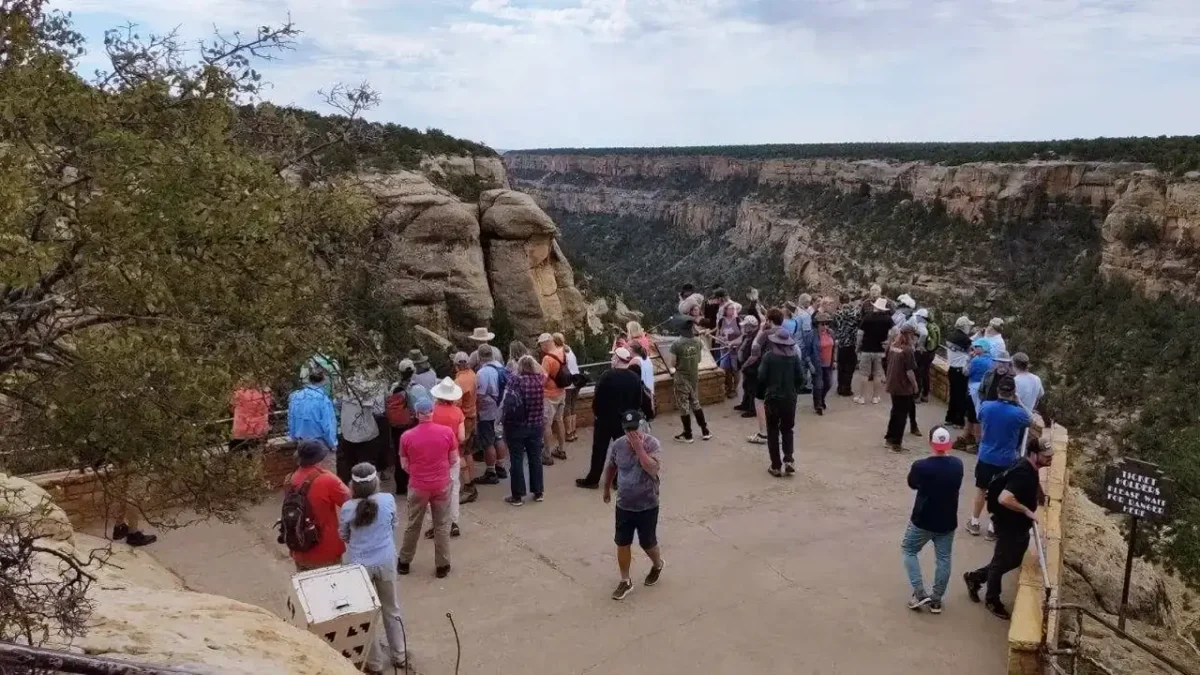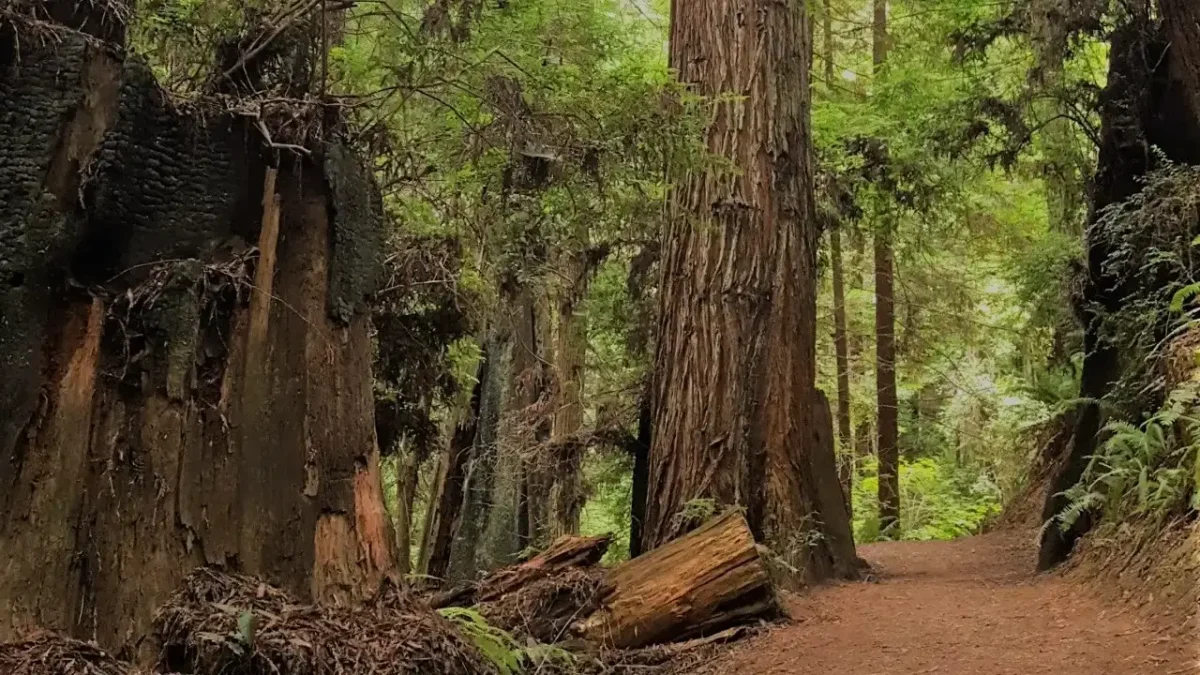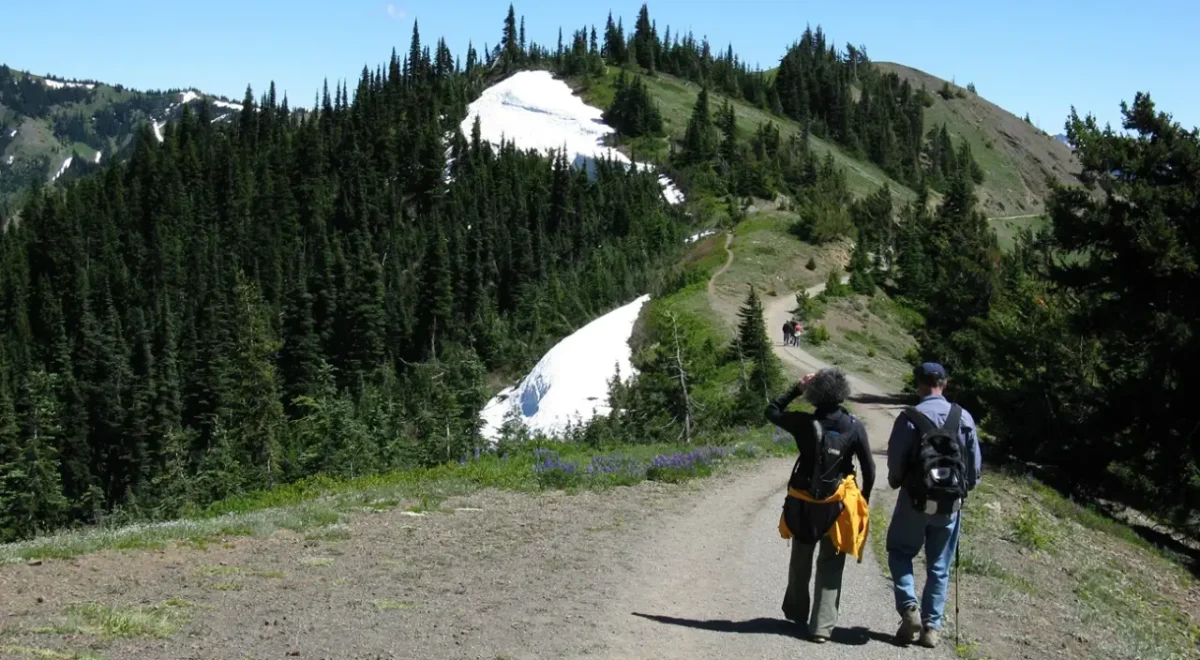
The best time to visit Olympic National Park is from July through September, when mountain roads are generally accessible, hiking conditions are at their most dependable, and long daylight hours make it easier to explore the park’s widely separated regions. July and August offer the broadest access, while September often delivers a better balance of mild weather and fewer crowds.
Olympic National Park is known for protecting several dramatically different landscapes on one peninsula: glacier-carved mountains, temperate rainforests, clear lakes, river valleys, and a rugged stretch of Pacific coastline. The main challenge is distance. There is no road through the mountainous center of the park, so reaching Hurricane Ridge, the Hoh Rain Forest, and the Pacific beaches requires driving around the peninsula.
This guide explains the seasonal tradeoffs, how many days to spend, the best things to do in Olympic National Park independently, and five guided experiences that can simplify transportation and trip planning.
Olympic National Park at a Glance
| Planning Detail | Recommendation |
|---|---|
| Best overall time to visit | July through September |
| Best months for broad park access | July and August |
| Best balance of weather and crowds | September |
| Best time for rainforests and waterfalls | April through June |
| Best time for winter recreation | Winter, when Hurricane Ridge Road is open |
| Suggested trip length | 3–4 days |
| Main gateway towns | Port Angeles, Forks, Sequim, and Quinault |
| Closest major airport | Seattle-Tacoma International Airport |
| Official park website | Visit the official Olympic National Park website |
Best Time to Visit Olympic National Park
For most first-time visitors, the best time to visit Olympic National Park is July through September.
By midsummer, snow has usually retreated from many high-elevation trails, the road to Hurricane Ridge is more dependable, and the likelihood of extended rain is lower than during fall, winter, or spring. This makes it possible to combine mountain scenery, Lake Crescent, a temperate rainforest, and the Pacific coast during the same trip.
July and August provide the strongest chance of accessing the widest variety of trails and park regions. They are also the busiest months. Parking can become difficult at Hurricane Ridge, the Hoh Rain Forest, Lake Crescent, and popular coastal trailheads. Because many park roads end at relatively small parking areas, traffic can build quickly once those lots fill.
September is an excellent alternative for travelers with flexible schedules. Weather can still feel summery, especially early in the month, but visitation usually begins to ease after Labor Day. The tradeoffs are cooler nights, shorter daylight hours, and a gradually increasing chance of storms.
No season guarantees the same weather across the entire peninsula. Conditions can change sharply between Port Angeles, Hurricane Ridge, the Hoh Rain Forest, and the outer coast. A clear morning near Lake Crescent may coincide with clouds in the mountains and rain near Forks.
That variation makes flexibility one of the most important parts of planning a trip to Olympic National Park.
Olympic National Park by Season
Spring
Spring gradually reopens the lower elevations while snow remains in the mountains.
April, May, and June are rewarding months for exploring the temperate rainforests. Mosses, ferns, and forest floors are saturated with moisture, while rivers and waterfalls carry runoff from winter rain and melting snow. Marymere Falls, Sol Duc Falls, and smaller cascades can be especially active.
The tradeoff is unsettled weather. Rain gear, waterproof footwear, and warm layers should stay within reach even when the forecast looks favorable. Trails may be muddy, and downed trees or lingering snow can affect hiking routes.
The Hoh, Quinault, Lake Crescent, and coastal areas are generally more practical spring destinations than Hurricane Ridge. High-elevation access remains less predictable, and mountain trails may stay snow-covered well into June.
Spring is best for travelers who:
- want to see the rainforests at their greenest;
- enjoy waterfalls and fast-moving rivers;
- prefer fewer visitors;
- do not need every mountain trail to be snow-free;
- can adapt their plans around rain and road conditions.
Summer
Summer offers the widest selection of things to do in Olympic National Park.
July and August usually provide the best opportunity to combine Hurricane Ridge, Lake Crescent, a rainforest, and the Pacific coast in one trip. Longer daylight hours also make the park’s driving distances easier to manage.
High-elevation hiking becomes more practical as snow melts. Around Hurricane Ridge, visitors can choose between short viewpoint walks and longer trails. Coastal hiking and tide pooling are also popular, although beach plans must be built around tide tables rather than daylight alone.
The main disadvantage is congestion. The Hoh Rain Forest entrance can develop long vehicle lines, while parking at Hurricane Ridge and popular trailheads is limited. Lodging and reservable campsites may also fill months ahead.
A few adjustments can make summer travel much easier:
- Arrive at high-demand areas early.
- Avoid combining several distant park regions in one afternoon.
- Carry food and water because services are limited.
- Keep an alternative destination ready when parking is full.
- Check current conditions before beginning a long drive.
Summer is the best choice for first-time visitors who want the broadest possible park experience and the strongest chance of reaching higher elevations.
Fall
September is one of the best months for Olympic National Park. Many roads and trails remain accessible, temperatures are often comfortable for hiking, and the busiest summer period begins to fade.
Early fall can be dry and mild. Conditions become less dependable as October approaches, when rain returns more frequently, daylight becomes shorter, and snow may begin affecting the mountains.
Fall color is subtler than in national parks dominated by deciduous forest. Vine maples and other smaller trees create patches of red, orange, and yellow beneath an evergreen canopy. Roosevelt elk may also be more active in lowland valleys, although wildlife should always be viewed from a safe distance.
Some visitor services, campgrounds, lodging operations, and seasonal businesses begin reducing their hours after summer. Confirm current operating dates instead of assuming every facility remains open.
Fall is well suited to:
- hikers who can adjust to changing conditions;
- photographers looking for mist and softer light;
- travelers who prefer lighter crowds;
- road-trippers with a flexible itinerary.
Winter
Winter brings the quietest and wettest version of Olympic National Park.
The lowland forests and coast generally remain accessible, but storms, flooding, downed trees, and road damage can temporarily affect individual areas. Along the Pacific, winter is associated with powerful surf and dramatic storm watching. Those same conditions can be dangerous, especially around drift logs, rocky shorelines, and unexpectedly large waves.
Hurricane Ridge becomes a winter recreation area when the road is open. Snowshoeing, cross-country skiing, and winter sightseeing may be possible, but access depends on weather, staffing, and road conditions. Tire chains or approved traction devices may be required even for four-wheel-drive vehicles.
Winter works best for travelers who:
- want quieter rainforests and stormy coastal scenery;
- are prepared for rain, snow, and short daylight hours;
- can change plans when roads close;
- carry appropriate cold-weather equipment.
A winter trip should be built around flexibility rather than a fixed mountain itinerary.
How Many Days Do You Need in Olympic National Park?
Three to four days is ideal for a first trip to Olympic National Park.
Olympic does not have one central scenic road connecting its highlights. Most access roads enter a valley, lake, forest, or mountain area and then end. Reaching the next major region usually means returning to Highway 101 and continuing around the peninsula.
One Day
One day is enough for a focused visit to one section of the park.
From Port Angeles, a realistic itinerary could combine Hurricane Ridge with Lake Crescent and Marymere Falls. From Forks, the day could focus on the Hoh Rain Forest and one Pacific beach.
Trying to include Hurricane Ridge, the Hoh Rain Forest, and the outer coast in one self-guided day creates too much driving and too little time outside the vehicle.
Two Days
Two days allows visitors to experience two or three landscapes, but the route must still be planned carefully.
A practical itinerary could look like this:
- Day one: Hurricane Ridge, Lake Crescent, and Marymere Falls.
- Day two: Hoh Rain Forest and a Pacific coast destination.
Staying in Port Angeles for the northern section and near Forks for the western section reduces unnecessary backtracking.
Three Days
Three days provides a much better introduction to Olympic National Park.
One day can focus on the mountains and Lake Crescent, another on the Hoh Rain Forest, and the third on the Pacific coast or Sol Duc Valley. This schedule leaves room for short hikes without forcing every destination into a quick roadside stop.
Four Days or More
Four or more days creates space for longer hikes, tide-dependent coastal exploration, paddling, wildlife watching, and weather-related changes.
Extra time is valuable because clouds may block Hurricane Ridge on one day while the coast stays clear. A flexible schedule makes it easier to place mountain activities on the best available weather day.
Before You Visit: Official NPS Planning Information
Road access, trail conditions, facility hours, construction, fire restrictions, and weather can change quickly. Review official information shortly before visiting each part of the park.
- Check current Olympic National Park conditions and alerts.
- Review current Olympic National Park road conditions.
- Review Olympic National Park entrance fees and passes.
- Confirm park operating hours and seasonal facility schedules.
- Download official Olympic National Park maps.
- Review Olympic National Park wilderness permits.
- Reserve an Olympic National Park wilderness permit through Recreation.gov.
- Check Hurricane Ridge access and visitor information.
- Review coastal hiking and tide safety guidance.
- Review Olympic National Park accessibility information.
Olympic National Park is open throughout the year, but individual roads, visitor centers, campgrounds, and services may close or operate on reduced schedules. Wilderness camping permits must be obtained in advance, and trailhead permits are not issued for last-minute backcountry departures.
The park is cashless at entrance stations. Current standard passes range from individual entry to private-vehicle admission, and travelers should confirm the latest rates rather than relying on an older trip report.
Current closures also matter when comparing guided experiences. For example, the National Park Service announced that Mora Road and vehicle access to Rialto Beach would be closed from July 8 through October 15, 2026, for construction. Tours normally visiting Rialto Beach may need to adjust their itinerary during that period.
Best Things to Do in Olympic National Park
Guided tours can simplify transportation, but many of the park’s highlights are well suited to independent exploration with a vehicle and a realistic itinerary.
Drive to Hurricane Ridge
Hurricane Ridge is the most accessible high-elevation destination on the northern side of the park. The road climbs from Port Angeles into the Olympic Mountains, replacing forested foothills with open ridges and mountain views.
On clear days, short trails and overlooks reveal deep valleys, jagged peaks, and the Strait of Juan de Fuca. Clouds, wind, and temperature changes are common, so carry layers even when Port Angeles feels warm.
Parking and visitor services are limited. Check road conditions before starting the drive and bring water, food, and anything else needed for the visit.
Walk Through the Hoh Rain Forest
The Hoh Rain Forest is one of Olympic National Park’s most recognizable landscapes. Large conifers, moss-covered maples, ferns, and river habitat create an accessible introduction to the peninsula’s temperate rainforest ecosystem.
The Hall of Mosses and Spruce Nature Trail are short options near the visitor area. Longer-distance hikers can begin the Hoh River Trail, but even a brief loop provides time beneath the old-growth canopy.
Summer traffic is the biggest complication. Parking is limited, and vehicle waits at the entrance can become lengthy. The National Park Service recommends arriving before 8 a.m. or after 5 p.m. during busy periods.
Explore the Pacific Coast
Olympic protects more than 70 miles of coastline, but the beaches vary significantly in accessibility and terrain.
Popular options include:
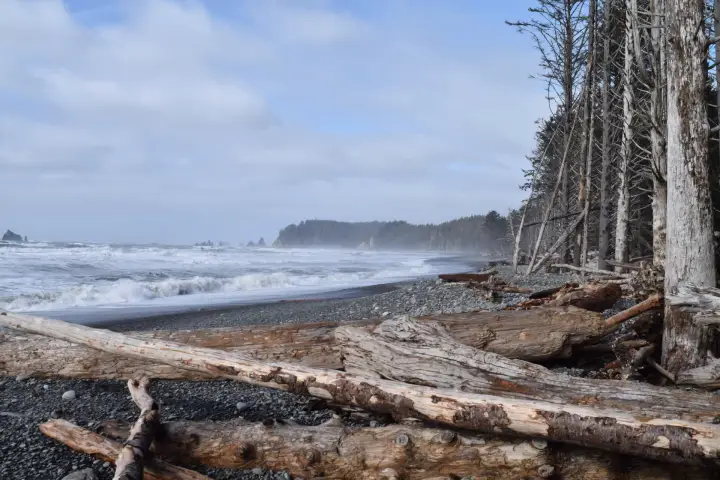
- Rialto Beach: A rocky beach near La Push known for sea stacks, driftwood, and the route toward Hole-in-the-Wall when conditions allow.
- Second Beach: Reached by a forest trail and known for offshore rock formations.
- Ruby Beach: A convenient Highway 101 stop with sea stacks and large driftwood.
- Kalaloch: A developed coastal area with beaches, overlooks, lodging, and nearby camping.
Never assume a beach route remains safe throughout the day. Rising tides can isolate hikers against cliffs or headlands, and large waves can move heavy drift logs without warning.
Visit Lake Crescent and Marymere Falls
Lake Crescent is a deep, clear lake west of Port Angeles. Highway 101 follows part of the shoreline, making it a practical addition to an itinerary built around Hurricane Ridge or Sol Duc.
The Marymere Falls trail begins near the Storm King Ranger Station and passes through old-growth forest before reaching the waterfall. The hike is short enough to combine with a lakeshore stop, picnic, or another nearby trail.
Seasonal kayak rentals may be available, but cold water and wind deserve the same caution as mountain weather.
Hike to Sol Duc Falls
The Sol Duc Valley offers another entrance into old-growth forest and is easier to combine with Lake Crescent than with the Hoh Rain Forest.
The trail to Sol Duc Falls passes through dense forest before reaching a waterfall divided into several channels above a narrow gorge. Wet roots, mud, and slick bridges are possible even during summer.
The access road and nearby facilities operate seasonally, so confirm current conditions before making the drive.
Go Tide Pooling
At low tide, rocky areas of the Olympic coast reveal sea stars, anemones, mussels, crabs, and other intertidal life.
Successful tide pooling requires more planning than simply arriving near sunset. Check a reliable tide table, reach the beach before the predicted low tide, and leave enough time to return before the water rises.
Avoid stepping on living organisms, do not remove marine life, and keep children close around slippery rocks and unpredictable waves.
5 Best Tours and Experiences in and Around Olympic National Park
Olympic National Park tours are especially useful for travelers without a rental car, visitors who prefer not to manage ferry schedules and parking, and groups that want a knowledgeable guide to adapt the day around weather and road conditions.
The five experiences below are not interchangeable. Three are guided park tours, one is a private customizable experience, and one is a Seattle sailing cruise that does not enter Olympic National Park.
| Experience | Best For | Duration | Starting Area | Main Focus | Location |
| Seattle: Olympic National Park Small-Group Tour | Travelers wanting an all-inclusive guided day | 12 hours | Downtown Seattle | Nature walks, scenic stops, and interpretation | Inside and around the park |
| Seattle: Tall Sailboat Sunset Harbor Cruise | A relaxed evening before or after the park | 2 hours | Pier 66, Seattle | Sunset sailing and skyline views | Seattle Harbor |
| Olympic National Park Tour with Ferry Ride | Visitors wanting a sightseeing-focused day trip | 12 hours | Seattle or Port Angeles | Major northern park stops | Inside the park |
| Hoh Rain Forest and Rialto Beach Tour | Travelers prioritizing rainforest and coast | 9 hours | Port Angeles | Naturalist-led rainforest and beach exploration | Inside the park |
| Olympic Full-Day Private Tour & Hike | Families and groups wanting customization | 6–8 hours | Port Angeles, Sequim, Forks, or La Push | Private hiking and sightseeing | Inside the park |
1. Seattle: Olympic National Park Small-Group Tour
Best for: Travelers who want an all-inclusive, naturalist-led day from Seattle
Duration: 12 hours
Starting area: Downtown Seattle
Activity type: Small-group sightseeing, nature walks, and seasonal snowshoeing
Group size: Up to 10 participants
Location: Olympic National Park and the Olympic Peninsula
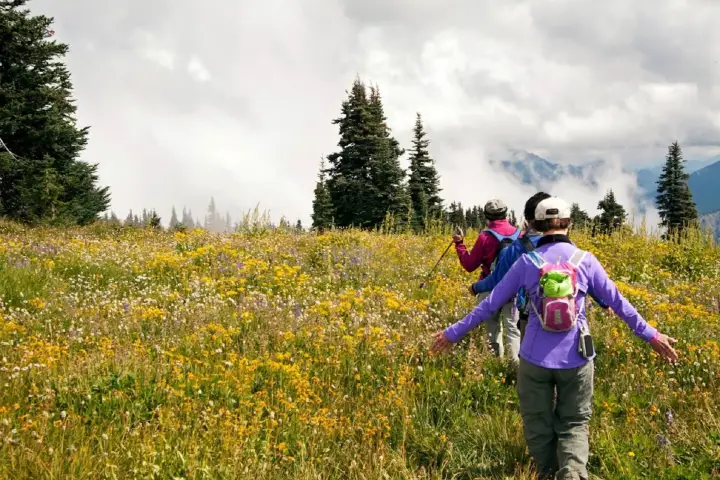
This small-group tour is designed as a full introduction to Olympic National Park rather than a single long hike. The route changes according to weather, season, road conditions, and the interests of the group, allowing the guide to choose the strongest available combination of mountain, lake, forest, and coastal scenery.
A typical day begins with pickup in downtown Seattle, followed by a ferry crossing and a drive across the Olympic Peninsula. Potential stops include Salt Creek Recreation Area, Lake Crescent, forest trails, waterfalls, and Hurricane Ridge when mountain access and visibility are favorable. On some days, the route may extend toward the coast instead.
The experience emphasizes time outside the vehicle. Guests may join guided nature walks through old-growth forest, explore lakeshore trails, look into tide pools, or use snowshoes in subalpine terrain during winter. The itinerary is not identical every day, which is useful in a park where conditions can vary dramatically between regions.
The booking includes round-trip transportation in a comfortable passenger van, an experienced naturalist guide, park entrance fees, a locally sourced lunch, snacks, and drinks. Snowshoe equipment is provided when winter conditions require it. The small group size allows more guide interaction and makes it easier to adjust the pace than on a larger coach tour.
This is a strong choice for first-time visitors who want a polished, guided experience and do not mind spending a full day traveling from Seattle. It is less appropriate for travelers whose only goal is the Hoh Rain Forest or outer coast, since the route is determined by the day’s conditions rather than one guaranteed western-peninsula itinerary.
Review the Seattle Olympic National Park Small-Group Tour and check availability.
2. Seattle: Tall Sailboat Sunset Harbor Cruise
Best for: Couples, photographers, and travelers with an extra evening in Seattle
Duration: 2 hours
Starting area: Pier 66 at Seattle’s waterfront
Activity type: Sunset sailing
Location: Seattle Harbor and Elliott Bay—not Olympic National Park
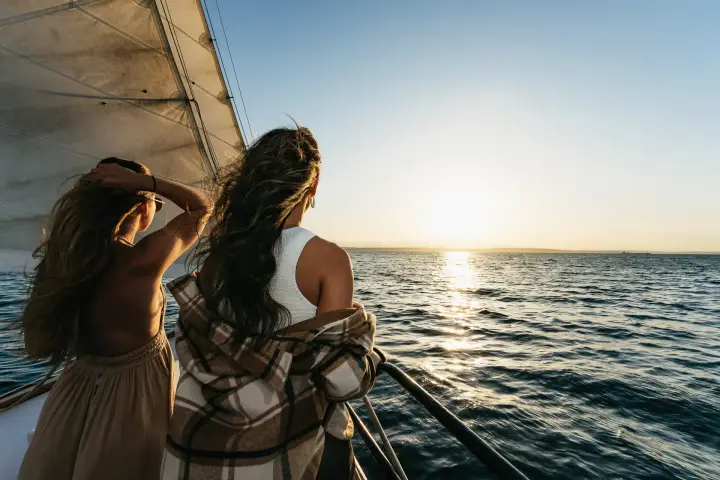
This two-hour sunset cruise takes place aboard the Bay Lady, an authentic tall sailboat departing from Pier 66. It does not enter Olympic National Park, but it can complement a peninsula trip with a relaxed evening on Puget Sound.
After boarding near Bell Harbor Marina, the crew raises the sails and allows the wind to help determine the direction of the cruise. Passengers can relax on deck, watch the Seattle skyline light up, or help raise the sails and try steering the ship.
Views may include the Space Needle, Smith Tower, downtown Seattle, Mount Rainier, and the Olympic Mountains when skies are clear. The sunset is positioned behind the Olympic range from the Seattle waterfront, providing a distant perspective on the mountains visited during a national park trip.
The ticket includes the cruise, captain, crew, and access to two onboard restrooms. Food and drinks are not included, but beer, wine, cider, champagne, soft drinks, water, and snacks are available to purchase from the onboard bar. Hotel transportation is also not included.
The cruise operates rain or shine, so sunset colors and mountain views cannot be guaranteed. Weather-appropriate layers are important because the harbor can feel much cooler and windier than downtown Seattle.
This is a good fit for travelers looking for a low-effort activity at the beginning or end of a Pacific Northwest trip. It should not be presented as an Olympic National Park tour because the boat remains in the Seattle area.
Check available dates for the Seattle Tall Sailboat Sunset Harbor Cruise.
3. Olympic National Park Tour with Ferry Ride
Best for: First-time visitors who want a structured sightseeing day without driving
Duration: Approximately 12 hours
Starting area: Selected downtown Seattle locations or the Red Lion Hotel in Port Angeles
Activity type: Scenic driving, viewpoints, short walks, and guided sightseeing
Location: Northern Olympic Peninsula and Olympic National Park
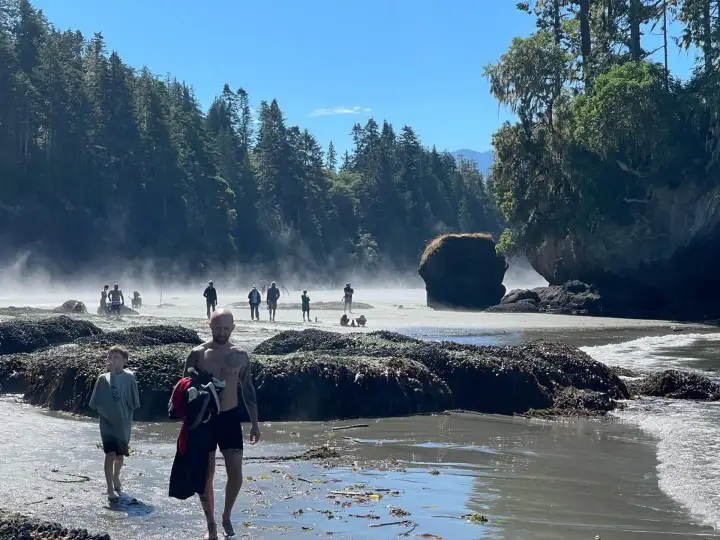
This full-day experience combines a ferry ride across Puget Sound with a guided route through the northern side of Olympic National Park.
Possible stops include Hurricane Ridge, Lake Crescent, Marymere Falls, the Elwha River area, Salt Creek Recreation Area, a beach along the Strait of Juan de Fuca, and the Sol Duc Valley during the appropriate season. The exact combination depends on weather, road access, timing, and seasonal conditions.
The day is more sightseeing-focused than hiking-focused. Travelers can expect several scenic stops and short walks rather than one sustained trail. That format works well for visitors who want to see varied landscapes without committing to a physically demanding hike.
Transportation is provided in an air-conditioned minibus with panoramic windows. The experience includes pickup and drop-off from selected locations, the Puget Sound ferry crossing, guided park exploration, and the Olympic National Park entrance fee. Meals, drinks, and guide gratuities are not included.
The tour listing notes that it is not suitable for people with mobility limitations, back problems, heart conditions, or certain pre-existing medical conditions. Travelers should bring comfortable footwear, rain protection, warm clothing, water, and other weather-appropriate layers.
This is a practical choice for visitors who want a broad introduction to the northern park region and prefer a larger vehicle to a more active small-group nature tour. Because the itinerary already fills a 12-hour day, it should not be expected to include the Hoh Rain Forest or the outer Pacific coast.
See current prices and review the Olympic National Park Tour with Ferry Ride.
4. Olympic National Park: Hoh Rain Forest and Rialto Beach Tour
Best for: Travelers staying in Port Angeles who want to prioritize the rainforest and Pacific coast
Duration: 9 hours
Starting area: Olympic Hiking Company tour office in Port Angeles
Activity type: Naturalist-led hiking and coastal exploration
Group size: Up to 12 participants
Location: Hoh Rain Forest and Rialto Beach inside Olympic National Park
This tour has a clearly defined focus: a guided hike through the Hoh Rain Forest followed by an afternoon along the Olympic Wilderness Coast at Rialto Beach.
The day begins in Port Angeles with approximately two hours of driving to the Hoh Rain Forest. Once inside the forest, a naturalist guide leads a roughly two-mile hike across two nature loops. Along the way, the guide identifies mosses, lichens, trees, and other elements of the old-growth ecosystem while explaining the forest’s natural history.
The group generally spends about two hours exploring the Hoh Rain Forest. This makes the experience more interpretive than a quick self-guided walk around the Hall of Mosses.
On the way to Rialto Beach, the tour stops for approximately 15 to 20 minutes at a grocery store in Forks. Guests can purchase sandwiches, snacks, coffee, or other items for a picnic lunch.
The afternoon is spent at Rialto Beach, where the landscape changes from moss-covered forest to sea stacks, driftwood, cobbles, coastal forest, and open Pacific surf. Walking on the beach can be tiring because of the uneven surface, and wet or windy weather is common.
The booking includes Olympic National Park entrance fees, a local naturalist guide and driver, and round-trip transportation from Port Angeles in a modern passenger van. Lunch and guide gratuities are not included. The tour is not suitable for wheelchair users or travelers with significant mobility limitations.
The meeting time is early, and the experience begins and ends in Port Angeles. Because Port Angeles is roughly three hours from Seattle under normal conditions, travelers coming from Seattle should stay on the peninsula the night before rather than attempting an early same-day drive.
Access to Rialto Beach is also subject to current road conditions. During the scheduled 2026 Mora Road closure, the provider may need to alter the coastal portion of the itinerary. Check the latest experience details before booking.
Review the Hoh Rain Forest and Rialto Beach Tour details and available dates.
5. Olympic Full-Day Private Tour & Hike
Best for: Families, photographers, private groups, and travelers who want a flexible itinerary
Duration: Approximately 6–8 hours
Starting area: Port Angeles, Sequim, Forks, or La Push
Activity type: Private guided hiking, wildlife viewing, and sightseeing
Location: Olympic National Park
This private experience is customized around the group’s interests, physical abilities, and pickup location.
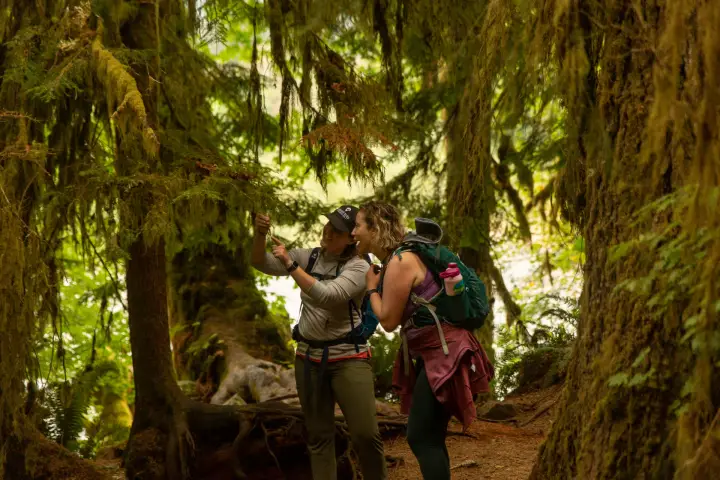
Before the tour, the guide contacts the group to discuss the preferred pace and priorities. The day can focus on major park highlights, a longer trail suited to the group’s fitness level, wildlife and ecology, or less-visited locations away from the busiest stops.
A sample day includes two longer periods of guided sightseeing or hiking separated by a picnic lunch. Activities may include short walks, a more sustained hike, wildlife viewing, scenic drives, and interpretation of the peninsula’s geology, plants, animals, and human history.
The experience includes round-trip transportation, a private medically trained naturalist guide, park entrance fees, refreshments, and a gourmet picnic lunch prepared around the group’s dietary needs. Guide gratuity is not included. Pickup is available from Port Angeles, Sequim, Forks, and La Push, but not from Seattle.
The biggest advantage is flexibility. A family can request easier walks and more frequent breaks, while experienced hikers can dedicate more of the day to a trail. Photographers can spend longer at fewer places rather than following a public group’s fixed pace.
Pickup location matters because Olympic National Park is so large. Port Angeles and Sequim provide better access to the northern region, while Forks and La Push are more practical for the western rainforest and coast. Even a private tour cannot realistically connect every major ecosystem in six to eight hours.
The listing identifies the activity as wheelchair accessible, but accessibility can vary greatly depending on the chosen trail and destination. Travelers with mobility needs should discuss specific requirements with the provider before booking.
Check whether the Olympic Full-Day Private Tour & Hike fits your group.
How to Choose the Right Experience
The right tour depends mainly on the starting point, preferred activity level, and part of the park that matters most.
Choose the Seattle Olympic National Park Small-Group Tour for an all-inclusive experience with a naturalist guide, a small group, food, and an itinerary adapted to the day’s conditions.
Choose the Olympic National Park Tour with Ferry Ride for a structured sightseeing day that includes the ferry, a larger minibus, and stops around the northern park region.
Choose the Hoh Rain Forest and Rialto Beach Tour when rainforest ecology and the Pacific coast are the main priorities and the trip is already based in Port Angeles.
Choose the Olympic Full-Day Private Tour & Hike when the group wants control over the pace, trail difficulty, pickup location, and areas visited.
Choose the Seattle Tall Sailboat Sunset Harbor Cruise as a relaxing evening activity before or after the national park. It offers views toward the Olympic Mountains but does not enter the park.
Frequently Asked Questions
What is the best month to visit Olympic National Park?
September often provides the best balance of trail access, mild weather, and lighter crowds. July and August offer the broadest access but are generally busier.
How many days are needed for Olympic National Park?
Plan at least three days to experience the mountains, a temperate rainforest, and the Pacific coast. Four days provides a more relaxed itinerary and better flexibility for changing weather.
Is Olympic National Park open year-round?
The park remains open throughout the year, but roads, campgrounds, visitor centers, and individual facilities may close or operate on reduced schedules. Temporary weather and construction closures can occur in any season.
Is a reservation required to enter Olympic National Park?
A general timed-entry reservation is not currently required for normal park entry. However, campgrounds, lodging, wilderness trips, and certain activities may require separate reservations or permits. Always confirm current requirements before traveling.
Can Olympic National Park be visited without a car?
It is possible, but difficult. Major destinations are spread around the Olympic Peninsula, and public transportation does not create a convenient sightseeing loop. A transportation-included guided tour is the most practical option for a short visit without a rental car.
Can Hurricane Ridge be visited year-round?
Access depends on weather, road conditions, staffing, construction, and seasonal operations. The road is generally more dependable in summer. Winter openings may be limited or canceled, and traction-device requirements may apply.
Is it possible to see the Hoh Rain Forest and Hurricane Ridge in one day?
It is technically possible during a long summer day, but the itinerary requires several hours of driving and leaves little time for hiking. Most travelers have a better experience choosing the northern region around Hurricane Ridge and Lake Crescent or the western region around the Hoh Rain Forest and coast.
What should visitors bring?
Carry waterproof outerwear, warm layers, sturdy footwear, food, water, offline maps, and sun protection. Coastal visitors should also bring current tide information. Winter travelers heading toward Hurricane Ridge may need approved tire chains or traction devices.
Final Thoughts
The best time to visit Olympic National Park depends on which landscape matters most, but July through September offers the strongest opportunity to experience the mountains, rainforests, lakes, and coast during the same trip.
July and August provide the broadest access. September often brings fewer visitors without immediately giving up favorable hiking conditions. Spring is especially rewarding for rainforests and waterfalls, while winter suits flexible travelers prepared for heavy rain, snow, and temporary road closures.
Olympic’s size is the most important planning consideration. Its highlights are separated by long drives, and there is no road through the mountainous center. A three- or four-day itinerary creates enough time to explore several regions without turning the entire trip into a continuous drive around Highway 101.
Guided experiences can remove much of the transportation, parking, and route-planning stress. The best option is not necessarily the tour with the longest list of possible stops. It is the experience that starts in the right location, visits the preferred part of the park, and matches the traveler’s desired activity level.
Before driving to any major destination, check official alerts, road conditions, tides, weather, and seasonal facility information. Conditions across the Olympic Peninsula can change quickly, and a flexible plan is often the difference between a rushed visit and a rewarding one.
Disclaimer: This post is for informational purposes only. Always check official park regulations, permits, road conditions, closures, and weather before planning or booking any activity.
Affiliate Disclosure: ChaseTheBigDream.com participates in affiliate programs, including GetYourGuide and other trusted partners. When you book or purchase through qualifying links, the site may earn a small commission at no extra cost to you. These partnerships help support the creation and maintenance of independent travel guides.