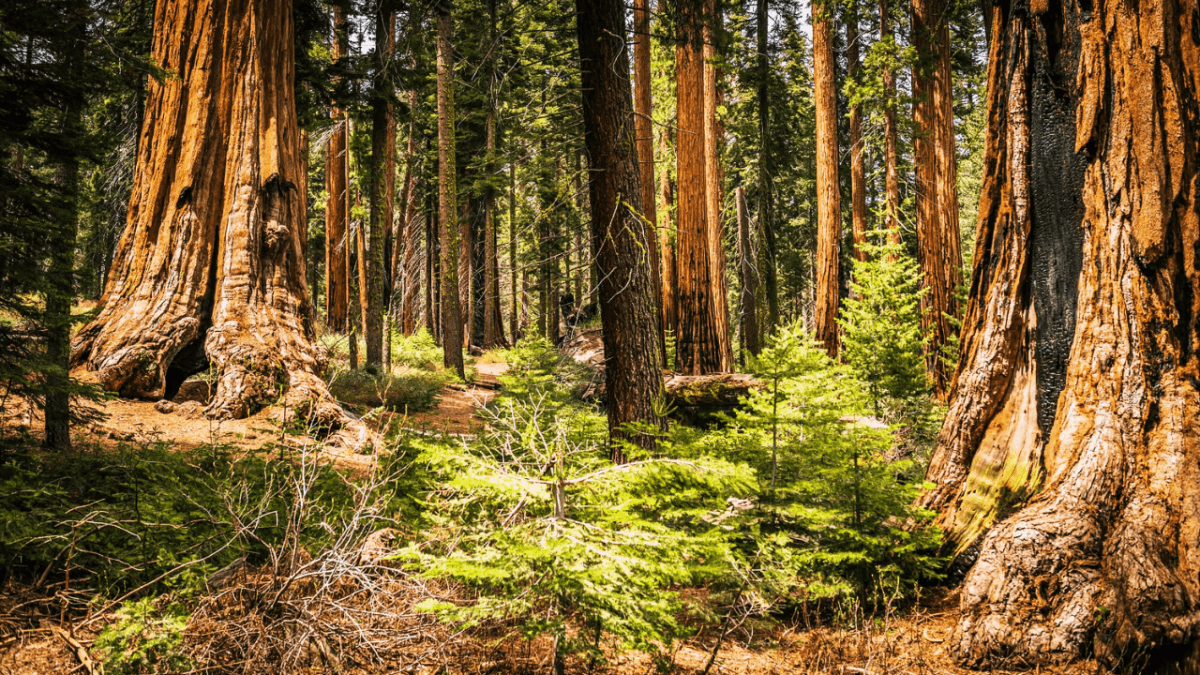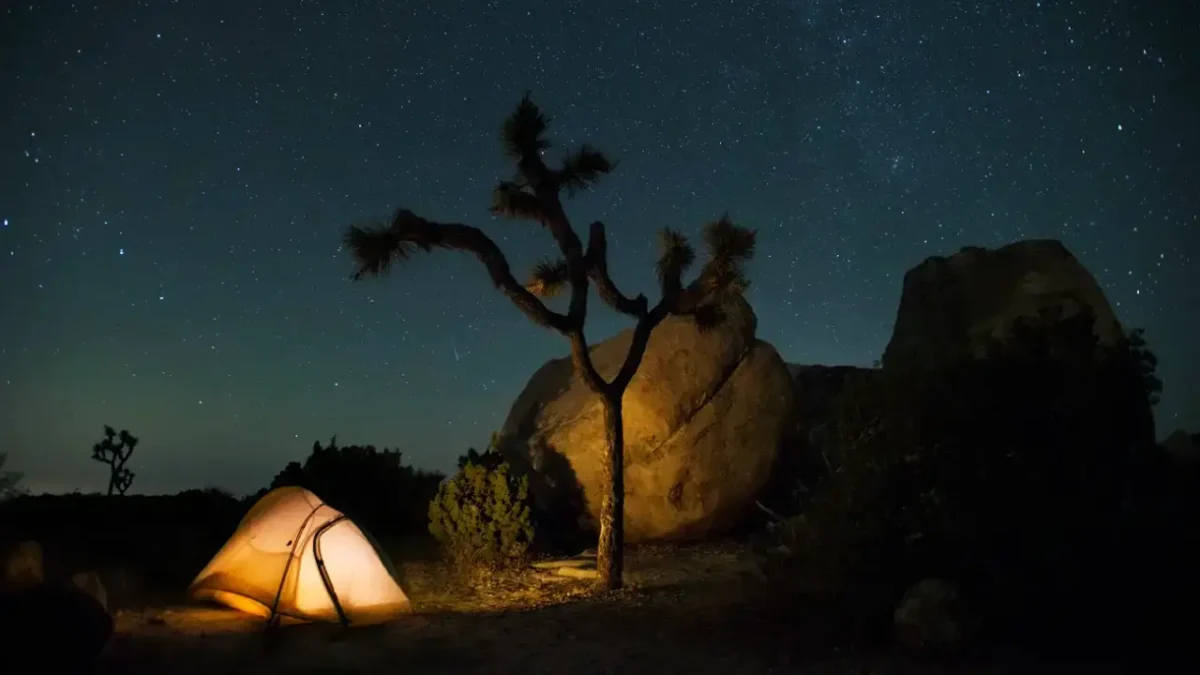
Sunrise in Joshua Tree tends to arrive quietly. Light slips between granite boulders and Joshua tree silhouettes, turning the rock warm and the cholla spines almost translucent. The air is cool and dry, with that familiar desert mix of dust, creosote, and juniper. This is where the Mojave and Colorado deserts meet, and the landscape reflects both—big views, sculpted rock, and those unmistakable trees scattered across the hills. 🏜️
It’s a park that draws road-trippers, climbers, photographers, and anyone who wants a few days of slower living. Trails weave through boulder gardens, climbers inch their way up vertical walls, and night skies feel surprisingly dark for Southern California. With a good plan, it’s possible to experience all of that from a campsite or nearby basecamp that fits how you like to travel. ✨
The challenge is rarely “what to do” and almost always “where to stay.” The park is busy, especially in spring and fall. Reservations vanish quickly, first-come sites fill by mid-morning, and the desert itself has non-negotiable rules around water, shade, and safety.
If waking up to a Joshua Tree sunrise is on your list, this guide walks through your main options: reservable campgrounds inside the park, a quick overview of first-come and backcountry camping, and four excellent stays just outside the boundaries that still keep you close to the trails and viewpoints.
Traveler Tip Box: Planning Your Joshua Tree Trip
| Category | Details |
|---|---|
| Best Season | Spring (March–May) & Fall (October–November). Wildflowers in spring; comfortable hiking temps in fall. |
| Weather | Expect big swings. Summer afternoons can exceed 100°F (38°C), while winter nights often drop below freezing. Pack layers. |
| Park Fees | A standard vehicle pass is $30, valid for 7 days. An America the Beautiful Pass ($80/year) is a strong value if you’ll visit multiple parks. |
| Reservations | Essential for camping in peak seasons. Most sites are reservation-only and book up to 6 months out on Recreation.gov. 🗓️ |
| Cell Service | Very limited to non-existent in many areas. Download maps and key info from the Joshua Tree NPS site before you go. |
Planning around heat, crowd patterns, and campground availability makes the difference between a smooth trip and a stressful one. Treat logistics as part of the adventure, not an afterthought. 🌵
How to Stay Inside Joshua Tree National Park
Camping inside the park puts you closest to the experience most visitors are looking for: coyotes calling at night, stars overhead, and an easy walk from tent or RV to sunrise viewpoints. It also means committing to the park’s desert realities—no water at many sites, minimal shade, and big temperature swings.
Start by reading the camping information and current alerts on the official Joshua Tree campgrounds page. This is where you’ll find the latest updates on which campgrounds are reservation-only, seasonal changes, fire restrictions, and any temporary closures.
Most front-country campgrounds now rely on advance reservations, especially during spring and fall. Understanding what each campground offers helps you match your expectations to the right basecamp. 😊
Reservable Campgrounds (The Main Players)
Reservations for the main campgrounds are managed through Recreation.gov. Bookings typically open six months in advance, and popular weekends fill quickly. If you’re aiming for busy dates—spring wildflowers, fall weekends, holidays—set a calendar reminder and be ready to reserve when sites first open.
Here’s an overview of the core reservable campgrounds:
- Jumbo Rocks Campground
Jumbo Rocks is the classic Joshua Tree experience: campsites tucked among huge granite formations, short scrambles right from camp, and easy access to Skull Rock and other popular spots. The terrain invites exploring, but also means you’ll want sturdy footwear even around camp. Amenities are basic—pit toilets and no water. Every drop you drink, cook with, or wash dishes with needs to come in with you. A solid water strategy (large jugs, clear refill plan in town) is non-negotiable here. In exchange, you get one of the most scenic campground settings in the park and excellent stargazing on clear nights. - Indian Cove Campground
Indian Cove sits in its own rocky canyon, accessed via a separate road off Highway 62. The granite walls here are steep and dramatic, making this a favorite among climbers. Campsites often nestle right up against rock faces, so short scrambles and boulder wandering are practically built into the experience. 🧗 The campground offers vault toilets but no potable water, so you’ll need to bring all of your own. The canyon walls can cut some wind, but temperatures still swing a lot between day and night. Indian Cove is a strong choice if climbing is on the itinerary or you simply like the feel of a tucked-away canyon basecamp. - Black Rock Campground
Near the town of Yucca Valley, Black Rock balances desert immersion with convenient amenities. The campground sits in a dense Joshua tree forest, so the scenery feels a bit more “wooded” than some of the open boulder fields in the park’s interior. Several trails leave right from camp, making it easy to catch sunrise or sunset from nearby ridges. Expect flush toilets, potable water, and a dump station—amenities that make Black Rock especially appealing for RVs and families. A small nature center sometimes offers programs and additional information about the local ecosystem. This is a good match if you want a desert feel but also like having a quick route into town for supplies. - Cottonwood Spring Campground
Cottonwood lies in the lower, warmer Colorado Desert portion, near the park’s south entrance. The vegetation and views change here: think ocotillo, smoke trees, and open washes, along with access to trails like Mastodon Peak and Lost Palms Oasis. The campground offers water and flush toilets, making logistics easier. It’s also often quieter than the busy northern campgrounds, especially during peak seasons. If you prefer a less crowded feel and want easier access to the park’s southern hikes and roadside stops, Cottonwood is worth a close look.
For all these campgrounds, the pattern is the same: book early when possible, remain flexible with dates, and always check current rules on the NPS camping page before you go.
First-Come, First-Served (A Rare Find)
A small number of campgrounds—traditionally including Hidden Valley Campground and White Tank Campground—have offered first-come, first-served sites. Because of their locations near iconic rock formations and popular climbing areas, these spots can fill very quickly.
On busy weekends, it’s common for sites to be claimed early in the day, sometimes by mid-morning. If you build a trip around first-come camping, plan to:
- Aim for midweek arrivals whenever possible.
- Get there early in the day with backup options in mind.
- Confirm current status on the official Joshua Tree camping information page since policies can shift between seasons.
When it works, landing a site in one of these campgrounds feels like a score: walkable access to classic formations, short drives to trailheads, and a more old-school flavor to the camping experience.
Backcountry Camping
For experienced backpackers, backcountry camping offers a quieter, more remote way to experience Joshua Tree. It also comes with more responsibility.
Overnight backcountry trips require a permit, which can be obtained through the NPS and reserved on Recreation.gov’s Joshua Tree wilderness backpacking page. Rules are designed to protect both hikers and the fragile desert ecosystem. In general, backcountry campers must:
- Start from a designated backcountry trailhead.
- Hike at least one mile from the road before camping.
- Set up camp at least 500 feet away from any trail.
The park’s backpacking page outlines regulations, permit details, and safety guidance. Expect rugged terrain, little to no natural shade, and no natural water sources—everything you need must be carried in.
In exchange, you get quiet nights, wide horizons, and a deeper sense of the park’s scale. This style of camping fits small groups who are comfortable with navigation, desert travel, and Leave No Trace practices in a sensitive environment. 👣
4 Unique Stays Near Joshua Tree National Park
Not everyone wants—or is able—to camp inside the park. The surrounding communities offer a growing mix of RV parks, glamping properties, ranch stays, and resort-style options that pair well with days exploring Joshua Tree’s trails and viewpoints.
These stays keep you close to the park while adding comforts like hot showers, real beds, pools, and full hookups. They also work well for mixed-experience groups, families, or trips where someone is working remotely between hikes. 😊
Here are four standout options that provide distinct “basecamp” styles while still keeping the drive to the park reasonable.
Comparison Table: 4 Unique Stays Near Joshua Tree
| Stay Name | Vibe | Approx. Distance to Park | Best For |
|---|---|---|---|
| Joshua Tree RV Campground | Convenient & Amenity-Rich | 5 minutes | RVers and families wanting a close, easy basecamp. |
| Holcomb Valley Ranch | Rustic Mountain Escape | ~1.5 hours | Campers wanting to combine desert and mountain trips. |
| Old Town Ranch | Boutique Glamping (Wine Country) | ~1.5 hours | Couples and friends seeking a unique, stylish getaway. |
| Coachella Lakes RV Resort | Modern Resort Oasis | ~45 minutes | RVers looking for a social, upscale experience. |
1. Joshua Tree RV Campground: The Convenient Basecamp
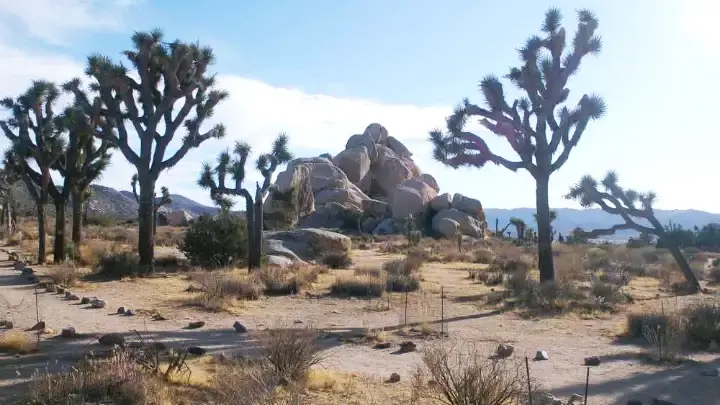
Just a few minutes from the West Entrance, Joshua Tree RV Campground is all about convenience and comfort. After a full day hiking around jumbo boulders, driving park roads, or exploring short interpretive trails, it’s reassuring to know that a level site, a hot shower, and a pool are waiting close by. 🚐
- Atmosphere: Expect a classic, friendly RV park feel. Rigs roll in from across the country, and many guests spend several days working through a list of Joshua Tree hikes and viewpoints. The focus here is less on solitude and more on having an easy, reliable basecamp a short drive from the entrance gate.
- Amenities: Full hookups (water, sewer, electric) keep things simple for RV travelers. The swimming pool is a big plus during hot afternoons, and laundry facilities and Wi-Fi add convenience for longer stays or remote work days. Sites can accommodate a range of RV sizes, from smaller trailers to larger motorhomes.
- Best Season: This campground is workable year-round thanks to its amenities. In summer, many travelers shift their park time to mornings and evenings, then lean on the pool and shade during the hottest hours. In winter and shoulder seasons, mild days and cool nights make it easier to spend long hours outside.
- The Details: Photos, site layouts, and current details are available on Joshua Tree RV Campground’s Campspot listing.
For anyone who wants maximum time inside the park with minimal logistical hassle, this is a straightforward choice. Booking through Campspot keeps the reservation process quick and clear.
2. Holcomb Valley Ranch: A Mountain Escape for Desert Adventurers
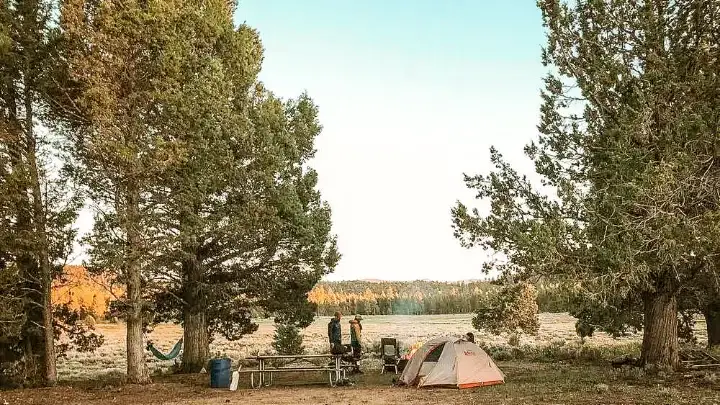
About 90 minutes from Joshua Tree, Holcomb Valley Ranch in Fawnskin trades desert heat and yucca for pine forests and cooler mountain air. This makes it an appealing option for travelers building a trip that combines Joshua Tree with Big Bear Lake or the San Bernardino Mountains. 🌲
- Atmosphere: The ranch setting feels spacious and rustic. Forest roads, open meadows, and pine stands create a classic mountain-camp backdrop. After a hot day in the desert, pulling into camp under tall trees with cooler temperatures feels like a reset.
- Amenities: Holcomb Valley Ranch supports tent camping, RVs, and cabin-style options. Sites lean rustic but comfortable, with enough room for families or small groups. The property and surrounding area encourage walking, informal exploring, and evenings around the fire when conditions and regulations allow.
- Best Season: Late spring through fall is typically the sweet spot here. Snow and colder conditions can impact higher elevations in winter, while summer brings pleasant nights and comfortable daytime temperatures that contrast nicely with the heat down in Joshua Tree.
- The Details: You can preview the setting and site types on Holcomb Valley Ranch’s Campspot listing.
Holcomb Valley Ranch works well if you want to pair desert and mountain environments in a single trip, using the ranch as a basecamp between hikes, lake time, and park days. Reservations are available through Campspot.
3. Old Town Ranch: Desert Trip Meets Wine Country Glamping
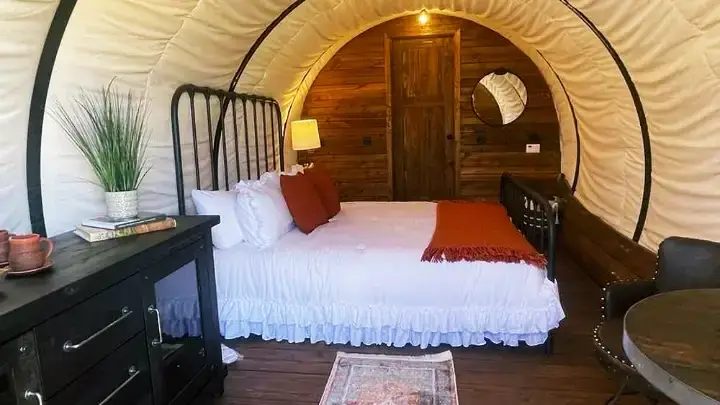
About 90 minutes from the park, Old Town Ranch in Temecula blends access to outdoor adventure with the relaxed feel of Southern California wine country. It’s designed more for glamping than traditional camping, which makes it a great fit for trips where comfort is just as important as trail time. 🍷
- Atmosphere: Picture vintage Airstreams, yurts, and small cabins with thoughtful design details. The vibe is relaxed and slightly upscale, ideal for couples’ getaways, special occasions, or trips with friends who want a memorable place to stay after hiking days.
- Amenities: Accommodations typically include real beds, cozy interiors, and often a private outdoor space for coffee at sunrise or stargazing at night. Some units offer kitchenettes or convenient cooking setups, making it easy to handle meals between Joshua Tree and local wineries.
- Best Season: Spring and fall usually offer the strongest combination of pleasant weather in both the desert and Temecula. Cooler nights and moderate daytime temperatures help make the most of hiking, wine tasting, and slow evenings back at camp.
- The Details: Browse photos and lodging options on Old Town Ranch’s Campspot listing.
For travelers who like the idea of exploring rugged landscapes by day and returning to a comfortable, stylish glamping spot at night, Old Town Ranch is an appealing choice. Bookings are made through Campspot.
4. Coachella Lakes RV Resort: The Modern Desert Oasis
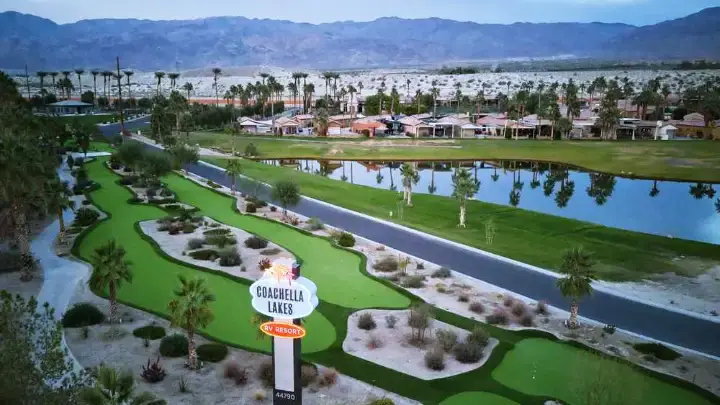
Roughly 45 minutes from Joshua Tree’s south entrance, Coachella Lakes RV Resort offers a resort-style RV experience built around small lakes and well-maintained grounds. It’s a natural match for RV travelers who value both access to the park and high-comfort amenities. ☀️
- Atmosphere: The resort blends desert views with manicured spaces and water features. Expect a relaxed, social feel—neighbors chatting near rigs, people walking around the lakes at sunrise and sunset, and guests using the shared facilities throughout the day.
- Amenities: Full-hookup RV sites, lakeside views, a swimming pool, clubhouse, pickleball courts, and an on-site bar and grill create a comfortable environment for both short and extended stays. It’s easy to spend part of the day in the park and part enjoying the resort’s amenities.
- Best Season: Fall, winter, and spring offer the most comfortable conditions for combining park time with resort life. Cooler temperatures make hiking more enjoyable and pool time more refreshing instead of essential heat relief.
- The Details: Explore site options and resort amenities on Coachella Lakes RV Resort’s Campspot listing.
This stay fits RV travelers who like the idea of a “home base” with plenty of built-in comfort and community, while still being within an easy drive of Joshua Tree’s Cottonwood entrance. Reservations run through Campspot.
Adventure Beyond the Campsite
Whether your home base is a boulder-ringed site inside the park or an RV pad near town, the real draw is getting out into the landscape. Joshua Tree offers everything from short, family-friendly nature walks to longer day hikes and roadside viewpoints.
Here are a few cannot-miss highlights to consider building into your itinerary:
- Hike to Skull Rock
This 1.7-mile nature loop near Jumbo Rocks is a great introduction to Joshua Tree’s monzogranite formations. The route passes the famous skull-shaped rock, but the rest of the loop is just as engaging, weaving through rock corridors and open sandy stretches. It’s approachable for most ability levels; going early or late in the day helps with both temperatures and crowds. 😊 - Stroll the Cholla Cactus Garden
The Cholla Cactus Garden offers a short, quarter-mile loop through an unusually dense stand of “teddy bear” cholla. In low light, the spines almost glow. The plants, however, are extremely clingy—keeping a safe distance and wearing closed-toe shoes is important here. This stop works well as part of a drive between the park’s central areas and its southern entrance. - Catch a Sunset at Keys View
Keys View delivers one of the best big panoramas in the park, looking out over the Coachella Valley, the San Andreas Fault, and distant peaks on clear days. The viewpoint is drive-up, with a short paved path, making it accessible for many visitors. Even in warmer seasons, a light jacket often comes in handy once the sun dips. - Explore Barker Dam
The 1.1-mile Barker Dam loop combines desert scenery with cultural history. The NPS describes the Barker Dam Trail as a relatively flat loop through Mojave Desert terrain, with rock formations, plant diversity, and a historic dam built by early cattle ranchers. After periods of rain, the reservoir can briefly hold water and attract wildlife.
For navigation, an app like Gaia GPS is especially useful in a park with limited cell coverage. Downloading maps in advance lets you follow your route, mark waypoints, and track progress even when your phone drops to airplane-mode navigation only.
If you’re planning to link Joshua Tree with other parks or regions—like Death Valley, the Sierra Nevada, or the Utah desert—renting a rig through RVshare turns the whole route into one continuous road-trip loop. That approach makes “where to sleep” as flexible as changing the next night’s destination.
Did You Know?
The Joshua tree (Yucca brevifolia) is not a tree in the traditional sense. It’s a member of the Agave family, adapted to thrive in tough desert conditions with slow growth and deep roots. According to the National Park Service, some Joshua trees may live for hundreds of years, their twisted shapes reflecting a lifetime of wind, drought, and fire.
That resilience is a big part of what gives the park its distinct character—and why protecting this habitat matters. 🌵
Essential Gear for Joshua Tree Camping
Desert trips reward preparation. A few key items make a noticeable difference in comfort and safety, especially for first-time visitors. Beyond the basics (tent, sleeping bag, layers), two pieces of gear stand out for Joshua Tree specifically.
Serious Water Storage
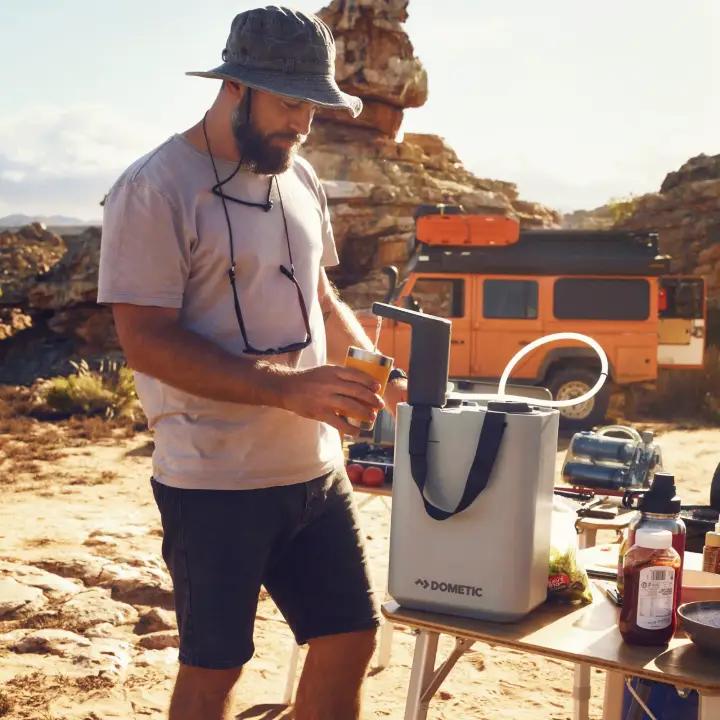
Many of Joshua Tree’s most scenic campgrounds are “dry,” with no water available on site. Relying only on individual bottles can quickly become inconvenient. A larger, durable container like the Dometic GO Hydration Water Jug makes it much easier to bring in enough water for drinking, cooking, and basic cleanup. As a general rule, plan on at least 1.5 gallons of water per person, per day—more if you’re hiking in heat or staying at a dry site. Having a dedicated jug simplifies camp life and reduces the number of refill runs into town. 💧
A True Sun Shirt
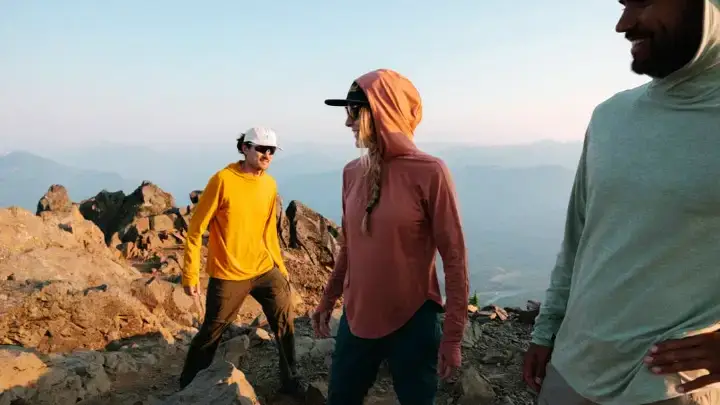
Sun protection is as important as any other piece of safety gear in Joshua Tree. The combination of clear skies, reflective rock, and long days outside make it easy to underestimate UV exposure. A lightweight, long-sleeved sun shirt with a high UPF rating offers consistent protection without constant sunscreen reapplication. The REI Co-op Sahara Shade Hoodie is a strong fit for this environment. Breathable fabric helps manage heat, the hood shields your neck and ears, and thumb holes extend coverage onto the backs of your hands. Paired with a wide-brimmed hat, sunglasses, and regular water breaks, it keeps long days on trail much more comfortable. 😎
Checklist: What to Pack for Joshua Tree National Park
Use this as a starting point and adjust based on season, itinerary, and personal preferences:
Shelter & Sleep System:
- Tent, stakes, and footprint
- Sleeping bag rated for cold desert nights
- Sleeping pad or air mattress
- Pillow or camp pillow
- Extra blanket for unexpected temperature drops
Cooking & Hydration:
- At least 1.5 gallons of water per person, per day
- Large water jug (like the Dometic GO)
- Camp stove and fuel
- Pot, pan, and basic cookware
- Plates, bowls, cups, and utensils
- Biodegradable soap and small wash basin
- Cooler with ice or ice packs
- Trash bags (pack it in, pack it out)
Clothing & Footwear:
- Broken-in hiking boots or trail shoes
- Moisture-wicking socks (plus an extra pair)
- Lightweight base layers
- Long-sleeved sun shirt (such as the Sahara Shade Hoodie)
- Insulating layer (fleece or puffy jacket)
- Wind or shell jacket
- Wide-brimmed hat and sunglasses
- Comfortable camp shoes (sandals or slip-ons)
Safety & Navigation:
- Headlamp or flashlight with extra batteries
- Basic first-aid kit
- Sunscreen and SPF lip balm
- Downloaded park map or GPS app (like Gaia GPS)
- Portable power bank for devices
- Multi-tool or small repair kit
Comfort & Extras:
- Camp chairs
- Small daypack
- Quick-dry towel
- Earplugs and eye mask (for busy or bright campgrounds)
- Notebook or camera for capturing the trip
Checking this list before leaving helps avoid last-minute gear runs in gateway towns and keeps the focus on hiking, exploring, and relaxing once you’re in the park.

Stay Wilder, Travel Lighter
There’s a short window each evening when Joshua Tree settles down. Traffic thins, trailheads get quiet, and campground chatter fades into low conversation and the occasional coyote call. The rock still holds a bit of warmth, the air cools quickly, and the sky transitions from blue to deep indigo dotted with stars.
That’s often the moment travelers remember most. It’s when long drives, careful planning, and reservation refreshes feel worthwhile. With a realistic camping plan, a basecamp that fits your style, and gear that matches the environment, the focus shifts from logistics to simply being there. 🏕️
Whether your next trip lands you among the boulders at Jumbo Rocks, under the pines at Holcomb Valley Ranch, beside a small lake at Coachella Lakes, or in a glamping Airstream near Temecula, the core experience stays the same: more time outside, more sky, and a slower pace than everyday life.
Pick the campground or stay that fits your group, build in time for both classic highlights and quiet moments, and let the desert set the rhythm. Joshua Tree has a way of taking care of the rest.
Disclaimer: This post is for informational purposes only. Always check official park regulations, permits, and weather conditions before camping or booking.
Affiliate Disclosure: ChaseTheBigDream.com participates in affiliate programs (including Campspot, REI, Gaia GPS, RVshare, and other trusted partners). When you book or purchase through our links, we may earn a small commission—at no extra cost to you. These partnerships help keep our National Park guides authentic, independent, and free for readers.
© 2025 ChaseTheBigDream.com | All rights reserved.