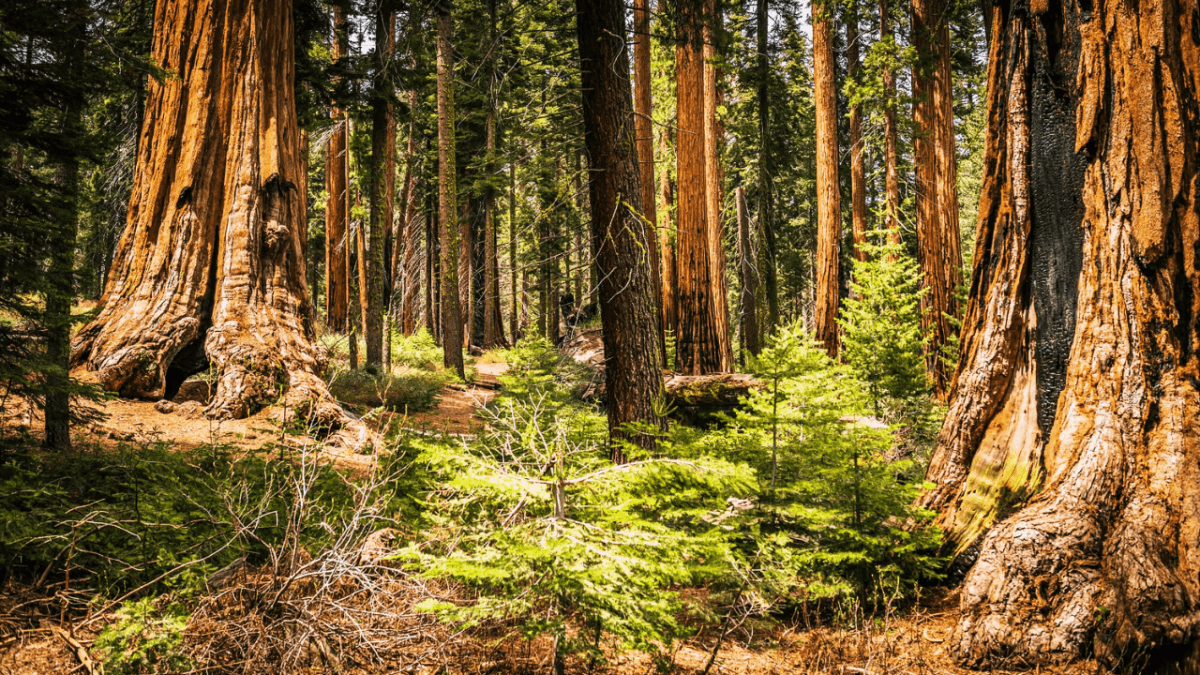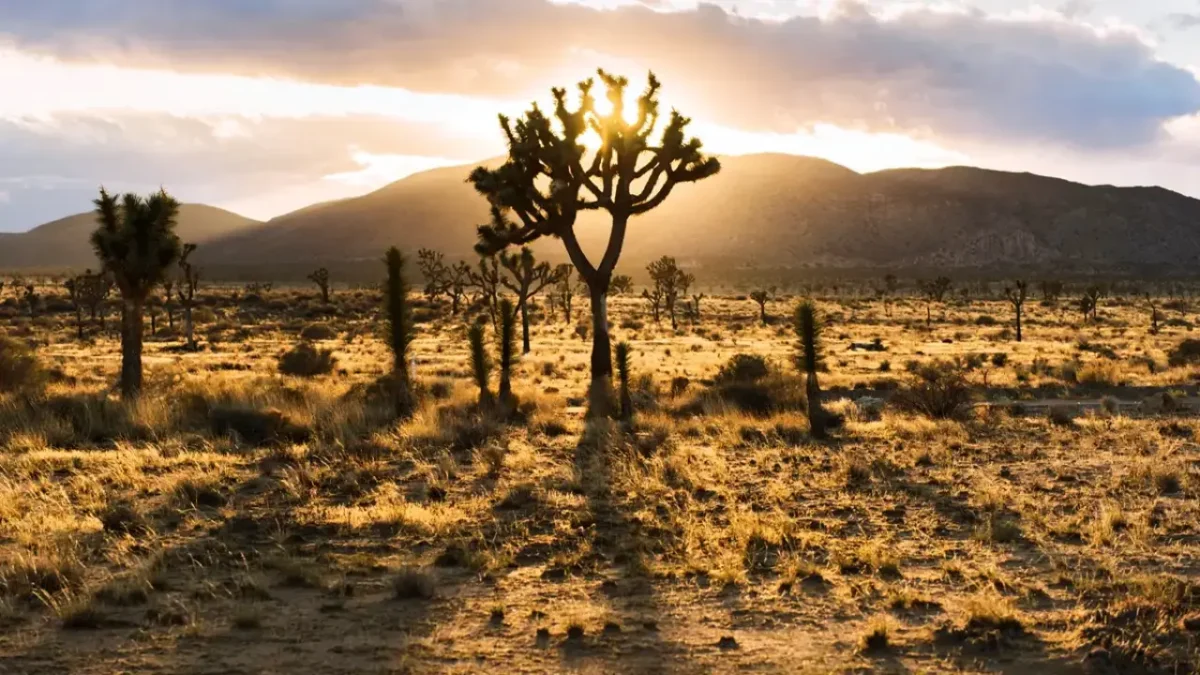
Sunrise in Joshua Tree feels different from most places. Light slides slowly over the horizon, turning monzogranite boulders from cool gray to warm apricot and rose. The air is dry and crisp, carrying the faint scent of creosote and sun-baked sand. 🌅
Then the silhouettes start to stand out—the Joshua trees. Twisted, spiky, and unmistakable, they dot the desert like sentinels. Each one bends and branches in its own way, giving the park an almost otherworldly character.
Joshua Tree National Park sits at the meeting point of two desert ecosystems: the higher, cooler Mojave Desert and the lower, warmer Colorado Desert. That overlap creates a surprising mix of rocky ridges, cactus gardens, sandy washes, and Joshua tree forests. Climbers, hikers, photographers, and stargazers all find something that feels like it belongs specifically to them here. 🌵
Out on the trails and backroads, there is a quiet that city life rarely offers. Sounds carry differently—boots on granite, wind brushing through spines and branches, the distant call of a raven. The landscape encourages a slower pace, a wider field of view, and a deeper kind of attention.
For many visitors, the goal is simple: find the most meaningful things to do in Joshua Tree National Park without wasting time or energy. Guided adventures can play a big role in that. The four experiences below pair local expertise with a careful balance of comfort, challenge, and discovery, so the focus stays on connecting with the desert, not wrestling with logistics. ✨
How to Explore Inside Joshua Tree National Park with Confidence
Joshua Tree is beautiful, but it is also a true desert environment. Preparing for the conditions is just as important as choosing the right hike or viewpoint. Once inside the park, services are limited and distances can be deceiving, especially under strong sun. Good planning helps the entire trip feel calmer and safer. 🗺️
There are three main entrances, each with its own advantages:
- West Entrance (near the town of Joshua Tree):
The most popular gateway and the one many travelers use. It offers quick access to iconic rock formations, dense Joshua tree groves, and central trailheads like Hidden Valley. On busy weekends and holidays, long lines at this entrance are common. - North Entrance (near Twentynine Palms):
A solid alternative when the West Entrance is congested. It connects easily to many of the same interior roads and is convenient for those staying in Twentynine Palms or nearby. - South Entrance (near Cottonwood Spring):
This entrance leads into the lower-elevation Colorado Desert side of the park. The vegetation changes—more low shrubs, fewer Joshua trees—and the landscape feels wider and more open. It’s a good option for road-based exploration or early/late-day drives.
Key Park Logistics
- Entrance Fees:
A standard vehicle pass costs $30 and is valid for seven consecutive days. Frequent public-land visitors often prefer the America the Beautiful annual pass, which covers entrance fees at many national parks and federal recreation areas. - Services Inside the Park:
There are no gas stations, restaurants, or traditional lodges within the park. Cell service is limited or nonexistent in much of the interior. Fuel up in town, bring all food and snacks for the day, and carry more water than expected. - Water Is Non-Negotiable:
The National Park Service recommends at least 1 gallon (4 liters) of water per person, per day—more in hotter months or for longer hikes. Electrolytes and salty snacks help maintain energy and balance in dry conditions. 💧 - Wildlife and Safety:
Joshua Tree supports coyotes, jackrabbits, desert tortoises, snakes, lizards, and a wide range of birds. Wildlife should be observed from a distance and never fed. Rocks can be unstable, cholla spines are unforgiving, and loose gravel can make descents tricky. Closed-toe shoes with good grip are strongly recommended.
Season, time of day, and weather all shape the experience. Spring and fall often bring pleasant daytime temperatures and cool nights. Summer heat can be intense, with very little shade away from rock formations. Winter can bring chilly nights and occasional frost at higher elevations.
Before heading in, it is always wise to check NPS alerts for Joshua Tree National Park for the latest updates on road closures, weather advisories, and trail conditions. ⚠️
A simple plan—where to enter, which areas to prioritize, how much time to allow—turns the day from a scramble into a well-paced desert outing, with plenty of room for spontaneous stops and photo breaks.
Traveler Tip Box: Joshua Tree at a Glance
| Best Season | Spring (March–May) & Fall (October–November) for pleasant temperatures and wildflower blooms. |
| Entrance Fee | $30 per vehicle (7-day pass) or an annual National Parks Pass. |
| Difficulty | Varies. Easy, flat nature walks to strenuous backcountry hikes and technical rock climbing. |
| Must-See Spots | Skull Rock, Cholla Cactus Garden, Keys View for sunset, Hidden Valley Nature Trail. |
This quick snapshot sets expectations. From here, guided tours can help unlock the park’s geology, history, and hidden corners, especially for first-time visitors or those traveling on a tight schedule. 😊
Featured Experiences: 4 Unforgettable Guided Tours in Joshua Tree National Park 🌟
Self-guided drives and hikes are classic ways to experience the park, but the desert often reveals more through context: stories, natural history, and local knowledge. Guided tours bring that context to life.
Local guides spend countless days in and around Joshua Tree. They know where the light looks best at certain times, which areas stay quieter, and how to explain complex geology or desert ecology in clear, accessible language. That knowledge turns a scenic view into a memorable, layered experience. 🌄
The four GetYourGuide experiences below highlight some of the most rewarding things to do in Joshua Tree National Park and its surrounding landscapes:
- A customizable private park overview.
- A geology-heavy Jeep tour along the San Andreas Fault.
- A private rock climbing progression on world-class stone.
- A nature walk paired with cacao ceremony and sound bath meditation.
Each can anchor a full day, leaving room for independent exploring before or after.
Comparison Table: 4 GetYourGuide Experiences Near Joshua Tree
| Experience | Best For | Duration | Vibe |
|---|---|---|---|
| Ultimate Joshua Tree Private Adventure | Families & Groups | 6 Hours | Educational & Scenic |
| San Andreas Fault Jeep Tour | Thrill-Seekers | 3 Hours | Adventurous & Geologic |
| Private Rock Climbing Trip | Active Adventurers | 4–8 Hours | Challenging & Rewarding |
| Nature Walk & Sound Bath | Wellness Seekers | 2.5 Hours | Calming & Spiritual |
1. The Ultimate Joshua Tree National Park Private Group Adventure
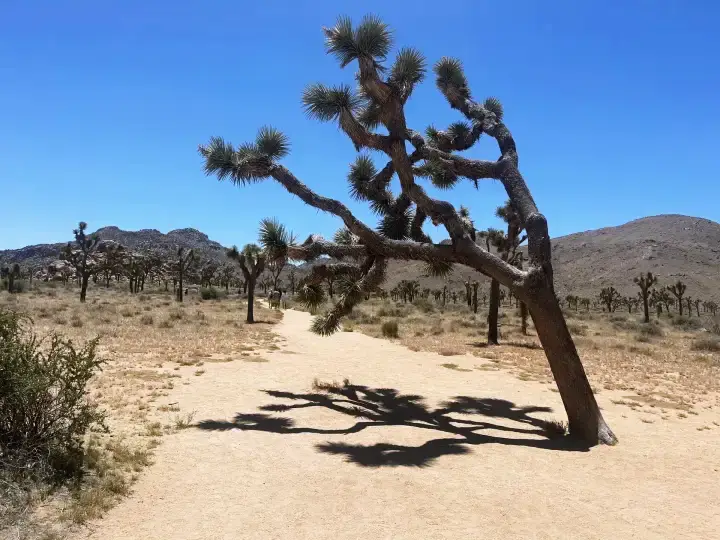
For anyone hoping to see the park’s highlights without micromanaging every detail, the Ultimate Joshua Tree National Park Private Group Adventure is a strong starting point.
This experience is built around a simple idea: combine a flexible itinerary with a knowledgeable local guide. Instead of guessing which viewpoint or trail to choose next, the group can relax into a thoughtfully paced day that connects several of the park’s most impressive areas. 🚐
Depending on the group’s interests, a typical outing might include:
- Short walks through classic Joshua tree groves, with explanations of how these plants grow, reproduce, and survive.
- Stops at broad viewpoints where the contrast between the Mojave and Colorado deserts becomes clear.
- Time in rock gardens and boulder fields, ideal for photography and gentle scrambling.
Along the way, guides often share stories from Indigenous history, early ranching, the formation of the park, and the adaptations that allow wildlife to thrive in such an arid place. The result is a broad but meaningful overview that feels more like a curated day than a checklist. 🌳
- Atmosphere: Relaxed, informative, and adaptable to different ages and fitness levels. Excellent for families, small friend groups, and visitors who prefer structure with room for questions and photo stops.
- Logistics: The tour typically lasts about 6 hours and includes private transportation, water, and snacks. It works particularly well for those staying in Palm Springs and nearby desert communities.
- Real Tour Link
To reserve this tailored park overview with trusted local guides, you can book this exact tour through GetYourGuide and step into Joshua Tree with a clear plan from the very first stop.
2. The San Andreas Fault Open-Air Jeep Tour

Inside the park, rock formations hint at deep geologic time. Just beyond the boundary, the San Andreas Fault Open-Air Jeep Tour shows how those forces are still at work.
This experience explores a private reserve along one of the most famous fault lines on Earth. Riding in an open-air Jeep, travelers can feel the temperature shifts, smell the desert air, and see the fault’s impact etched into the land—tilted layers, broken ridges, and folded hillsides. ⛰️
Common highlights include:
- Walking through narrow slot canyons sculpted by water and erosion.
- Visiting a natural palm oasis sustained by underground water, where tall fan palms stand in sharp contrast to the surrounding terrain.
- Standing near or on the visible trace of the San Andreas Fault, where the Pacific and North American plates grind slowly past one another.
Guides break down complex geological concepts into clear, visual explanations. Instead of abstract terms like “plate tectonics” and “fault zones,” visitors see exactly how the ground has shifted over time. The tour blends off-road adventure with an approachable science lesson. 🤓
- Atmosphere: Adventurous but accessible, with a strong educational component. Ideal for visitors interested in geology, earth science, or simply seeing something few roadside viewpoints can offer.
- Logistics: This is a 3-hour tour departing from Palm Desert, led by a naturalist guide. Bottled water is typically provided, but a brimmed hat, sunscreen, and sunglasses are recommended, along with an extra layer for cooler mornings or evenings.
- Real Tour Link
For a deeper understanding of how this region came to look the way it does, you can book this exact tour through GetYourGuide and watch geology move from textbook diagrams into real desert terrain.
3. The Joshua Tree National Park Private Rock Climbing Trip
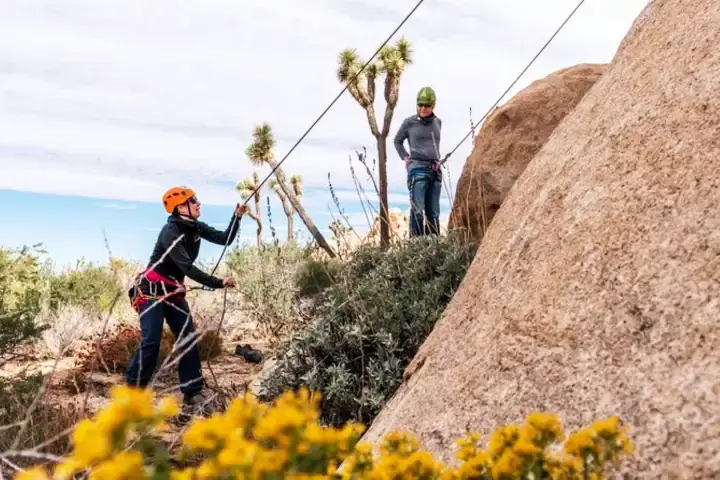
Joshua Tree is a cornerstone of American rock climbing. Thousands of routes wind up domes, ridges, and boulder piles. That reputation can make the idea of climbing here feel intimidating, especially for newcomers. The Joshua Tree National Park Private Rock Climbing Trip is designed to change that. 🧗♀️
The experience pairs individuals, couples, or small groups with professional climbing guides who tailor the outing to each group’s ability and comfort level. For new climbers, the focus often includes:
- Learning how the rope, harness, helmet, and belay system work.
- Practicing basic movement skills—balance, footwork, and body position.
- Building confidence on low-angle terrain before tackling steeper lines.
More experienced climbers can use the day to refine technique, try new styles (such as crack climbing), or sample classic Joshua Tree routes suitable for their ability. The emphasis stays on safety, progression, and positive challenge.
Reaching the top of a climb offers a view that feels different from a roadside overlook. From a perch on the rock, it is possible to look out across boulder fields, Joshua tree forests, and distant ridgelines in every direction. The sense of accomplishment often becomes a highlight of the entire trip. 💪
- Atmosphere: Supportive, skill-focused, and confidence-building. A good match for adventurous travelers, couples looking for a shared challenge, or families with older kids who enjoy physical activity.
- Logistics: Trips are usually offered in 4, 6, or 8-hour formats and take place inside the park. All climbing equipment—helmet, harness, shoes, and ropes—is provided. Guests bring water, food, sun protection, and active clothing that moves easily.
- Real Tour Link
For an approachable, professionally guided introduction to climbing in one of the world’s most iconic destinations, you can book this exact tour through GetYourGuide and experience Joshua Tree in a very literal “hands-on” way.
4. Nature Walk, Cacao Ceremony & Soundbath Meditation in Joshua Tree
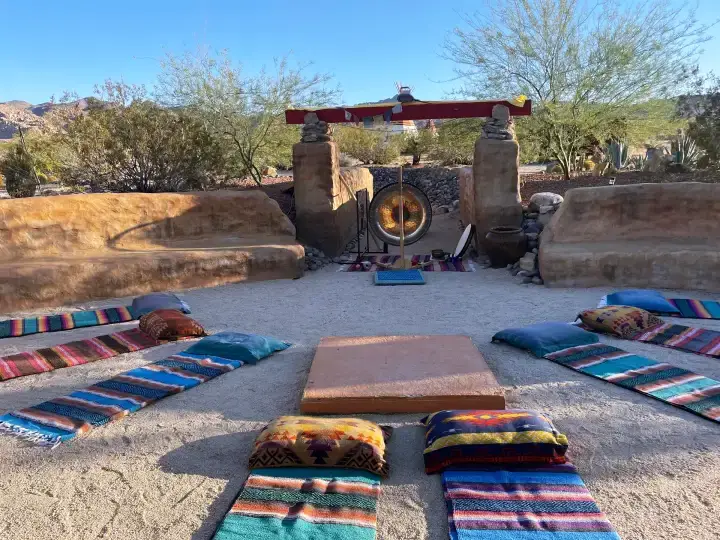
Not every adventure needs to push mileage or vertical gain. The desert also lends itself to slow, reflective time, and the Nature Walk, Cacao Ceremony & Soundbath Meditation in Joshua Tree taps directly into that side of the landscape. 🌙
This experience typically begins with a gentle nature walk near the park. The pace is slow enough to notice details that often slip by—patterns in the rock, subtle color shifts in the soil, the way plants tuck into shade or shelter near boulders. Guides highlight desert adaptations, local stories, and the resilience of life in this environment.
After the walk, the group gathers for a cacao ceremony. Cacao, used in various traditions as a heart-opening drink, becomes a way to mark the shift from everyday concerns into a more present, intentional state. Participants are invited to set simple intentions—relaxation, gratitude, clarity—or simply rest into the moment. 🌿
The experience closes with a sound bath. Participants usually lie back on mats or blankets while the guide plays crystal bowls, chimes, and gongs. The sound waves create an immersive atmosphere that encourages deep relaxation. Many guests describe the combination of desert air, grounding earth, and layered sound as one of the most restorative parts of their trip.
This is one of the more introspective things to do in Joshua Tree National Park’s orbit and pairs well with a previous day of hiking, climbing, or driving.
- Atmosphere: Calm, meditative, and welcoming. No prior experience with meditation or ceremony is required.
- Logistics: The outing lasts about 2.5 hours and usually takes place near the Twentynine Palms entrance. The walk is gentle and suitable for most fitness levels. Comfortable clothing, a light jacket, and a refillable water bottle are recommended.
- Real Tour Link
To explore Joshua Tree through a slower, more inward lens, you can book this exact tour through GetYourGuide and dedicate focused time to stillness in the desert.
Did You Know?
The Joshua tree (Yucca brevifolia) is not actually a tree—it belongs to the Agave family. According to legend, Mormon pioneers named it after the biblical figure Joshua, seeing its upraised branches as guiding them toward the West.
Adventure Planning Essentials: Beyond the Guided Tour
Guided adventures often become the anchor points of a Joshua Tree trip, but the time in between is just as important. Short hikes, scenic drives, and unhurried evenings under the stars all help the park sink in.
Combining both guided and independent time offers the best of both worlds: expert insight plus the freedom to move at a personal pace. 🌌
Iconic Hikes
A few short trails give a strong introduction to the park’s character:
- Hidden Valley:
This 1-mile loop winds through a rock-enclosed valley once used by cattle rustlers. Today it serves as a compact sampler of Joshua Tree’s terrain: rounded boulders, sand underfoot, and clusters of hardy plants finding pockets of shade and moisture. The trail is relatively easy and suitable for most visitors. - Cholla Cactus Garden Nature Trail:
A short, well-defined loop through a dense stand of cholla. In low-angle light, their spines tend to glow, but the plants are anything but cuddly. Staying on the path is crucial; the spines attach easily to clothing and skin and can be difficult to remove.
For a broader list of trails, distances, and difficulty ratings, the official Joshua Tree National Park hiking page is the best place to start.
Stargazing
Joshua Tree is an International Dark Sky Park, which means night skies can be exceptional when conditions cooperate. Away from town lights, it is common to see the Milky Way stretching across the sky. On clear nights, even a short walk from camp or a roadside pullout can reveal far more stars than most urban residents ever see.
A comfortable warm layer, a blanket or camp chair, and a headlamp with a red-light mode make stargazing sessions easier and more enjoyable. 🌠
Lodging and Camping
Campgrounds inside the park often fill quickly, especially during spring and fall weekends. Many require reservations through Recreation.gov. When sites are booked or when more amenities sound appealing, nearby private campgrounds and in-town stays are solid alternatives.
- Camping & Cabins Near the Park:
Campspot makes it easy to search private campgrounds, RV parks, and cabin stays within driving distance of Joshua Tree. - Hotels, Motels & Unique Stays:
The towns of Joshua Tree, Twentynine Palms, and Yucca Valley offer a mix of lodges, motels, and unique rentals. Many of these can be browsed and booked via Booking.com.
Navigation & Trip Planning
Because cell service is limited or absent in many areas, offline navigation is essential.
- Maps & Tracking:
Gaia GPS allows users to download offline topo maps, plan routes, track hikes, and mark important waypoints like trailheads and camps. Having a dedicated navigation tool on hand adds margin when exploring side roads or lesser-known routes.
For longer trips or those who prefer not to pack and unpack a hotel room each day, a rolling basecamp can be a game-changer:
- RV & Campervan Rentals:
With RVshare, it is possible to rent everything from compact campervans to full-size RVs. A vehicle with built-in sleeping and cooking spaces makes sunrise hikes and late-night stargazing more convenient—step outside for the view, step back inside to rest. 🚐
Essential Gear for Your Joshua Tree Adventure 🧭
Joshua Tree can be both welcoming and unforgiving. Strong sun, low humidity, rocky footing, and big temperature swings all shape how the body feels at the end of the day. A few key pieces of gear go a long way toward keeping the experience comfortable and safe.
Two categories deserve special attention: sun protection and hydration.

1. A Wide-Brimmed Sun Hat
Shade is limited in the open desert, and UV exposure adds up quickly. A wide-brimmed hat provides more coverage than a standard cap, helping protect the face, ears, and neck from direct sun.
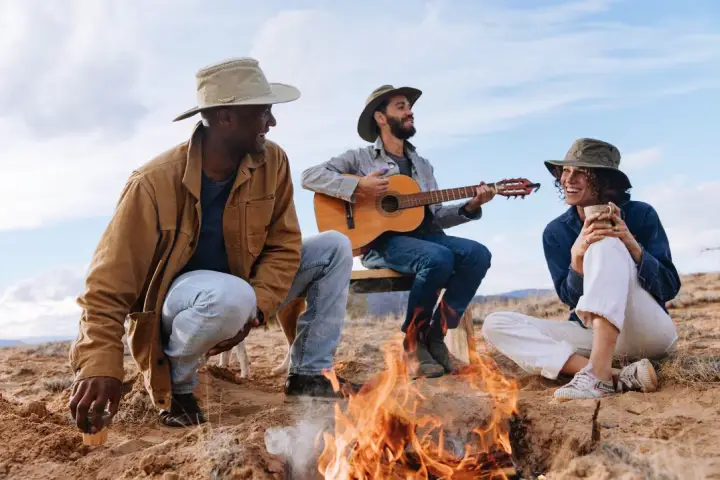
The Tilley LTM6 Airflo Hat is a strong representation of what works well in this environment:
- Lightweight and comfortable for all-day wear.
- Built-in ventilation to manage heat.
- UPF 50+ sun protection for reliable coverage.
- Durable enough to handle repeated use and travel.
A good sun hat quickly shifts from “optional extra” to “always pack it” for desert trips. 😎
2. A Hydration Pack
Carrying multiple loose bottles in a standard daypack can be awkward and makes frequent drinking less likely. Hydration packs centralize water in a reservoir with a hose, allowing small, steady sips without stopping.
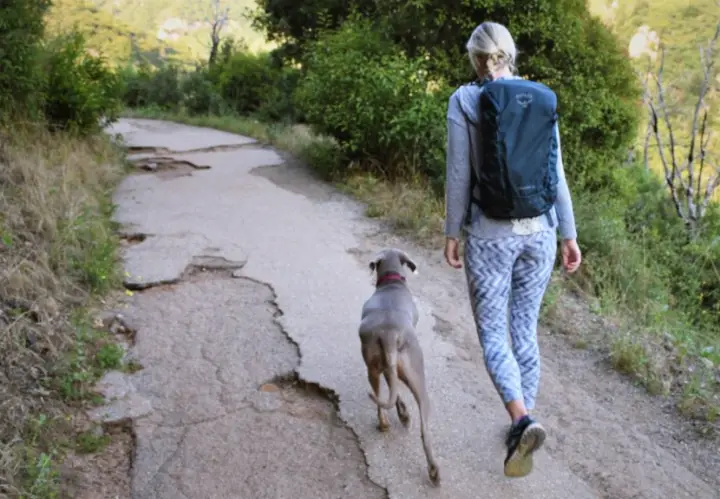
A pack like the Osprey Skarab typically offers:
- A dedicated sleeve for a hydration reservoir.
- An easy-to-use hose and bite valve for drinking on the move.
- Enough interior space for layers, snacks, a first-aid kit, and navigation tools.
Desert travel works best when hydration becomes automatic rather than occasional. A pack designed around that goal helps keep energy levels steady from the first trailhead to the last overlook. 💧
Checklist: What to Bring for Your Adventure
- At least 1 gallon (4 liters) of water per person
- Salty snacks and high-energy food
- Sunscreen (SPF 30+)
- Wide-brimmed hat and sunglasses
- Layers of clothing (it gets cold at night!)
- Sturdy hiking shoes or boots with good grip
- A physical map or offline maps downloaded (don’t rely on cell service)
- A small first-aid kit
- A headlamp or flashlight, even for day trips
- A portable phone charger
With this list covered, most visitors are well-equipped for a full day of hiking, touring, or a mix of both. Extra comfort items—such as a compact camp chair, camera gear, or a lightweight puffy jacket—can then be added depending on season and style of travel.
Wrap-Up — Travel Smarter, Feel Deeper in the Desert
Joshua Tree National Park tends to leave a mark. The silhouettes of Joshua trees against a glowing sky, the texture of granite underhand, and the hush of a dark, star-filled night often stay vivid long after the drive home. 🌠
Guided adventures can help shape those memories. A private tour stitches together the park’s big-picture stories. A Jeep trip along the San Andreas Fault exposes the forces beneath the surface. A climbing day reframes rock as something to interact with, not just photograph. A nature walk with cacao and sound bath invites the nervous system to slow down and match the rhythm of the desert.
Independent time fills in the gaps—short hikes, roadside stops, and unhurried evenings outside the tent or camper. With a thoughtful plan, the right gear, and a balance of guided and self-guided days, a trip to Joshua Tree becomes more than a checklist of sights. It becomes a chance to move at the tempo of the desert, notice small details, and feel genuinely connected to a wild landscape. 🌵
Choose the adventure that fits best, secure the booking, pack with intention, and give Joshua Tree time to unfold. The desert does not rush—and that is part of what makes it memorable.
Disclaimer: This post is for informational purposes only. Always check official park regulations, permits, and weather conditions before booking any activity.
Affiliate Disclosure: ChaseTheBigDream.com participates in affiliate programs (including GetYourGuide, REI, Gaia GPS, RVshare, and other trusted partners). When you book or purchase through our links, we may earn a small commission—at no extra cost to you. These partnerships help keep our National Park guides authentic, independent, and free for readers.
© 2025 ChaseTheBigDream.com | All rights reserved.