The best time to visit Hawaii Volcanoes National Park is typically April through June or September through October if you want a comfortable balance of hiking weather, manageable crowds, and flexibility. But this is one national park where the calendar matters less than the conditions on the ground: rain, clouds, volcanic activity, air quality, and temporary closures can all change quickly.
Hawaiʻi Volcanoes National Park protects the summits of Kīlauea and Mauna Loa, two of the world’s most active volcanoes, across a landscape that stretches from humid rainforest near Kīlauea’s summit to dry lava fields along the coast.
That variety is part of what makes planning a visit so interesting. A cool, misty morning near the summit can turn into a hot, windy afternoon along Chain of Craters Road. And while an active Kīlauea eruption can dramatically change a visit, visible lava should never be assumed or planned around as a guarantee.
This guide covers the best time to visit, seasonal tradeoffs, how many days to spend in the park, what to explore independently, and five guided experiences that offer very different ways to discover the Big Island.
Hawaii Volcanoes National Park at a Glance
| Best Overall Time to Visit | April–June and September–October |
| Best for Hiking | Any month with favorable weather and trail conditions |
| Best for Fewer Crowds | Weekdays and shoulder-season travel periods |
| Suggested Trip Length | 1–3 days |
| Main Gateway Areas | Volcano and Hilo |
| Nearest Major Airport | Hilo International Airport (ITO) |
| Major Volcanoes | Kīlauea and Mauna Loa |
| Park Elevation Range | Sea level to 13,680 feet |
| Official Website | Hawaiʻi Volcanoes National Park — National Park Service |
Best Time to Visit Hawaii Volcanoes National Park
For most travelers, April through June and September through October are especially appealing. These periods avoid some of the busiest vacation weeks while offering plenty of daylight for hiking, scenic drives, overlooks, and stops throughout the park.
But don’t plan a Hawaiʻi Volcanoes trip using a simple “dry season versus wet season” rule.
Weather varies considerably with elevation. The Kīlauea summit sits around 4,000 feet above sea level and can be chilly, rainy, or foggy at any time of year. Temperatures there may be 12 to 15°F cooler than at sea level. Meanwhile, the coastal plain at the bottom of Chain of Craters Road is often much hotter, drier, and windier.
That means layers are useful year-round. A light rain shell, sun protection, sturdy footwear, and water belong in the car even when the forecast looks good.
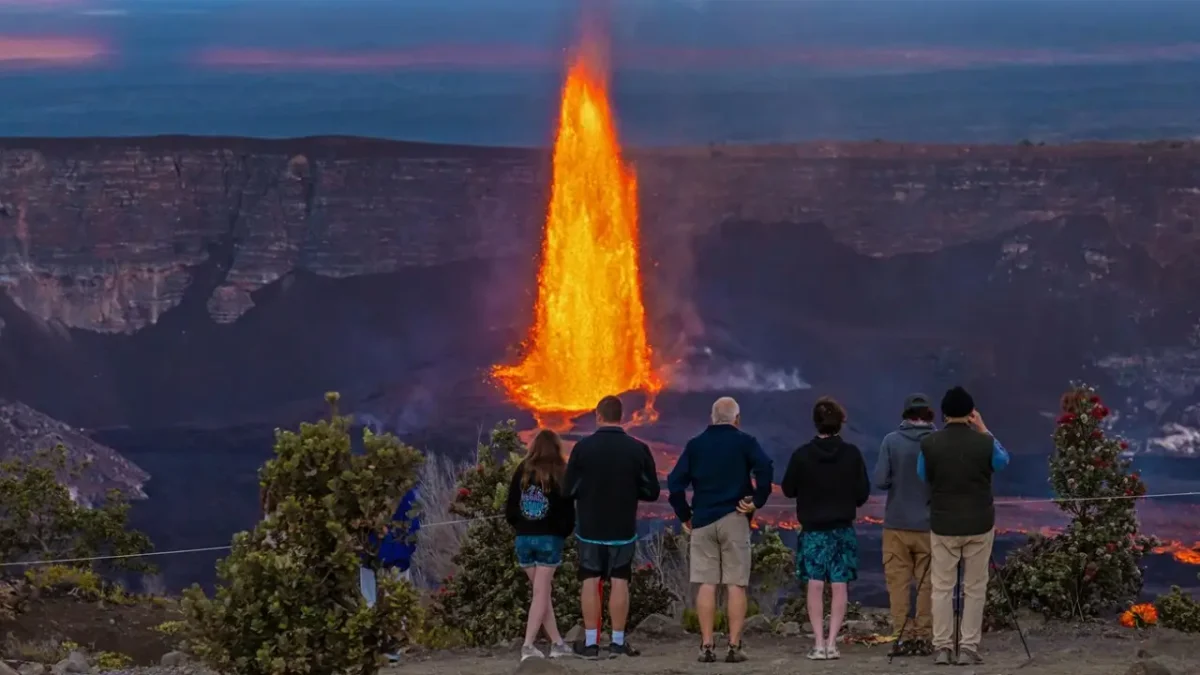
Volcanic activity is even less predictable than the weather. As of August 2026, Kīlauea continues an intermittent eruptive sequence that began in December 2024, with active episodes separated by pauses that can last days or weeks. An eruption may also last only a few hours. Check current conditions rather than choosing travel dates specifically to see lava.
Hawaii Volcanoes National Park by Season
Spring
April through June is one of the easiest periods for building a flexible park itinerary.
Spring generally falls between the wetter winter months and the busiest part of the summer travel season. Trails through rainforest can still be damp, but comfortable daytime temperatures make longer walks around the Kīlauea summit appealing.
This is a good season for combining a signature hike such as Kīlauea Iki with scenic stops and a drive down Chain of Craters Road.
Best for: hikers, first-time visitors, couples, and travelers who want a balance between weather and crowds.
Keep in mind: rain is possible throughout the year near the summit, so don’t leave rain gear behind simply because you’re visiting in spring.
Summer
Summer works especially well for travelers who want long days and plenty of time outside.
Popular overlooks, Nāhuku, and the Kīlauea Iki area can become busy, particularly during school vacation periods. Parking is limited at several high-demand stops, so an early start can make the day noticeably easier.
The biggest planning mistake is assuming that “summer in Hawaiʻi” means hot weather everywhere. Near Kīlauea’s summit, clouds, mist, rain, and noticeably cooler temperatures remain possible.
Best for: families, longer hiking days, and travelers who don’t mind busier trailheads.
Keep in mind: the lower-elevation coastal area can become hot. Carry more water than you think you’ll need if Chain of Craters Road is part of the day.
Fall
September and October are another strong choice for Hawaiʻi Volcanoes National Park.
The heaviest summer travel period begins to ease, while conditions can still be comfortable for exploring on foot. Early fall is particularly useful if you want to spend more time hiking and less time circling busy parking areas.
By later fall, wetter conditions can become more common around the summit.
Best for: hiking, quieter weekdays, and travelers with flexible itineraries.
Keep in mind: daylight gradually shortens, so leave enough time if you’re combining a substantial hike with Chain of Craters Road.
Winter
Winter can bring cooler, wetter, and mistier conditions around Kīlauea’s summit, while the coast may feel dramatically different.
Holiday periods can also be busy.
That doesn’t make winter a poor time to visit. Fog moving across the crater rim, steam rising beside the trail, and rain dripping from giant ferns create a completely different atmosphere from a bright summer afternoon.
Just don’t count on clear crater views—or visible lava.
Best for: flexible travelers who don’t mind changing plans around weather.
Keep in mind: volcanic activity is unrelated to tourist seasons. An eruption can begin or pause at any time of year.
How Many Days Do You Need in Hawaii Volcanoes National Park?
One Day
One full day is enough for an excellent introduction.
Stay primarily around Kīlauea’s summit, where many of the park’s most accessible highlights are concentrated. Depending on current closures and conditions, a day could include crater viewpoints, steam vents, Kīlauea Iki, Nāhuku, and part or all of Chain of Craters Road.
Trying to squeeze every major stop into one day usually means spending too much time in the car. Pick a substantial hike or the full coastal drive rather than rushing through both.
Two Days
Two days is the sweet spot for many first-time visitors.
Use one day for the Kīlauea summit area and a major hike. Dedicate the second to Chain of Craters Road, shorter walks, lava fields, the coastal landscape, and anything you couldn’t fit comfortably into Day One.
Two days also provide some protection against poor visibility or heavy rain.
Three Days or More
Three days make sense for travelers who enjoy hiking or want to explore beyond the most visited areas.
You’ll have time to add less-crowded trails, investigate the Kahuku Unit when accessible, repeat a favorite section in different weather, or adjust plans around changing volcanic conditions.
Extra time is particularly useful at this park because conditions—not a fixed attraction schedule—often determine the best plan for the day.
Before You Visit: Official NPS Planning Information
Hawaiʻi Volcanoes is an active volcanic environment, so checking conditions shortly before leaving your hotel is more important here than at many national parks.
Use these official resources when planning:
- Check current Hawaiʻi Volcanoes National Park conditions and alerts
- Review current eruption-viewing information
- Check current construction closures and delays
- Review Hawaiʻi Volcanoes National Park weather information
- Explore official day-hiking options
- Review the official Hawaiʻi Volcanoes National Park website
Important for 2026 visitors: ongoing construction is affecting parts of the Kīlauea summit area. The Kīlauea Visitor Center is currently closed for renovation, with a temporary Welcome Center operating at Kilauea Military Camp. Work has also affected access around Nāhuku. These arrangements can change, so confirm the latest construction update before visiting.
Best Things to Do in Hawaii Volcanoes National Park
Guided tours can simplify transportation and add interpretation, but plenty of the best things to do in Hawaii Volcanoes National Park require nothing more than time, good shoes, and a flexible plan.
Hike Kīlauea Iki
Kīlauea Iki is one of the park’s defining hikes.
The route descends roughly 400 feet through rainforest before crossing a hardened lava lake created by the 1959 eruption. The contrast between dense vegetation along the crater rim and the exposed volcanic floor makes the hike far more interesting than simply viewing the crater from above.
Conditions can feel warm and exposed on the crater floor and cool or damp under the trees, so layers help here too.
Explore Nāhuku
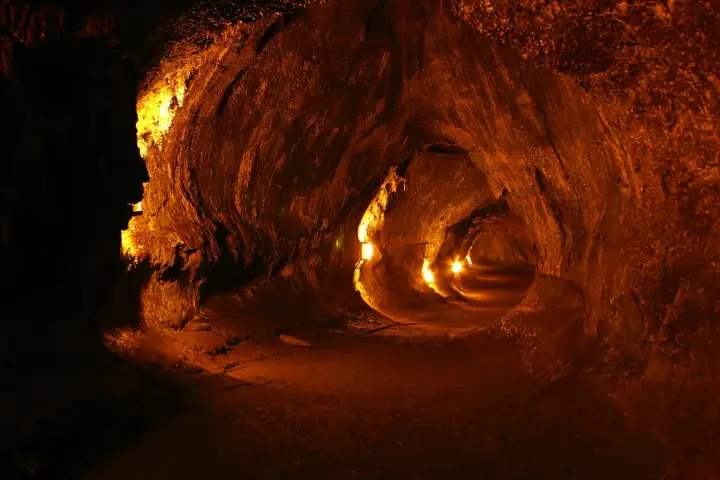
Nāhuku, commonly known as Thurston Lava Tube, combines a rainforest walk with a passage through a lava tube formed by flowing molten rock.
The cave has uneven surfaces, low ceilings, possible standing water, and limited light. Current construction has also altered the normal loop route, making it particularly important to check conditions before arriving.
Parking is extremely limited. Visiting earlier in the morning or later in the afternoon can make the stop easier.
Drive Chain of Craters Road
If the Kīlauea summit shows one side of the park, Chain of Craters Road shows another entirely.
The approximately 19-mile drive descends toward the Pacific through lava flows from different periods, shifting from high-elevation volcanic terrain toward a hotter and more exposed coastal environment.
Stop frequently rather than treating the road as a straight drive to the end. The lava textures, craters, ocean views, and changing vegetation are the experience.
Walk the Crater Rim Area
You don’t need a long hike to appreciate the scale of Kīlauea.
Several walks and viewpoints around the summit provide perspectives across Kaluapele, Kīlauea’s summit caldera. Steam vents and volcanic gases are reminders that the landscape beneath the trail remains active.
Conditions and access can change during eruptive activity, so follow closures and ranger instructions.
Look for Volcanic Activity—Without Expecting It
When Kīlauea is erupting, viewing the activity can become the obvious highlight of a visit.
But eruption viewing requires flexibility.
The current eruption has been episodic, with pauses between events. During active periods, traffic and parking increase dramatically, and the best viewing location depends on where activity is occurring. NPS recommends checking webcams and current USGS updates before traveling to the park.
If Kīlauea is quiet, don’t treat the trip as a disappointment. Crater landscapes, rainforest, lava fields, steam vents, hikes, and the coast make the park worth exploring with or without visible molten lava.
5 Best Tours and Experiences in and Around Hawaii Volcanoes National Park
The five experiences below serve very different types of trips.
Two are especially convenient for travelers based in Hilo, two make the long journey from the Kona side easier, and one—Mauna Kea—is included as a complementary Big Island experience rather than a tour of Hawaiʻi Volcanoes National Park.
| Experience | Best For | Duration | Starting Area | Where |
|---|---|---|---|---|
| Hawaii Volcanoes National Park & Hilo Tour | First-time visitors | 7 hours | Hilo | Park + surrounding Big Island |
| Kilauea Volcanoes National Park Guided Hike | Hikers | 3 hours | Inside park | Inside park |
| Mauna Kea Summit Tour | Sunset & stargazing | 6 hours | Hilo | Mauna Kea — outside park |
| Volcano and Stargazing Tour with Dinner | Kona/Kohala visitors | 12 hours | West Coast pickup | Park + island highlights |
| Volcano Direct Hiking Adventure | Active travelers | 11.5 hours | Kona, Waikoloa or Hilo | Primarily inside park |
1. Big Island: Hawaii Volcanoes National Park and Hilo Tour
Best for: first-time visitors who want transportation, sightseeing, and several Big Island highlights in one day
Duration: about 7 hours
Starting area: Hilo
Activity type: guided sightseeing
Location: Hawaiʻi Volcanoes National Park plus Punaluʻu and Hilo-area stops
This is the most straightforward choice for travelers staying in Hilo who want to see the park without organizing an entire self-drive day.
The current itinerary includes roughly two hours inside Hawaiʻi Volcanoes National Park, with stops associated with Kīlauea and Nāhuku, followed by lunch in Volcano Village. The tour then continues to Punaluʻu Black Sand Beach, where green sea turtles are sometimes seen from shore, before returning toward Hilo via Liliʻuokalani Gardens and Rainbow Falls.
The appeal here is variety rather than depth. You won’t spend half a day on a demanding trail, but you can see several distinctive Big Island environments without worrying about driving or parking.
Lunch, park admission, transportation, and Hilo-area pickup are currently included.
Best fit: first-time Big Island visitors, cruise passengers, families comfortable with moderate walking, and travelers without a rental car.
Consider another option if: hiking is the main reason you’re visiting the park. This tour prioritizes sightseeing and geographic variety.
See available dates and review the Hawaii Volcanoes National Park and Hilo Tour
2. Kilauea: Volcanoes National Park Guided Hike

Best for: travelers who would rather understand one landscape well than rush between viewpoints
Duration: about 3 hours
Meeting point: Kīlauea Visitor Center area
Activity type: small-group guided hike
Location: inside Hawaiʻi Volcanoes National Park
This experience strips away the long sightseeing itinerary and concentrates on walking.
The approximately 4-mile loop moves through native Hawaiian forest and across volcanic terrain while the guide provides context about Kīlauea’s geology, eruptions, flora, fauna, and natural history. Group size is limited to 10 participants.
That makes it a particularly good choice for travelers who would already hike Kīlauea Iki independently but want more context along the way.
The advantage of a guided hike isn’t transportation—you’ll need to reach the meeting area yourself. It’s interpretation. Instead of simply seeing a crater, hardened lava, vegetation, and steam features, you’ll have someone explaining why the landscape looks the way it does.
A snack and some hiking equipment are currently included. Park admission is listed separately rather than as part of the activity.
Best fit: active travelers, geology enthusiasts, nature lovers, and first-time visitors who enjoy learning while hiking.
Consider another option if: mobility is limited or you primarily want transportation and roadside sightseeing.
Review the Kilauea Volcanoes National Park Guided Hike and check availability
3. Hilo: Mauna Kea Summit Tour
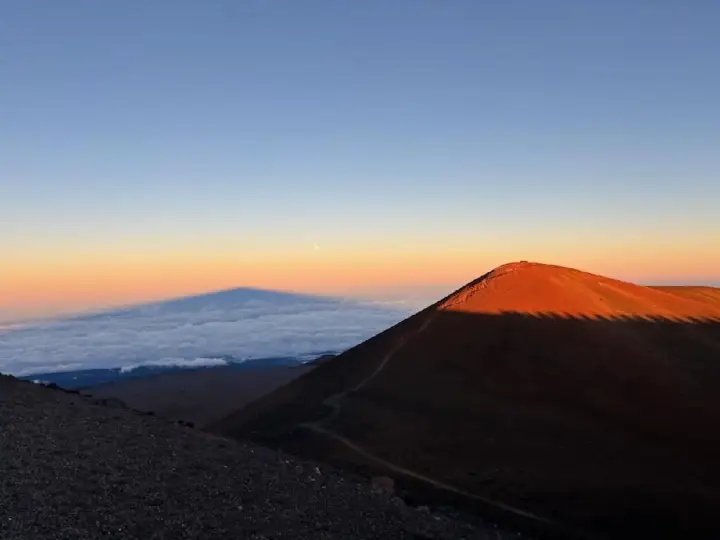
Best for: sunset, high-elevation scenery, astronomy, and a completely different side of the Big Island
Duration: about 6 hours
Starting area: Hilo
Activity type: 4WD summit and stargazing tour
Location: Mauna Kea — not Hawaiʻi Volcanoes National Park
This is the one experience on the list that does not visit Hawaiʻi Volcanoes National Park.
That’s an important distinction—but it can also make it an excellent companion experience if you have several days on the Big Island.
The small-group tour leaves Hilo and climbs toward the summit of Mauna Kea in a 4WD vehicle. The goal is to reach the high-elevation summit area for sunset before descending below the summit for guided stargazing, weather permitting.
Unlike a volcano sightseeing tour, this experience revolves around altitude, sunset, astronomy, and the dramatic transition between Hawaiʻi’s climate zones.
The summit environment is serious. Cold temperatures and high altitude are part of the experience, not minor inconveniences. The current tour restrictions exclude children under 13, pregnant travelers, and people with several medical conditions that can be affected by altitude. Recent scuba diving is also a restriction.
Jackets are available on request, but warm clothing and closed-toe shoes still belong in your daypack.
Best fit: photographers, astronomy fans, couples, and travelers who want to pair Hawaiʻi Volcanoes with a very different volcanic landscape.
Consider another option if: the main goal is seeing Kīlauea or exploring the national park. This tour does neither.
Check current dates and details for the Hilo Mauna Kea Summit Tour
4. Big Island, Hawaii: Volcano and Stargazing Tour with Dinner
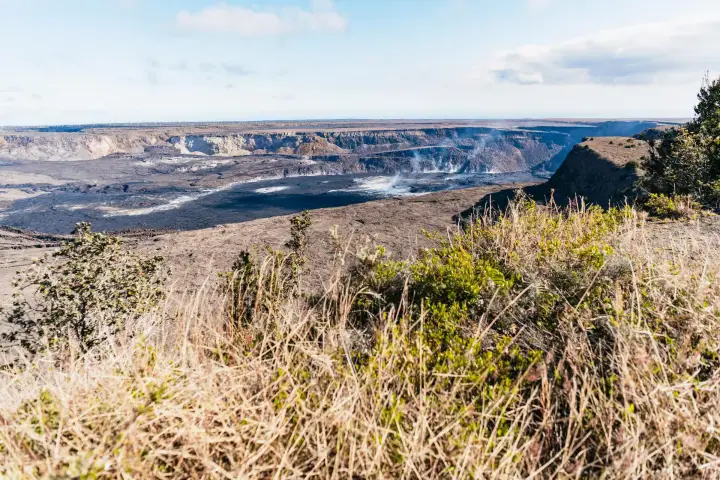
Best for: Kona and Kohala visitors who want someone else to handle a very long day of driving
Duration: about 12 hours
Starting area: selected Kona and Kohala pickup points
Activity type: full-day sightseeing, volcano visit, and stargazing
Location: multiple Big Island locations including Hawaiʻi Volcanoes National Park
This tour is built around one of the biggest logistical challenges on the Big Island: visiting Hawaiʻi Volcanoes National Park while staying on the west side.
Rather than simply driving directly to Kīlauea, the current itinerary turns the crossing into an island-spanning day. Stops include a Kona coffee farm, Punaluʻu Bake Shop, Punaluʻu Black Sand Beach, roughly three hours in Hawaiʻi Volcanoes National Park, dinner, and nighttime stargazing when weather allows.
Inside the park, the itinerary may include Kīlauea Iki Lookout, a lava tube, steam vents, Halemaʻumaʻu, and the crater rim area. Exact stops can change with conditions.
Transportation, selected hotel pickup, coffee tasting, dinner, snacks, drinks, and admission fees are currently included.
The tradeoff is obvious: 12 hours is a long tour. Travelers who dislike full-day excursions may prefer renting a car and spending a night near Volcano instead.
For visitors who don’t want to make a long return drive after dark, however, having a guide handle transportation can be a major benefit.
Best fit: Kona/Kohala travelers, first-time Big Island visitors, couples, and anyone who prefers a guided full-day experience.
Consider another option if: you want several hours of hiking or prefer exploring the national park independently at your own pace.
See the current itinerary and availability for the Volcano and Stargazing Tour with Dinner
5. Big Island: Volcano Direct Hiking Adventure
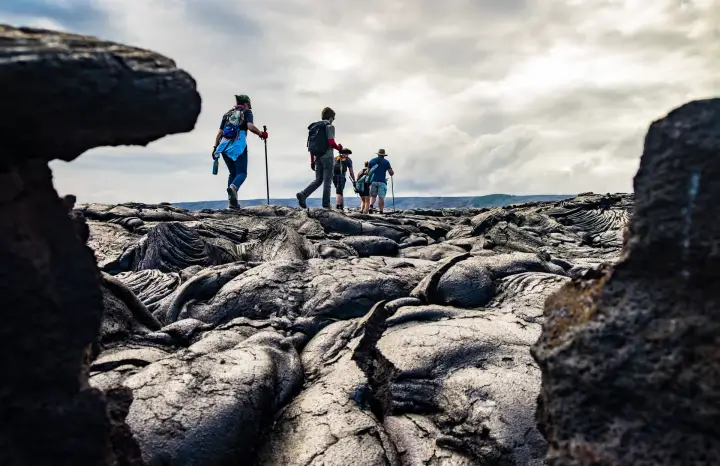
Best for: active travelers who want more trail time and less conventional sightseeing
Duration: about 11.5 hours
Meeting/pickup areas: selected locations in Kona, Waikoloa, and Hilo
Activity type: hiking and naturalist-guided exploration
Location: Hawaiʻi Volcanoes National Park
This is the strongest option on the list for travelers who want a full-day tour but don’t want to spend the national park portion hopping between quick photo stops.
The experience includes up to three miles of hiking through Hawaiʻi Volcanoes National Park with an interpretive naturalist guide. Depending on conditions, the day may include lava fields, crater environments, steam features, volcanic geology, and discussions of native flora and fauna.
The current package includes park access fees, a deli-style lunch, afternoon snacks, water and drinks, walking sticks, daypacks, rain gear, and warm clothing.
That helps simplify packing, but this is still an active tour. Guests need to be able to walk several miles over uneven or rocky terrain.
The current minimum age is eight, and the tour isn’t suitable for travelers with mobility impairments.
Best fit: hikers, active couples, nature-focused travelers, and visitors who want interpretation without giving up substantial time on foot.
Consider another option if: you prefer mostly roadside sightseeing or have limited mobility.
Compare dates and booking options for the Volcano Direct Hiking Adventure
How to Choose the Right Experience
The easiest way to choose is to start with where you’re staying and how much hiking you want.
If you’re staying in Hilo and want an easy introduction to both the national park and nearby attractions, choose the Hawaii Volcanoes National Park and Hilo Tour.
If you already have transportation and want to spend your time walking and learning inside the park, the Kilauea Guided Hike is the more focused choice.
If you’re staying on the Kona or Kohala side and don’t want to make the long round-trip drive yourself, the Volcano and Stargazing Tour with Dinner turns transportation into part of the experience.
Active travelers coming from Kona, Waikoloa, or Hilo should look closely at the Volcano Direct Hiking Adventure, which prioritizes time on foot.
And if Hawaiʻi Volcanoes is already covered elsewhere in your itinerary and you’re looking for something completely different, the Mauna Kea Summit Tour adds high-altitude sunset scenery and astronomy instead of another day around Kīlauea.
Frequently Asked Questions
What is the best month to visit Hawaii Volcanoes National Park?
May and September are particularly good choices for many travelers because they generally avoid major holiday periods while still offering plenty of daylight.
However, there is no reliably dry month at Kīlauea’s summit. Weather can change quickly throughout the year.
How many days do you need in Hawaii Volcanoes National Park?
One full day works for the major highlights. Two days is better if you want both a substantial hike and time to explore Chain of Craters Road without rushing.
Three days provide the most flexibility for hikers and travelers who want to adjust plans around weather or volcanic activity.
Is Hawaii Volcanoes National Park open year-round?
The park is generally accessible year-round, but individual roads, trails, buildings, viewpoints, and other areas can close because of volcanic hazards, weather, maintenance, or construction.
Always check current conditions before visiting.
Do you need a reservation to enter Hawaii Volcanoes National Park?
A general timed-entry reservation is not currently required, but permit and reservation requirements may apply to particular activities.
Because park policies can change, verify the latest requirements on the official NPS website before traveling.
Can you see lava at Hawaii Volcanoes National Park?
Sometimes—but never count on it.
Kīlauea’s current activity is episodic. An eruptive episode can begin or stop quickly, and visible lava depends on both volcanic activity and where safe public viewing is available.
Check official NPS and USGS updates shortly before visiting.
Is Nāhuku open?
Nāhuku remains accessible, but 2026 bridge-replacement construction has temporarily changed the normal route through the area. Access and closures may change as work progresses.
Check the NPS construction page immediately before your trip.
Are guided Hawaii Volcanoes National Park tours worth it?
They can be, but not everyone needs one.
Travelers with a rental car can explore most major park attractions independently. Guided tours make the most sense when you want geological and cultural interpretation, don’t want to handle transportation, are staying far from the park, or prefer having someone else organize a long sightseeing day.
Final Thoughts
The best time to visit Hawaii Volcanoes National Park is less about finding one perfect month and more about giving yourself enough flexibility to work with Hawaiʻi’s changing weather and volcanic conditions.
April through June and September through October offer an appealing balance for many travelers, but a clear winter morning can easily outperform a rainy summer afternoon.
For a first visit, give the park at least one full day—and two if possible. Walk rather than seeing everything through the windshield. Spend time around Kīlauea, hike across volcanic terrain, explore the rainforest, and follow Chain of Craters Road toward the coast.
And keep expectations around lava realistic. An eruption is an extraordinary bonus, not something a tour or travel date can guarantee.
Travelers who want more interpretation can choose among very different guided options: a relaxed Hilo sightseeing day, an intimate hike inside the park, a full-day trip from Kona, or a more active naturalist-led adventure.
Whichever approach fits your trip, check current NPS conditions shortly before heading to the park. Hawaiʻi Volcanoes is a living landscape, and being willing to adapt is one of the best ways to experience it.
Disclaimer: This post is for informational purposes only. Always check official park regulations, permits, road conditions, closures, and weather before planning or booking any activity.
Affiliate Disclosure: ChaseTheBigDream.com participates in affiliate programs, including GetYourGuide and other trusted partners. When you book or purchase through qualifying links, the site may earn a small commission at no extra cost to you. These partnerships help support the creation and maintenance of independent travel guides.