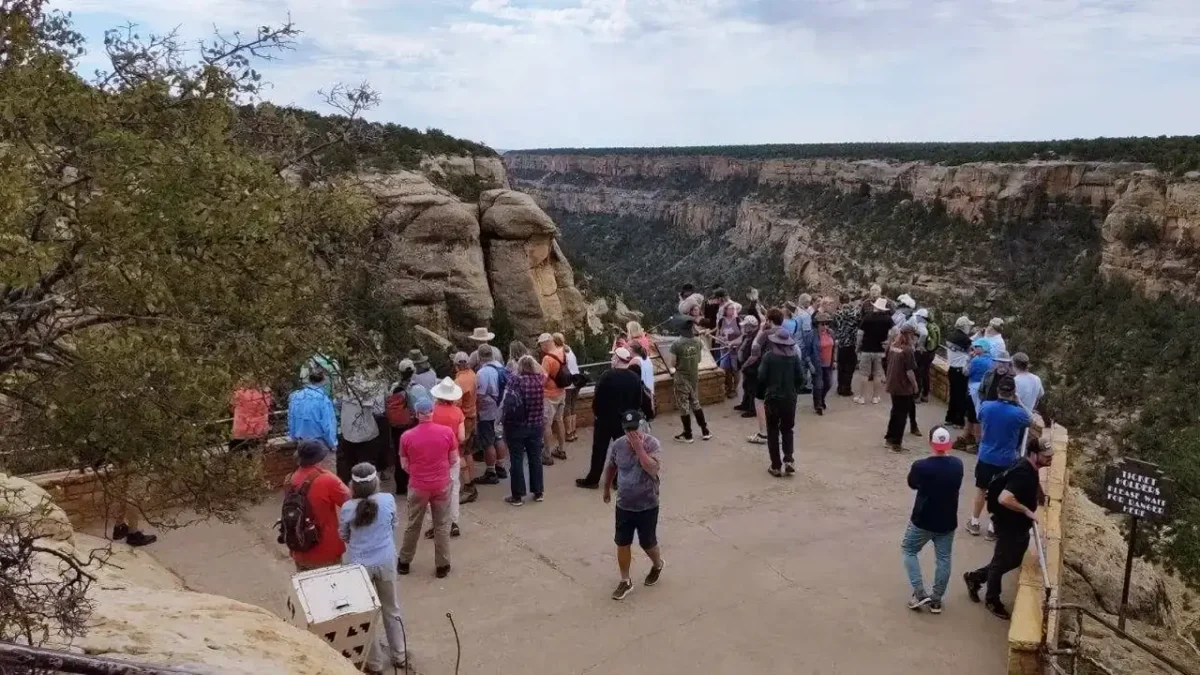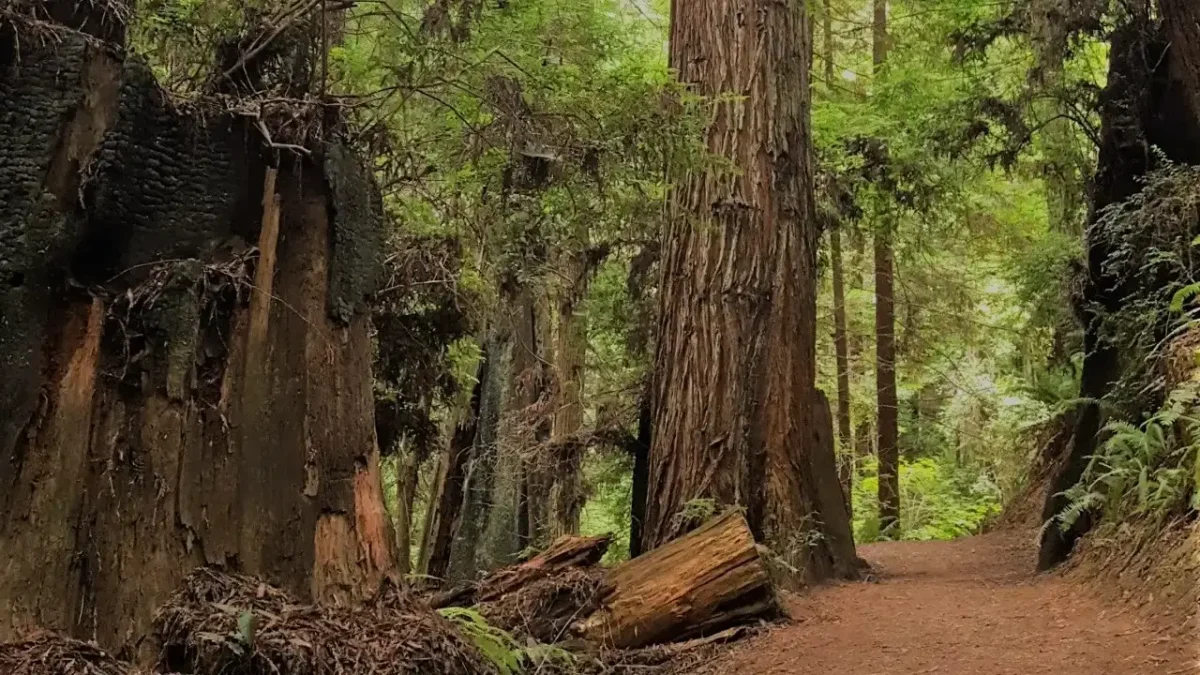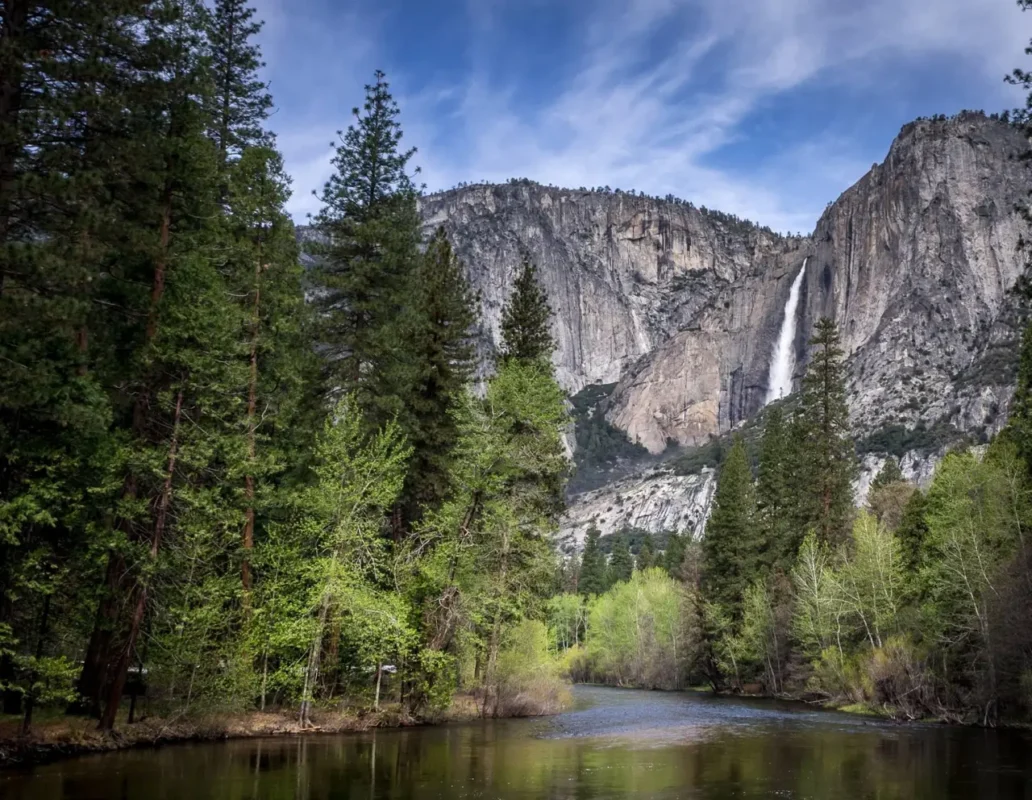
The best time to visit Yosemite National Park is generally late spring or early fall. May and June bring powerful waterfalls, green meadows, and comfortable conditions in Yosemite Valley. September and early October usually offer clearer trails, milder daytime temperatures, and fewer visitors than midsummer.
The tradeoff is access. Snow can keep Tioga Road, Glacier Point Road, and higher-elevation trails closed well into spring, while Yosemite’s famous waterfalls become much quieter by late summer and fall.
Known for El Capitan, Half Dome, Yosemite Falls, giant sequoias, and the rugged Sierra Nevada high country, Yosemite rewards travelers who plan around the season. This guide covers when to go, how many days to stay, the best things to do in Yosemite National Park independently, and five Yosemite National Park tours for travelers who would rather leave the transportation and logistics to a guide.
Yosemite National Park at a Glance
| Planning Detail | What to Know |
|---|---|
| Best overall time to visit | May, June, September, and early October |
| Best time for waterfalls | May through June, depending on snowpack |
| Best time for high-country hiking | Usually July through September |
| Quietest season | Late fall through winter |
| Suggested trip length | Three to four days |
| Main gateway communities | El Portal, Mariposa, Groveland, Oakhurst, and Lee Vining |
| Closest practical airport | Fresno Yosemite International Airport |
| Official park website | Plan your visit through Yosemite National Park |
Yosemite Valley is open throughout the year, but much of the park is seasonal. Road openings, trail access, shuttle operations, campground availability, and weather conditions can vary considerably from one month to the next.
Best Time to Visit Yosemite National Park
For most first-time visitors, late May through June offers the best combination of scenery and manageable weather. Snowmelt feeds Yosemite Falls, Bridalveil Fall, Vernal Fall, and Nevada Fall, while many lower-elevation trails are open. The main drawback is that popular roads into the high country may still be closed.
Travelers more interested in hiking than waterfalls may prefer September or early October. Most seasonal roads are often still accessible, afternoon temperatures are more comfortable than in midsummer, and the park begins to feel less crowded once summer vacations end. Waterfalls may be weak or dry, but access to areas such as Tuolumne Meadows can make this a better period for exploring beyond Yosemite Valley.
July and August provide the widest range of activities when high-elevation roads and trails are open. They are also the busiest and often warmest months in the valley. Parking can become difficult, popular trailheads feel crowded, and wildfire smoke may affect visibility or air quality.
Winter offers solitude, snow-covered scenery, and a much quieter Yosemite Valley. However, visitors must be comfortable with winter driving, tire-chain requirements, road closures, and a smaller selection of trails and services.
For 2026, Yosemite is not using a season-wide timed vehicle reservation system. Visitors should still check the official reservations page before traveling because access policies can change in future seasons or in response to park operations. Weekends and holidays can remain highly congested even without a reservation requirement.
Yosemite National Park by Season
Spring
Spring is the best season for travelers who want to experience Yosemite’s waterfalls at their strongest.
April can still feel like winter in the higher elevations. Yosemite Valley may have mild afternoons, but snowstorms remain possible, shaded trails can be icy, and the high country is generally inaccessible by road. Conditions improve through May as temperatures rise and lower trails clear.
By late May and June, Yosemite Valley becomes greener, waterfalls gain strength, and day hikes such as Lower Yosemite Fall, Mirror Lake, and portions of the Mist Trail become increasingly practical. Trails near Vernal and Nevada Falls can be wet, slippery, and crowded, particularly when snowmelt is high.
Tioga Road and Glacier Point Road do not open on a fixed annual date. Deep snow, avalanche risk, road damage, and plowing operations all affect the schedule. Travelers visiting in spring should build the trip around Yosemite Valley, Wawona, and other lower areas rather than assuming the entire park will be accessible.
Spring is best for:
- Waterfalls and green valley scenery
- Comfortable lower-elevation walks
- Photography around Yosemite Valley
- Travelers who do not need full high-country access
Main limitations:
- Seasonal road closures
- Snow or ice on higher trails
- Rapidly changing weather
- Increasing crowds as summer approaches
Summer
Summer is the most practical season for seeing the greatest variety of Yosemite landscapes.
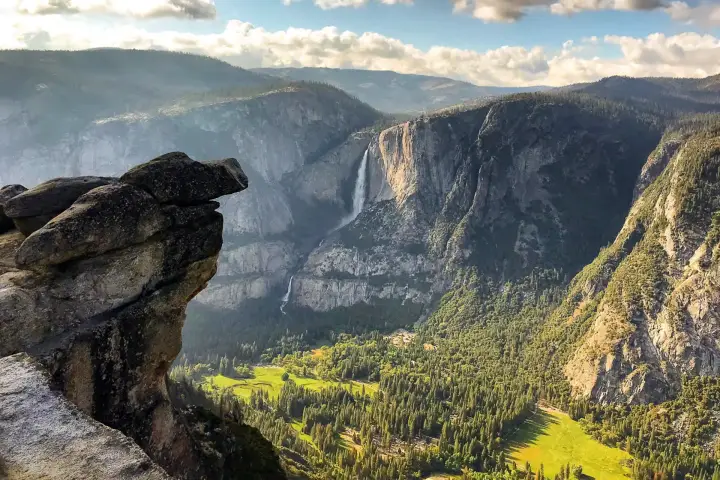
Once Tioga Road opens, visitors can travel across the park’s high country, stopping at Tenaya Lake, Olmsted Point, Tuolumne Meadows, and trailheads leading into the Sierra Nevada. Glacier Point Road typically provides access to wide views over Yosemite Valley and Half Dome when open.
The tradeoff is congestion. Traffic can slow dramatically around Yosemite Valley, and convenient parking may disappear early. A better strategy is to arrive early, park once, and use the park shuttle or walk between valley sights whenever services are operating.
Temperatures in Yosemite Valley can be hot, while mornings and evenings at higher elevations remain cool. Thunderstorms can develop over the mountains, and wildfire smoke may travel into the park from fires elsewhere in California.
Waterfalls usually lose volume as summer progresses. Yosemite Falls may be much weaker by August, although Vernal and Nevada Falls tend to retain more water.
Summer is best for:
- High-country drives and hikes
- Backpacking
- Longer daylight hours
- Access to the broadest range of park areas
Main limitations:
- Heavy traffic and crowded trails
- Limited parking
- Hot valley temperatures
- Possible smoke or thunderstorms
Fall
September is one of the strongest choices for active travelers. Seasonal roads are often still open, most trails are free of snow, and the park becomes calmer after the busiest summer period.
The waterfalls are far less dramatic than in spring, but the tradeoff is easier hiking weather and better access to Yosemite’s higher elevations. Tuolumne Meadows, Tenaya Lake, and Glacier Point can remain available until the first substantial snowfall closes the roads.
October is cooler and less predictable. Warm, clear afternoons are possible, but overnight temperatures drop quickly, and early snowstorms may affect the high country. Fall color appears in pockets rather than covering the entire landscape. Black oaks, dogwoods, maples, and aspens can add yellow, orange, and red accents around the valley and higher elevations.
November marks a transition toward winter. Seasonal roads may close at any time, services become more limited, and visitors should plan around Yosemite Valley rather than a full-park itinerary.
Fall is best for:
- Hiking with cooler temperatures
- Lower crowd levels
- Clearer views and softer light
- Exploring the high country before winter closures
Main limitations:
- Weak waterfalls
- Cold nights
- Shorter daylight hours
- Unpredictable seasonal road closures
Winter
Winter brings a quieter side of Yosemite that summer visitors rarely experience.
Yosemite Valley remains accessible, although snow, ice, rockfall, and storm conditions can temporarily affect roads. Drivers may be required to carry and use tire chains, including when traveling in four-wheel-drive vehicles.
Many higher parts of the park are inaccessible by car. Tioga Road normally closes for the season, and Glacier Point Road closes beyond the Badger Pass area. Mariposa Grove Road may also be closed to vehicles, requiring a longer walk or seasonal alternative.
Winter activities can include snowshoeing, cross-country skiing, downhill skiing, photography, and short valley walks. Trail conditions vary widely, so visitors should not assume that a familiar summer trail remains safe in winter.
Winter is best for:
- Snowy landscapes
- Solitude
- Winter sports
- Travelers comfortable with flexible plans
Main limitations:
- Tire-chain requirements
- Closed seasonal roads
- Icy trails
- Fewer services and shorter days
How Many Days Do You Need in Yosemite National Park?
One Day
One day is enough for a focused introduction to Yosemite Valley, but not enough to experience the park’s full scale.
A realistic itinerary might include Tunnel View, Bridalveil Fall, Lower Yosemite Fall, Cook’s Meadow, El Capitan Meadow, and Valley View. Trying to add a long hike or a distant section of the park can turn the day into a rushed sequence of driving and parking.
Travelers coming from San Francisco should remember that Yosemite is not a nearby excursion. A guided day tour can make sense when there is no time for an overnight stay, but much of the day will be spent traveling.
Two Days
Two days allow for a better balance.
Use the first day for Yosemite Valley’s main viewpoints and short trails. On the second day, choose one larger experience based on road conditions: Glacier Point, Mariposa Grove, a longer valley hike, or a drive into the high country.
This is a practical minimum for travelers coming from outside the region.
Three Days
Three days is ideal for many first-time visitors.
One day can focus on Yosemite Valley, another on Glacier Point or Mariposa Grove, and a third on Tioga Road and Tuolumne Meadows when the high country is accessible. The extra time also makes it easier to start hikes early and avoid some of the busiest periods.
Four or More Days
Four days or longer works well for travelers planning major hikes, ranger programs, photography, climbing, or time in less-visited areas such as Hetch Hetchy and Wawona.
A longer stay also provides flexibility when weather, smoke, road closures, or parking disrupt the original itinerary.
Before You Visit: Official NPS Planning Information
Conditions in Yosemite can change quickly. Check the official National Park Service pages shortly before leaving home and again on the day of the visit.
- Check current Yosemite National Park conditions and alerts for road closures, wildfire information, trail restrictions, and weather-related changes.
- Review Yosemite entrance fees and passes before arriving. Yosemite operates cashless entrance stations, and current fees differ by vehicle type and visitor status.
- Confirm current Yosemite entrance reservation requirements, even though a season-wide timed-entry system is not being used in 2026.
- Download official Yosemite National Park maps, including the main park map and area-specific resources.
- Review Yosemite driving directions and transportation information, especially when entering through a seasonal mountain route.
- Read Yosemite’s official safety guidance before hiking, swimming, climbing, or traveling during winter.
- Review Yosemite accessibility information for accessible trails, transportation, lodging, restrooms, and visitor facilities.
Do not rely entirely on a navigation app. Some routes recommended by mapping services can involve seasonal roads, steep terrain, or long detours.
Best Things to Do in Yosemite National Park
See Yosemite Valley from Tunnel View
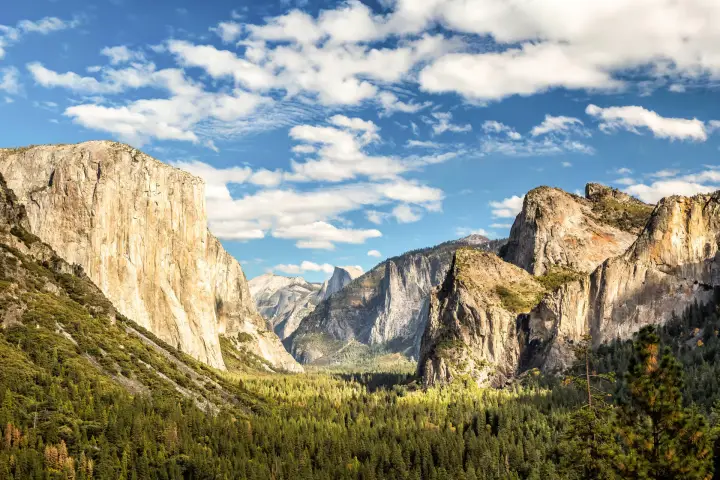
Tunnel View frames El Capitan, Half Dome, Bridalveil Fall, and the forested floor of Yosemite Valley in one broad panorama.
The viewpoint is located beside Wawona Road and requires very little walking. It can be busy around sunrise and sunset, but turnover in the parking area is usually steady.
Walk to Lower Yosemite Fall
The Lower Yosemite Fall Trail is one of the most approachable ways to get close to the park’s tallest waterfall.
The mostly paved loop works well for families and visitors who want a shorter walk. Water levels are strongest in spring and early summer. By late summer, the falls may be much less impressive.
Hike the Mist Trail
The Mist Trail climbs beside Vernal Fall and continues toward Nevada Fall.
This is not simply a waterfall viewpoint. The route includes steep stone steps, slippery surfaces, exposure to spray, and significant elevation gain. Start early, carry enough water, and check whether seasonal trail restrictions or route changes are in place.
Travelers who do not want the full climb can turn around at the Vernal Fall Footbridge.
Explore Cook’s Meadow and Sentinel Meadow
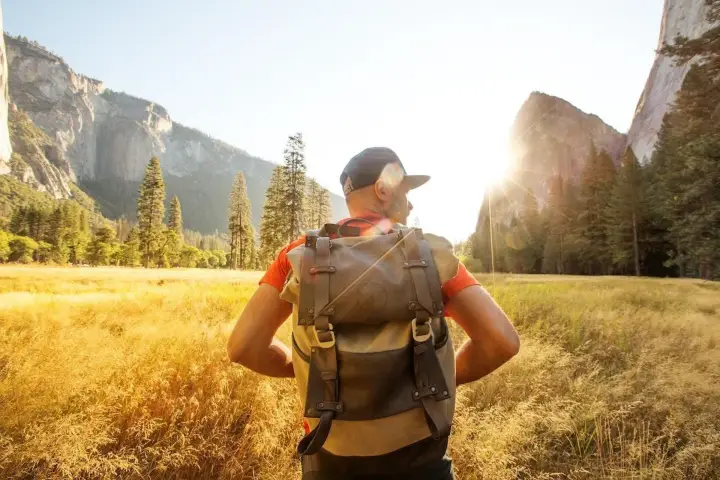
These flat valley walks provide open views of Half Dome, Yosemite Falls, Glacier Point, and the surrounding cliffs.
They are useful additions to a busy day because they require less time and effort than Yosemite’s major hikes. Boardwalks protect the meadow habitat, so remain on established paths.
Watch Climbers from El Capitan Meadow
El Capitan Meadow is one of the best places to appreciate the scale of Yosemite’s granite walls.
Bring binoculars to look for climbers high on the face of El Capitan. Parking is limited, and visitors should use designated pullouts rather than stopping along the roadway.
Visit Glacier Point
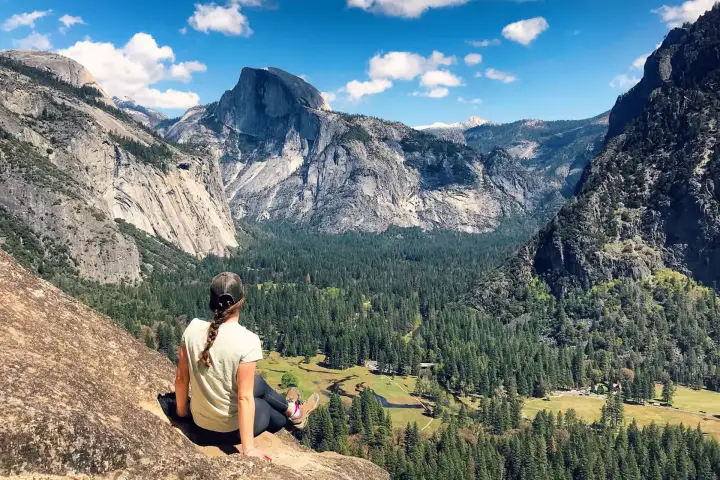
When Glacier Point Road is open, this viewpoint provides a high-angle view of Half Dome, Yosemite Valley, and the Sierra Nevada.
The overlook requires only a short walk from the parking area, although several hiking routes also connect Glacier Point with the valley. Do not plan around this area without first confirming that the road is open.
Drive Tioga Road
Tioga Road crosses Yosemite’s high country and connects the western side of the park with the Tioga Pass entrance near Lee Vining.
Highlights include Olmsted Point, Tenaya Lake, Tuolumne Meadows, and access to numerous hiking trails. The road is seasonal and may remain closed into early summer after heavy winters.
Walk Among Giant Sequoias
Mariposa Grove contains the park’s largest concentration of giant sequoias. The grove includes everything from an accessible lower loop to longer routes climbing deeper into the forest.
Tuolumne Grove and Merced Grove are smaller and generally require downhill hiking followed by an uphill return. Shuttle operations and road access vary by season.
5 Best Tours and Experiences in and Around Yosemite National Park
Yosemite National Park tours are most useful for travelers staying in San Francisco or South Lake Tahoe without a rental car. They also remove the burden of navigating mountain roads, finding parking, and coordinating overnight lodging.
These five experiences are not interchangeable. Some provide a fast introduction to Yosemite Valley, while others allow multiple days for hiking and independent exploration.
| Experience | Best For | Duration | Starting Area | Format | Accommodation |
| Yosemite Day Trip with Giant Sequoias Hike | Seeing Yosemite from San Francisco in one day | 14 hours | San Francisco | Small-group sightseeing and hiking | None |
| Yosemite Valley 3-Day Lodging Adventure | Active travelers who prefer a bed to a tent | 3 days | San Francisco | Guided hiking and sightseeing | Local lodge outside the valley |
| Yosemite Day Trip with Lunch | Travelers staying in South Lake Tahoe | 14 hours | South Lake Tahoe | Scenic day tour and short walk | None |
| Yosemite Valley 3-Day Camping Adventure | Social, outdoors-focused travelers | 3 days | San Francisco | Camping, hiking, and sightseeing | Campground outside Yosemite Valley |
| Yosemite Park 2-Day Trip with Accommodation | A comfortable overnight introduction | 2 days | San Francisco | Small-group tour with free time | Yosemite View Lodge |
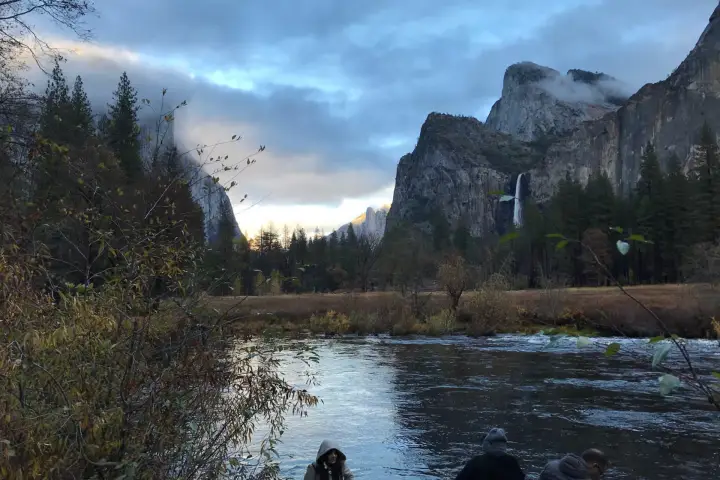
1. From San Francisco: Yosemite Day Trip with Giant Sequoias Hike and Pickup
Best for: First-time visitors who have only one available day
Duration: 14 hours
Starting area: Select locations in San Francisco
Group size: Small group
Location: Sightseeing and hiking take place inside Yosemite National Park
This tour covers Yosemite’s major valley viewpoints without requiring a rental car or an overnight stay.
After pickup in San Francisco, the route crosses the Central Valley before entering Yosemite. Stops typically include Tunnel View, Bridalveil Fall, Yosemite Falls, El Capitan, Valley View, and other recognizable valley landmarks. The schedule also includes free time, giving travelers an opportunity to eat, take photographs, or walk independently.
The final part of the day generally includes a roughly one-mile hike in Tuolumne Grove to see giant sequoias. The grove trail descends on the way in, which means the return involves an uphill climb. Snow can make this portion unavailable from approximately November through April.
Transportation, a guide, select hotel pickup, and the standard entrance fee are included. Meals are not included, although the itinerary provides a stop where food can be purchased.
The main limitation is the schedule. Fourteen hours is a very long day, and only part of that time is spent inside Yosemite. Travelers should expect an overview rather than a deep exploration of the park.
This experience is less suitable for people with significant mobility, knee, back, or heart limitations because of the sequoia hike.
See available dates and review the full Yosemite day-trip itinerary.
2. Yosemite Valley 3-Day Lodging Adventure
Best for: Travelers who want guided hiking without sleeping in a tent
Duration: Three days
Starting area: Central San Francisco
Group size: Small group
Location: Activities take place in Yosemite; overnight accommodation is outside Yosemite Valley
This three-day experience combines the outdoor structure of a guided group adventure with two nights in a local lodge.
The first day typically includes a giant sequoia hike, an introduction to Yosemite Valley, and free time around major landmarks. The second day is usually built around hiking in the high country when snow and road conditions allow. May Lake and Mount Hoffmann are possible destinations, but the guide adjusts the route to the group and current conditions.
The third day is more flexible. Depending on group interests, travelers may return to Yosemite Valley for hiking, bicycling, sightseeing, or time beside the Merced River.
Five meals are included after the first day, although participants help with meal preparation and camp-style dining. Despite the lodging format, this is not a passive hotel sightseeing package. It is designed around outdoor activity, shared responsibilities, and a social group environment.
This is a useful middle ground for travelers attracted to the three-day camping itinerary but uncomfortable sleeping outdoors. It also provides more hiking time than a standard overnight bus tour.
The itinerary is weather-dependent, particularly when snow limits high-country access. Travelers should also confirm the exact lodging arrangements, dietary accommodations, and activity expectations before booking.
Check current prices and availability for the three-day lodging adventure.
3. From Lake Tahoe: Yosemite National Park Day Trip with Lunch
Best for: Visitors staying in South Lake Tahoe
Duration: 14 hours
Starting area: Select South Lake Tahoe hotels
Group size: Small group
Location: The sightseeing program takes place inside Yosemite National Park
This tour makes it possible to visit Yosemite from South Lake Tahoe without driving the mountain route independently.
Pickup begins early, and the drive to Yosemite takes several hours. The itinerary includes approximately six hours inside the park, moving between scenic stops by minibus. Depending on seasonal access and conditions, the day may include views of Half Dome, Yosemite Falls, Tenaya Lake, and a short walk near Bridalveil Fall or Yosemite Falls.
A picnic lunch, snacks, drinks, transportation, park admission, and guided sightseeing are included.
The experience is more focused on scenery than hiking. It suits travelers who want to see Yosemite’s major landscapes but do not need a strenuous trail day.
The most important consideration is the amount of driving. The tour lasts about 14 hours, begins around dawn, and returns to South Lake Tahoe in the evening. Stops and routing can change with road conditions, and the activity is not designed for wheelchair users or travelers with substantial mobility limitations.
Because mountain access is seasonal, review the itinerary carefully rather than assuming every advertised high-country stop will be available on every departure.
Review the current route and check available Lake Tahoe departure dates.
4. Yosemite Valley 3-Day Camping Adventure
Best for: Active travelers who want a guided camping experience
Duration: Three days
Starting area: Central San Francisco
Group size: Small group
Location: Park activities take place in Yosemite; camping is just outside Yosemite Valley
This experience combines Yosemite sightseeing, guided hiking, shared meals, and two nights at a campground with modern facilities.
The first day generally includes a giant sequoia hike and an introduction to Yosemite Valley. The second day is usually the most active, with hiking in the high country when conditions permit. May Lake and Mount Hoffmann may be considered, but the exact trail depends on snowpack, weather, and the group’s ability.
The third day provides more flexibility in Yosemite Valley. Travelers may hike, rent bicycles, explore independently, or spend time near the Merced River.
Tents, sleeping pads, camping equipment, five meals, transportation, guiding, and the standard park entrance fee are included. Participants must bring a sleeping bag or arrange a rental in advance. Everyone helps with setting up camp and preparing meals.
The campground is outside Yosemite Valley rather than inside one of the park’s most competitive campgrounds. That distinction matters for travelers expecting to wake up beside Half Dome or Yosemite Falls.
No previous camping experience is required, but participants should be comfortable with shared group routines, outdoor sleeping, variable weather, and several days of physical activity.
Compare available departures for the three-day Yosemite camping adventure.
5. San Francisco: Yosemite Park 2-Day Trip with Accommodation
Best for: Travelers who want an overnight Yosemite trip without camping
Duration: Two days
Starting area: San Francisco
Group size: Small group
Location: Touring takes place inside Yosemite; lodging is at Yosemite View Lodge in El Portal
This two-day option provides more time than a standard day trip while requiring less of the itinerary than a three-day adventure.
The first day focuses on Yosemite Valley, with stops around waterfalls, granite landmarks, and major viewpoints. Travelers spend the night at Yosemite View Lodge beside the Merced River, outside the Arch Rock Entrance.
The second day may include Glacier Point and a giant sequoia grove when roads, trails, and weather permit. The experience ends with an evening return to San Francisco.
Hotel pickup, guided transportation, the Yosemite Valley tour, standard park admission, and one night of accommodation are included. Meals are not included.
This is one of the more practical Yosemite National Park tours for first-time visitors who want a comfortable room and enough time to explore without committing to a three-day program. It also avoids the extreme pace of traveling from San Francisco and returning on the same day.
The itinerary still includes considerable time in a vehicle, and high-country stops are seasonal. Luggage is limited to a small soft overnight bag because storage space in the vehicle is restricted.
See available dates and review the two-day Yosemite itinerary.
How to Choose the Right Experience
Choose the Yosemite Day Trip with Giant Sequoias Hike when there is only one free day in San Francisco and avoiding a rental car is the main priority.
Choose the three-day lodging adventure for guided hiking, included meals, and a multi-day group experience without sleeping in a tent.
Choose the Lake Tahoe day trip when the trip is already based in South Lake Tahoe. It is the only experience in this group that avoids traveling through San Francisco.
Choose the three-day camping adventure for the most outdoors-focused itinerary. It is better suited to active travelers who enjoy group camping and shared meal preparation.
Choose the two-day trip with accommodation for the strongest balance of comfort, sightseeing, and time. It is less rushed than a day tour and less physically demanding than the three-day camping program.
Frequently Asked Questions
What is the best month to visit Yosemite?
May is one of the best months for waterfalls and green valley scenery, while September is one of the best months for hiking and lighter crowds.
Neither month guarantees access to every area. Snow can delay road openings in spring, and early storms can close high-country roads in fall.
How many days are enough for Yosemite?
Three days is a strong first visit. It allows time for Yosemite Valley and at least one additional region, such as Glacier Point, Mariposa Grove, or Tuolumne Meadows.
Two days works for the highlights. One day is possible but will feel compressed.
Do you need an entrance reservation for Yosemite in 2026?
Yosemite is not using a season-wide timed vehicle reservation system in 2026. Visitors still need to pay the applicable entrance fee or use an accepted pass. Check the official reservation page before traveling because policies can change.
Can you visit Yosemite without a car?
Yes. Guided tours depart from San Francisco and South Lake Tahoe, while YARTS provides seasonal and year-round transit on selected routes from gateway communities.
Inside Yosemite Valley, shuttle services and walking paths can reduce the need to drive, although routes and schedules vary.
Are Yosemite tours worth booking?
A tour can be worthwhile for travelers without a rental car, visitors uncomfortable with mountain driving, or anyone who wants transportation and accommodation arranged together.
Independent travel offers more flexibility. Tours provide convenience but operate on a fixed group schedule.
Is Yosemite open all year?
Yosemite Valley is open year-round, but weather and emergencies can temporarily affect access. Tioga Road and Glacier Point Road are seasonal, and many high-elevation facilities close during winter.
When are Yosemite’s waterfalls strongest?
Waterfalls are generally strongest during spring snowmelt, often in May and June. Timing and volume depend on the winter snowpack and spring temperatures.
Is Glacier Point always accessible?
No. Glacier Point Road closes seasonally because of snow and may also be affected by maintenance, fire, or storm damage. Check current road conditions before planning the drive.
Final Thoughts
The best time to visit Yosemite National Park depends on which version of the park matters most.
Late spring is the strongest choice for waterfalls, green meadows, and classic Yosemite Valley scenery. Summer opens the high country but brings the heaviest traffic. September and early October offer excellent hiking conditions with fewer visitors, while winter replaces broad access with snow, quiet trails, and a slower pace.
Three days provides enough time to see Yosemite Valley and explore at least one additional section of the park. Travelers with only one or two days should keep the itinerary focused rather than trying to cross the entire park.
The five experiences featured here are particularly useful for travelers visiting from San Francisco or South Lake Tahoe without a car. A one-day tour handles the transportation but moves quickly. The two- and three-day options create more room for hiking, independent exploration, and time away from the vehicle.
Whatever season or travel style you choose, check official road conditions, entrance policies, trail updates, wildfire information, and weather shortly before the trip. Yosemite changes throughout the year, and a flexible plan is the best way to enjoy it safely.
Disclaimer: This post is for informational purposes only. Always check official park regulations, permits, road conditions, closures, and weather before planning or booking any activity.
Affiliate Disclosure: ChaseTheBigDream.com participates in affiliate programs, including GetYourGuide and other trusted partners. When you book or purchase through qualifying links, the site may earn a small commission at no extra cost to you. These partnerships help support the creation and maintenance of independent travel guides.