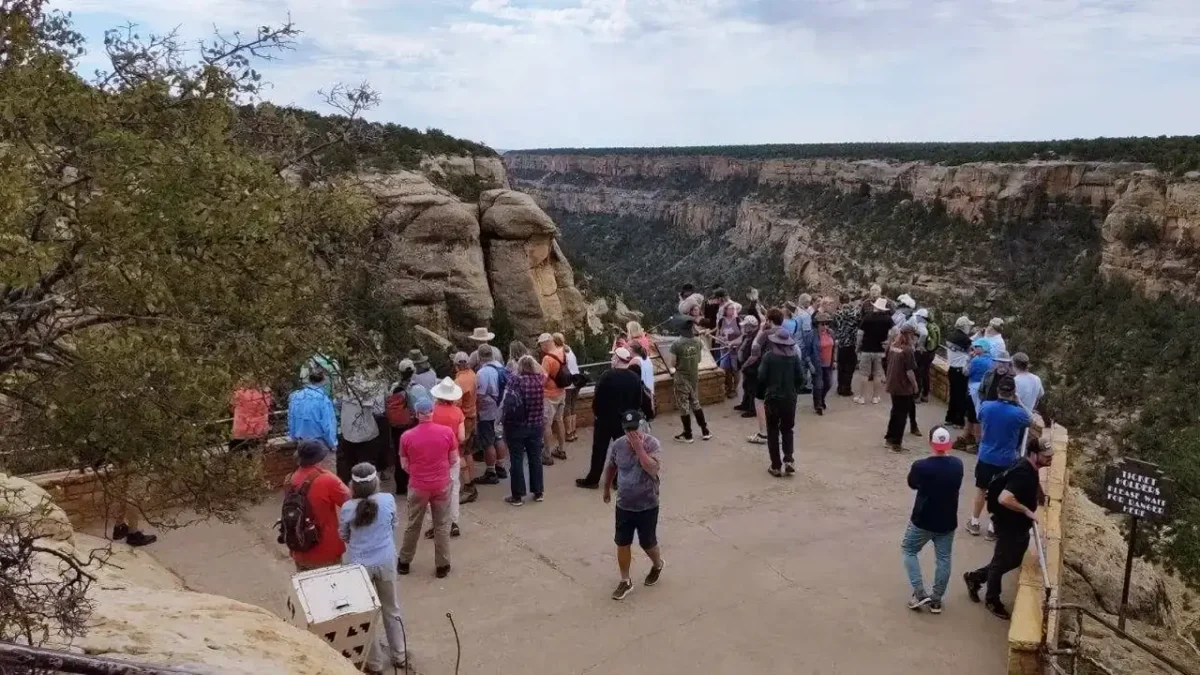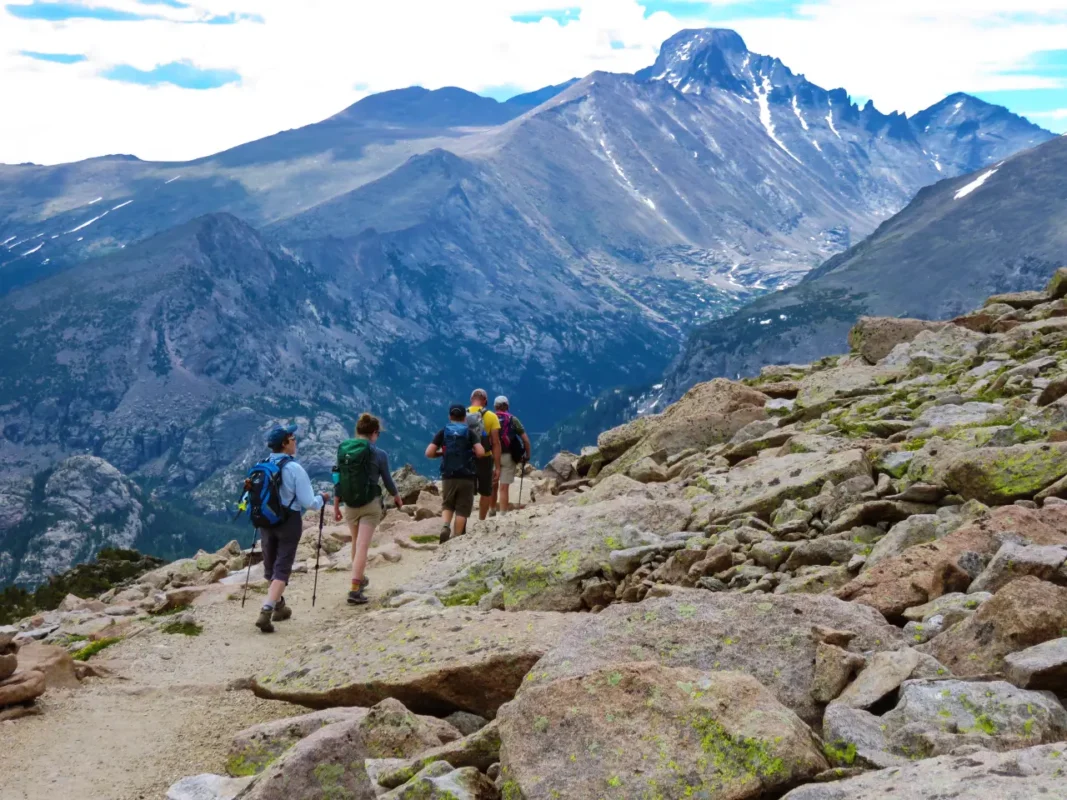
The best time to visit Rocky Mountain National Park is from late June through mid-September, when Trail Ridge Road is generally open, most lower- and mid-elevation trails are accessible, and visitors can explore both the Estes Park and Grand Lake sides of the park. July and August provide the most reliable access, while September offers cooler hiking weather, changing aspens, and excellent opportunities to observe elk.
The tradeoff is that summer and early fall are also the busiest periods. Parking fills quickly, afternoon thunderstorms can affect high-elevation plans, and timed-entry reservations may be required during specific hours.
This guide explains the seasonal differences, how many days to spend in the park, five of the best things to do independently, and five Rocky Mountain National Park tours that offer transportation, guided hiking, scenic driving, wildlife viewing, or nighttime photography.
Rocky Mountain National Park at a Glance
| Planning Detail | Recommendation |
|---|---|
| Best overall time to visit | Late June through mid-September |
| Best time for hiking | July through early September |
| Best balance of access and cooler weather | September |
| Best time for fall colors and elk viewing | Mid-September through early October |
| Best time for fewer visitors | Late fall, winter, and spring |
| Suggested trip length | 2–3 days |
| Main gateway towns | Estes Park on the east side and Grand Lake on the west side |
| Nearest major airport | Denver International Airport |
| Official park website | Visit the official Rocky Mountain National Park website |
Best Time to Visit Rocky Mountain National Park
For most first-time visitors, the best time to visit Rocky Mountain National Park is July through September.
By July, Trail Ridge Road is normally open, park shuttles are operating, and most popular hiking areas are accessible. High-elevation snow can linger into early summer, but July and August usually provide the broadest selection of scenic drives, alpine viewpoints, and hiking trails.
Summer also requires the most preparation. Roads and trailheads become congested, Bear Lake and Glacier Gorge parking can fill very early, and timed-entry reservations are required during designated hours from late May into October. A timed-entry reservation allows access during a specific window, but it does not guarantee parking at a particular destination.
September is the strongest alternative. Days are often cooler, summer storms become less frequent, and the park begins transitioning into fall. Golden aspen leaves brighten the lower valleys, while elk gather in places such as Moraine Park and Horseshoe Park during the annual rut.
September is not necessarily quiet, especially on weekends. Wildlife viewing and fall colors attract large numbers of visitors, and timed entry remains in effect through part of October. Snow is also possible at any time at higher elevations.
Late June can work well for travelers interested in waterfalls, rushing streams, and early wildflowers. However, some high trails may still be wet, muddy, or snow-covered.
October can be beautiful but unpredictable. Trail Ridge Road may close temporarily or for the season when winter conditions arrive. Visitors traveling in October should build flexibility into their plans rather than assuming that the road will remain open.
Rocky Mountain National Park by Season
Spring: April Through May
Spring arrives gradually in Rocky Mountain National Park. Lower elevations begin to thaw while winter conditions remain firmly established in the high country.
Trail Ridge Road is normally closed to through travel, and many hiking routes still require snowshoes, traction devices, or winter travel skills. Even trails that appear clear near the trailhead may become snowy or icy farther uphill.
The main advantages are lighter visitation and easier access to some lower-elevation areas. Elk, mule deer, and other animals are often visible in open valleys, although wildlife sightings are never guaranteed.
Spring weather changes quickly. A mild morning can turn into a snowstorm, and melting snow can create muddy trail conditions. Waterproof footwear, warm layers, and a flexible itinerary are more useful than a rigid list of hikes.
Spring is best for:
- Travelers comfortable with variable weather
- Lower-elevation walks and wildlife viewing
- Snowshoeing when conditions remain suitable
- Visitors who value solitude more than full park access
Summer: June Through August
Summer offers the widest range of things to do in Rocky Mountain National Park. Trail Ridge Road typically opens around late May or early June, depending on snow removal and weather, and most visitor services operate during this period.
July and August are especially good for alpine hiking, scenic driving, wildflower viewing, and visiting both sides of the park. Popular routes around Bear Lake, Glacier Gorge, Wild Basin, and the Alpine Visitor Center are normally accessible, although snowfields can persist on higher or shaded trails.
The biggest challenge is congestion. Timed-entry reservations are required during designated hours, and a separate reservation option covers the Bear Lake Road corridor. For 2026, standard timed entry is required from 9 a.m. to 2 p.m. from May 22 through October 12. Timed Entry + Bear Lake Road is required from 5 a.m. to 6 p.m. from May 22 through October 18. These dates and rules can change in future years.
Afternoon thunderstorms are another major consideration. Lightning can develop quickly above the treeline, even when the morning begins with clear skies. Start exposed hikes early, watch the clouds, and turn around before conditions become dangerous.
Summer is best for:
- First-time visitors
- Driving the full length of Trail Ridge Road
- Alpine and subalpine hiking
- Wildflowers and scenic overlooks
- Travelers who do not mind planning reservations in advance
Fall: September Through October
Fall combines cooler hiking weather with some of the park’s most active wildlife viewing.
The elk rut usually draws visitors to the park’s east-side meadows. Bull elk bugle and gather harems, particularly around dawn and dusk. Observe from a safe distance, never approach an animal for a photograph, and avoid stopping in traffic lanes when wildlife appears near the road.
Aspen colors commonly peak sometime from mid-September into early October, but exact timing varies with elevation, temperature, wind, and moisture. A storm can remove leaves quickly, so fall-color trips should not depend on one exact date.
Trail Ridge Road remains open only as conditions allow. Temporary closures can occur before the road closes to through travel for winter. Check road status each day rather than relying on historical opening and closing averages.
Fall is best for:
- Elk viewing
- Golden aspen scenery
- Cooler daytime hiking
- Photography
- Visitors who can adjust their plans around early snow
Winter: November Through March
Winter brings deep snow, strong winds, icy roads, and a much quieter version of Rocky Mountain National Park.
Trail Ridge Road does not remain open for cross-park travel, so visitors cannot drive between Estes Park and Grand Lake through the park. The east and west sides must be approached separately.
The Bear Lake Road corridor is one of the most popular winter areas. Bear Lake, Dream Lake, and nearby trails can become snowshoeing or winter hiking routes, depending on conditions. Microspikes may be sufficient on packed trails, while fresh or deep snow may require snowshoes.
Winter travel requires more preparation than a normal summer visit. Carry traction, insulation, food, water, navigation tools, and emergency supplies. Wind chill above the treeline can be severe, and daylight is limited.
Winter is best for:
- Snowshoeing and winter hiking
- Frozen-lake scenery
- Visitors seeking fewer crowds
- Travelers with appropriate equipment and cold-weather experience
How Many Days Do You Need in Rocky Mountain National Park?
Two to three days is ideal for most visitors.
One Day
A one-day visit requires choosing a specific area rather than trying to see the entire park.
During summer, either focus on Trail Ridge Road and its overlooks or spend the day along the Bear Lake Road corridor. Trying to combine a long hike, the full scenic drive, wildlife viewing, and both gateway towns usually creates a rushed schedule.
A practical one-day plan could include:
- An early walk around Bear Lake
- A hike to Dream Lake or Emerald Lake
- Lunch outside the busiest trailhead area
- Wildlife viewing around Moraine Park near evening
Travelers arriving from Denver should account for the drive to Estes Park, entrance lines, parking, and the return trip.
Two Days
Two days allow for a better balance between hiking and sightseeing.
Spend one day exploring Bear Lake Road, choosing a trail that fits the group’s experience and the current conditions. Use the second day for Trail Ridge Road, Alpine Visitor Center, overlooks, and the west side near Grand Lake.
This schedule also creates some flexibility if thunderstorms or road delays disrupt one afternoon.
Three Days
Three days provide enough time to slow down and explore different parts of the park.
A three-day itinerary could include:
- Bear Lake Road and an alpine-lake hike
- Trail Ridge Road and the Grand Lake side
- Wild Basin, a guided wildlife tour, or a shorter morning hike followed by an evening experience
Travelers planning a demanding hike, visiting during uncertain weather, or hoping to photograph wildlife should consider adding an extra day.
Before You Visit: Official NPS Planning Information
Rules, road access, shuttle schedules, entrance fees, and reservation systems can change. Review the official pages shortly before traveling rather than relying on screenshots or information saved months earlier.
- Check current Rocky Mountain National Park conditions and alerts.
- Review current park road status.
- Check current trail conditions.
- Review entrance fees and accepted park passes.
- Confirm current timed-entry requirements.
- Reserve Rocky Mountain National Park timed entry through Recreation.gov.
- Review shuttle buses and public transportation.
- Download official Rocky Mountain National Park maps.
- Review park safety guidance.
- Check accessibility information for Rocky Mountain National Park.
A park entrance pass and a timed-entry reservation are separate requirements. During timed-entry season, visitors may need both. The park is also cashless, so entrance stations accept electronic payment rather than cash.
The Bear Lake Road shuttle helps reduce the need to search for parking at Bear Lake or Glacier Gorge. The in-park routes are different from the Hiker Shuttle that connects the Estes Park Visitor Center with the Park & Ride Transit Hub. Hiker Shuttle tickets require reservations.
Best Things to Do in Rocky Mountain National Park
1. Drive Trail Ridge Road
Trail Ridge Road is the park’s signature scenic drive. It crosses the Continental Divide and climbs above the treeline, reaching an elevation of 12,183 feet.
The drive connects Estes Park and Grand Lake when the road is fully open. Stops such as Many Parks Curve, Forest Canyon Overlook, Rock Cut, and the Alpine Visitor Center provide access to broad mountain views without requiring a long hike.
Allow at least half a day. Traffic, wildlife, construction, and time spent at overlooks can make the drive slower than expected.
High winds, low temperatures, fog, hail, and storms are possible even in midsummer. Bring a jacket and avoid treating the high country like a normal warm-weather roadside stop.
2. Hike From the Bear Lake Trailhead
Bear Lake is the starting point for several of the park’s most popular hiking routes.
The walk around Bear Lake is short and relatively gentle. For a longer outing, continue toward Nymph Lake, Dream Lake, and Emerald Lake. The route to Emerald Lake is about 3.6 miles round trip and includes steady elevation gain, rocky sections, and high-altitude conditions.
Parking near Bear Lake is limited. During busy periods, using the Park & Ride lot and free shuttle is often more practical than repeatedly circling a full parking area.
Trails around Bear Lake can remain icy long after lower-elevation paths have melted. Check current conditions and carry traction when recommended.
3. Watch Wildlife in Moraine Park and Horseshoe Park
Moraine Park and Horseshoe Park are broad east-side valleys where elk, mule deer, and other animals may be seen.
Dawn and dusk generally provide better viewing than the middle of the day. Binoculars make it easier to observe animals without crowding them or leaving designated areas.
During the fall rut, elk can become unpredictable and aggressive. Stay well back, follow ranger instructions, and never position yourself between animals.
Roadside wildlife can also create traffic jams. Pull completely into a legal parking area before stopping, and keep roads clear for emergency vehicles.
4. Explore the Alpine Tundra
The alpine tundra above the treeline is one of Rocky Mountain National Park’s defining environments.
The Alpine Visitor Center provides access to exhibits, seasonal services, and nearby viewpoints. The short Alpine Ridge Trail climbs steeply from the visitor center and can feel challenging because of the elevation.
Move slowly if arriving directly from a lower altitude. Headache, nausea, unusual fatigue, or dizziness may be signs that the elevation is affecting the body. Descending is usually the safest response when symptoms worsen.
Stay on established surfaces. Alpine plants grow slowly and can be damaged by a single step.
5. Visit the Quieter West Side
The Grand Lake side feels different from the drier, more heavily visited east side. Forests, wetlands, and the upper Colorado River create good habitat for moose and other wildlife.
The Coyote Valley Trail is an approachable option for families and visitors looking for an easier walk. The route follows the Colorado River through a broad valley with mountain views.
Moose are powerful animals and can charge when threatened, particularly when accompanied by calves. Give them considerably more space than a typical roadside photograph might suggest.
The west side also works well as part of a full Trail Ridge Road day. However, visitors staying in Estes Park should remember that returning through the park may become impossible if the road closes because of weather.
5 Best Tours and Experiences in and Around Rocky Mountain National Park
Guided experiences can be especially useful in Rocky Mountain National Park because the logistics are often harder than the sightseeing itself.
Some tours include transportation, entrance fees, and timed-entry access. Others require participants to drive their own vehicles or purchase a separate entrance pass. Read the current booking details carefully because inclusions can change.
| Experience | Best For | Duration | Starting Area | Format | Location |
| Rocky Mountain National Park Guided Tour From Denver | First-time visitors without a rental car | 8 hours | Denver | Scenic small-group tour | Inside and around the park |
| Rocky Mountain National Park Glass-Top Bus Tour | Scenic driving and high-country access | 3–3.5 hours | Estes Park | Guided glass-top van tour | Inside the park |
| Rocky Mountain National Park Star Tour | Night photography and an evening activity | 3 hours | Beaver Meadows Visitor Center | Follow-the-guide driving tour | Inside the park |
| Private Wildlife Hiking Tour | Customized private hiking | 4–6 hours | Beaver Meadows area | Private guided hike | Inside the park |
| Rocky Mountain National Park Guided Hike & Picnic | Active travelers staying near Boulder | 7 hours | Boulder area | Small-group hiking day trip | Inside the park |
1. Rocky Mountain National Park Guided Tour From Denver
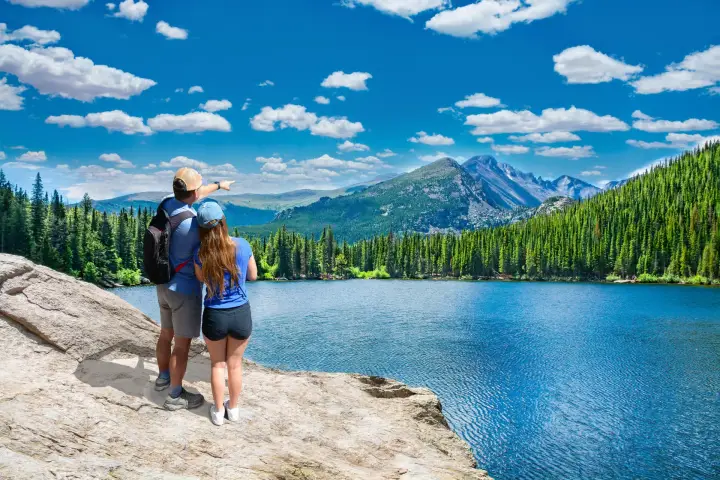
Best for: Travelers staying in Denver who want transportation, a guide, lunch, and a broad introduction to the park
Duration: 8 hours
Starting area: Colorado Convention Center in downtown Denver
Activity type: Small-group scenic driving tour
Location: Rocky Mountain National Park, Estes Park, and Front Range stops
This full-day tour removes the need to rent a car, navigate mountain roads, or organize park entry independently.
The trip begins near the Colorado Convention Center and travels toward the mountains in a passenger van. The itinerary can include Boulder, Estes Park, the Stanley Hotel area, scenic overlooks, and Trail Ridge Road when seasonal conditions allow.
Park entrance fees, lunch, snacks, water, transportation, and guiding are listed as included. The group is limited in size, which creates a more personal experience than a large motorcoach trip.
Expect much of the day to be spent driving between destinations, with stops for photographs, viewpoints, and short walks. It is better suited to travelers seeking an overview than visitors wanting a long hike.
The itinerary changes with the seasons. Trail Ridge Road and high-elevation stops cannot be guaranteed when weather or road closures limit access. Children under eight are listed as unsuitable for this particular experience, and gratuity is not included.
The tour is particularly practical for solo travelers, couples, and first-time visitors who are based in Denver and want to see the park without managing timed entry or mountain driving.
2. Estes Park: Rocky Mountain National Park Glass-Top Bus Tour
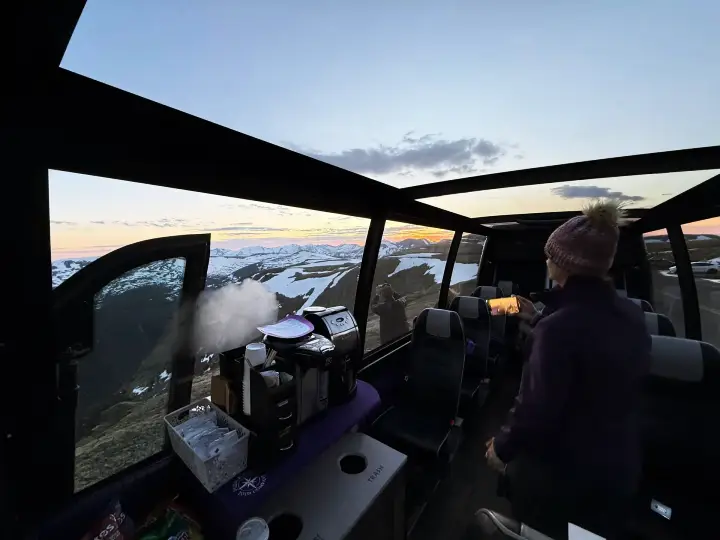
Best for: Travelers who want a shorter scenic tour with park entry included
Duration: Approximately 3–3.5 hours
Starting area: Downtown Estes Park
Activity type: Guided scenic drive in a retractable glass-top van
Location: Inside Rocky Mountain National Park
This half-day tour uses a retractable glass-top vehicle to provide wider views of the mountains while protecting passengers when high-elevation weather turns cold or windy.
Depending on the booked departure and seasonal road access, the route may use Trail Ridge Road, Old Fall River Road, or another east-side itinerary. The experience can include one or two short walks and a stop at the Alpine Visitor Center when that area is accessible.
Transportation, a guide, snacks, hot and cold drinks, park admission, and timed entry are listed as included. That makes it a convenient option for visitors who are already staying in Estes Park but do not want to organize another reservation or drive the highest park roads themselves.
The original “11AM Rocky Experience” name no longer fully describes the listing. The current product includes different departure options and is presented as the Rocky Mountain National Park Glass-Top Bus Tour.
This is primarily a sightseeing experience rather than a dedicated wildlife safari. Wildlife may be seen, but the main appeal is the high-country route, the unusual vehicle, and the guide’s interpretation of park geology, history, and ecology.
The itinerary depends heavily on weather and road status. Old Fall River Road is seasonal, and high-elevation destinations may be replaced when access is limited.
See available dates and review the current Glass-Top Bus Tour options.
3. Rocky Mountain National Park Star Tour
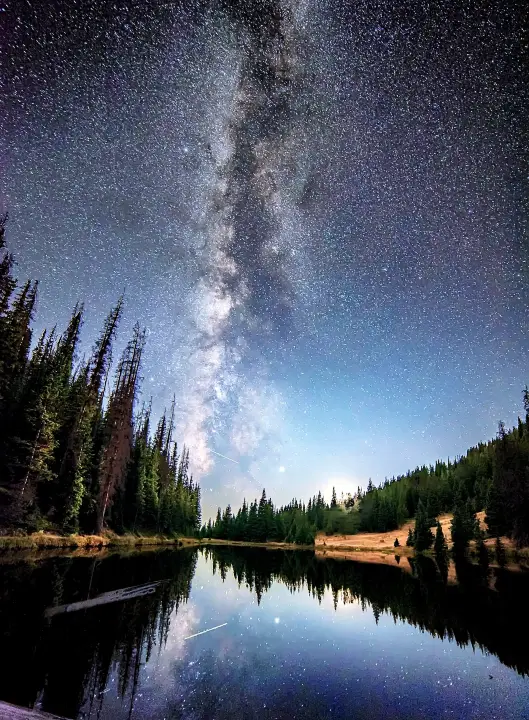
Best for: Travelers interested in night photography and a low-impact evening experience
Duration: 3 hours
Starting area: Beaver Meadows Visitor Center
Activity type: Guided nighttime driving and photography tour
Location: Inside Rocky Mountain National Park
This evening tour focuses more on nighttime scenery and photography than traditional telescope-based stargazing.
Participants meet at Beaver Meadows Visitor Center and then follow the guide into the park in their own vehicle. The guide selects nighttime locations, provides instruction for photographing the sky with a smartphone, and takes three digital photographs of each group under the stars.
The experience includes snacks, drinks, approximately two hours at the photography location, and easy walking of up to about 200 yards. The group is limited to ten participants, and the listing identifies the activity as wheelchair accessible.
A timed-entry reservation is not required as part of the tour, but participants still need a valid park entrance pass. Because guests drive their own vehicles, this is not suitable for travelers who need transportation from Estes Park or Denver.
The tour does not advertise a professional telescope, chairs, blankets, or hot chocolate. Its clearest benefits are guided access after dark, help with smartphone night photography, and professionally created digital images.
Mountain nights can be extremely cold and windy, even in July or August. Bring more insulation than would normally seem necessary for a summer evening.
Review the Star Tour details and check whether it operates during your visit.
4. Rocky Mountain National Park Private Wildlife Hiking Tour
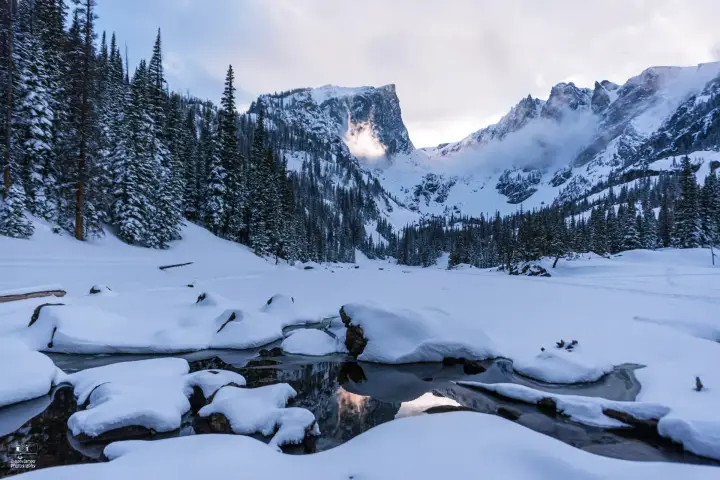
Best for: Travelers who want a private hike customized to their ability
Duration: 4–6 hours
Starting area: Beaver Meadows Visitor Center near Estes Park
Activity type: Private guided hiking tour
Location: Inside Rocky Mountain National Park
Despite the Grand Lake category in the supplied URL, the current listing identifies Beaver Meadows Visitor Center as the meeting point. This places the activity on the east side of the park rather than in Grand Lake.
The hiking route is customized after booking according to the group’s interests, fitness, and preferred difficulty. Accessible options may also be arranged.
Professional photographs, a timed-entry reservation when required, and certain hiking equipment are included. The park entrance fee is not included and must be purchased separately or covered by an accepted pass.
Participants follow the guide to the trailhead in their own vehicle, so this is not a transportation tour. Each group needs a vehicle suitable for entering the park and traveling to the selected hiking area.
The private format allows the guide to adjust the route, pace, distance, and stops more easily than on a fixed group tour. That can be valuable for families, mixed-ability groups, photographers, or travelers who are uncertain about choosing an appropriate trail at altitude.
Although wildlife is part of the experience’s theme, sightings cannot be guaranteed. The strongest reason to book is the customized hiking support rather than the expectation of seeing one specific species.
Review the private hiking options and request an itinerary suited to your group.
5. Rocky Mountain National Park Guided Hike & Picnic
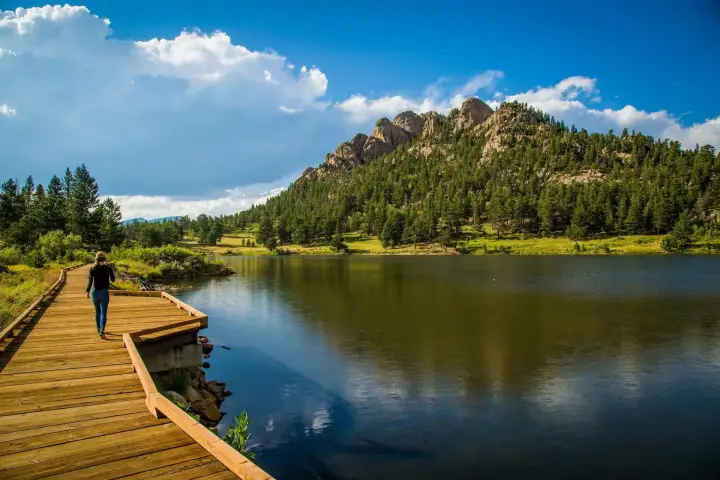
Best for: Active travelers based in or near Boulder who want a structured alpine-lake hike
Duration: 7 hours
Starting area: Boulder area, with pickup details provided during booking
Activity type: Small-group guided hiking day trip
Location: Inside Rocky Mountain National Park
This full-day experience combines transportation from the Boulder area with a guided hike in the Bear Lake region.
The standard route is described as a four- to five-mile hike connecting Bear Lake, Nymph Lake, Dream Lake, and Emerald Lake. It reaches elevations near 10,000 feet and gains approximately 600–800 feet, although alternative routes may be arranged for different abilities.
Transportation, park entry, light breakfast items, a picnic lunch, and guiding are included. The small group is limited to 14 participants.
This experience is more physically focused than the scenic tours from Denver or Estes Park. Much of the day is spent walking at altitude, and even a moderate mileage can feel more demanding than it would near sea level.
The route may change because of snow, ice, storms, trail closures, group ability, or other conditions. Travelers should bring appropriate footwear, sun protection, layers, and enough personal water for a full mountain day.
This is a useful choice for visitors who want to hike but would rather have someone else handle transportation, park access, route selection, and timing.
Compare available dates for the Rocky Mountain National Park Guided Hike & Picnic.
How to Choose the Right Experience
Choose the guided tour from Denver when transportation is the main concern and the goal is to see several park highlights in one day.
Choose the glass-top bus tour when staying in Estes Park and looking for a shorter scenic experience that includes admission and timed entry.
Choose the Star Tour for an evening activity centered on night photography. Remember that participants drive their own vehicles and need a park entrance pass.
Choose the private hiking tour when the group wants a route adjusted to its ability, interests, or accessibility needs. This experience also requires guests to drive inside the park.
Choose the guided hike from Boulder when hiking is the priority and a four- to five-mile alpine-lake route sounds more appealing than a sightseeing drive.
Before booking any Rocky Mountain National Park tour, check:
- Whether park entrance is included
- Whether timed-entry access is included
- Whether transportation is provided
- Whether guests must drive their own vehicle
- The expected walking distance and elevation gain
- Age, mobility, and fitness restrictions
- Seasonal itinerary changes
- Cancellation and weather policies
Frequently Asked Questions
What is the best month to visit Rocky Mountain National Park?
September is one of the best months for cooler hiking weather, changing aspens, and elk activity. July and August are better for travelers who prioritize the widest possible road and trail access.
Do you need a reservation to enter Rocky Mountain National Park?
Timed-entry reservations are required during specific daytime hours from late May into October. There are two options: one for most of the park and another that includes Bear Lake Road. Exact dates and hours can change each year, so confirm the current system before traveling.
Is Trail Ridge Road open year-round?
No. Trail Ridge Road closes to through travel during winter and reopens when snow removal and conditions allow. Temporary weather closures can also occur during the normal operating season.
How early should you arrive at Bear Lake?
Parking can fill very early during busy summer and fall days. A timed-entry reservation does not reserve a parking space. Consider using the Park & Ride and free in-park shuttle rather than depending on the small trailhead parking areas.
Can you visit Rocky Mountain National Park without a car?
Independent travel without a car is limited, but it is possible to reach popular east-side areas using seasonal transportation. The Hiker Shuttle connects the Estes Park Visitor Center with the Park & Ride on Bear Lake Road, where passengers can transfer to in-park shuttle routes. Tickets are required.
Guided tours from Denver and Boulder provide another option for travelers without a rental car.
Are Rocky Mountain National Park tours worth it?
Tours can be worth booking when they solve a specific planning problem.
A guided experience may provide transportation, timed-entry access, park admission, local interpretation, hiking support, or help finding an appropriate route. Travelers who already have a vehicle, reservation, and detailed itinerary may prefer exploring independently.
How far is Rocky Mountain National Park from Denver?
The drive from Denver to Estes Park usually takes around 1.5 to 2 hours without major delays. Traffic, construction, weather, and park entrance lines can extend the trip considerably.
What should you wear in Rocky Mountain National Park?
Dress in layers throughout the year. Temperatures can differ dramatically between Estes Park, shaded forests, and the alpine tundra.
Bring sun protection, a waterproof outer layer, sturdy footwear, and warm clothing. Even a summer visit can include cold wind, hail, or near-freezing temperatures at higher elevations.
Is altitude sickness a concern?
Yes. Much of the park lies well above the elevations where many visitors normally live.
Drink water, avoid overexertion on the first day, eat regularly, and pay attention to headache, nausea, dizziness, confusion, or unusual fatigue. Descend and seek assistance if symptoms become severe or continue to worsen.
Final Thoughts
The best time to visit Rocky Mountain National Park depends on how much access, solitude, and weather certainty the trip requires.
July and August provide the most dependable access to high-elevation roads and trails, but they also require advance planning for crowds and reservations. September offers an appealing combination of cooler weather, fall scenery, and wildlife activity. Spring and winter provide quieter experiences but demand more flexibility, equipment, and preparation.
Two or three days give most travelers enough time to combine Bear Lake, Trail Ridge Road, wildlife viewing, and a second hiking area without rushing.
Guided tours are most valuable when they solve a clear logistical challenge. Transportation from Denver or Boulder can simplify a day trip, while an Estes Park tour can reduce concerns about timed entry and mountain driving. Private hiking and nighttime photography experiences offer more specialized ways to explore the park.
Whatever season or activity fits the trip, check current NPS conditions, road access, weather, and reservation rules shortly before departure. Rocky Mountain weather and access can change quickly, and a flexible plan is often the difference between a frustrating visit and a rewarding one.
Disclaimer: This post is for informational purposes only. Always check official park regulations, permits, road conditions, closures, and weather before planning or booking any activity.
Affiliate Disclosure: ChaseTheBigDream.com participates in affiliate programs, including GetYourGuide and other trusted partners. When you book or purchase through qualifying links, the site may earn a small commission at no extra cost to you. These partnerships help support the creation and maintenance of independent travel guides.