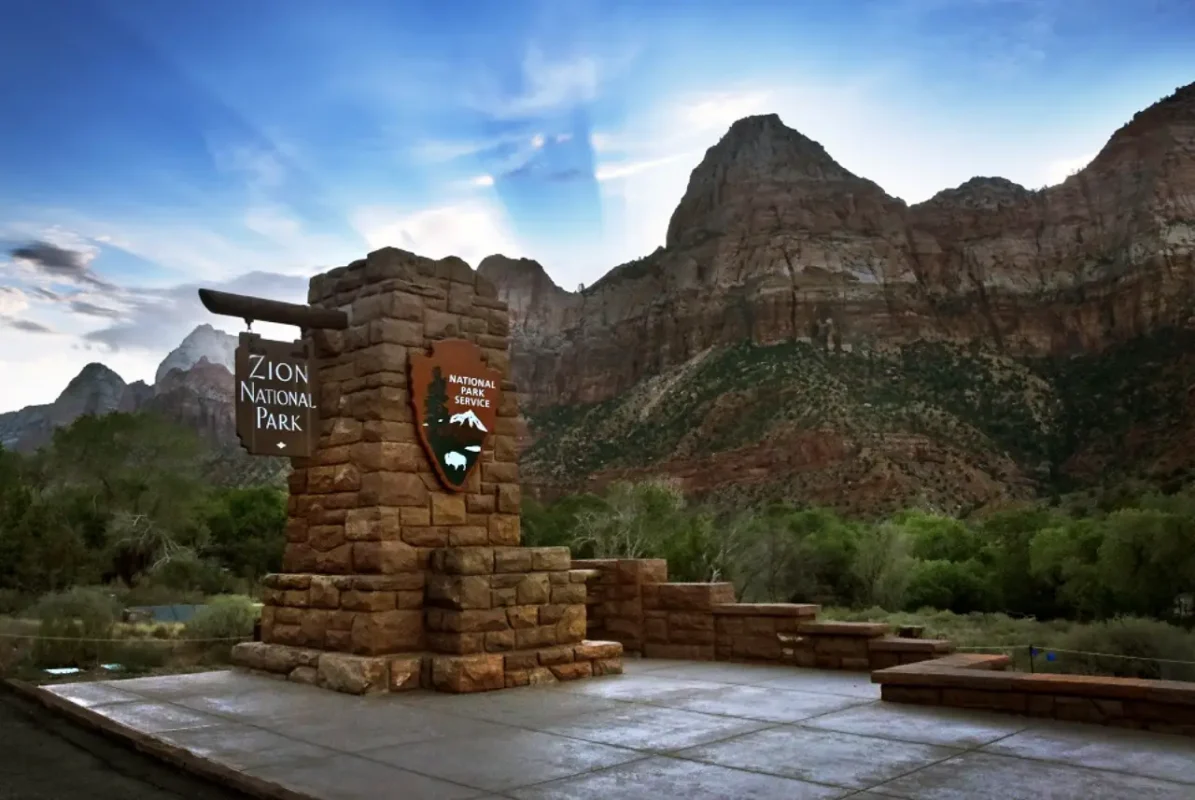
The best time to visit Zion National Park is generally from April through May and from late September through October. These periods usually offer the most comfortable balance of hiking weather, daylight, river access, and seasonal services. The tradeoff is popularity: pleasant conditions also bring busy trails, limited parking, and crowded shuttle stops.
Zion is known for its towering sandstone walls, the Virgin River, narrow canyons, and hikes ranging from paved riverside walks to demanding routes such as Angels Landing and The Narrows. Summer can be extremely hot and brings flash-flood concerns, while winter offers quieter trails but colder temperatures and possible ice.
This guide compares Zion by season, explains how many days to spend in the park, covers the best things to do independently, and reviews five guided experiences inside and around Zion.
Zion National Park at a Glance
| Planning Detail | Recommendation |
|---|---|
| Best overall time to visit | April–May and late September–October |
| Best time for hiking | Spring and fall |
| Best time for The Narrows | Often late summer through early fall, depending on river flow and flash-flood conditions |
| Best time for fewer crowds | Winter |
| Suggested trip length | 2–3 full days |
| Main gateway town | Springdale, Utah |
| Closest regional airport | St. George Regional Airport |
| Major airport with more flights | Harry Reid International Airport in Las Vegas |
| Transportation inside Zion Canyon | Seasonal park shuttle, bicycle, e-bike, or walking |
| Official park website | Plan a visit to Zion National Park |
Best Time to Visit Zion National Park
For most travelers, the best time to visit Zion National Park is during spring or fall.
April and May typically bring comfortable daytime temperatures, longer days, greener vegetation along the Virgin River, and the return of regular shuttle service. Spring runoff, however, can make The Narrows too deep or fast to hike. Late snow, cold mornings, and rapidly changing weather are also possible.
Late September and October often provide some of Zion’s most dependable hiking conditions. Summer heat begins to ease, fall color gradually appears along the canyon floor, and river levels may be more manageable than during spring runoff. Flash floods remain possible, so conditions must still be checked before entering The Narrows or any slot canyon.
The most important planning consideration is not simply the month. Trail closures, river flow, shuttle schedules, temperatures, and flash-flood potential can change from day to day. Zion’s official current-conditions page should be checked shortly before every visit.
During the shuttle season, private vehicles are generally not allowed on the Zion Canyon Scenic Drive beyond Canyon Junction. The park shuttle is free and does not require a ticket or reservation, but parking near the visitor center can fill early. Visitors staying in Springdale can also use the town shuttle and enter through the pedestrian entrance.
Zion National Park by Season
Spring: March Through May
Spring is one of Zion’s busiest and most rewarding seasons. Daytime temperatures become increasingly comfortable, cottonwood trees return to green, and seasonal services begin operating more regularly.
March can still feel like winter, especially early in the morning or on shaded trails. Snow and ice may linger at higher elevations, and cold storms are possible. By April and May, conditions are often better suited to longer hikes, though midday temperatures can become warm by late spring.
The main limitation is spring runoff. Snowmelt upstream can raise the Virgin River well above comfortable hiking levels. The bottom-up Narrows route closes when the river flow exceeds the park’s safety threshold or when a Flash Flood Warning is issued. Even below the closure threshold, stronger currents can make walking difficult.
Spring advantages
- Comfortable conditions for many dry-land hikes
- Longer daylight than winter
- Green vegetation and strong river flow
- Regular shuttle operations during much of the season
Spring limitations
- The Narrows may be closed or difficult
- Popular trails and shuttle stops can be crowded
- Weather can change quickly
- Ice may remain on shaded or high-elevation routes
Best for: Travelers focused on scenic hiking who are comfortable making backup plans if river or trail conditions change.
Summer: June Through August
Summer brings long days, full visitor services, and access to most major park areas. It also brings Zion’s most dangerous heat.
Temperatures on the canyon floor can reach uncomfortable or hazardous levels, especially during the afternoon. Exposed hikes such as the Watchman Trail, West Rim Trail, and approaches to Angels Landing can feel much harder than their mileage suggests.
A successful summer itinerary usually starts early. Longer hikes are best scheduled for the coolest part of the morning, followed by a shaded trail, visitor-center stop, scenic drive, or rest during the afternoon.
Summer also overlaps with the Southwest monsoon period. Thunderstorms may form quickly and can produce flash floods in The Narrows, slot canyons, dry washes, and normally calm streams. Storms do not need to be directly overhead to create dangerous flooding downstream. Zion emphasizes that flash flooding can occur at any time and that there is never a completely risk-free forecast for entering a narrow canyon.
Summer advantages
- Long daylight hours
- Most facilities and roads operating
- More time for early and late-day activities
- Potentially manageable Narrows conditions when river flow and weather cooperate
Summer limitations
- Dangerous afternoon heat
- Heavy visitation
- Flash-flood risk
- Limited parking near the main canyon entrance
Best for: Early risers who can avoid strenuous midday hiking and maintain flexible plans around weather alerts.
Fall: September Through November
Fall offers some of Zion’s best overall hiking weather. September can still be hot, but mornings and evenings gradually become cooler. October often provides comfortable daytime temperatures and colorful cottonwoods along the Virgin River.
River levels are frequently lower than during spring runoff, which can make fall a favorable period for hiking The Narrows. That does not guarantee safe conditions. Rain upstream, a Flash Flood Warning, cold water, or elevated river flow can still close the route or make it unsuitable.
Crowds remain substantial during pleasant fall weekends. Shuttle schedules and operating hours also begin changing later in the season, so visitors should not assume that summer service continues unchanged through November.
Fall advantages
- Comfortable temperatures for hiking
- Potentially favorable Narrows conditions
- Fall color along the canyon floor
- Less intense heat than midsummer
Fall limitations
- Busy weekends and trailheads
- Cold mornings later in the season
- Reduced daylight
- Seasonal changes to shuttle schedules and services
Best for: Hikers, photographers, and first-time visitors looking for the strongest overall balance of access and weather.
Winter: December Through February
Winter is Zion’s quietest season. Parking is generally easier, temperatures are cooler, and private vehicles may be allowed on the Zion Canyon Scenic Drive when the shuttle is not operating.
The quieter atmosphere does not mean that every trail is easy or fully accessible. Snow and ice can create hazardous footing on steep or shaded routes. Trails leading toward Scout Lookout, Angels Landing, and the upper canyon may require traction devices and careful judgment.
Daylight is shorter, mornings can be below freezing, and storms may temporarily affect roads or trails. The Narrows remains a cold-water hike even when open, and winter conditions demand specialized clothing and careful preparation.
Winter advantages
- Fewer visitors
- Easier parking
- Possible private-vehicle access to Zion Canyon
- Clear views and occasional snow on the cliffs
Winter limitations
- Ice on exposed or shaded trails
- Shorter days
- Cold water and freezing nighttime temperatures
- Reduced shuttle service and seasonal operations
Best for: Travelers who value quiet conditions and are willing to adjust plans for ice, snow, and limited daylight.
How Many Days Do You Need in Zion National Park?
One Day
One day is enough for a useful introduction, but the itinerary should stay focused on Zion Canyon.
Ride the shuttle or bike along the Zion Canyon Scenic Drive, choose one moderate hike, and add a shorter walk such as the Pa’rus Trail or Riverside Walk. Trying to combine Angels Landing, The Narrows, Emerald Pools, and the east side of the park in one day usually creates a rushed experience.
A practical one-day plan might include:
- An early shuttle into Zion Canyon
- Riverside Walk or Emerald Pools
- Lunch or a break near Zion Lodge
- Pa’rus Trail or the Watchman Trail later in the day
Two Days
Two full days work well for most first-time visitors.
Use the first day to explore Zion Canyon and complete several shorter hikes. Reserve the second day for one major activity, such as The Narrows, Angels Landing with a permit, a guided e-bike tour, or the Zion–Mount Carmel Highway.
A second day also provides some flexibility if weather, river flow, or trail closures disrupt the original plan.
Three Days
Three days allow a more relaxed pace and make it easier to explore beyond the busiest part of Zion Canyon.
A balanced three-day trip could include:
- Zion Canyon and shorter trails
- The Narrows, Angels Landing, or another major hike
- The east side, Kolob Canyons, or an activity outside the park
The third day is especially useful during summer monsoon periods or spring runoff, when a planned river hike may need to be replaced.
Four or More Days
A longer stay makes sense for travelers planning several demanding hikes, canyoneering, backpacking, or side trips around Greater Zion.
It also leaves time for slower activities such as an e-bike ride, photography, ranger programs, horseback riding, or exploring Springdale without fitting everything between shuttle departures.
Before You Visit: Official NPS Planning Information
Zion’s access rules and operating schedules change throughout the year. Check these official resources shortly before traveling:
- Check current Zion National Park conditions and alerts.
- Review the current Zion Canyon shuttle schedule.
- Review Zion National Park entrance fees and passes.
- Download official Zion National Park maps.
- Confirm current permits and reservation requirements.
- Review Angels Landing permit rules and lottery dates.
- Check The Narrows river conditions and hiking guidance.
- Review Zion flash-flood safety information.
- Check Zion National Park accessibility information.
- Review official park safety guidance.
No general entrance reservation is currently required for most areas of Zion, and no ticket is needed to ride the park shuttle. A park entrance fee still applies. Angels Landing requires a permit, while the bottom-up Narrows day hike from the Temple of Sinawava does not require one.
Best Things to Do in Zion National Park
Ride the Shuttle Through Zion Canyon
The shuttle connects the visitor center with Zion Lodge, the Grotto, Big Bend, and the Temple of Sinawava. It is the primary way to reach many of Zion’s most popular trailheads during the main visitor season.
A complete ride between the visitor center and Temple of Sinawava takes roughly 45 minutes in one direction. Allow extra time for waiting, boarding, and getting on and off at different stops. Do not plan to catch the final shuttle out of the canyon; missing it can mean a walk of several miles.
Hike The Narrows From the Bottom Up
The bottom-up Narrows hike begins at the Temple of Sinawava. After following the paved Riverside Walk, hikers enter the Virgin River and continue upstream through the canyon.
There is no requirement to complete a fixed distance. Many visitors walk for an hour or two before turning around, while prepared hikers may continue farther when conditions permit.
The riverbed consists largely of slippery, uneven rocks. Closed-toe footwear, a sturdy walking pole, warm layers, and a waterproof bag are far more useful than ordinary sandals. The water may be cold even when the air temperature is hot.
Never enter The Narrows without checking river flow, weather, flash-flood potential, and current closures that morning.
Apply for an Angels Landing Permit
Angels Landing is one of Zion’s most recognizable hikes, but the exposed chain section is not appropriate for every visitor.
A permit is required for everyone continuing beyond Scout Lookout onto the chained route. Permits are distributed through seasonal lotteries and a separate day-before lottery on Recreation.gov. Hikers should save an offline copy of the permit and carry identification because mobile service can be unreliable.
Travelers without permits can still hike the West Rim Trail to Scout Lookout. This provides broad canyon views without entering the narrow chain section.
Walk the Pa’rus Trail
The Pa’rus Trail is a paved, relatively level path that follows the Virgin River near the visitor center. It is Zion’s primary pet-friendly trail and is also open to bicycles.
The trail works well for families, casual walkers, cyclists, and visitors looking for an activity close to the park entrance. It is also a practical choice during the late afternoon when exposed trails may still be too hot.
Explore Emerald Pools
The Emerald Pools trail system combines river views, sandstone alcoves, seasonal waterfalls, and access to lower, middle, and upper pools.
Conditions and trail connections can change following rockfall, bridge damage, storms, or maintenance. Check the current trail status before deciding where to begin.
The lower route is generally the easiest, while the upper pool requires more climbing and uneven terrain. Waterfalls may be strongest after rain or during spring runoff and much lighter during dry periods.
Drive the Zion–Mount Carmel Highway
The Zion–Mount Carmel Highway connects Zion Canyon with the park’s east entrance. The road climbs through switchbacks and passes through the Zion–Mount Carmel Tunnel before reaching the higher sandstone landscape of East Zion.
Possible stops include overlooks, pullouts, Checkerboard Mesa, and the Canyon Overlook Trail when parking is available. Parking near popular east-side trailheads is limited, and roadside restrictions should be respected.
Large vehicles may face tunnel restrictions, traffic control, or additional requirements. Check the official large-vehicle guidance before arriving in an RV, bus, or oversized vehicle.
Visit Kolob Canyons
Kolob Canyons is a separate section of Zion northwest of the main canyon. It has its own entrance from Interstate 15 and usually receives fewer visitors than Zion Canyon.
The scenic drive provides views of tall red cliffs and finger canyons. Hiking options include shorter viewpoint walks and longer routes such as Taylor Creek, depending on current access.
Because Kolob Canyons is not connected to Springdale by an internal park road, it should be treated as a separate half-day or full-day outing.
5 Best Tours and Experiences in and Around Zion National Park
Guided experiences are most useful when they solve a specific planning problem. A guide may provide specialized equipment, handle transportation, explain local geology, or help travelers explore areas that are difficult to reach independently.
Not every experience below takes place inside Zion National Park. The UTV and horseback tours explore the surrounding Greater Zion and East Zion regions, while the Las Vegas tour includes shorter sightseeing visits to both Zion and Bryce Canyon.
| Experience | Best For | Duration | Starting Area | Location |
| Zion Narrows Hike with Lunch | First-time Narrows hikers | 8 hours | Springdale | Inside Zion |
| Guided E-Bike Tour | Seeing Zion Canyon without relying entirely on the shuttle | 3 hours | Springdale | Inside Zion |
| Sunset UTV Tour | Off-road scenery and an evening activity | 3 hours | Hurricane area | Near Zion |
| Bryce and Zion Tour from Las Vegas | Visitors without a rental car | About 13 hours | Las Vegas | Visits both parks |
| White Mountain Horseback Tour | Families and beginner riders | 1 hour | Orderville | Near East Zion |
1. From Springdale: The Zion Narrows Hike with Lunch
Best for: Active travelers who want equipment, transportation, and guidance for their first Narrows hike
Duration: 8 hours
Starting area: Springdale
Location: Inside Zion National Park
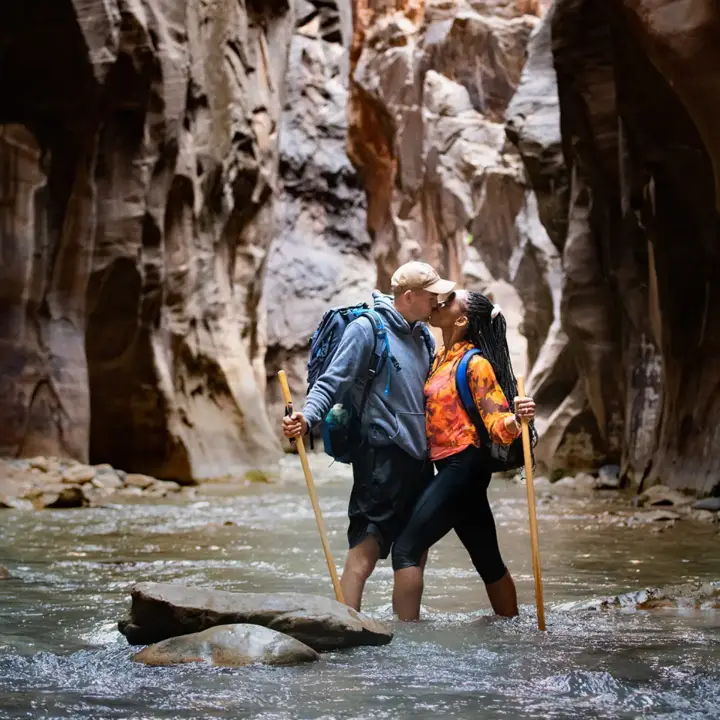
This full-day guided hike begins in Springdale and continues into The Narrows through the bottom-up route. The experience provides river-hiking equipment such as specialized footwear, neoprene socks, and a walking pole, along with transportation connected to the outing. Lunch is also included in the current experience listing.
The guide can help with pacing, equipment use, route decisions, and understanding the canyon’s geology. That support is particularly valuable because hiking through a river is very different from following a dry trail. Foot placement is slower, balance requires more concentration, and the return journey still demands energy.
The eight-hour format allows time to move at a controlled pace rather than treating The Narrows as a quick photo stop. Exact distance depends on river conditions, group ability, closures, and turnaround time.
This experience is not a guarantee that The Narrows will be accessible. High river flow, storms, flash-flood warnings, or other safety concerns can affect the route. Participants should be comfortable spending much of the day walking on unstable rocks and through cold water.
It is a strong option for first-time Narrows hikers, solo travelers who prefer group support, and visitors who do not want to arrange separate equipment rentals.
See available dates and review the Zion Narrows hike itinerary.
2. Springdale: Guided E-Bike Tour in Zion National Park
Best for: Visitors who want a guided overview of Zion Canyon
Duration: 3 hours
Starting area: Springdale
Location: Inside Zion National Park
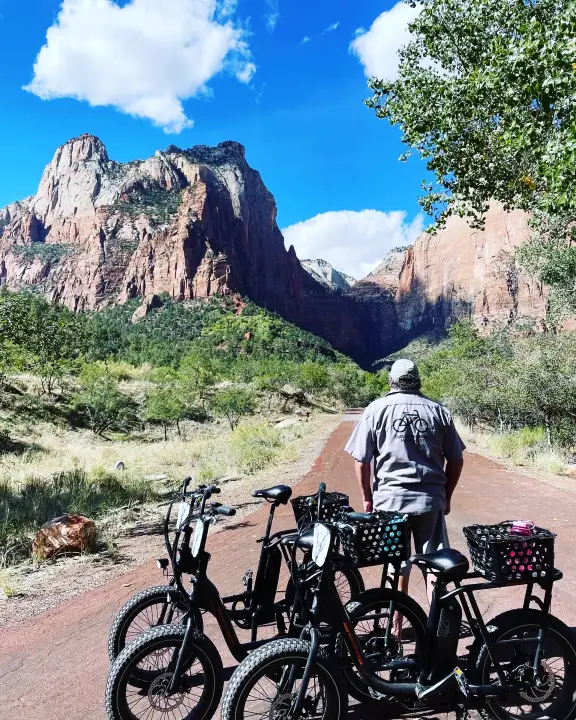
This guided e-bike tour travels from Springdale into Zion Canyon, stopping at major locations such as Court of the Patriarchs and the Temple of Sinawava. Along the way, the guide discusses the canyon’s geology, plants, wildlife, and human history.
The tour currently includes an e-bike, helmet, water, snacks, and parking at the meeting location. The park entrance fee is separate, so every participant must have appropriate park admission or a valid pass.
An e-bike offers more flexibility than staying on a shuttle for the entire canyon visit. Riders can experience the gradual change in scale and scenery, stop at selected viewpoints, and avoid waiting for a bus between every location.
The route still requires road awareness. Riders share the scenic drive with shuttle buses and other bicycles, and participants should already feel comfortable balancing, braking, and controlling a bicycle. E-bikes are heavier than standard bikes and may handle differently at low speeds.
This is a good fit for active couples, photographers, and first-time visitors who want local interpretation without committing to a full-day hike. It may be less suitable for anyone who has not ridden a bicycle recently or feels uncomfortable riding near large vehicles.
Review the guided Zion e-bike tour details and current availability.
3. Greater Zion: Sunset UTV Tour with Zion Views

Best for: Travelers seeking an off-road activity away from Zion Canyon crowds
Duration: 3 hours
Starting area: Near Hurricane, Utah
Location: Outside Zion National Park
This guided UTV experience explores desert terrain in the Greater Zion region near Hurricane. Participants drive a UTV while following a guide along designated off-road routes, with the outing scheduled to reach scenic areas around sunset.
The landscape is separate from Zion National Park. The tour does not travel along Zion Canyon Scenic Drive or enter the park’s hiking areas. Instead, it provides a wider view of southwestern Utah’s desert mesas, sandy tracks, rocky terrain, and distant cliffs.
Expect dust, vibration, noise, and uneven surfaces. Clothing and footwear may get dirty, and the ride can feel rougher than a scenic road tour. Sunset timing also means temperatures may drop quickly after dark during cooler months.
This experience works well as an evening activity after a morning in Zion or as an alternative when the main park is especially crowded. It is particularly convenient for travelers staying in Hurricane, St. George, or nearby communities.
Driver requirements, age restrictions, medical limitations, and vehicle arrangements should be reviewed carefully before booking. Travelers who are pregnant or who have significant back or neck concerns may find the terrain unsuitable.
Check current prices and departure times for the Greater Zion sunset UTV tour.
4. From Las Vegas: Bryce and Zion Scenic Tour with Lunch
Best for: Las Vegas visitors who want transportation to two Utah national parks
Duration: About 13 hours
Starting area: Las Vegas
Location: Visits Zion and Bryce Canyon National Parks
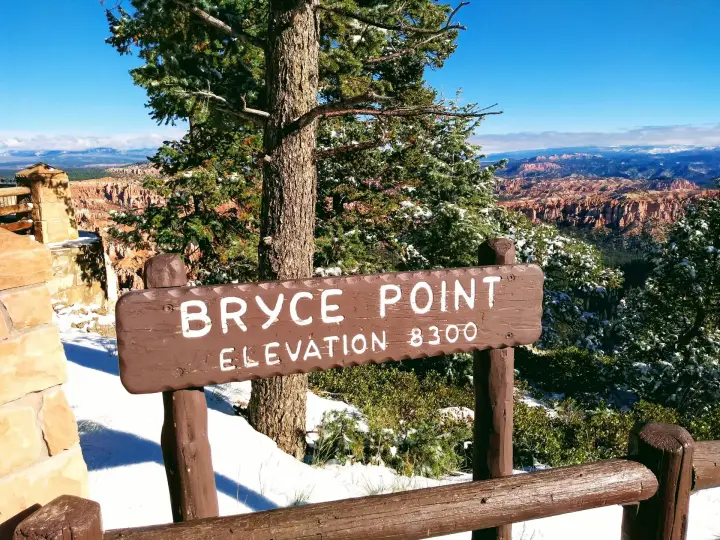
This long day tour travels from Las Vegas to both Zion and Bryce Canyon. Transportation, guide commentary, bottled water, a snack, and a deli-style lunch are included in the current listing.
The main advantage is logistical simplicity. Travelers can see two national parks without renting a car, navigating unfamiliar roads, or arranging separate admission and parking.
The limitation is time. Zion and Bryce each deserve multiple days, and this tour visits both in one outing. Much of the day is spent in transit, with the park portions focused on scenic viewpoints, short walks, and accessible highlights rather than long hikes.
The Zion portion may include scenic driving and brief stops, but it should not be viewed as a substitute for spending two or three days based in Springdale. Similarly, the Bryce Canyon visit offers an introduction to the amphitheater rather than extensive hiking below the rim.
This experience is best for travelers with limited time, visitors staying entirely in Las Vegas, and anyone who prefers a guided sightseeing day over self-driving. Travelers who want The Narrows, Angels Landing, or a detailed exploration of Zion Canyon should plan a separate trip.
Because entrance-fee policies and commercial-tour charges can change, review the current inclusions carefully when selecting a date.
Compare current Las Vegas departure options for the Bryce and Zion tour.
5. Orderville: East Zion White Mountain Horseback Tour
Best for: Beginner riders, families with older children, and travelers staying near East Zion
Duration: 1 hour
Starting area: Orderville
Location: Outside Zion National Park
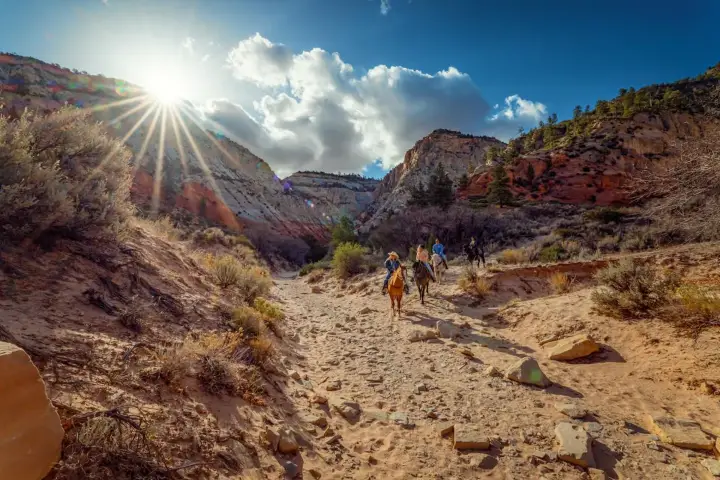
This small-group horseback experience takes place near Orderville in the East Zion region. Riders follow a guide through the backcountry to the mouth of a secluded slot canyon. After dismounting, participants walk a short distance into the canyon before returning to the horses.
The activity is designed to accommodate first-time riders. A short introduction is provided before the group begins, and the horses are selected for guided trail riding rather than speed.
The one-hour duration makes the tour easy to add to a travel day between Zion, Bryce Canyon, and Kanab. It also offers a different perspective from hiking or driving, without requiring most of the day.
This tour does not enter Zion National Park, despite the East Zion name and views of similar sandstone formations. It takes place in the surrounding region.
Current participation rules require riders to be at least eight years old and under the listed maximum weight. The activity is not suitable for pregnant travelers or people with certain back conditions. Food and drinks are not included, so bring water and weather-appropriate layers.
Check whether the East Zion horseback tour fits your travel dates.
How to Choose the Right Experience
Choose the guided Narrows hike when river hiking is a major trip priority and having equipment and professional support matters more than exploring independently.
Choose the guided e-bike tour for a practical introduction to Zion Canyon without spending most of the experience inside a shuttle.
Choose the sunset UTV tour for off-road driving, open desert scenery, and an activity outside park boundaries.
Choose the Bryce and Zion tour from Las Vegas when transportation is the main challenge and a brief overview of both parks is more useful than an in-depth Zion itinerary.
Choose the East Zion horseback tour for a short family-friendly activity near Orderville, Kanab, or the east entrance.
Frequently Asked Questions
What is the best month to visit Zion National Park?
October is one of the strongest choices for many visitors. Temperatures are often comfortable for hiking, summer heat has eased, and cottonwoods may begin showing fall color.
April and May are also excellent, although spring runoff can affect access to The Narrows. No month guarantees ideal conditions, so current forecasts, river flow, shuttle schedules, and closures should always be checked.
How many days do you need in Zion?
Two to three full days are ideal for most first-time visitors. Two days provide time for Zion Canyon and one major hike. Three days make it easier to add East Zion, Kolob Canyons, or an activity outside the park.
Do you need a reservation to enter Zion National Park?
A general reservation is not currently required to enter most areas of Zion National Park. Visitors must pay the applicable entrance fee or use an accepted park pass.
A permit is required for the Angels Landing chain section. Other activities, including backpacking, technical canyoneering, and top-down Narrows trips, may have separate permit requirements.
Is the Zion Canyon shuttle free?
Yes. The Zion Canyon shuttle and the Springdale town shuttle are free to ride. No shuttle ticket or reservation is required.
During shuttle operations, private vehicles are generally not allowed on the Zion Canyon Scenic Drive north of Canyon Junction. Shuttle hours and operating dates change seasonally.
Can you hike The Narrows without a guide?
Yes. The bottom-up Narrows hike from the Temple of Sinawava can be completed independently and does not require a permit.
A guide may still be worthwhile for travelers who want equipment included, help evaluating conditions, route guidance, and support walking through the river.
Can you visit Zion without a car?
Yes. Springdale has lodging, restaurants, equipment rentals, and a free seasonal shuttle connecting stops in town with the pedestrian entrance.
Once inside the park, the Zion Canyon shuttle reaches many major trailheads. A car remains helpful for East Zion, Kolob Canyons, and activities in surrounding towns.
Is Zion National Park suitable for children?
Zion has several family-friendly activities, including the Pa’rus Trail, shorter portions of Riverside Walk, visitor-center exhibits, scenic shuttle rides, and selected ranger programs.
River conditions, heat, drop-offs, and trail exposure should be considered carefully. Angels Landing’s chain section is not an appropriate casual family hike, and The Narrows can become difficult even when officially open.
Can you drive through Zion National Park?
The Zion–Mount Carmel Highway remains an important through-route between the south and east entrances, subject to current road conditions and vehicle restrictions.
The separate Zion Canyon Scenic Drive is generally closed to private vehicles during shuttle season. Private-vehicle access may return during winter when shuttles are not operating.
Final Thoughts
The best time to visit Zion National Park depends on which conditions matter most.
Spring and fall offer the strongest overall balance for hiking, but they also attract large numbers of visitors. Summer provides long days and broad access, though heat and flash-flood concerns require early starts and flexible plans. Winter is quieter and can make Zion Canyon easier to access by car, but ice, cold temperatures, and shorter daylight affect trail choices.
Two to three days give most travelers enough time to explore Zion Canyon, complete one major hike, and see either the east side or another part of the park. Build alternatives into the itinerary rather than relying entirely on The Narrows or Angels Landing.
Guided experiences can solve specific challenges. A Narrows guide provides river equipment and support, an e-bike tour offers a flexible way to see Zion Canyon, and activities near Hurricane or Orderville reveal landscapes beyond the park boundary. Travelers based in Las Vegas can also choose a transportation-focused tour covering both Zion and Bryce Canyon.
Before hiking or booking any activity, check current park alerts, river flow, flash-flood potential, permit requirements, and shuttle schedules. Conditions on the ground should always take priority over a fixed itinerary.
Disclaimer: This post is for informational purposes only. Always check official park regulations, permits, road conditions, closures, and weather before planning or booking any activity.
Affiliate Disclosure: ChaseTheBigDream.com participates in affiliate programs, including GetYourGuide and other trusted partners. When you book or purchase through qualifying links, the site may earn a small commission at no extra cost to you. These partnerships help support the creation and maintenance of independent travel guides.