The best time to visit Grand Canyon National Park is generally late spring or early fall, when temperatures are more comfortable for sightseeing and hiking. May and September are especially appealing, but conditions can vary dramatically between the South Rim, North Rim, and inner canyon.
The Grand Canyon is known for its immense scale, layered geology, Colorado River views, historic South Rim buildings, and trails that descend through several climate zones. Summer provides long days and broad access, but it also brings heavy crowds, thunderstorms, and dangerous heat below the rim. Winter is quieter and often more affordable, although snow and ice can affect roads, viewpoints, and trails.
This guide covers seasonal conditions, suggested trip length, independent things to do in Grand Canyon National Park, official planning resources, and five Grand Canyon tours ranging from a historic train journey to a guided rim-to-rim backpacking trip.
Grand Canyon National Park at a Glance
| Planning Detail | What to Know |
|---|---|
| Best overall time to visit | Late spring and early fall |
| Best months for most visitors | May and September |
| Best time for below-the-rim hiking | Spring and fall |
| Quietest season | Winter |
| Suggested trip length | 2–3 days |
| Most accessible area | South Rim |
| Main South Rim gateway | Tusayan |
| Other useful gateway towns | Williams and Flagstaff |
| Nearest commercial airport | Flagstaff Pulliam Airport |
| Major airports with more flights | Phoenix Sky Harbor and Harry Reid International in Las Vegas |
| Official park website | Visit the official Grand Canyon National Park website |
The South Rim remains open throughout the year, although winter weather can temporarily affect roads and services. North Rim access is seasonal and can change because of snow, wildfire recovery, infrastructure conditions, or other hazards. Visitors planning to include the North Rim should check its current status rather than relying on a typical opening calendar.
Best Time to Visit Grand Canyon National Park
For most travelers, the best time to visit Grand Canyon National Park is from late April through May or from mid-September through October.
These periods offer a useful balance of moderate rim temperatures, fewer visitors than midsummer, and better hiking conditions below the rim. They are also good times for walking the Rim Trail, exploring Desert View Drive, and spending longer periods at overlooks without the most intense summer heat.
However, no single season is best for every type of visit.
Choose spring for hiking, comfortable daytime sightseeing, and a chance to visit before peak summer congestion. Be prepared for rapidly changing weather and possible late snow at rim elevations.
Choose summer for long daylight hours and the broadest range of visitor services. Plan primarily for rim-based activities because inner-canyon temperatures can become dangerously high.
Choose fall for cooler hiking weather, clearer days, and lighter crowds after the main summer travel season.
Choose winter for solitude, lower demand, and possible snow-covered views. Bring winter traction and expect some trails or roads to be icy.
Elevation is one of the most important planning factors. Temperatures at the South Rim can feel comfortable while conditions thousands of feet below are dangerously hot. A forecast for Grand Canyon Village does not represent the temperature along the Colorado River.
Grand Canyon National Park by Season
Spring
Spring is one of the most practical times to explore the South Rim and hike a short distance below it.
March can still feel like winter at rim elevation. Snow, strong wind, freezing nights, and icy trail sections remain possible. By April and May, daytime conditions usually become more comfortable, but visitors should still pack layers and check the forecast immediately before traveling.
Below the rim, spring temperatures may be significantly warmer than those in Grand Canyon Village. That difference can make trails such as Bright Angel and South Kaibab more appealing than they are during midsummer, but it also means hikers must carry enough water and turn around before becoming exhausted.
Spring break and holiday weekends can be busy. Parking near the visitor center and popular viewpoints may fill earlier than expected, so arriving in the morning and using the South Rim shuttle system can simplify the day.
North Rim access should be treated separately. Its higher elevation creates a shorter visitor season, and openings depend on current road, trail, weather, and infrastructure conditions.
Spring is best for: Day hikers, active travelers, photographers, and visitors who want mild conditions without committing to a summer trip.
Summer
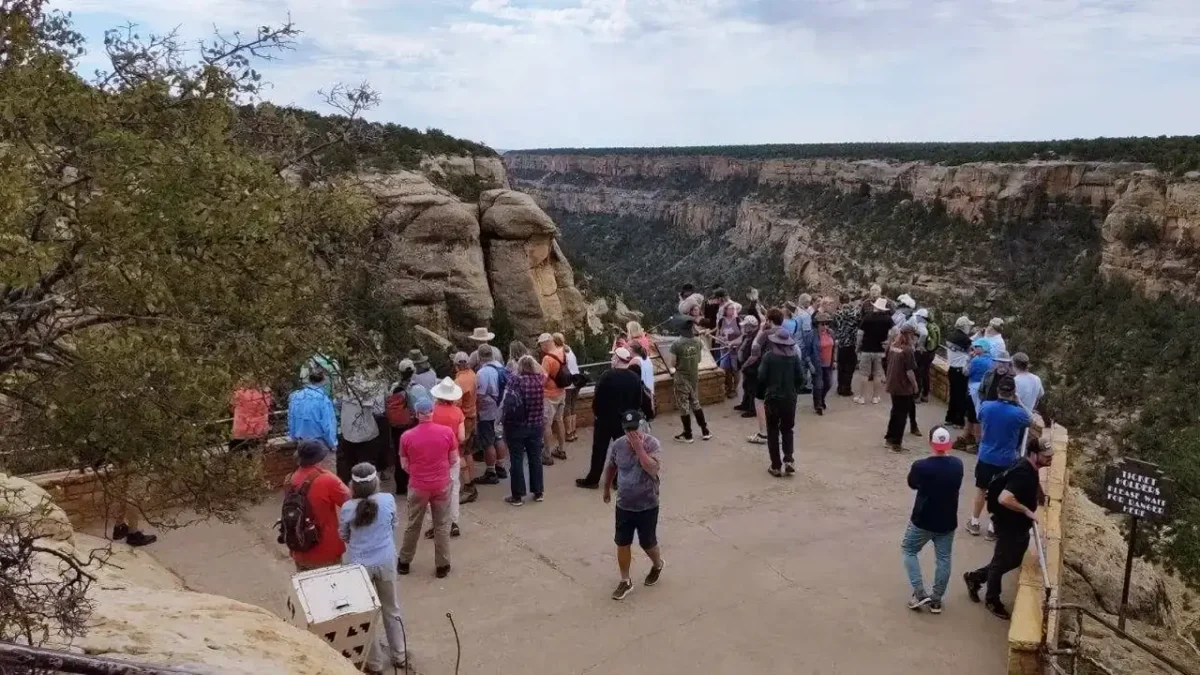
Summer is the busiest season at the Grand Canyon, particularly around Grand Canyon Village, Mather Point, and the main South Rim shuttle stops.
The rim can be warm and pleasant in the morning, but conditions become much hotter as trails descend. High temperatures in the inner canyon often exceed 100°F, making long daytime hikes dangerous. The National Park Service advises summer hikers to avoid the hottest part of the day and to check current water availability, trail closures, and heat warnings before descending.
Summer visitors who are not prepared for desert hiking can still have a rewarding trip by concentrating on:
- The Rim Trail
- Scenic overlooks
- Ranger programs
- Desert View Drive
- Historic Grand Canyon Village
- Early-morning or evening walks
July and August also overlap with the Southwest monsoon season. Afternoon thunderstorms can bring lightning, strong wind, hail, heavy rain, and flash-flood risk. Exposed overlooks and canyon trails are poor places to be during lightning.
Crowds create another practical challenge. Parking lots can fill, and shuttle lines may become long around sunset or popular trailheads. Park once when possible and use the free buses to move through the village and along shuttle-served roads.
Summer is best for: Families traveling during school vacation, first-time visitors focusing on viewpoints, and travelers who prefer rim-based sightseeing over strenuous hiking.
Fall
Fall offers some of the most comfortable conditions of the year.
September often retains warm daytime temperatures while avoiding part of the midsummer congestion. October can be excellent for hiking, with cooler air at the rim and more manageable temperatures below it. Nights become increasingly cold as the season progresses.
The North Rim’s forested landscape can display fall color, particularly among its aspen trees. Access and services may be more limited than at the South Rim, so verify current conditions before building a trip around it.
By November, winter weather becomes more likely. Snow and ice can arrive at the rims even when lower-elevation Arizona destinations remain warm. Visitors planning a late-fall hike should bring layers, traction when needed, and enough daylight margin to complete the climb back to the rim.
Fall is also a strong choice for travelers who want to combine scenic drives, short hikes, and sunrise or sunset photography without scheduling every activity around summer heat.
Fall is best for: Hikers, photographers, couples, and travelers seeking a balance of favorable weather and manageable crowds.
Winter
Winter provides a much quieter Grand Canyon experience.
The South Rim remains open, and fresh snow can create striking contrast across the canyon’s cliffs and temples. Lodging demand may be lower than during peak season, and major overlooks are often less crowded.
The tradeoff is less predictable travel. Snowstorms can create hazardous driving, temporarily close roads, and leave packed ice on trails. Even when the rim is clear, shaded sections of Bright Angel or South Kaibab can remain icy.
Winter hikers should consider traction devices and avoid assuming that a dry trailhead means the entire route is snow-free. Temperatures also rise quickly as trails descend, so clothing must work for both freezing rim conditions and warmer inner-canyon conditions.
The North Rim is not a dependable winter road-trip destination. Vehicle access and most visitor services are seasonal, and conditions can change based on weather and park operations.
Winter is best for: Travelers who value quiet viewpoints, flexible itineraries, winter photography, and cooler sightseeing conditions.
How Many Days Do You Need in Grand Canyon National Park?
One Day
One full day is enough for a strong introduction to the South Rim.
Begin around Mather Point or Yavapai Point, walk a section of the Rim Trail, explore Grand Canyon Village, and finish with several stops along Desert View Drive or Hermit Road, depending on the season and available transportation.
A one-day visit works best when staying in Tusayan or inside the park the night before. Driving from Las Vegas, Phoenix, or another distant city and returning the same day leaves much less time at the canyon.
Avoid trying to combine too many distant areas. Grand Canyon West, the South Rim, and the North Rim are separate destinations with long driving times between them.
Two Days
Two days is the best trip length for many first-time visitors.
Use the first day for the Rim Trail, Grand Canyon Village, and shuttle-accessible viewpoints. Begin the second day with a short below-the-rim hike, then explore Desert View Drive and the eastern viewpoints.
This schedule provides time for both sunrise and sunset without forcing every activity into one long day.
Three Days
Three days allows for slower travel and more flexible hiking.
A three-day itinerary could include:
- One day around Grand Canyon Village and Hermit Road
- One morning hiking below the rim
- One day along Desert View Drive
- A ranger program or geology exhibit
- Time to adjust plans if weather changes
Long day hikes require careful preparation and should not simply be added because an extra day is available.
Four or More Days
Four or more days may be worthwhile for experienced hikers, backcountry travelers, or visitors combining the canyon with Williams, Flagstaff, or another regional destination.
A South Rim–North Rim trip requires much more planning than looking at a map suggests. Although the two rims face each other across the canyon, the road journey between them is long, and seasonal closures can remove the option entirely.
Before You Visit: Official NPS Planning Information
Grand Canyon conditions can change quickly. Check these official resources shortly before departure and again during the trip:
- Check current Grand Canyon National Park alerts and conditions.
- Review current Grand Canyon entrance fees and accepted passes.
- Confirm operating hours, seasonal access, and facility availability.
- Review Grand Canyon directions and transportation options.
- Download official Grand Canyon maps.
- Check current South Rim shuttle routes and schedules.
- Review current hiking warnings, trail closures, and water updates.
- Check the current North Rim status.
- Review Grand Canyon hiking safety guidance.
- Review backcountry permit requirements.
- Explore accessibility information for trails, facilities, and transportation.
A standard sightseeing visit generally does not require a timed-entry reservation. However, lodging, campgrounds, commercial activities, and overnight backcountry trips may require separate reservations or permits.
Do not treat fees, shuttle timetables, permit procedures, North Rim access dates, or trail-water availability as permanent. Confirm each item for the dates of the trip.
Best Things to Do in Grand Canyon National Park
1. Walk Part of the Rim Trail
The Rim Trail is one of the easiest ways to experience changing canyon views without committing to a steep descent.
Sections near Grand Canyon Village are paved and close to shuttle stops, lodging, museums, and historic buildings. Other stretches feel quieter and more natural. Because the route follows the rim, visitors can choose a short walk or link several segments together.
Use the shuttle to create a one-way walk rather than retracing the entire route.
2. Watch Sunrise or Sunset
Low-angle light reveals layers that can look flat during the middle of the day.
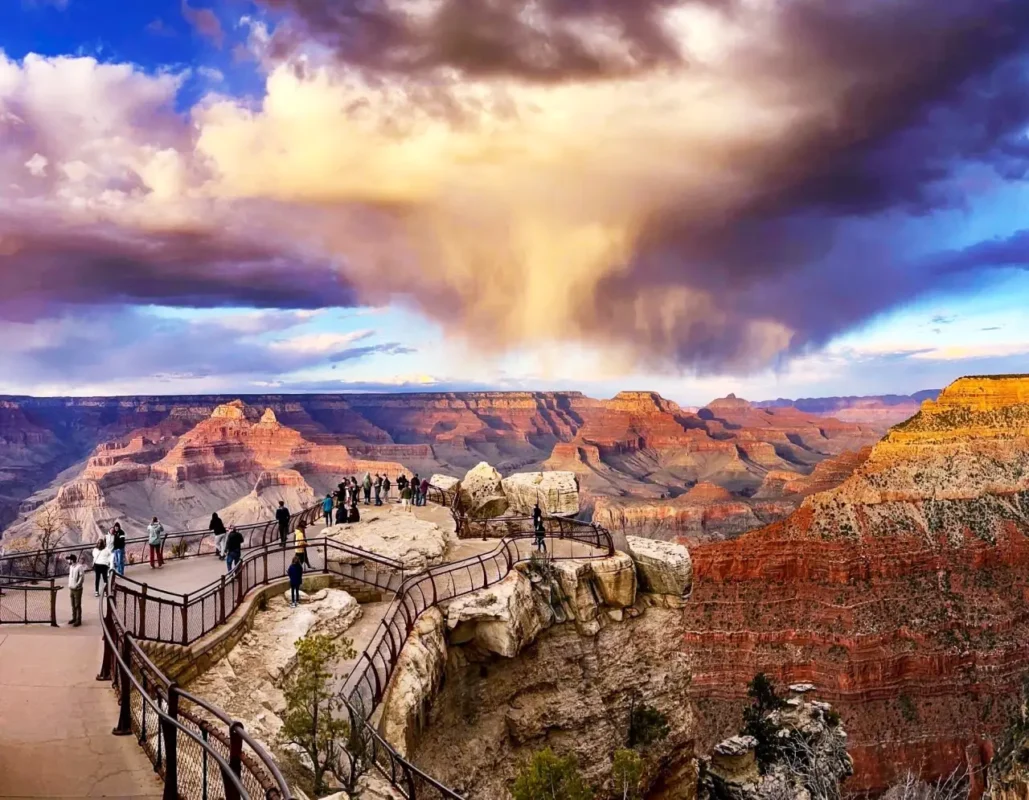
Mather Point and Yavapai Point are convenient for sunrise, while Hopi Point, Mohave Point, and other Hermit Road overlooks are popular near sunset. The most famous location is not always the most comfortable one. A quieter overlook with more space may provide a better experience than a crowded platform.
Bring a warm layer even in summer. Rim temperatures can fall quickly after sunset.
3. Explore Desert View Drive
Desert View Drive connects Grand Canyon Village with the park’s eastern entrance.
The route includes multiple overlooks, roadside pullouts, and broad views toward the Colorado River and eastern canyon. Desert View Watchtower anchors the east end of the drive and provides historical and cultural context in addition to the scenery.
Allow several hours rather than treating the drive as a direct route out of the park.
4. Hike Below the Rim
Descending even a short distance changes the perspective completely.
Bright Angel Trail offers rest areas and seasonal water at some locations, although water availability must always be verified. South Kaibab Trail has expansive views but no water along the trail.
The climb out is the hardest part. A one-mile descent is not a two-mile stroll; it is a steep canyon hike that ends uphill. Turn around before half of the available energy, water, or daylight has been used.
Do not attempt to hike from the rim to the Colorado River and back in one day. For most visitors, that is an overnight backcountry trip rather than a day hike.
5. Explore Grand Canyon Village
Grand Canyon Village combines canyon views with the park’s transportation and cultural history.
Useful stops include the historic district, the Grand Canyon Railway Depot, Hopi House, Lookout Studio, and the area around El Tovar Hotel. The village is also a practical place to connect with shuttles, find food, and visit indoor exhibits when weather becomes uncomfortable.
6. Ride the South Rim Shuttles
The free shuttle system is not just transportation. It provides access to trailheads, lodging areas, visitor facilities, and overlooks where parking is limited or private vehicles are seasonally restricted.
Routes and schedules change during the year. Check the current map before leaving the hotel and avoid waiting until sunset to learn which bus returns to the parking area.
7. Attend a Ranger Program
Ranger walks and talks can add context to the canyon’s geology, human history, wildlife, and night sky.
Programs vary by season, staffing, and location. Check current schedules at visitor contact stations or through official park resources after arriving.
5 Best Tours and Experiences in and Around Grand Canyon National Park
Grand Canyon tours are most useful when they solve a specific planning problem: transportation, parking, backcountry permits, trail logistics, or the desire to see several Southwest destinations in one itinerary.
The five experiences below are not interchangeable. Three enter Grand Canyon National Park, while two visit Grand Canyon West on Hualapai Tribal lands rather than the national park.
| Experience | Best For | Duration | Starting Area | Location |
| Grand Canyon: 5-Day Rim-to-Rim Guided Backpacking Trip | Fit backpackers seeking a guided traverse | 5 days | South Rim Visitor Center area | Inside Grand Canyon National Park |
| From Williams: Grand Canyon Railway Round-Trip Train Ticket | Families and travelers avoiding South Rim parking | 9 hours | Williams, Arizona | Enters Grand Canyon National Park |
| Vegas: Grand Canyon, Antelope Canyon, Horseshoe Bend, & Zion | Travelers wanting a broad two-day Southwest itinerary | 2 days | Las Vegas | Includes Grand Canyon National Park |
| Vegas: Grand Canyon, Hoover Dam, Skywalk Option, & Two Meals | Las Vegas visitors without a rental car | About 10 hours | Las Vegas | Grand Canyon West, not the national park |
| Grand Canyon Helicopter Landing Tour with Las Vegas Transfer | Travelers prioritizing an aerial experience | About 4.5 hours | Las Vegas or Boulder City | Grand Canyon West, not the national park |
1. Grand Canyon: 5-Day Rim-to-Rim Guided Backpacking Trip
Best for: Active travelers prepared for five days of backpacking
Duration: Five days
Starting area: Grand Canyon Visitor Center parking area on the South Rim
Activity type: Guided backpacking
Location: Inside Grand Canyon National Park
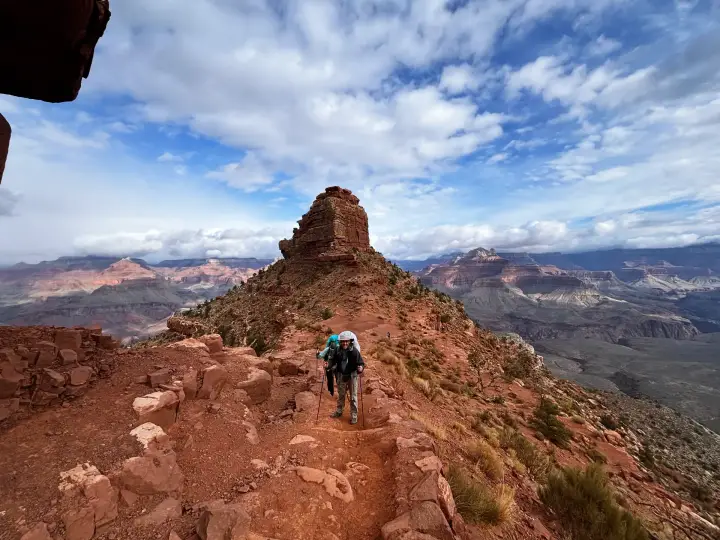
This small-group trip crosses the Grand Canyon on foot, beginning with a meeting and pack check near the South Rim Visitor Center. The published route descends Bright Angel Trail, passes through the inner canyon, and works toward the North Rim using the North Kaibab Trail.
The itinerary may include Havasupai Gardens, the Colorado River, Phantom Ranch, Ribbon Falls, and other inner-canyon locations. Exact dates and routing depend partly on the National Park Service backcountry permit process.
Meals, purified water during the trip, guide services, shuttle transportation, tents, and trekking poles are listed among the inclusions. Travelers remain responsible for appropriate personal clothing, layers, snacks, and other items identified in the operator’s pre-trip information.
The five-day format makes the traverse more manageable than attempting to rush through the canyon, but this remains a demanding trip. Participants must hike steep trails, handle elevation gain and loss, sleep in backcountry camps, and remain comfortable outdoors for several consecutive days.
The listing describes the group as limited to six participants. It is not suitable for wheelchair users, and it should not be treated as a casual introduction to hiking.
This experience is worth considering when the biggest barriers are permits, route planning, equipment, meals, and transportation between the rims. Travelers mainly interested in viewpoints or short walks will be better served by a South Rim day itinerary.
See available dates and review the five-day backpacking itinerary.
2. From Williams: Grand Canyon Railway Round-Trip Train Ticket
Best for: Families, history enthusiasts, and visitors who prefer not to drive into the park
Duration: Nine hours
Starting area: Williams Station in Williams, Arizona
Activity type: Scenic train journey
Location: Travels into Grand Canyon National Park
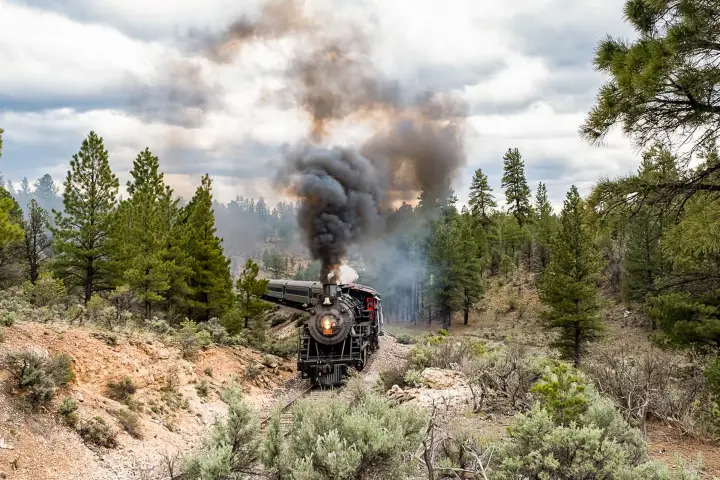
The Grand Canyon Railway provides one of the simplest car-free ways to reach the South Rim.
The train departs Williams and travels approximately 2 hours and 15 minutes to Grand Canyon Village. Passengers then receive about 3 hours and 15 minutes of free time before boarding the return trip.
That window is enough for a short Rim Trail walk, lunch, historic village sightseeing, and several canyon overlooks. It is not enough for an extended hike or a full exploration of Desert View Drive.
Musicians, cowboy characters, vintage-style train cars, and a staged Wild West shootout make the transportation part of the day rather than empty travel time. Coach and first-class options are available, and some upgraded tickets include refreshments.
The current listing includes the round-trip journey and the national park entrance fee. Hotel transportation, tips, and most food or drinks are not included. Passengers must arrive early enough to collect tickets before departure.
This is a useful option when South Rim parking sounds stressful or when the group would enjoy train travel as much as the destination. Its main limitation is the fixed schedule: visitors cannot remain for sunset or independently extend their time at the rim.
Review the train classes, departure schedule, and current availability.
3. Vegas: Grand Canyon, Antelope Canyon, Horseshoe Bend, & Zion
Best for: Las Vegas travelers who want to see several major Southwest destinations
Duration: Two days
Starting area: Participating Las Vegas hotels
Activity type: Small-group road trip
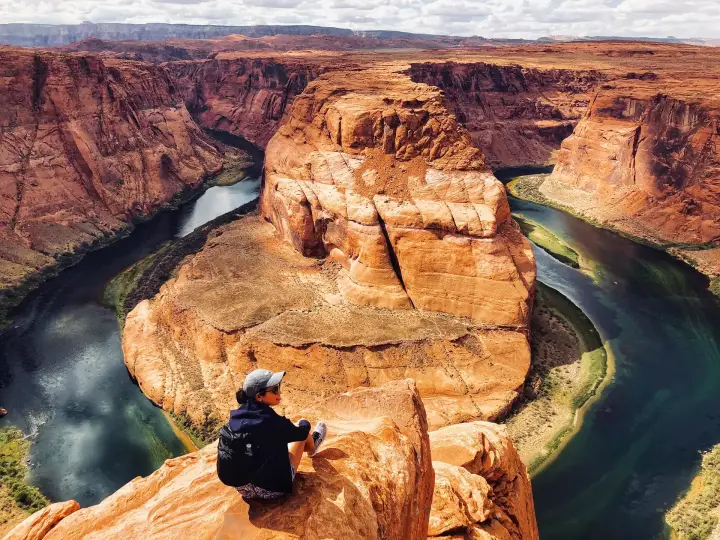
Location: Includes Zion, Lower Antelope Canyon, Horseshoe Bend, and the South Rim
This is not a 13-hour Antelope Canyon day trip. It is a two-day regional tour that includes a visit to Grand Canyon National Park.
Day one travels from Las Vegas to Zion National Park, Lower Antelope Canyon, and Horseshoe Bend. The Antelope Canyon visit is led by a Navajo guide, and the day ends with an overnight hotel stay.
Day two continues to the South Rim of Grand Canyon National Park. The published itinerary identifies Yavapai Point, Grandview Point, and Lipan Point as planned stops before the return journey through Williams and along historic Route 66.
Transportation, a guide, one hotel night, two breakfasts, drinks and snacks, Horseshoe Bend admission, and Lower Antelope Canyon admission are listed as inclusions. Lunches, dinner, and tips are not included. The group is limited to 14 participants, and children under six are not permitted.
The biggest advantage is coverage. Travelers can see several landscapes without arranging separate hotels, tickets, and long drives. The main limitation is pace. This is a road-trip overview rather than an in-depth Grand Canyon visit, and a considerable portion of both days is spent traveling.
It is a better fit for first-time Southwest visitors than for hikers who want an entire day on Grand Canyon trails.
Check the two-day itinerary, pickup area, and available dates.
4. Vegas: Grand Canyon, Hoover Dam, Skywalk Option, & Two Meals
Best for: Las Vegas visitors seeking an organized Grand Canyon West day trip
Duration: About 10 hours
Starting area: Las Vegas
Activity type: Bus tour
Location: Grand Canyon West on Hualapai Tribal lands
This tour visits Grand Canyon West, not Grand Canyon National Park.
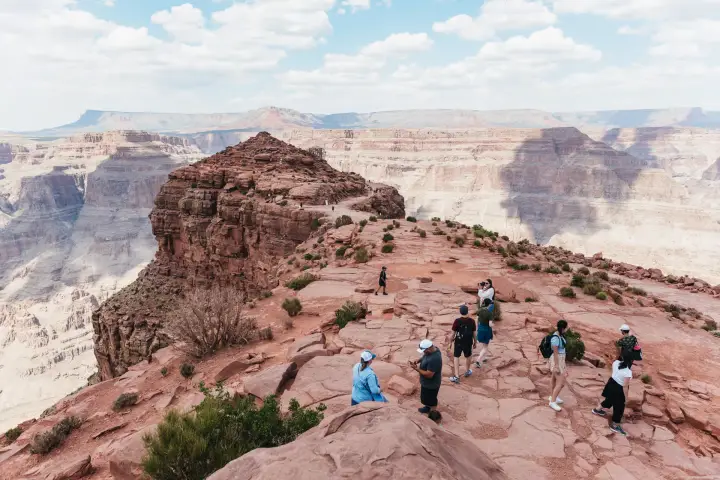
Grand Canyon West is a separate destination managed by the Hualapai Tribe and is much closer to Las Vegas than the national park’s South Rim. It includes Eagle Point, Guano Point, and the glass Skywalk, which is available through selected booking options.
The tour combines Grand Canyon West with a Hoover Dam photo stop and two meals. Transportation and the structured itinerary remove the need to rent a car, navigate unfamiliar highways, or coordinate admission independently.
It is a practical choice for travelers staying in Las Vegas who have one available day and mainly want major viewpoints. However, it should not be booked under the assumption that it includes Grand Canyon Village, Mather Point, Desert View, Bright Angel Trail, or other South Rim locations.
The full day involves substantial time on the road and a set schedule at the destination. Travelers who want long hikes or National Park Service ranger programs should choose a South Rim trip instead.
Skywalk admission may depend on the selected option, so compare packages carefully before paying.
Compare the available Grand Canyon West and Skywalk options.
5. Grand Canyon Helicopter Landing Tour with Las Vegas Transfer
Best for: Travelers short on time who prioritize aerial views
Duration: Approximately 4.5 hours with transfers
Starting area: Las Vegas pickup locations or self-drive check-in in Boulder City
Activity type: Helicopter flight and canyon-floor landing
Location: Grand Canyon West, not Grand Canyon National Park
This helicopter tour flies over Lake Mead, Hoover Dam, desert landscapes, and the Grand Wash Cliffs before entering the Grand Canyon West area.
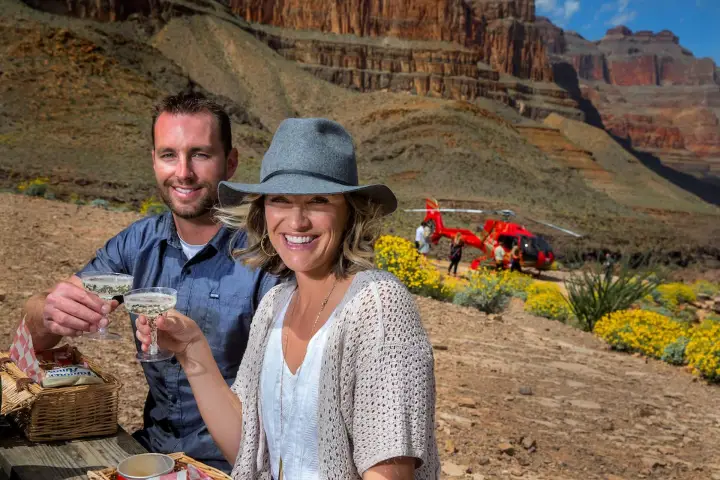
The flight lands approximately 3,500 feet below the rim for around 30 minutes. Champagne and light picnic refreshments are included during the landing. Flight time is approximately 35 minutes each way, with roughly 75 minutes in the helicopter overall.
The tour’s advertised duration includes pickup and return transportation. Guests who drive themselves to the Boulder City terminal must arrive before departure according to the operator’s check-in requirements.
This is primarily a flight experience rather than a ground-based Grand Canyon visit. The short landing provides time for photos and refreshments, not hiking or independent exploration.
Passengers are seated according to aircraft weight and balance. Travelers weighing 300 pounds or more are required to purchase an additional seat directly from the operator. The experience is also listed as unsuitable for travelers with certain mobility limitations, epilepsy, or motion sickness.
This tour can make sense when a half-day schedule rules out a long road trip. Travelers who want to walk the rim, visit museums, or explore national park trails should plan a separate South Rim visit.
Compare current flight times and review the passenger requirements.
How to Choose the Right Experience
Choose the five-day guided backpacking trip when the goal is to cross the canyon on foot and the group is prepared for a demanding backcountry experience.
Choose the Grand Canyon Railway for a relaxed South Rim day without parking, especially when traveling with children or staying in Williams.
Choose the two-day Grand Canyon, Antelope Canyon, Horseshoe Bend, and Zion tour when seeing several Southwest landmarks matters more than spending an entire day at one park.
Choose the Grand Canyon West bus tour for a convenient day trip from Las Vegas without a rental car.
Choose the helicopter landing tour when aerial views and a shorter total duration are the priorities.
The most important distinction is location. Grand Canyon West is part of the greater Grand Canyon region, but it is not inside Grand Canyon National Park.
Frequently Asked Questions
What is the best month to visit the Grand Canyon?
May and September are strong choices for most visitors.
May usually offers pleasant South Rim conditions before the busiest part of summer. September often brings cooler hiking weather after peak summer travel, although warm inner-canyon temperatures can continue.
No month guarantees stable weather. Check rim and inner-canyon forecasts separately.
How many days do you need at the Grand Canyon?
Two full days provide enough time for the main South Rim viewpoints, a Rim Trail walk, Desert View Drive, Grand Canyon Village, and a short below-the-rim hike.
Three days are better for travelers who prefer a slower pace or want flexibility for weather.
Is Grand Canyon National Park open year-round?
The South Rim is open year-round, but winter storms can temporarily affect roads, trails, and services.
The North Rim has a shorter and more variable visitor season. Current access may be affected by snow, fire recovery, infrastructure work, and operational limitations. Check the official North Rim status before traveling.
Do you need a reservation to enter Grand Canyon National Park?
A standard sightseeing visit generally does not require a timed-entry reservation.
Separate reservations or permits may be required for lodging, campgrounds, commercial tours, overnight backcountry hiking, and other activities. Rules can change, so verify current requirements before traveling.
Are Grand Canyon tours worth it?
A tour can be worthwhile when it removes a difficult part of the trip.
Guided backpacking helps with permits, gear, meals, and rim-to-rim logistics. The railway avoids South Rim driving and parking. Las Vegas tours provide transportation for travelers without rental cars. Helicopter tours offer a perspective that cannot be recreated from a viewpoint.
Independent travel remains the better choice for visitors who want a flexible schedule, longer hikes, or more time at each overlook.
Can you visit the Grand Canyon without a car?
Yes.
The Grand Canyon Railway connects Williams with Grand Canyon Village. Commercial transportation may also be available from regional gateway towns. Once at the South Rim, free park shuttles connect many major viewpoints, trailheads, lodging areas, and visitor facilities.
Transportation options change seasonally, so confirm schedules before building a car-free itinerary.
What is the closest major airport to the Grand Canyon?
Flagstaff Pulliam Airport is the closest commercial airport to the South Rim, but it has fewer flights than airports in Phoenix or Las Vegas.
Phoenix Sky Harbor generally provides the most practical combination of flight options and driving access for South Rim visitors. Las Vegas can work well for travelers combining the canyon with Nevada or Grand Canyon West.
Is the Grand Canyon Skywalk inside Grand Canyon National Park?
No.
The Skywalk is at Grand Canyon West on Hualapai Tribal lands. It is not part of the South Rim or North Rim areas administered as Grand Canyon National Park.
Final Thoughts
The best time to visit Grand Canyon National Park is usually late spring or early fall. These seasons provide better hiking conditions than midsummer, more daylight than winter, and fewer crowds than the busiest vacation periods.
Two days at the South Rim give most first-time visitors enough time to walk along the rim, explore Grand Canyon Village, drive to eastern overlooks, and carefully sample a below-the-rim trail.
Tours should be selected according to the problem they solve. A railway ticket simplifies transportation and parking. A guided backpacking trip handles permits and backcountry logistics. A regional two-day tour connects several Southwest destinations. Grand Canyon West bus and helicopter tours provide convenient alternatives for Las Vegas travelers but do not replace an in-depth visit to Grand Canyon National Park.
Before leaving, check current park alerts, weather, road conditions, trail closures, shuttle schedules, North Rim access, and water availability. Conditions at the rim and inside the canyon can differ enough to require completely different plans.
Disclaimer: This post is for informational purposes only. Always check official park regulations, permits, road conditions, closures, and weather before planning or booking any activity.
Affiliate Disclosure: ChaseTheBigDream.com participates in affiliate programs, including GetYourGuide and other trusted partners. When you book or purchase through qualifying links, the site may earn a small commission at no extra cost to you. These partnerships help support the creation and maintenance of independent travel guides.