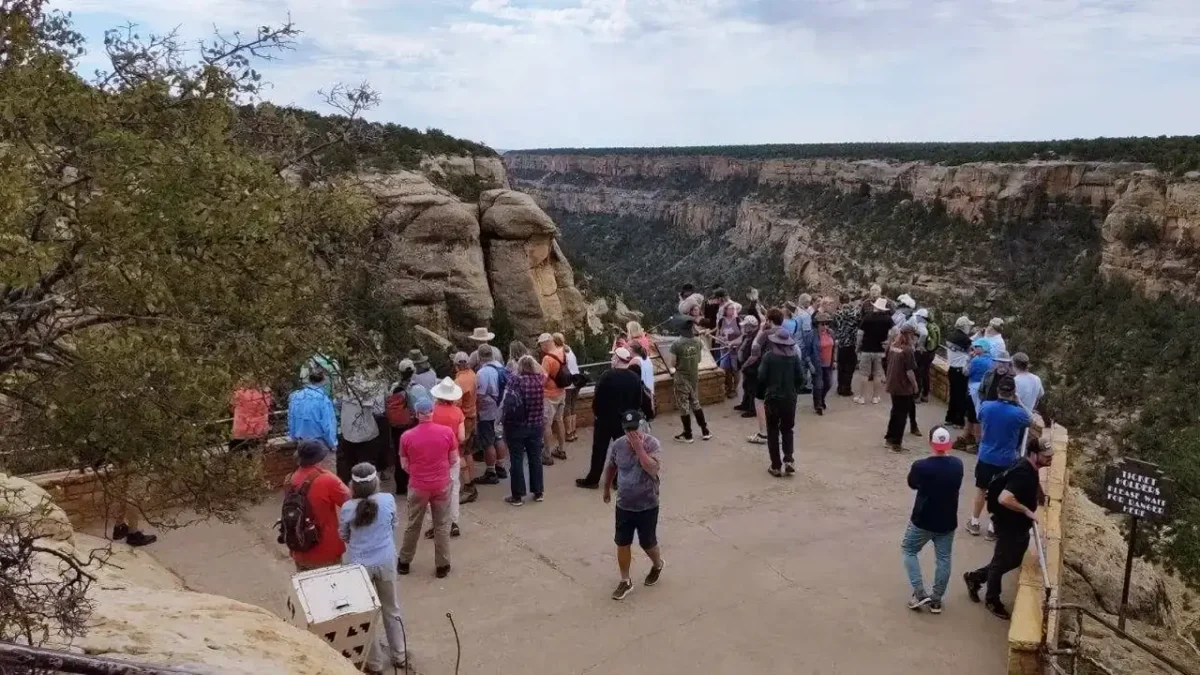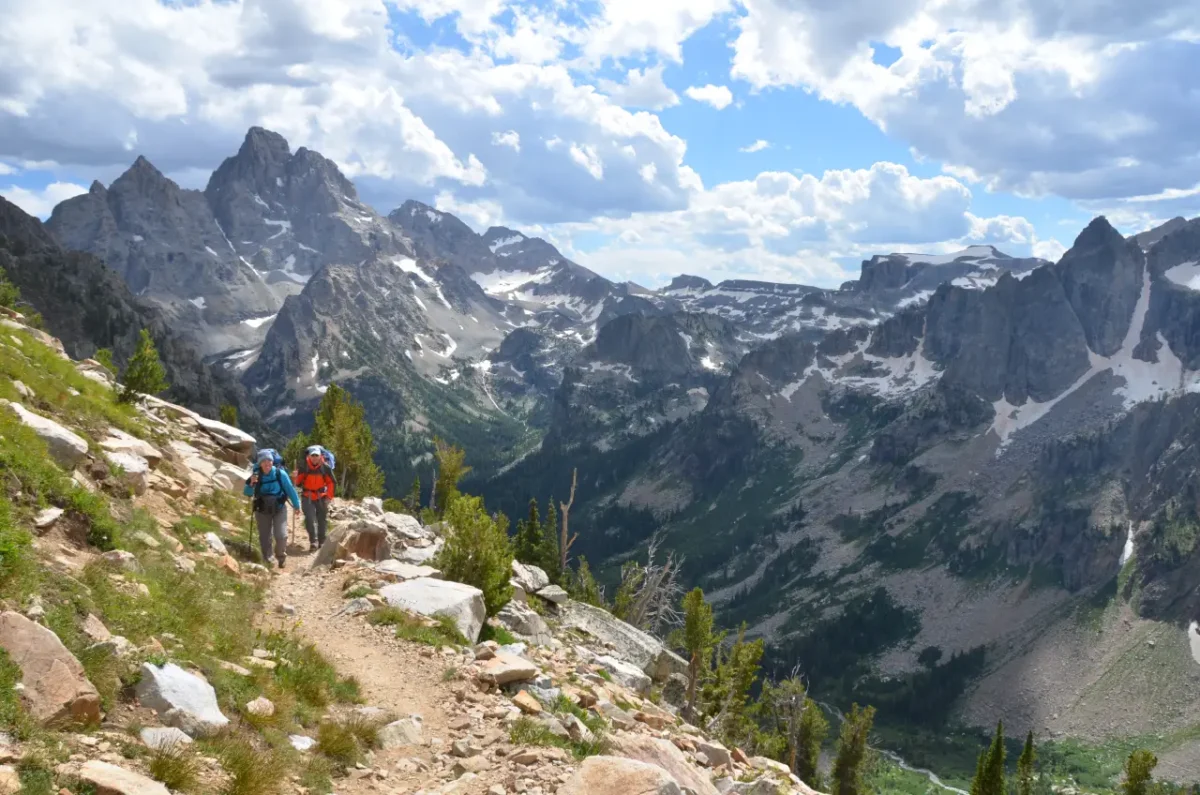
The best time to visit Grand Teton National Park is from late June through September, when the park’s main roads, hiking areas, visitor services, and water-based activities are most accessible. July and August bring the warmest weather and the widest range of things to do, while September offers cooler temperatures, active wildlife, changing aspens, and somewhat lighter crowds.
Grand Teton is best known for the sharp profile of the Teton Range, broad wildlife-filled valleys, alpine lakes, historic homesteads, and the Snake River winding beneath the mountains. Summer delivers the easiest access, but it also brings busy trailheads, crowded viewpoints, and limited parking around Jenny Lake and other popular areas.
This guide covers the seasonal tradeoffs, how many days to spend in the park, the best things to do independently, and five Grand Teton National Park tours and experiences for travelers who want wildlife expertise, river access, or help managing the logistics.
Grand Teton National Park at a Glance
| Planning Detail | Recommendation |
|---|---|
| Best overall time to visit | Late June through September |
| Best time for hiking | July through September |
| Best time for wildlife viewing | Spring and fall, especially early or late in the day |
| Best time for fewer crowds | May, early June, late September, and October |
| Suggested trip length | 3 days |
| Main gateway town | Jackson, Wyoming |
| Closest airport | Jackson Hole Airport |
| Official park website | Visit the official Grand Teton National Park website |
Best Time to Visit Grand Teton National Park
For most travelers, late June through September provides the best balance of trail access, comfortable daytime weather, open facilities, scenic drives, and guided activities.
July and August are the safest choices for travelers who want the broadest selection of hikes and water activities. Most lower-elevation trails are clear, concession services are operating, and long daylight hours make it easier to combine a morning hike with an afternoon scenic drive.
The tradeoff is congestion. Parking areas at Jenny Lake, Taggart Lake, Laurance S. Rockefeller Preserve, and other popular destinations can fill early. Roadside wildlife sightings may also cause temporary traffic backups.
September is often the strongest overall choice for travelers who can visit after the main summer rush. Days are cooler, wildlife activity can increase, and aspens begin turning gold. However, freezing nights and early snow are possible, and some seasonal services begin closing.
May and early June can work well for wildlife viewing and lower-elevation sightseeing, but snow may remain on mountain trails. October offers quiet roads and crisp weather, though services are limited and winter conditions can arrive quickly.
Snow and frost are possible in every month, and afternoon thunderstorms are common during July and August. Always check the current forecast, road status, trail conditions, and temporary closures before setting out.
Grand Teton National Park by Season
Spring
Spring in Grand Teton generally stretches from April through June, but conditions vary widely depending on elevation and snowpack.
The valley may feel mild and dry while mountain trails remain buried under snow. Lower-elevation destinations such as Mormon Row, Oxbow Bend, Jackson Lake, and viewpoints along Highway 26/89/191 are usually more practical than alpine hikes early in the season.
The central section of Teton Park Road normally remains closed to vehicle traffic through April and opens around May 1 when weather and road conditions permit. Before it reopens to cars, the plowed road can provide a brief spring window for walking and biking beneath the mountains. Seasonal dates can change, so confirm access before planning around this opportunity.
Spring is particularly appealing to wildlife watchers. Elk, bison, moose, pronghorn, and bears may be active in the valley, but visitors should never approach or crowd animals. Bears can be active during much of the year, and the park advises visitors to carry bear spray, make noise on trails, and maintain required distances.
Choose spring for:
- Lower crowd levels
- Wildlife-focused scenic drives
- Cool hiking weather at lower elevations
- Snow-covered mountain photography
- Flexible travelers who can adjust plans around weather
Spring is less suitable for visitors whose main goal is high-elevation hiking.
Summer
Summer is the easiest season for experiencing the widest range of things to do in Grand Teton National Park.
By July, most popular valley trails are accessible, boat services are operating, scenic roads are open, and guided wildlife, rafting, and sightseeing tours run frequently. Warm afternoons contrast with cool mornings and evenings, so layers remain useful even during the hottest part of the year.
Popular summer activities include hiking to Taggart Lake, taking the Jenny Lake shuttle boat, exploring Cascade Canyon, paddling on String Lake, photographing Mormon Row, and watching for wildlife near Oxbow Bend.
The main challenge is crowd management. Start early when visiting Jenny Lake, Taggart Lake, or the Laurance S. Rockefeller Preserve. Arriving before breakfast is often more effective than trying to find parking during the middle of the day.
Afternoon thunderstorms can form quickly. Longer hikes are best started early so exposed sections can be completed before storms become more likely. Carry water, sun protection, rain gear, and bear spray even on clear mornings.
Summer is best for:
- First-time visitors
- Hiking and paddling
- Families following a packed itinerary
- Travelers combining Grand Teton and Yellowstone
- Visitors who want the widest selection of tours
Fall
September is one of the best months to visit Grand Teton National Park.
The busiest summer weeks have passed, mornings become crisp, and aspens begin changing from green to gold. Wildlife also becomes a major focus as animals prepare for winter and elk enter their fall rut.
Most park roads and major hiking areas remain accessible in early September, but overnight temperatures can drop below freezing. By October, snowstorms become more likely, many seasonal businesses close, and road access can change quickly.
Fall visitors should plan flexible itineraries. Keep a scenic drive available for poor hiking weather, carry warm layers, and check operating dates before assuming that visitor centers, boat services, restaurants, or lodging remain open.
Fall is best for:
- Wildlife observation
- Photography
- Cooler hiking conditions
- Fewer visitors than midsummer
- Travelers comfortable with variable weather
Winter
Winter changes how Grand Teton is explored.
From November 1 through April 30, the central portion of Teton Park Road between the Taggart Lake Trailhead area and Signal Mountain Lodge is closed to regular motor vehicles. Portions of the road are used for cross-country skiing and snowshoeing when snow conditions allow. Highway 26/89/191 remains the main winter driving route through the park.
The landscape is quieter, services are limited, and winter driving conditions can be demanding. A vehicle suited to snow and ice is essential, along with extra clothing, food, and emergency supplies.
Popular winter activities include:
- Cross-country skiing
- Snowshoeing
- Winter wildlife watching
- Scenic drives along the open highway
- Photography of the snow-covered Teton Range
Winter is best for experienced cold-weather travelers who value solitude more than easy access.
How Many Days Do You Need in Grand Teton National Park?
Three days is the ideal amount of time for a first visit.
That allows enough time for a scenic drive, a moderate hike, Jenny Lake, wildlife viewing, and one guided experience without forcing every activity into a single day.
One Day
With one day, focus on the park’s eastern viewpoints and central scenic road.
A practical itinerary might include:
- Mormon Row around sunrise
- Schwabacher Landing
- Snake River Overlook
- Oxbow Bend
- Jackson Lake viewpoints
- Jenny Lake
- Chapel of the Transfiguration
A guided half-day wildlife tour or scenic float can replace part of the driving for travelers who prefer a more structured visit.
Two Days
Use the first day for viewpoints and wildlife areas. Spend the second day hiking or exploring Jenny Lake.
Strong second-day options include:
- Taggart Lake
- Hidden Falls and Inspiration Point
- Cascade Canyon
- String Lake
- Phelps Lake
Starting early creates more time and reduces parking frustration.
Three Days
Three days provides a better balance between sightseeing and outdoor activity.
A well-paced visit could include:
- One scenic-drive and wildlife day
- One Jenny Lake or Cascade Canyon day
- One river float, longer hike, or northern park day
This schedule also leaves room to adjust around thunderstorms, smoke, trail closures, or wildlife activity.
Four or More Days
A longer stay works well for hikers, photographers, paddlers, and travelers combining Grand Teton with Jackson.
Extra time makes it possible to explore quieter areas, revisit wildlife locations at dawn or dusk, or take a full-day tour without sacrificing independent activities.
Before You Visit: Official NPS Planning Information
Conditions can change quickly in Grand Teton. Road construction, wildlife activity, fire danger, snow, temporary closures, and parking limitations may affect an itinerary even during peak season.
Use these official resources before traveling:
- Check current Grand Teton National Park alerts and conditions.
- Review Grand Teton National Park entrance fees and passes.
- Confirm current visitor center and facility operating dates.
- Review current park road status and seasonal closures.
- Download official Grand Teton maps and parking information.
- Review permits and reservation requirements.
- Read Grand Teton wildlife and bear-safety guidance.
- Review accessibility information for Grand Teton National Park.
Grand Teton currently requires an entrance pass but does not require a park-wide vehicle reservation. Lodging and campgrounds inside the park are reservable and can fill months ahead. Some activities, including overnight backcountry camping and boating, require separate permits. These rules can change and should always be confirmed directly with the park.
International visitors should pay particular attention to the current entrance-fee rules, which differ from those for U.S. citizens and residents in 2026. Review the official fee page before choosing a pass or booking a tour that enters the park.
Best Things to Do in Grand Teton National Park
Paid experiences can simplify transportation or provide specialized equipment, but many of the park’s highlights are easy to explore independently.
Drive the Grand Teton Scenic Loop
The commonly used scenic loop combines Highway 26/89/191 with Teton Park Road.
The highway side provides broad views of the mountain range and access to locations such as Mormon Row, Schwabacher Landing, Snake River Overlook, Oxbow Bend, and Jackson Lake.
Teton Park Road runs closer to the mountains and connects areas such as Jenny Lake, Signal Mountain, Taggart Lake, and the Chapel of the Transfiguration.
Allow most of a day if frequent stops, short walks, and wildlife sightings are part of the plan.
Hike to Taggart Lake
Taggart Lake is one of the most approachable hikes with close-up views of the Tetons.
The route passes through forest, open terrain, and areas affected by historic wildfires before reaching the lake. It is popular because it offers a rewarding mountain setting without requiring an all-day hike.
Parking can fill early, and portions of the trail or parking area may be affected by ongoing work. Check current conditions before visiting.
Explore Jenny Lake
Jenny Lake is one of the busiest and most recognizable areas in the park.
Travelers can walk part of the lakeshore, take a scenic cruise, rent a canoe or kayak, or use the shuttle boat to shorten the approach to Hidden Falls and Inspiration Point. The shuttle does not eliminate all walking, and trails beyond the boat dock still involve uneven terrain and elevation gain.
Trail closures can affect routes around Jenny Lake. Confirm current access before relying on a specific loop or connection.
Hike into Cascade Canyon
Cascade Canyon offers a closer look at the interior of the Teton Range.
Many hikers take the shuttle across Jenny Lake and continue past Hidden Falls and Inspiration Point into the canyon. The route can be shortened or extended depending on fitness, trail conditions, and available time.
Carry bear spray, make noise where visibility is limited, and avoid leaving food unattended.
Photograph Mormon Row
Mormon Row combines historic homesteads with open views of the Teton Range.
The barns are especially popular at sunrise, when the mountains receive early light. However, the area remains worthwhile later in the day when fewer photographers are gathered near the main viewpoints.
Stay on designated roads and paths, and do not enter closed structures or restoration areas.
Watch for Wildlife at Oxbow Bend
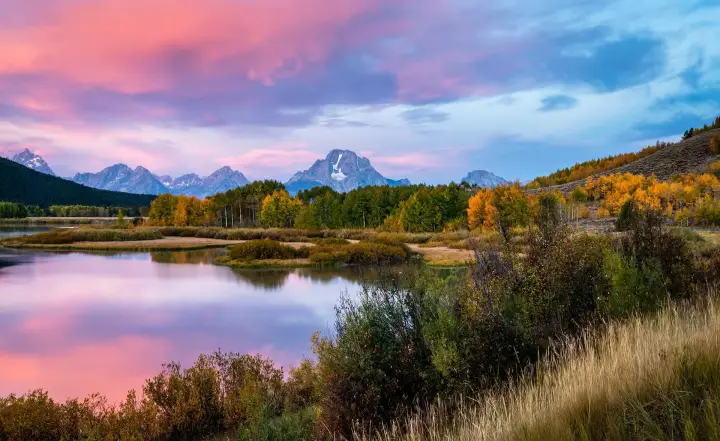
Oxbow Bend is known for views of Mount Moran and the Snake River.
Moose, elk, waterfowl, raptors, and other animals may be seen in the surrounding habitat. Dawn and dusk often provide better wildlife activity, but sightings are never guaranteed.
Pull completely off the road, avoid blocking traffic, and never approach wildlife for a photograph.
Paddle on String Lake
String Lake is a popular paddling destination because its water is generally calmer and shallower than the park’s larger lakes.
Kayaks, canoes, and paddleboards can be launched here, but watercraft rules and permit requirements apply. Winds and thunderstorms can still create hazardous conditions, so paddlers should start early and monitor the weather.
Visit the Laurance S. Rockefeller Preserve
The preserve offers a quieter experience than Jenny Lake and provides access to trails leading toward Phelps Lake.
Parking is intentionally limited and often fills early. There is no guarantee that a space will be available during busy periods, making an early arrival especially important.
5 Best Tours and Experiences in and Around Grand Teton National Park
The strongest Grand Teton National Park tours do more than add another stop to an itinerary. They solve a practical problem.
A wildlife guide can identify animals at a safe distance and provide professional optics. A river outfitter supplies specialized equipment and manages transportation. A multi-day tour removes the burden of coordinating two large national parks.
Not every experience below takes place inside Grand Teton National Park. The whitewater trip operates south of the park in Snake River Canyon, while the UTV rental explores Bridger-Teton National Forest near Togwotee Pass.
| Experience | Best For | Duration | Starting Area | Location |
| Yellowstone & Grand Tetons Wildlife Adventure | Travelers visiting both parks | 4 days | Jackson | Grand Teton and Yellowstone |
| Snake River Class II–III Whitewater Rafting | Active travelers and families | About 3.5 hours | Jackson | Snake River Canyon, outside the park |
| Grand Teton Sunrise Safari | Wildlife watchers and photographers | 4 hours | Jackson area | Inside Grand Teton |
| Togwotee Mountain Lodge UTV Rental | Self-guided off-road exploration | 2 hours | Togwotee Mountain Lodge | Bridger-Teton National Forest |
| Snake River Scenic Float with Teton Views | Families and relaxed sightseeing | About 3 hours | Jackson area | Snake River in the Teton region |
1. Yellowstone & Grand Tetons: 4-Day/3-Night Wildlife Adventure
Best for: First-time visitors who want to see both national parks without planning every hotel, route, and wildlife stop
Duration: Four days
Starting area: Jackson
Activity type: Small-group wildlife and sightseeing tour
Location: Grand Teton and Yellowstone national parks
This four-day tour is the most comprehensive option in the group. It begins with wildlife viewing in Grand Teton before continuing through Yellowstone’s valleys, waterfalls, geothermal areas, and historic sites.
The itinerary includes locations such as Oxbow Bend, Jackson Lake, West Thumb Geyser Basin, Hayden Valley, the Grand Canyon of the Yellowstone, Mammoth Hot Springs, Old Faithful, and potentially Lamar Valley when timing and conditions allow.
Three nights of lodging, tour transportation, breakfasts on three mornings, snacks, refreshments, a naturalist guide, and the use of binoculars and spotting scopes are included. Meals not listed in the itinerary, airport transportation, and guide gratuities are not included.
The tour is limited to a small group, which can make wildlife stops and communication with the guide easier. There are opportunities for easy walks and photography, but this is primarily a road-based sightseeing and wildlife experience rather than a hiking trip.
It is particularly useful for visitors who do not want to rent a car or coordinate lodging in several gateway communities. The tradeoff is a fixed itinerary, long travel days, and limited time for independent hiking.
Park-fee inclusions depend on residency and current federal entrance policies, so international travelers should review the booking conditions carefully.
See available dates and review the complete four-day itinerary.
2. Jackson: Snake River Class II–III Whitewater Rafting Adventure
Best for: Travelers who want an active half-day experience outside the national park
Duration: About 3.5 hours
Starting area: Jackson
Activity type: Guided whitewater rafting
Location: Snake River Canyon, south of Jackson
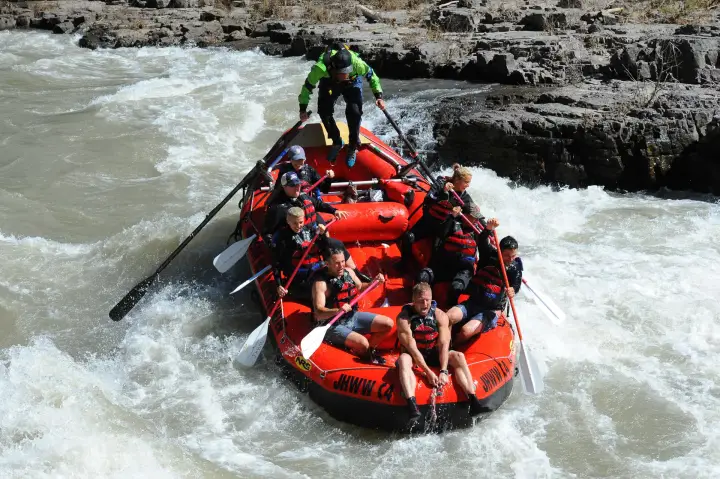
This trip covers an eight-mile stretch of the Snake River with Class II and III rapids.
Participants meet near Jackson before traveling to the river with the outfitter. A guide provides safety instructions, manages the raft, and directs the group through alternating sections of whitewater and calmer water.
The route may include well-known rapids such as Lunch Counter and Big Kahuna. Conditions vary with river flow, and the intensity of individual rapids can change during the season.
No previous rafting experience is required, but participants should be comfortable getting wet, following instructions, and sitting securely in a moving raft. Wetsuits may be available for an extra charge during colder periods.
This experience does not take place inside Grand Teton National Park. It runs through Snake River Canyon south of Jackson, making it a better fit for travelers who want an active regional experience rather than mountain sightseeing inside the park.
The half-day format leaves time for an evening wildlife drive, a relaxed meal in Jackson, or another short activity.
Check current prices, departure times, and participation requirements.
3. Jackson: Grand Teton Sunrise Safari with Naturalist Guide
Best for: Wildlife watchers, photographers, and first-time visitors who want a guided introduction
Duration: Four hours
Starting area: Pickup from participating Jackson-area accommodations
Activity type: Small-group wildlife safari
Location: Inside Grand Teton National Park
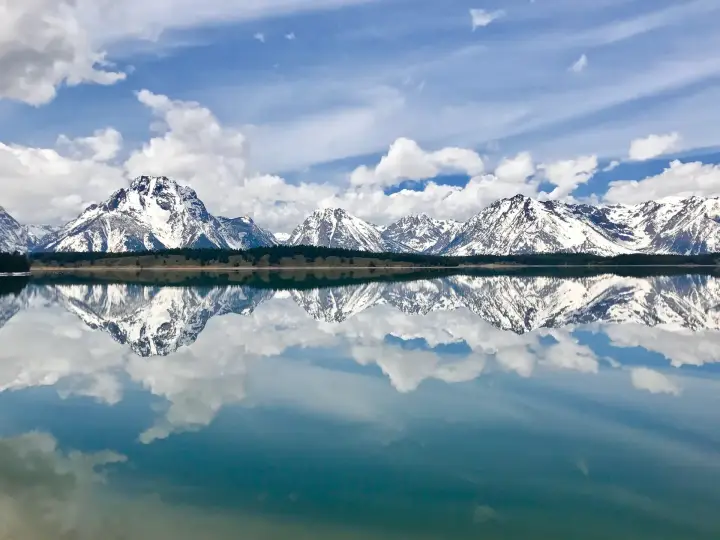
An early start provides access to the park when temperatures are cooler, roads are quieter, and many animals are more active.
The route varies according to seasonal conditions and recent wildlife activity. Instead of following a fixed list of stops, the guide can adjust the morning around productive habitats and changing conditions.
Binoculars, a spotting scope, field guides, bottled water, and locally made snack bars are included. Hotel pickup and drop-off are also available from participating accommodations.
The professional optics are one of the most useful parts of the experience. Bears, wolves, moose, bison, elk, pronghorn, and birds may be far from the road, and a spotting scope provides a better view without encouraging unsafe approaches.
Wildlife sightings are never guaranteed. The value comes from learning where and how to look, understanding animal behavior, and receiving natural-history and geological interpretation along the way.
The park entrance fee is not included and must be purchased separately when required.
Review the pickup details and check sunrise-tour availability.
4. Jackson Hole: Togwotee Mountain Lodge UTV Rental
Best for: Travelers comfortable navigating a self-guided off-road route
Duration: Two hours
Starting area: Togwotee Mountain Lodge near Moran
Activity type: Self-guided UTV rental
Location: Bridger-Teton National Forest, outside the park
This is a vehicle rental rather than a guided tour.
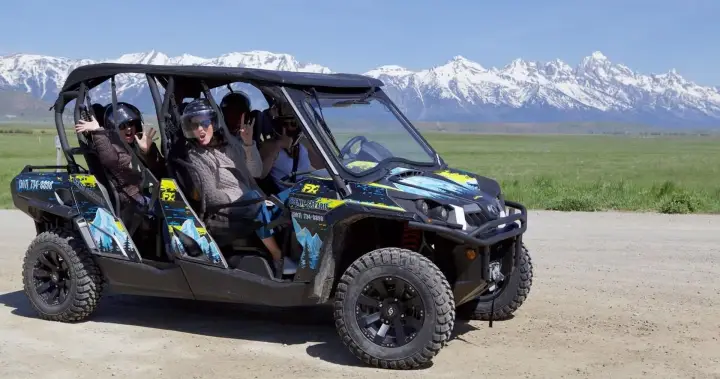
Travelers receive a Polaris UTV equipped with GPS, helmets, and a damage-protection plan. After check-in and a safety orientation, the route follows designated trails through Bridger-Teton National Forest.
The scenery differs from the valley-floor experience inside Grand Teton. Expect forest roads, open mountain terrain, views around Togwotee Pass, and distant perspectives of the Teton Range.
The activity does not enter Grand Teton National Park. It takes place east of the park, and the lodge is a substantial drive from Jackson. Travelers should calculate driving time before choosing a departure.
Drivers must meet the operator’s age and licensing requirements. Additional restrictions apply when carrying passengers under 18, and riders must be tall enough to use the handholds and footrests safely.
The experience works best for independent travelers who enjoy operating off-road vehicles and are comfortable following GPS directions. It is less suitable for anyone expecting a naturalist-led tour or close-up views inside the park.
Review the driver requirements and available rental times.
5. Jackson: Snake River Scenic Raft Float Tour with Teton Views
Best for: Families, photographers, and travelers who prefer calm water to whitewater
Duration: About three hours
Starting area: Jackson or a designated regional meeting point
Activity type: Guided scenic river float
Location: Snake River in the Grand Teton region
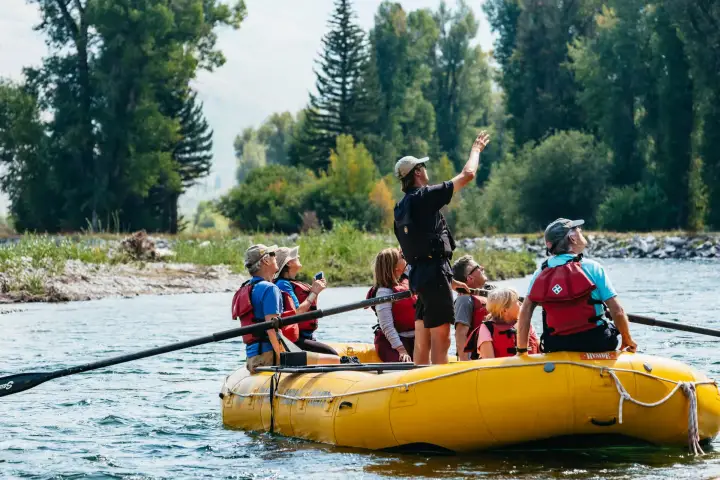
A scenic float offers a quieter alternative to the whitewater trip.
The guide handles the raft while passengers watch for birds and wildlife, photograph the landscape, and listen to interpretation about the Snake River and surrounding ecosystem.
The exact river section, transportation arrangement, and meeting location should be confirmed when booking. Scenic float routes in the region may operate inside or near national park boundaries, and entrance-fee requirements vary accordingly.
This experience is better suited to travelers who want scenery without strenuous activity. It can work well for multigenerational groups, though passengers must still be able to enter and exit the raft safely and tolerate several hours outdoors.
Weather can feel cooler on the water than on land. Bring layers, sun protection, and a secure camera strap. Wildlife may be seen, but sightings are never guaranteed.
Check the current route, meeting point, and available departure times.
How to Choose the Right Experience
Choose the four-day Yellowstone and Grand Teton tour when the main priority is seeing both parks with lodging and transportation already organized.
Choose the sunrise safari for a guided introduction to Grand Teton, professional wildlife optics, and help identifying animals at a safe distance.
Choose the scenic river float for a relaxed group activity with mountain and river views.
Choose the whitewater trip for a more physical, splash-filled experience outside the park.
Choose the UTV rental for self-guided exploration in Bridger-Teton National Forest rather than sightseeing inside Grand Teton.
Travelers with only one or two days should usually prioritize the sunrise safari or scenic float. The four-day tour makes more sense as the core of a longer regional trip.
Frequently Asked Questions
What is the best month to visit Grand Teton National Park?
September offers one of the best combinations of trail access, wildlife activity, cooler weather, fall color, and fewer visitors than July or August.
July is a stronger choice for maximum trail and water access, while May and early June are better for travelers prioritizing wildlife and lower crowds over alpine hiking.
Is July or August better for Grand Teton?
July often has greener landscapes, lingering snow on the peaks, and wildflowers. August can bring warmer water temperatures and slightly drier trails.
Both months are busy, and afternoon thunderstorms are possible. Wildfire smoke may also affect visibility during parts of the summer.
How many days are enough for Grand Teton National Park?
Three days is ideal for a first visit. Two days can cover the main highlights, while four or more days provide more flexibility for hiking, paddling, photography, and guided tours.
Do you need a reservation to enter Grand Teton?
Grand Teton currently requires an entrance pass but does not require a park-wide timed-entry or vehicle reservation. Campgrounds, lodging, guided activities, and certain permits should still be reserved in advance.
Can you visit Grand Teton without a car?
It is possible but restrictive.
The park does not have a comprehensive shuttle system connecting all major destinations. Staying in Jackson and booking tours with transportation is the most practical option for travelers without a rental car.
Is a Grand Teton wildlife tour worth it?
A wildlife tour can be worthwhile for visitors who value interpretation and professional optics.
Guides understand seasonal habitats, recent animal activity, safe viewing distances, and where parking is legally permitted. However, no responsible operator can guarantee a specific wildlife sighting.
Are the Snake River rafting trips inside Grand Teton National Park?
It depends on the trip.
Some scenic floats operate within or adjacent to Grand Teton, while many whitewater trips take place in Snake River Canyon south of Jackson. Always review the precise route and meeting point before booking.
Is Jackson Hole Airport inside Grand Teton National Park?
Yes. Jackson Hole Airport is located within Grand Teton National Park and is the closest commercial airport to Jackson and the park’s southern destinations.
What should you pack for Grand Teton?
Bring:
- Layered clothing
- Rain protection
- Sun protection
- Water
- Food and snacks
- Sturdy footwear
- Bear spray
- Binoculars
- A downloaded or printed map
Temperatures can change quickly, even during summer.
Final Thoughts
The best time to visit Grand Teton National Park depends on how much access, solitude, and weather certainty matter to the trip.
July and August provide the widest selection of hikes, boat services, scenic drives, and guided experiences. September brings cooler mornings, wildlife activity, and fall color with somewhat lighter crowds. Spring works well for flexible wildlife watchers, while winter rewards visitors prepared for snow and limited access.
Three days allows most travelers to combine a scenic loop, a lake or canyon hike, and one river or wildlife experience without rushing.
A guided activity is most valuable when it adds expertise or solves a logistical problem. Wildlife safaris provide professional optics and local interpretation. River outfitters manage equipment and transportation. Multi-day tours simplify a complicated Grand Teton and Yellowstone itinerary.
Before traveling, review current official conditions, seasonal operating dates, road access, wildlife closures, and permit requirements. Construction and trail conditions can change throughout the season, so the final itinerary should always remain flexible.
Disclaimer: This post is for informational purposes only. Always check official park regulations, permits, road conditions, closures, and weather before planning or booking any activity.
Affiliate Disclosure: ChaseTheBigDream.com participates in affiliate programs, including GetYourGuide and other trusted partners. When you book or purchase through qualifying links, the site may earn a small commission at no extra cost to you. These partnerships help support the creation and maintenance of independent travel guides.